
Gallus is a distinct Scots adjective primarily meaning bold, cheeky, mischievous, daring, or self-confident, originating historically from the noun gallows to describe someone reckless enough to merit hanging before evolving into a term of urban swagger.
- How has the geographic usage of gallus concentrated specifically within Glasgow and the West of Scotland?
- In what ways do modern Glaswegians apply the term gallus to human behavior and personality traits?
- How is gallus utilized to describe personal style, fashion choices, and aesthetic presentation in Glasgow?
- What syntactic structures and common phrases feature gallus in everyday Glaswegian speech?
- How has the cultural footprint of gallus evolved across media, literature, and digital communication platforms?
The linguistic roots of the term trace back centuries within the Lowland Scots lexicon. According to historical records maintained by the Dictionary of the Scots Tongue, the term emerged during the early fifteenth century as an offshoot of gallow, denoting anything pertaining to execution structures. In its earliest iterations across Scottish communities, calling a person gallus meant they possessed a wild, unmanageable disposition that rendered them fit for the gallows. Over successive generations, the semantic value underwent a complete inversion. By the nineteenth and twentieth centuries, the heavy penal connotation dissolved within the working-class districts of the Scottish Lowlands. It transformed into a descriptor for high-spirited audacity, daring panache, and audacious confidence. The term bridges historical criminal slang and modern regional pride, operating as a linguistic artifact unique to Scottish cultural expression.
How has the geographic usage of gallus concentrated specifically within Glasgow and the West of Scotland?
Gallus functions primarily as a localized regional identifier within Glasgow and the West of Scotland, distinguishing the speech patterns of Clydeside urban centers from other Scottish dialects such as Doric or standard Edinburgh vernacular.
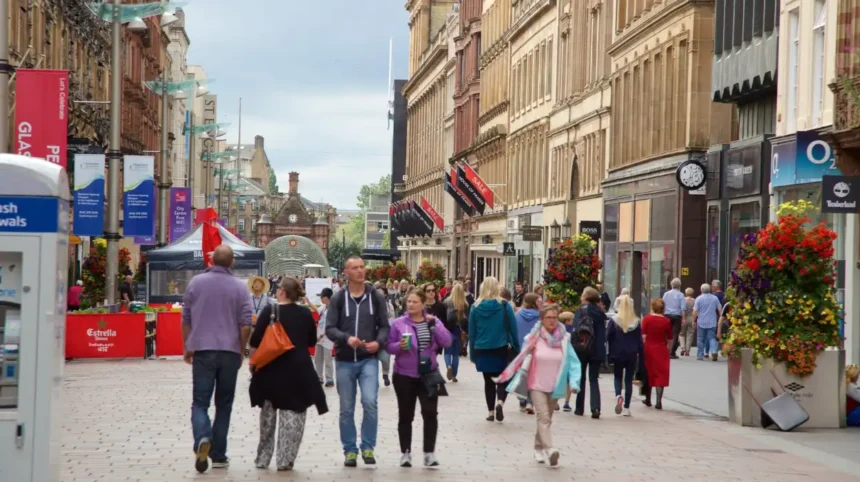
While Scots is recognized as a Germanic language spoken widely across Scotland, individual terms maintain strict micro-geographies. Gallus achieved its highest density of usage within the industrial shipyards, tenements, and commercial hubs of Glasgow, Paisley, and Clydebank. Linguistic field studies show that speakers on the East Coast of Scotland or in northern rural shires historically favored alternative lexical choices for boldness, such as ket or uppity. In contrast, Glasgow embraced gallus as a core pillar of its municipal identity. This geographic concentration stems from the dense, tightly knit working-class communities of the nineteenth and twentieth centuries, where rapid oral communication fostered unique slang. The term became intrinsically linked to the Glasgow ethos—characterized by quick wit, resilience against hardship, and an inherent refusal to be intimidated by authority figures or social hierarchies.
In what ways do modern Glaswegians apply the term gallus to human behavior and personality traits?
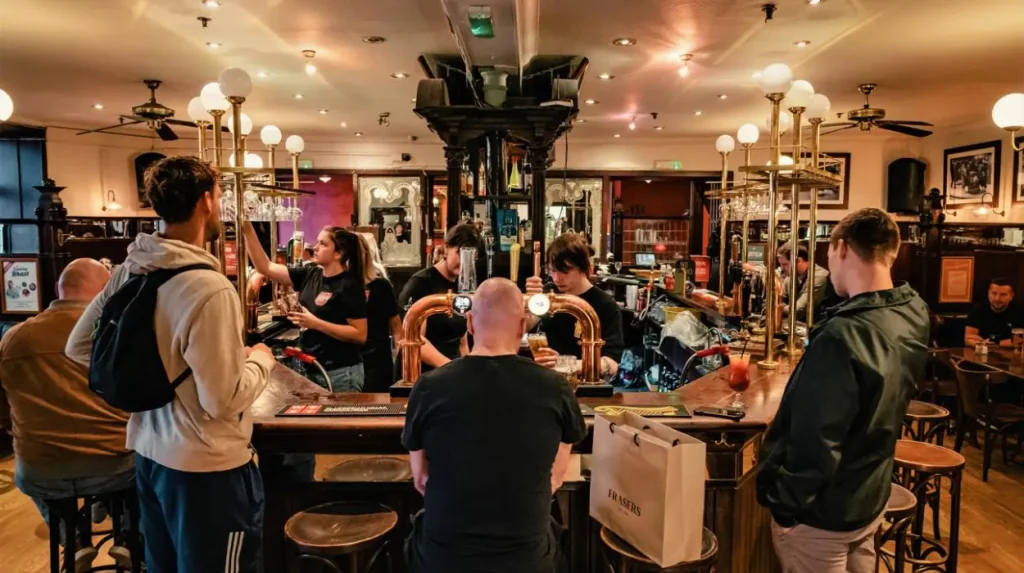
Modern Glaswegians apply gallus to individuals who display an overt, flamboyant self-confidence, cheeky fearlessness, or an unapologetic swagger that borders on being delightfully cocky.
When a resident of Glasgow labels someone as gallus, they are evaluating a specific behavioral dynamic. The term captures the exact moment an individual steps into a challenging environment and projects absolute composure or irreverence. Typical behavioral manifestations include:
- A junior employee talking back to a corporate manager with lighthearted, disarming humor.
- A local athlete attempting an exceptionally difficult maneuver on a pitch with a broad grin.
- An individual navigating urban adversity with an unshakeable, upbeat demeanor.
Unlike arrogance, which implies unearned superiority and malice, a gallus attitude usually carries an underlying charm. It denotes an energetic, vibrant form of bravado that spectators often view with affectionate amusement rather than genuine offense. The trait balances on a fine line between endearing mischief and frustrating insubordination, making it a nuanced psychological descriptor in daily Scottish interactions.
How is gallus utilized to describe personal style, fashion choices, and aesthetic presentation in Glasgow?
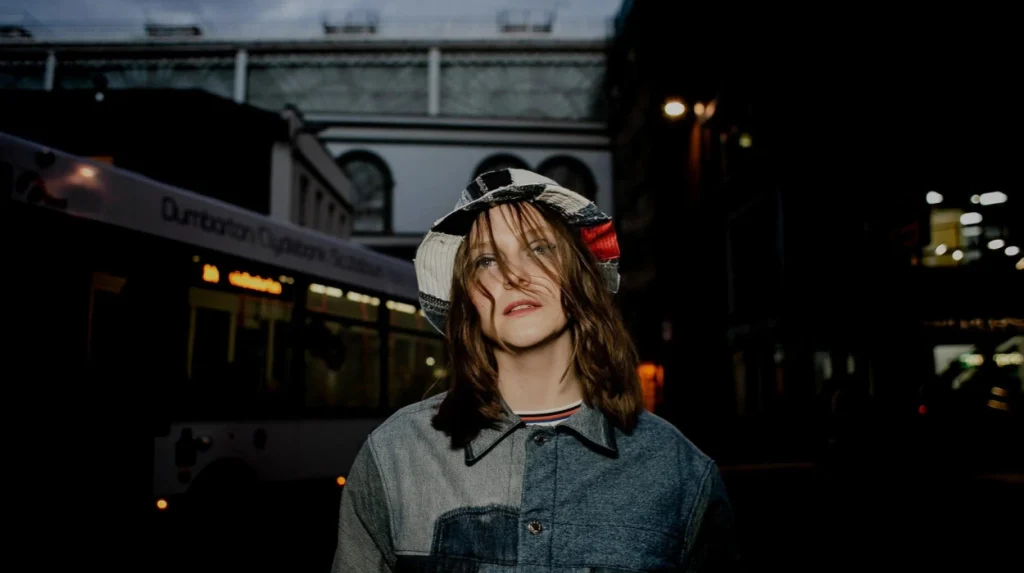
Gallus describes clothing, presentation, and physical style that is striking, impressively flashy, or designed to demand attention through vibrant color combinations and bold tailoring.
Beyond abstract personality traits, the vocabulary extends directly into visual aesthetics and material culture across Glasgow. Tailoring and garment choices frequently earn the designation when they reject understated modesty in favor of visual impact. Examples of this visual application include:
- Wearing brightly colored trainers or sharply cut retro suits that stand out on a grey urban street.
- Adorning oneself with oversized costume jewelry or statement accessories that project an aura of effortless coolness.
- Customizing everyday items like bicycles or vehicles with flashy decals and polished chrome.
This usage aligns with historical observations comparing the word to the French concept of a strutting dandy or a flamboyant urbanite. In Glasgow fashion subcultures, looking gallus means dressing with intent, ensuring that an outfit communicates total self-possession and a deliberate rejection of dull conformity. It transforms clothing from a basic utility into an active instrument of social performance.
Explore More Area Guide
Deep Fried Mars Bar Glasgow: Where to Get One
True Glaswegian: Daily Habits, Culture and Glasgow Traditions
What syntactic structures and common phrases feature gallus in everyday Glaswegian speech?
Gallus functions syntactically as a versatile adjective within everyday Glaswegian conversation, most frequently appearing in intensifying phrases such as pure gallus or as a direct modifier preceding nouns.
Native speakers deploy the term within specific grammatical frameworks that emphasize its emotional weight. Rather than functioning as a sterile dictionary entry, it integrates into conversational rhythms through established idiomatic pairings. Common structural patterns documented in urban speech analysis include:
- The intensifier construction pure gallus, used to describe someone exhibiting maximum levels of cheekiness or bravado (e.g., “Look at him strutting down Buchanan Street, he’s pure gallus”).
- The noun-modifying structure a gallus wee rogue, applied affectionately to mischievous children or adventurous local characters.
- The comparative application more gallus than sense, utilized when an individual’s physical daring drastically outweighs their practical caution.
These syntactic slots ensure that the word retains its punchy, expressive utility. By anchoring the term within predictable local idioms, speakers convey complex social judgments instantaneously, maintaining the structural efficiency characteristic of the Glasgow dialect.
How has the cultural footprint of gallus evolved across media, literature, and digital communication platforms?
Gallus has transitioned from oral working-class traditions into contemporary digital spaces, literature, and mass media, cementing its status as an enduring emblem of Scottish linguistic heritage.
The preservation of regional dialect in the twenty-first century relies heavily on written adaptation and digital amplification. Authors writing gritty Scottish fiction, such as James Kelman and Irvine Welsh, utilize terms like gallus to ground their dialogue in authentic regional realism. Furthermore, social media platforms, regional charitable campaigns like ScotsCare videos, and digital merch brands actively promote the term to foster cultural identity among the diaspora. This modern renaissance prevents the vocabulary from fading into obsolescence. Search engine queries and algorithmic text processing tools now index the term as a primary cultural entity, proving that localized linguistic forms can successfully navigate the shift from industrial shipyards to globalized digital networks without losing their precise semantic core.
What does gallus mean in Glasgow slang?
Gallus is a Glasgow Scots slang word meaning bold, confident, cheeky, daring, or mischievous. It describes someone who shows fearless self-confidence, often with a playful or charming attitude.