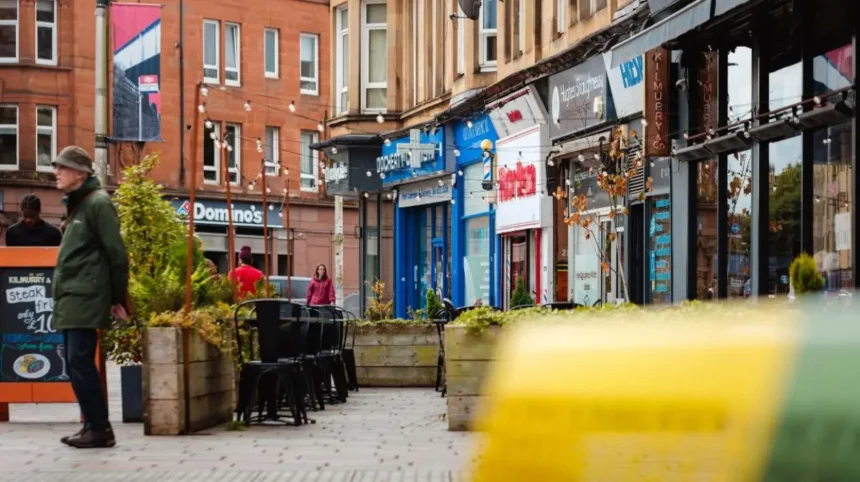
Glasgow Southside is a collection of residential neighbourhoods south of the River Clyde in Glasgow, Scotland. It combines traditional sandstone tenements, Victorian architecture, independent cafés, cultural venues, major parks and established transport links. The area attracts families, students, young professionals, commuters and people seeking a residential alternative to Glasgow city centre.
- What is Glasgow Southside like to live in?
- Which Glasgow Southside neighbourhoods are best to consider?
- Shawlands
- Strathbungo
- Pollokshields
- Govanhill
- Battlefield and Mount Florida
- Cathcart and Newlands
- Pollokshaws and Crossmyloof
- How did Glasgow Southside develop historically?
- What types of homes are available in Glasgow Southside?
- Are tenement flats common in the Southside?
- Are houses available for families?
- What should renters and buyers check before choosing a property?
- How much does it cost to live in Glasgow Southside?
- Which expenses should residents budget for?
- Is Glasgow Southside affordable compared with central Glasgow?
- Where can residents find reliable housing information?
- How good is public transport in Glasgow Southside?
- Which train stations serve the Southside?
- Are buses useful for everyday travel?
- Can residents live in the Southside without a car?
- What is parking like in residential streets?
- Which parks and outdoor spaces are near Glasgow Southside homes?
- What can residents do in Queen’s Park?
- What makes Pollok Country Park significant?
- Are there quieter outdoor spaces?
- How do parks affect residential life?
- What schools, healthcare and everyday services are available?
- How should families compare local schools?
- How can new residents access healthcare?
- Where can residents complete everyday errands?
- What is the food, café and shopping scene like?
- Where can residents find independent cafés?
- What food options are available in Govanhill?
- Can residents shop locally instead of travelling to the city centre?
- What cultural attractions and community activities can residents enjoy?
- What cultural attractions are worth knowing about?
- How does local heritage contribute to community life?
- Are there community activities for newcomers?
- Is Glasgow Southside suitable for students and remote workers?
- What are the disadvantages of living in Glasgow Southside?
- Do property conditions require special attention?
- Is noise a concern?
- Are all areas equally convenient?
- How can you choose the right Southside neighbourhood?
- What is the future outlook for Glasgow Southside?
- Final thoughts on living in Glasgow Southside
The Southside is not a single administrative neighbourhood. It includes distinct communities such as Shawlands, Strathbungo, Pollokshields, Govanhill, Battlefield, Mount Florida, Cathcart and Pollokshaws. Each has its own housing character, local amenities, transport connections and everyday atmosphere.
Living in Glasgow Southside means choosing between busy high streets, leafy residential streets, historic suburbs and areas close to extensive green spaces. Understanding these differences helps prospective residents compare locations, plan a move and identify the neighbourhood that suits their daily routine.
What is Glasgow Southside like to live in?
Glasgow Southside offers a varied residential environment with established neighbourhood centres, independent businesses, historic housing and accessible green spaces. Its character changes between areas such as lively Shawlands, architecturally distinctive Pollokshields, multicultural Govanhill and the quieter residential streets around Cathcart and Newlands.
The Southside is a broad geographical term rather than a single council-defined neighbourhood. Glasgow City Council, local heritage organisations and tourism bodies describe its communities through separate neighbourhoods, conservation areas and local centres.
Everyday life often revolves around neighbourhood high streets, railway stations, local schools, parks and community facilities. Shawlands has a concentration of cafés, restaurants and shops. Pollokshields has substantial Victorian and Edwardian architecture. Govanhill has a diverse population and a wide range of international food businesses. Pollok Country Park provides access to woodland, open grassland and cultural attractions.
The area also connects residential life with Glasgow’s wider employment, education and entertainment networks. Rail services link several Southside stations with Glasgow Central, while bus routes serve neighbourhoods beyond the railway corridors.
What defines the Southside lifestyle?
The Southside combines urban convenience with access to outdoor recreation. Residents can shop locally, visit cafés, attend community events and reach parks without making every journey into the city centre.
The exact experience depends on the street. Properties near busy roads and commercial centres experience more traffic and activity. Streets away from main roads generally offer a more residential setting, although transport convenience and nearby amenities vary.
Who typically considers living in the Southside?
The area suits different household types for different reasons.
- Young professionals: Shawlands and Strathbungo offer cafés, restaurants, neighbourhood shops and connections to central Glasgow.
- Families: Cathcart, Newlands and residential parts of Pollokshields provide access to parks, schools and local services.
- Students: Govanhill, Shawlands and nearby areas provide access to public transport and shared housing options.
- Commuters: Residents near stations such as Crossmyloof, Pollokshields East and Cathcart can compare rail connections with their workplace location.
- International residents: Govanhill and Pollokshields have established multicultural communities and a range of international food shops and services.
These are broad patterns rather than guarantees. Individual streets, property conditions, budgets and commuting destinations determine whether a location works for a particular household.
Which Glasgow Southside neighbourhoods are best to consider?
The main Southside neighbourhoods offer different combinations of housing, amenities, green space and transport. Shawlands suits people seeking a busy local centre, Pollokshields offers historic architecture, Govanhill has a multicultural commercial environment, and Cathcart and Newlands provide additional residential options.
Shawlands
Shawlands is one of the Southside’s best-known neighbourhood centres. Shawlands Cross and the surrounding streets contain cafés, restaurants, independent shops and everyday services.
The area is particularly relevant to people who want local amenities within walking distance. Its residential streets include traditional tenement flats and other housing types, with the precise character varying by street.
Crossmyloof and Shawlands railway stations serve parts of the wider area. Residents should check the walking distance from a specific property rather than assuming every address has the same access.
Strathbungo
Strathbungo lies near Shawlands and Pollokshields. Its historic streets, traditional buildings and neighbourhood businesses contribute to its established residential character.
The area appeals to people who want access to local cafés and shops while remaining within reach of central Glasgow. Property availability, prices and walking distances vary across the neighbourhood.
Pollokshields
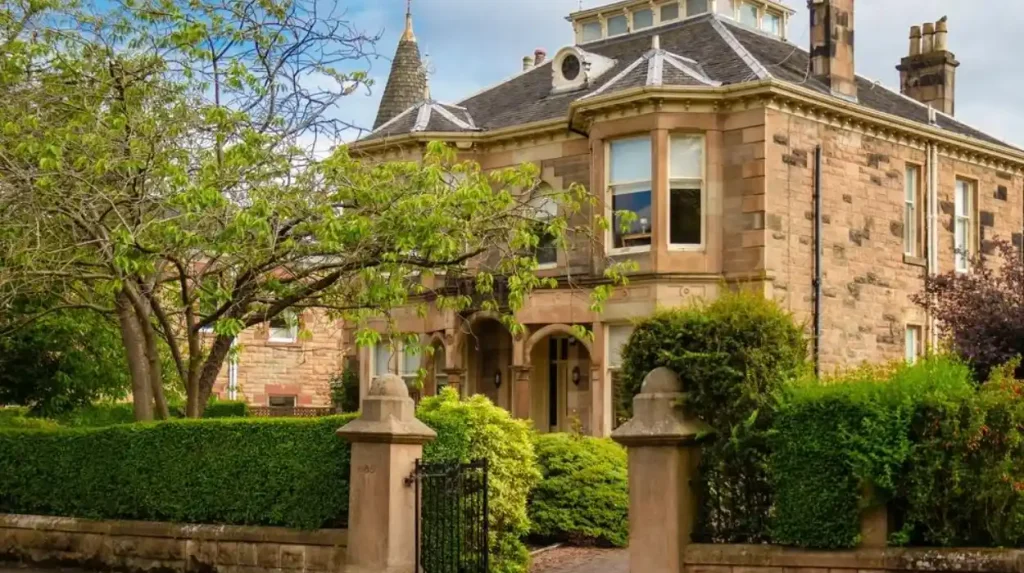
Pollokshields is known for its planned Victorian and Edwardian development, sandstone tenements, villas and tree-lined streets. Development began in 1851 on land associated with the Stirling Maxwell family.
East Pollokshields has a grid of tenement streets, while West Pollokshields contains substantial villas and leafy avenues. The area was designated a conservation area in 1973, reflecting the importance of its historic character.
Pollokshields suits people interested in period architecture and established residential streets. Anyone buying an older property should check the building’s condition, maintenance arrangements and any conservation requirements affecting alterations.
Govanhill
Govanhill is a densely developed neighbourhood recognised for its multicultural population and international food businesses. Its commercial streets include shops and services serving different communities.
Traditional tenements form an important part of the housing stock. Prospective renters should inspect individual flats for heating, ventilation, repairs, noise and shared-entry maintenance.
Govanhill is also connected to community organisations and cultural projects. Its local identity is shaped by residents, independent businesses and community-led activity rather than by a single visitor attraction.
Battlefield and Mount Florida
Battlefield and Mount Florida offer residential streets with local shops, cafés and access to Queen’s Park. Hampden Park, Scotland’s national football stadium, is located in Mount Florida.
These neighbourhoods suit residents who want access to parks and sporting events. On major match days and concert dates, visitors increase activity around the stadium, affecting traffic, parking and pedestrian movement on nearby streets.
Cathcart and Newlands
Cathcart has established residential streets, railway connections and access to the River Cart corridor. Newlands has a greener residential character and lies near parkland and the wider southern suburbs.
Both areas are worth considering for households prioritising residential surroundings over a busy commercial centre. The distance to shops, schools and stations varies considerably between properties, making street-level checks important.
Pollokshaws and Crossmyloof
Pollokshaws has a long local history and a mix of residential development, shops and transport connections. Crossmyloof sits close to Shawlands and provides access to nearby commercial amenities and rail services.
These areas expand the choice for people who want Southside access without focusing exclusively on the best-known neighbourhood centres. Compare the condition, tenure and location of each property before making a decision.
How did Glasgow Southside develop historically?
Glasgow Southside developed from a mixture of rural settlements, industrial communities and planned residential suburbs into a diverse urban district. Nineteenth-century expansion created many of its tenements, villas and civic buildings, while later housing, transport and cultural developments shaped its modern neighbourhoods.
Historically, the Southside was not one unified settlement. Villages and estates existed beyond Glasgow’s older urban core, and roads connected them with the city and surrounding countryside. Industrial growth and expanding urban employment increased demand for housing during the nineteenth century.
How did Victorian development shape the area?
The expansion of Glasgow’s economy encouraged residential development south of the Clyde. Wealthier households occupied villas and larger houses in selected suburbs, while tenements accommodated growing urban populations.
Pollokshields provides a clear example of planned suburban development. Construction began in 1851, and its two principal sections developed with different layouts and building types. East Pollokshields became associated with a grid of sandstone tenements, while West Pollokshields developed villas and landscaped streets.
Shawlands also grew from a smaller settlement into a residential and commercial centre as Glasgow expanded. Its historic development is reflected in its street pattern, traditional buildings and neighbourhood crossroads.
What heritage remains visible today?
The Southside retains historic buildings, churches, public halls, traditional shopfronts and residential architecture. Conservation areas protect the character of selected locations, although designation does not mean every building has identical protection.
Glasgow City Heritage Trust identifies multiple Southside conservation areas, including Crosshill, Dumbreck, Hazelwood, East Pollokshields, Shawlands Cross, Strathbungo, Walmer Crescent and West Pollokshields. Its Southside profile records 749 listed buildings across the profile area, including 67 Category A, 589 Category B and 93 Category C listings. These figures relate to the defined heritage profile, not every possible interpretation of the wider Southside.
Residents can explore this history through local walking trails, including Pollokshields Heritage’s routes covering villas, tenements and the area’s planned development.
What types of homes are available in Glasgow Southside?
Glasgow Southside has a varied housing stock that includes traditional sandstone tenements, Victorian villas, terraced houses, modern flats and family homes. Housing type, property size, maintenance requirements and rental costs differ between neighbourhoods, so comparisons should focus on individual streets and buildings.
Are tenement flats common in the Southside?
Traditional tenements are a defining feature of many Southside neighbourhoods. These multi-storey residential buildings commonly contain separate flats accessed through a shared entrance, often called a close in Scotland.
Tenements appear prominently in Shawlands, Govanhill, Strathbungo and East Pollokshields. Many feature sandstone façades, high ceilings, large windows and period architectural details. Internal layouts and renovation standards vary between properties.
Before renting or buying a tenement flat, check the roof, external walls, windows, plumbing, electrical systems and communal stairwell. Ask about building insurance, shared repair responsibilities and any outstanding maintenance work.
Are houses available for families?
Family houses are available in selected Southside neighbourhoods, including Cathcart, Newlands, Pollokshields and areas around Pollokshaws. The stock includes traditional villas, terraced houses, semi-detached properties and larger detached homes.
Availability depends on the street and current market conditions. Larger properties often have different maintenance costs from flats, particularly where gardens, older roofs or substantial external stonework require attention.
Households should also compare school catchment arrangements, walking routes, access to public transport and proximity to parks. A larger property does not automatically provide easier access to daily services.
What should renters and buyers check before choosing a property?
A property viewing should establish the practical condition of the building, not simply its appearance.
Important checks include:
- Heating system, insulation and energy performance.
- Damp, condensation, ventilation and signs of water ingress.
- Shared building repairs and arrangements for common areas.
- Noise from roads, neighbouring flats, railway lines or commercial premises.
- Walking distance to public transport, supermarkets and essential services.
- Lease conditions, tenancy terms, council tax and recurring property costs.
For purchases, Scotland has a distinct conveyancing system. The Home Report generally contains a single survey, an energy report and a property questionnaire. Buyers should read the report carefully and obtain professional advice when significant defects or repair costs are identified.
How much does it cost to live in Glasgow Southside?
The cost of living in Glasgow Southside depends primarily on housing, household size, transport, energy use and lifestyle. Rental and purchase prices vary between neighbourhoods and individual properties, so prospective residents should compare current listings and total monthly expenses rather than rely on one area-wide estimate.
Housing is usually one of the largest expenses. A room in shared accommodation, a one-bedroom flat and a family house have different cost profiles. Property condition, furnishing, outdoor space and proximity to a station also affect prices.
Which expenses should residents budget for?
A realistic household budget includes housing and the regular costs of maintaining daily life.
The total is more useful than a headline rent because a cheaper flat with poor insulation or a costly commute can increase monthly spending.
Is Glasgow Southside affordable compared with central Glasgow?
Affordability depends on the property and the specific parts of both areas being compared. The Southside contains a wide range of housing, from compact flats to substantial villas, while central Glasgow also has different property types and price levels.
Compare properties with similar bedroom numbers, furnishing, condition and transport access. Use recent rental advertisements and completed-sale evidence where available. The Scottish Government’s housing statistics and official property records provide additional context for wider market trends.
Where can residents find reliable housing information?
Useful sources include the official Scottish Government housing statistics, Registers of Scotland property market reports and current rental listings. These sources serve different purposes: government statistics describe broader trends, property records help explain sales activity, and advertisements show current asking rents.
Residents should distinguish asking prices from completed transactions and advertised rents from the final terms of a tenancy. Prices change over time, so dated figures should not be presented as permanent Southside averages.
How good is public transport in Glasgow Southside?
Glasgow Southside is served by suburban rail services, local buses and walking and cycling routes, with connections varying by neighbourhood. Stations on routes towards Glasgow Central provide useful options for commuters, while bus services connect streets and districts not immediately beside a railway station.
Which train stations serve the Southside?
The wider area includes stations such as Shawlands, Crossmyloof, Pollokshields East, Pollokshields West, Maxwell Park, Cathcart, Mount Florida and Pollokshaws.
Their services differ by route, frequency and destination. Residents travelling to Glasgow Central should check the timetable for their nearest station, including early-morning, evening and weekend services.
A station’s presence on a map does not establish a reliable journey time from every address. Walking distance, interchange requirements, service frequency and disruption all influence a commute.
Are buses useful for everyday travel?
Buses serve many Southside corridors and provide links between residential streets, shopping areas, employment destinations and transport interchanges. They are particularly useful where a property is some distance from a railway station.
Check current routes and departure times using official operator information. Compare the complete journey, including walking to the stop, waiting time and any interchange.
Can residents live in the Southside without a car?
Living without a car is practical for many residents, especially those close to railway stations, bus routes, supermarkets and neighbourhood high streets. Shawlands and parts of Govanhill provide concentrated local amenities, while some residential streets in the outer Southside require longer journeys.
Before choosing a property, map regular destinations such as work, education, grocery shopping and healthcare. Test the journeys at the times they will actually take place.
What is parking like in residential streets?
Parking conditions vary by street and building. Some homes have private parking, while traditional tenement areas often rely on on-street spaces.
Check local restrictions, permit requirements where applicable, event-day arrangements and the availability of parking at different times. Homes near Hampden Park experience particular demand during major events, so residents should account for match and concert schedules.
Which parks and outdoor spaces are near Glasgow Southside homes?
Glasgow Southside provides access to major parks, landscaped gardens, woodland and riverside walking routes. Queen’s Park serves several inner Southside neighbourhoods, Pollok Country Park offers extensive green space, and Linn Park provides woodland and riverside paths in the southern part of the city.
What can residents do in Queen’s Park?
Queen’s Park is a major public green space associated with the neighbourhoods around Shawlands, Battlefield and Mount Florida. It provides open lawns, walking routes, gardens, play facilities and elevated views across Glasgow.
The park supports everyday recreation, including walking, running, meeting friends and spending time outdoors. Its facilities and events vary by season, so visitors should check current information when planning a specific activity.
What makes Pollok Country Park significant?
Pollok Country Park is one of Glasgow’s best-known green spaces. It combines woodland, landscaped grounds, walking paths and cultural attractions, including the Burrell Collection.
The park is also associated with Highland cattle, which are a recognised feature of the visitor experience. The surrounding landscape provides a contrast with the denser streets around Govanhill and Shawlands.
The Burrell Collection houses an internationally recognised art and historical collection. Its presence makes the park relevant to residents interested in both outdoor recreation and museum visits. Check current museum and estate information before travelling, as opening arrangements and facilities can change.
Are there quieter outdoor spaces?
Linn Park offers woodland, riverside routes and access to the River Cart. Bellahouston Park provides extensive open space and is associated with House for an Art Lover, a building designed by Charles Rennie Mackintosh in 1901 and completed in 1989.
These locations offer different experiences from Queen’s Park’s neighbourhood setting. Residents should consider the journey from home, path conditions, accessibility and daylight when planning regular walks.
How do parks affect residential life?
Parks provide space for exercise, social activities and time outdoors without requiring a journey beyond the city. For households with children, access to play areas and open space can be an important factor in choosing a home.
However, proximity should be assessed alongside road crossings, entrance locations and the actual walking route. A property that appears close to a park on a map does not always have the most convenient pedestrian access.
What schools, healthcare and everyday services are available?
Glasgow Southside has local schools, healthcare facilities, pharmacies, supermarkets, libraries and community services distributed across its neighbourhoods. Access depends on the exact address, eligibility rules and service availability, so residents should verify school catchments, GP registration arrangements and opening details before moving.
How should families compare local schools?
Families should identify the schools serving their prospective address and confirm the relevant admissions arrangements with Glasgow City Council. School catchments, placing requests and available places affect admission decisions.
Compare the journey to school, pedestrian safety, public transport and access to childcare. School proximity alone does not guarantee a place, and catchment boundaries should be checked against the current council information.
How can new residents access healthcare?
Residents can use NHS Scotland services, including GP practices, pharmacies, dental services and community healthcare where available. Registration options and capacity vary by practice.
Before moving, identify nearby practices and check whether they accept new patients. NHS inform provides official guidance on accessing healthcare in Scotland, while NHS 24 offers advice about appropriate services when a GP practice is closed.
Where can residents complete everyday errands?
Neighbourhood centres such as Shawlands and Govanhill provide shops, food retailers and personal services. Other residential areas have local shopping streets, supermarkets and community facilities.
Residents should check the walking route to a supermarket, pharmacy, post office or other frequently used service. A neighbourhood’s overall reputation does not establish the convenience of every address within it.
What is the food, café and shopping scene like?
Glasgow Southside has a varied food and shopping scene, ranging from independent cafés and restaurants to international grocers and everyday high-street businesses. Shawlands offers a concentrated café and restaurant environment, while Govanhill is known for its multicultural commercial streets and diverse food options.
Where can residents find independent cafés?
Shawlands and Strathbungo are useful starting points for people who enjoy independent cafés and neighbourhood restaurants. Their commercial streets offer places to meet friends, eat locally and spend time outside the home.
Business locations, menus and opening hours change. Check current listings before visiting a particular venue, especially when planning a meeting or working session.
What food options are available in Govanhill?
Govanhill’s commercial streets reflect the area’s multicultural population. Residents can find international food shops, specialist ingredients and restaurants serving different culinary traditions.
This diversity is useful for households looking for ingredients that are not always stocked by mainstream supermarkets. Individual businesses serve different communities and cuisines, so checking current menus and shop information helps identify suitable options.
Can residents shop locally instead of travelling to the city centre?
Many everyday purchases can be made within Southside neighbourhood centres. Shawlands and Govanhill offer a combination of food retailers, convenience shops and personal services, while other districts have smaller local centres.
The range depends on the type of shopping. Specialist retail, major department stores and some entertainment options require travel to central Glasgow or another commercial district.
What cultural attractions and community activities can residents enjoy?
Glasgow Southside combines historic sites, museums, music venues, community organisations and sporting facilities. Residents can explore the Burrell Collection, visit local heritage sites, attend performances and participate in neighbourhood events, with the available programme varying throughout the year.
What cultural attractions are worth knowing about?
The Burrell Collection in Pollok Country Park is a major museum featuring art and objects collected by Sir William Burrell. Its setting combines museum visits with access to the surrounding park.
Tramway, located in the wider Southside, is an important contemporary arts venue with a programme of visual art, performance and other cultural activity. Its exhibitions and events change over time.
Hampden Park in Mount Florida is Scotland’s national football stadium and hosts major football fixtures and other events. Event schedules influence travel demand and activity in surrounding streets.
How does local heritage contribute to community life?
Local heritage organisations document buildings, people and events that shaped the Southside. South Glasgow Heritage and Environment Trust explores subjects ranging from industrial history and residential architecture to parks, sports grounds and community movements.
Pollokshields Heritage also organises heritage activities and provides resources on conservation and local architecture. These organisations help residents understand how the area developed and why historic buildings remain important.
Are there community activities for newcomers?
Community centres, libraries, sports clubs, volunteer organisations and local events provide opportunities to meet people and participate in neighbourhood life.
New residents can look for local walking groups, arts workshops, sports activities and community projects. Current programmes differ by organisation, so official event pages and local community notices provide the most reliable information.
Is Glasgow Southside suitable for students and remote workers?
Glasgow Southside offers housing, cafés, transport connections and community facilities that support students and people working remotely. Suitability depends on the location of an educational institution or workplace, the cost of accommodation, internet availability and the need for a quiet, dependable working environment.
What should students consider?
Students should compare rent, travel costs, access to university campuses and the availability of suitable shared accommodation. A property close to a railway station or frequent bus route can simplify travel to institutions elsewhere in Glasgow.
Shared accommodation requires particular attention to room size, household bills, tenancy terms and the division of communal space. Students should also establish whether internet costs are included in the rent.
Is the Southside practical for remote working?
Independent cafés can provide a change of environment for people who work remotely, but not every café offers reliable Wi-Fi, power sockets or suitable working conditions.
Anyone working from home should check broadband availability at the exact property address. Older buildings also require attention to insulation, heating and noise, especially when a flat faces a busy street or has shared walls.
Libraries and dedicated workspaces provide alternatives when home conditions are unsuitable. Confirm access arrangements, facilities and current opening hours before relying on a particular location.
What are the disadvantages of living in Glasgow Southside?
The main challenges of living in Glasgow Southside include variable property conditions, differences in transport access, street-level noise, parking pressures and uneven access to amenities. These factors differ between neighbourhoods and buildings, making direct property inspections and journey checks more useful than broad area-wide assumptions.
Do property conditions require special attention?
Traditional tenements and older villas often have architectural features that require ongoing maintenance. Shared roofs, stone façades, stairwells and drainage systems can create repair responsibilities involving multiple owners.
Buyers should investigate survey findings and communal maintenance arrangements. Renters should document the condition of the property at the start of the tenancy and report repairs through the appropriate landlord or letting agent.
Is noise a concern?
Noise varies with road traffic, railway lines, commercial activity, neighbouring properties and large events. Streets near busy centres can feel different from residential roads a short distance away.
Visit a prospective home at different times of day. Check window quality, bedroom orientation and the distance from busy roads or event venues.
Are all areas equally convenient?
No. Access to stations, supermarkets, schools and parks varies considerably. Some streets have several services within walking distance, while others depend more heavily on buses or a car.
Map regular journeys before committing to a tenancy or purchase. Check the actual route on foot and assess how it works during bad weather, at night and during peak commuting periods.
Explore More Area Guide
Living in Glasgow West End: Complete Area Guide
Living in Partick: Rent, Transport and Glasgow Amenities
How can you choose the right Southside neighbourhood?
Choosing a Glasgow Southside neighbourhood requires matching housing, transport, amenities and surroundings to your household’s priorities. Compare actual properties in several districts, check travel times to regular destinations, inspect building conditions and calculate total monthly expenses before making a final decision.
A practical shortlist begins with the features that matter most. A commuter prioritising rail access has different requirements from a family seeking a larger home or a student looking for shared accommodation.
Use the following approach to narrow the options:
- For cafés and local activity: Start with Shawlands and Strathbungo.
- For historic architecture: Explore East and West Pollokshields.
- For international food shops: Investigate Govanhill.
- For park access: Compare homes around Queen’s Park, Pollok Country Park and Linn Park.
- For residential streets: Consider Cathcart, Newlands and selected parts of Pollokshaws.
- For sporting events: Check access to Hampden Park and the impact of event-day traffic around Mount Florida.
These are starting points rather than rankings. The right choice depends on the specific street, property and household.
What should you do before signing a tenancy or buying a home?
Visit the area, inspect the property and verify important information through official sources.
For renters, review the tenancy agreement, deposit arrangements, landlord registration where applicable and the property’s repair condition. Scotland’s private residential tenancy system has specific legal requirements, so consult the Scottish Government’s renting guidance for current rules.
For buyers, examine the Home Report, title information, building maintenance arrangements and likely repair costs. Properties in conservation areas require additional checks before certain external alterations.
For both groups, test public transport journeys, review local services and calculate the full cost of living. These steps provide a clearer basis for comparing neighbourhoods than relying on a single average rent or a general description of the Southside.
What is the future outlook for Glasgow Southside?
Glasgow Southside’s future is shaped by housing maintenance, heritage conservation, local business activity, public transport and efforts to improve walking and cycling. Community planning initiatives focus on neighbourhood centres, everyday journeys and public spaces, while historic buildings and established parks remain important parts of the area’s identity.
Glasgow City Council’s Liveable Neighbourhoods programme has included Southside areas such as Mansewood, Shawlands, Strathbungo, Pollokshields, Govanhill and the Gorbals. Its objectives include improving local streets, encouraging active travel and supporting accessible neighbourhood environments. Specific proposals and delivery schedules depend on the relevant project and consultation outcomes.
Heritage conservation is another important consideration. Pollokshields and other historic districts contain buildings that require ongoing investment, while residential improvements must account for the character of protected areas.
For residents, these developments are relevant because street improvements, transport changes and building maintenance affect everyday convenience and housing decisions. However, prospective residents should distinguish confirmed projects from proposals and consult current council information before making assumptions about future changes.
Final thoughts on living in Glasgow Southside
Glasgow Southside provides a wide choice of residential environments, from the busy commercial streets of Shawlands and Govanhill to the historic architecture of Pollokshields and the greener residential areas around Cathcart and Newlands.
Its defining features include traditional tenements, Victorian villas, neighbourhood cafés, multicultural food businesses, public transport connections and access to major parks. Cultural venues, heritage organisations and sporting facilities add further options for residents.
The area is not uniform. Housing costs, property conditions, transport convenience and access to everyday services vary from street to street. Comparing specific homes and checking current local information are therefore essential steps when planning a move.
For prospective residents, the most effective approach is to select a shortlist based on daily needs, visit each neighbourhood, inspect properties carefully and calculate the complete cost of living. This makes it easier to identify the part of Glasgow Southside that best matches a household’s circumstances.
Is Glasgow Southside a good place to live?
Yes, Glasgow Southside offers a range of residential neighbourhoods, local shops, independent cafés, parks, schools and public transport connections. Its suitability depends on housing budget, commuting needs and preferred lifestyle.