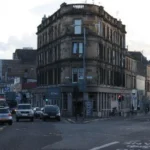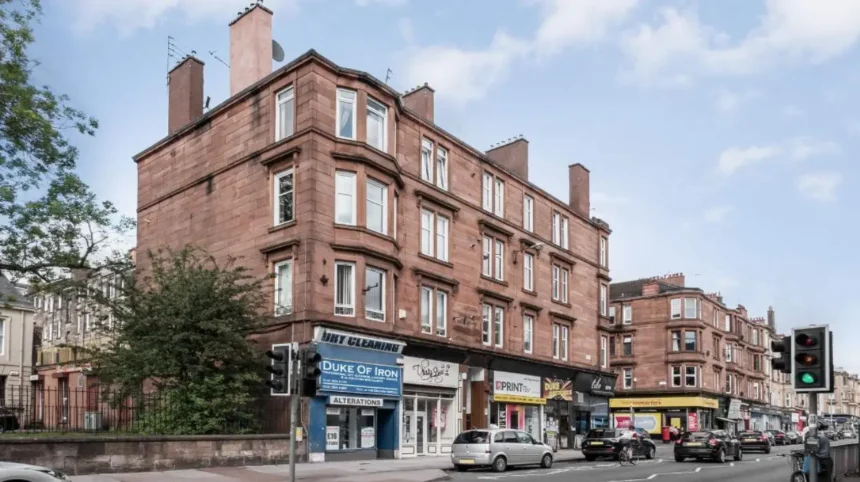
Dennistoun is an established residential district in Glasgow’s East End, located close to the city centre and recognised for Victorian tenements, local shopping streets, railway stations, parks, cafés and community facilities. The area combines historic housing with a contemporary urban lifestyle.
- What is Dennistoun like to live in?
- How did Dennistoun develop?
- What types of homes are available in Dennistoun?
- How much does it cost to rent in Dennistoun?
- How good is public transport in Dennistoun?
- What shops and services are available in Dennistoun?
- What parks and outdoor spaces are near Dennistoun?
- What is daily life like for students and young professionals?
- Is Dennistoun suitable for families?
- What should renters check before moving to Dennistoun?
- Why is Dennistoun important for Glasgow’s future?
The neighbourhood is centred around streets including Duke Street, Alexandra Parade, Whitehill Street, Craigpark Drive, Finlay Drive, Armadale Street and Meadowpark Street. Dennistoun Community Council identifies Haghill, Milnbank, The Drives, Reidvale, Broompark, Westercraigs, Dennistoun Village, Hanson Park, Ladywell, Wellpark and Drygate within its wider community council area.
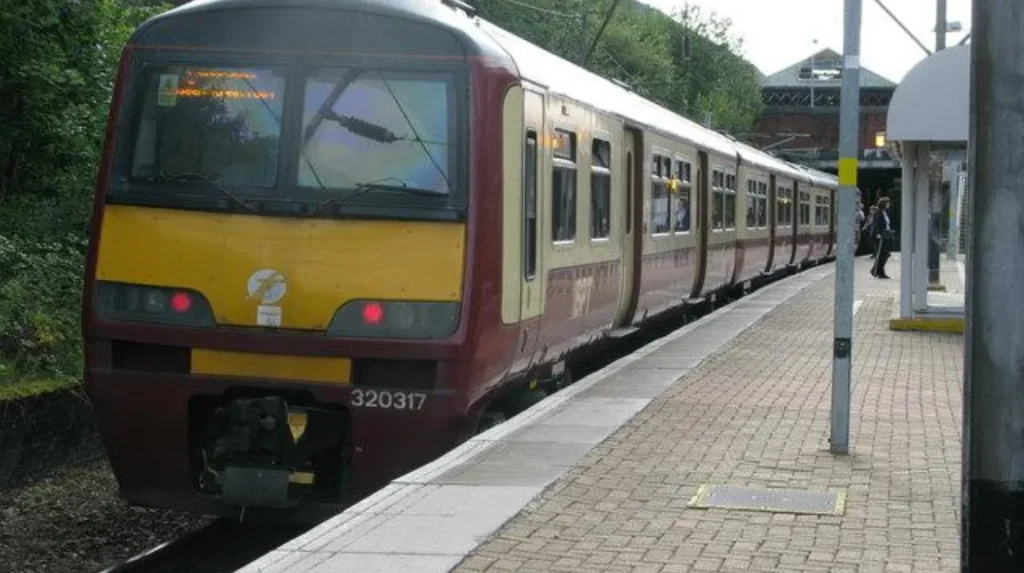
Dennistoun has strong transport connections through Bellgrove, Duke Street and Alexandra Parade railway stations. It also has frequent bus connections and direct road links towards Glasgow city centre and the wider East End.
Housing remains one of the defining features of living in Dennistoun. Victorian and Edwardian tenements dominate many streets, while converted flats, modern developments and traditional terraces provide additional housing types.
Rental costs need to be assessed against the wider Greater Glasgow market because official Scottish Government statistics are generally published by Broad Rental Market Area rather than individual neighbourhood. In the year to September 2025, average Greater Glasgow rent for a two-bedroom property was £1,094 per month, while the Scottish average was £921.
What is Dennistoun like to live in?
Dennistoun is a dense inner-city Glasgow neighbourhood with historic tenements, independent businesses, railway stations, parks and community facilities. Its location east of the city centre provides short urban journeys while its Victorian streets create a distinctive residential environment.
Dennistoun sits close to Glasgow city centre and forms part of the wider East End. Its built environment reflects the expansion of Glasgow during the nineteenth and early twentieth centuries.
The area has a strong residential identity. Ground-floor shops and commercial premises appear beneath many traditional tenement blocks, particularly along Duke Street and Alexandra Parade. Glasgow City Council planning documents identify Alexandra Parade as a local town centre with retail, professional services and food businesses.
The neighbourhood also has several distinct micro-areas. The Drives around Craigpark Drive and Broompark Drive contain some of the area’s most recognisable historic residential architecture. Areas around Duke Street and Bellgrove have a more urban streetscape, with larger tenements and commercial premises.
Dennistoun is also connected to several important Glasgow destinations. The city centre lies west of the neighbourhood, while Alexandra Park and the wider East End lie towards the east.
The area therefore suits residents who want an established urban neighbourhood rather than a suburban setting. Daily life is based around walking, public transport, local shopping and nearby city-centre services.
How did Dennistoun develop?
Dennistoun developed from country estates into a planned nineteenth-century suburb and later became predominantly a tenement neighbourhood. Alexander Dennistoun and architect James Salmon shaped the early layout, while Victorian urban growth transformed the area into a dense residential district.
The history of Dennistoun begins with estates that stood outside the densely developed core of Glasgow. The Glasgow Story records that the area was about one mile east of George Square and included country estates associated with affluent Glasgow merchants during the early nineteenth century.
Alexander Dennistoun became central to the area’s development. In 1854, architect James Salmon prepared a planned development for Dennistoun. The original concept included detached and terraced villas designed to attract middle-class residents.
The development changed as Glasgow expanded. Competition from other suburbs and increasing demand for housing resulted in more tenement construction. By the 1870s, tenements had become the dominant building type.
The surviving street pattern reflects this evolution. Broompark Drive, Craigpark Drive, Whitehill Street and surrounding roads retain elements of the original planned suburb. The area’s western and southern sections contain particularly notable examples of Victorian architecture.
Dennistoun’s housing history is closely connected with Glasgow’s wider industrial expansion. Population growth created substantial demand for urban housing, while private builders developed large numbers of flats.
The neighbourhood also developed a relationship with local transport infrastructure. Railway stations and major roads strengthened connections between Dennistoun, the city centre and Glasgow’s eastern districts.
Today, this history remains visible in sandstone tenements, terraces, closes, decorative stonework and traditional street layouts. The Dennistoun Conservation Area protects part of the neighbourhood’s historic character. Glasgow planning documentation confirms the area’s conservation status and associated controls on alterations to historic buildings.
What types of homes are available in Dennistoun?
Dennistoun housing is dominated by traditional sandstone tenements, with additional terraces, converted flats and newer residential buildings. Properties range from compact one-bedroom flats to larger two- and three-bedroom homes, while architectural character varies between individual streets and developments.
Traditional tenement flats form the core of the local housing stock. These buildings generally contain several flats arranged around shared closes and stairwells.
Many properties have high ceilings, large windows, generous room proportions and sandstone façades. Internal layouts vary according to construction date and individual refurbishment.
One-bedroom flats provide an important part of the rental market. These properties often appeal to single residents and couples seeking proximity to Glasgow city centre.
Two-bedroom flats provide more space and suit couples, small households and people working from home. Larger three-bedroom properties are also available, although supply is more limited.
The Drives contain some of the most distinctive traditional residential architecture. Craigpark Drive, Broompark Drive, Finlay Drive and Whitehill Street feature historic buildings with decorative architectural details.
Modernisation has changed many traditional flats. Kitchens, bathrooms, heating systems, windows and insulation have been upgraded in individual properties. The condition of each building therefore varies considerably.
Residents should assess the communal stair, roof, close, stonework and common maintenance arrangements alongside the condition of the individual flat. Traditional tenements operate differently from modern apartment blocks because shared areas form an important part of building maintenance.
Conservation-area status also matters. Glasgow planning policy requires development affecting conservation areas to respect historic character, materials and significant architectural features.
How much does it cost to rent in Dennistoun?
Dennistoun rents sit within the wider Greater Glasgow rental market, where average advertised rents in 2025 reached £865 for one-bedroom properties, £1,094 for two-bedroom properties and higher levels for larger homes. Individual Dennistoun properties vary by size and condition.
There is no official Scottish Government average specifically for Dennistoun. The most useful official benchmark is the Greater Glasgow Broad Rental Market Area.
For the year ending September 2025, the average Greater Glasgow rent was £865 per month for a one-bedroom property. The average two-bedroom rent was £1,094. These figures represented increases of 9.0% and 6.8% respectively compared with 2024.
The Greater Glasgow two-bedroom average increased from £564 in 2010 to £1,094 in 2025. That represents a 94.0% increase over the period. The figure demonstrates the long-term rise in rental costs across the wider market.
These figures should not be treated as exact Dennistoun asking rents. Official statistics are based predominantly on advertised rents and cover broad rental areas rather than individual streets.
Actual Dennistoun prices depend on property size, furnishing, condition, location and building quality. A refurbished tenement close to a railway station has different rental characteristics from an older property requiring substantial improvements.
Renters should also budget for energy, broadband, council tax where applicable and household insurance. These costs sit outside the advertised monthly rent.
Scotland’s private residential tenancy system provides important protections. Almost all new private tenancies in Scotland have been private residential tenancies since 1 December 2017. They are open-ended rather than fixed-term agreements.
Under current Scottish Government guidance, landlords generally must provide at least three months’ notice for a rent increase, and rent can normally be increased only once in a 12-month period. Tenants have routes to challenge certain increases through Rent Service Scotland.
The Scottish Government also introduced further private-renting changes during 2026. From 1 May 2026, discrimination against tenants because they have children or receive benefits became an offence under the new rules.
How good is public transport in Dennistoun?
Dennistoun has strong public transport connections through Bellgrove, Duke Street and Alexandra Parade railway stations, supported by local bus services. Bellgrove provides particularly fast access to Glasgow Queen Street, while major roads connect the neighbourhood with the city centre and East End.
Rail is one of the strongest transport features of Dennistoun. The neighbourhood community council identifies Bellgrove, Duke Street and Alexandra Parade as railway stations serving the area.
Duke Street station is directly within Dennistoun on Duke Street. ScotRail lists the station with ticket facilities, seating, accessible ticket machines and passenger information services.
Bellgrove provides an especially useful city-centre connection. ScotRail lists the average journey from Bellgrove to Glasgow Queen Street at approximately five minutes, with direct trains and frequent daily services.
Alexandra Parade station provides another rail option for residents in the northern and eastern parts of the neighbourhood. The availability of several stations means transport access varies by street but remains strong across much of Dennistoun.
Buses provide an additional network. Services operate along major corridors including Alexandra Parade and Duke Street, connecting Dennistoun with other parts of Glasgow.
Walking also forms an important part of local transport. The compact urban layout places shops, cafés, railway stations and residential streets within relatively short distances of one another.
Cycling is another practical transport option for some residents. The area’s position close to the city centre makes active travel relevant for commuting, although route conditions vary by street.
Car ownership is possible but parking conditions differ between streets. Residents should check parking restrictions, permits and building-specific arrangements before choosing a property.
What shops and services are available in Dennistoun?
Dennistoun has local shopping and everyday services concentrated around Alexandra Parade, Duke Street and smaller neighbourhood streets. The area includes food shops, cafés, restaurants, professional services, health services and convenience businesses serving residents throughout the day.
Alexandra Parade functions as one of the area’s principal commercial corridors. Glasgow City Council describes the Alexandra Parade Local Town Centre as a location containing retail and commercial premises, professional services and food-related businesses.
Duke Street also has a long-established commercial role. Historic tenement buildings along the street include ground-floor commercial units beneath residential flats.
Local services cover everyday needs rather than functioning solely as a destination shopping district. Residents can access convenience shopping, food businesses, cafés, personal services and professional services within the neighbourhood.
The commercial landscape has changed alongside residential demand. Traditional shops occupy some tenement ground floors, while newer cafés, restaurants and independent businesses have expanded the range of local services.
Food and drink form an important part of contemporary Dennistoun. Cafés and restaurants operate alongside established shops and services, creating activity along the main streets during daytime and evening periods.
Residents also have access to larger retail destinations elsewhere in Glasgow. Parkhead and the wider East End provide additional shopping facilities, while Glasgow city centre provides a much larger concentration of national retailers and specialist services.
The practical advantage of local shopping is reduced dependence on the city centre for routine purchases. The limitation is that specialist retail remains concentrated elsewhere.
What parks and outdoor spaces are near Dennistoun?
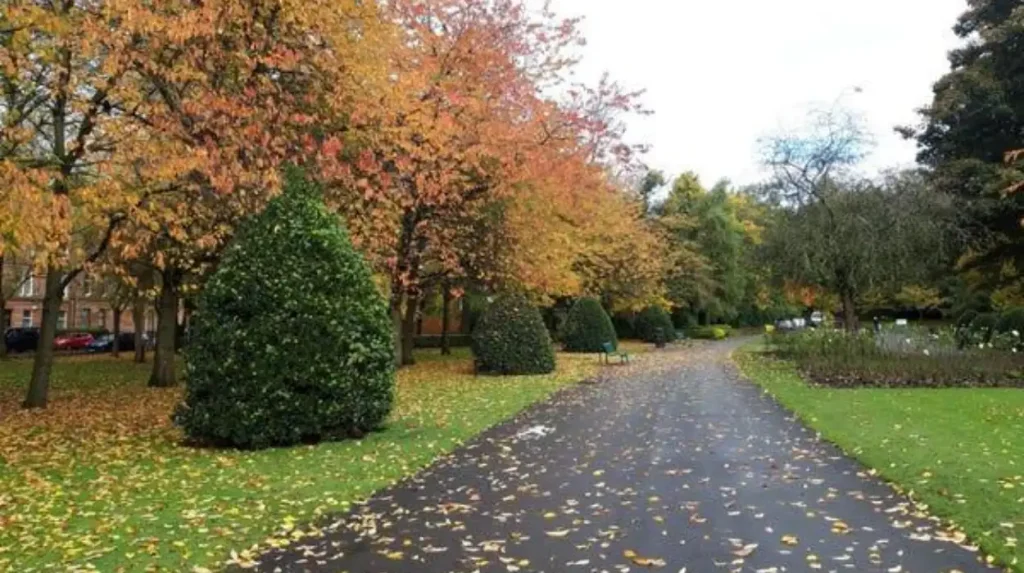
Dennistoun has direct access to Alexandra Park and several smaller green spaces, providing opportunities for walking, recreation, sport and everyday outdoor activity. Alexandra Park covers about 102 acres and includes facilities such as sports areas and community amenities.
Alexandra Park is the principal large green space associated with Dennistoun. Glasgow City Council records describe the park as covering 102 acres and note its opening in 1870.
The park was named after Princess Alexandra, wife of the future King Edward VII. Its history is closely connected with the development of the surrounding East End.
Alexandra Park provides a significant contrast to Dennistoun’s dense tenement streets. Its open landscape supports walking, recreation and informal outdoor activity.
Facilities have included a golf course, bowling greens, a mountain bike course and a community hub.
Smaller green spaces are distributed through the neighbourhood. Hogarth Park and local landscaped areas provide additional outdoor options, although they are substantially smaller than Alexandra Park.
The proximity of these spaces is relevant to everyday living. Residents do not need to travel across Glasgow to access a large public park.
Outdoor access also supports active travel. Walking through local streets and using Alexandra Park provides an alternative to purely indoor leisure activities.
For families, the park provides additional recreational space. For runners and walkers, it provides routes away from the busiest commercial streets. For residents without cars, its location within the neighbourhood makes it particularly accessible.
What is daily life like for students and young professionals?
Dennistoun has a substantial urban lifestyle infrastructure for students and young professionals, combining relatively central housing with railway access, cafés, restaurants, local shops and proximity to Glasgow’s universities and city-centre employment districts.
Dennistoun’s location is important for people studying or working in central Glasgow. The neighbourhood sits close to the city centre while retaining a predominantly residential character.
Rail connections strengthen this advantage. Bellgrove’s direct connection to Glasgow Queen Street takes approximately five minutes on the average timetable cited by ScotRail.
The area’s cafés and food businesses also support flexible daily routines. Residents can access places for coffee, meals and informal meetings without travelling into the city centre.
Traditional flats provide another attraction for younger renters. Many properties contain one or two bedrooms and sit within converted or refurbished tenement buildings.
Students should assess travel times to their specific campus rather than relying only on the neighbourhood’s city-centre location. Glasgow has multiple university campuses, including the University of Glasgow, Glasgow Caledonian University and the University of Strathclyde.
Young professionals also benefit from access to central employment areas. Glasgow’s city-centre business district, retail core, cultural venues and transport hubs are all relatively close.
The area is also undergoing continuing community and infrastructure activity. Glasgow City Council’s Dennistoun Area Partnership continues to address neighbourhood investment, community engagement and local improvement projects. Its 2026 agendas include the Pride in Place programme and Neighbourhood Infrastructure Improvement Fund updates.
Is Dennistoun suitable for families?
Dennistoun provides family housing, schools, parks, local services and public transport within a dense urban setting. Family suitability varies by street and property because traditional tenements differ in floor level, internal layout, shared access, storage, outdoor space and parking arrangements.
Families considering Dennistoun should begin with the property rather than the neighbourhood name alone. Tenement flats differ considerably in size, room configuration and access.
Ground-floor properties can provide easier access for pushchairs, while upper-floor flats often have better views and different levels of natural light. Many traditional buildings do not have lifts.
Alexandra Park is a major family amenity. Its large open space provides room for walking, recreation and outdoor activities.
Local schools serve the wider East End, but catchment arrangements depend on the exact property address. Families should check current Glasgow City Council school information before signing a tenancy or purchasing a property.
Healthcare access is also available through Glasgow’s wider urban service network. Residents should identify their nearest GP practice, pharmacy and other required services based on their address.
Parking requires particular attention for families with cars. Traditional tenement streets have developed around older urban layouts rather than modern household vehicle ownership.
Storage can also differ sharply between flats. Some properties have cupboards, cellars or other storage arrangements, while others provide limited space.
Families should therefore inspect common stairs, entry systems, bins, outdoor areas and parking alongside the interior of the flat. These shared features directly affect everyday living in traditional Glasgow tenements.
Explore More Area Guide
Living in Glasgow City Centre: Pros, Cons and Costs
Best Glasgow Areas for Students: Hillhead, Partick & Shawlands
What should renters check before moving to Dennistoun?
Renters should check the exact property, landlord registration, tenancy terms, deposit protection, rent-increase provisions, building condition, transport access, parking and local services before moving to Dennistoun. Traditional tenements require additional attention to communal maintenance and building condition.
The first step is to verify the tenancy. Scottish Government guidance states that landlords must provide tenancy terms in writing and that private residential tenancies are generally open-ended.
Renters should confirm the monthly rent, deposit, included bills and responsibility for utilities before signing.
A deposit for a private residential tenancy cannot exceed two months’ rent. Where a deposit is taken, the landlord must protect it through an approved tenancy deposit scheme within the required period.
The building itself deserves careful inspection. Check the roof, external stonework, windows, communal stair, entrance door, damp, ventilation and heating.
Traditional sandstone buildings can require specialist maintenance. Glasgow planning guidance notes that many historic buildings use sandstone and traditional lime-based pointing systems, making appropriate repair methods important.
Renters should also inspect noise levels. Flats above commercial premises, near main roads or close to busy railway routes have different acoustic conditions from quieter residential streets.
Transport access should be assessed according to the exact address. A property advertised as being in Dennistoun can sit much closer to Duke Street, Alexandra Parade or Bellgrove than another property elsewhere in the wider area.
Local amenities should also be tested in practical terms. Identify the nearest supermarket, pharmacy, GP practice, railway station, bus stop and green space.
Finally, check current Scottish renting rules because housing legislation continues to change. The Scottish Government lists further reforms scheduled for 2027, including changes to rent adjudication and joint-tenancy procedures.
Why is Dennistoun important for Glasgow’s future?
Dennistoun remains important because it combines historic housing, established community infrastructure, strong public transport and proximity to central Glasgow. Future relevance depends on maintaining older buildings, improving neighbourhood infrastructure and balancing residential demand with conservation and local services.
Dennistoun demonstrates how Glasgow’s historic suburbs continue to function as modern residential districts. Its Victorian housing stock remains occupied rather than existing solely as heritage architecture.
The neighbourhood’s transport connections strengthen its position within the wider Glasgow urban system. Bellgrove, Duke Street and Alexandra Parade provide rail access, while buses and major roads extend connectivity.
Housing demand creates both opportunities and pressures. Greater Glasgow rents increased substantially over the longer term, with the official average two-bedroom rent reaching £1,094 in 2025.
Conservation creates another long-term consideration. Historic buildings require maintenance, but changes to windows, façades, extensions and other external features can be subject to planning controls within conservation areas.
Local investment is also continuing. Glasgow City Council’s Dennistoun Area Partnership has active programmes covering neighbourhood infrastructure, community engagement and local improvement work.
For residents, the future of Dennistoun therefore depends on several connected factors: housing supply, rental affordability, building maintenance, transport quality, local commerce, green-space provision and community investment.
Dennistoun’s existing urban structure provides a strong foundation for continued residential use. Its combination of traditional architecture and central accessibility makes it a significant part of Glasgow’s East End housing landscape.
Is Dennistoun a good place to live in Glasgow?
Dennistoun is a well-connected residential neighbourhood in Glasgow’s East End. It has Victorian tenements, local shops, cafés, restaurants, railway stations, parks and easy access to Glasgow city centre.