
Living in Glasgow involves housing, transport, food, energy, council tax and other everyday expenses. To assess whether Glasgow is expensive, it is important to compare local wages, rental costs and household spending with other major UK cities, particularly Edinburgh, Manchester and London.
- What Is the Average Cost of Living in Glasgow?
- Is Glasgow Cheaper Than London and Edinburgh?
- How Much Does Rent Cost in Glasgow?
- Which Glasgow Neighbourhoods Have Different Housing Costs?
- Is Sharing Accommodation Cheaper in Glasgow?
- Is Buying a House in Glasgow Affordable?
- How Much Do Council Tax and Household Bills Cost in Glasgow?
- Is Food Expensive in Glasgow?
- Is Public Transport Affordable in Glasgow?
- How Much Do Students Need to Live in Glasgow?
- Is Glasgow Affordable for Families?
- How Much Do Salaries Need to Cover Living Costs in Glasgow?
- Is Glasgow Expensive for International Residents and Newcomers?
- How Can Residents Reduce the Cost of Living in Glasgow?
- How Have Living Costs in Glasgow Changed Over Time?
- Is Glasgow a Good Value City to Live In?
What Is the Average Cost of Living in Glasgow?
The cost of living in Glasgow depends on accommodation, household size, transport and lifestyle. Housing usually represents the largest expense. Renters, homeowners, students and families face different budgets, while sharing accommodation and living outside central neighbourhoods reduces monthly spending.
Glasgow is Scotland’s largest city by population and a major centre for employment, education, healthcare, retail and culture. Its economy attracts students, professionals, families and international residents. These factors create demand for housing, transport and everyday services.
The main cost categories include:
- Housing, including rent or mortgage payments.
- Household bills, including electricity, gas, water-related charges and internet.
- Food, groceries and occasional restaurant meals.
- Public transport, cycling expenses or private car ownership.
- Council tax, insurance, healthcare-related spending and personal expenses.
According to the Office for National Statistics (ONS), Glasgow’s average house price was approximately £194,000 in August 2026. Average private rent across the wider Greater Glasgow rental market reached £1,266 per month in September 2026. These figures provide useful context for understanding the city’s housing costs, although they represent different geographical areas and property markets.
A single person renting a room and a family renting a three-bedroom property have substantially different budgets. The number of people sharing rent, the distance from work and the need for a car also affect total spending.
Is Glasgow Cheaper Than London and Edinburgh?
Glasgow generally offers lower housing costs than London and Edinburgh, although the difference depends on neighbourhood and property size. Rent, purchase prices, commuting requirements and income determine the actual affordability of each city for residents.
London has substantially higher housing costs than most UK cities, particularly in central and well-connected neighbourhoods. Edinburgh also has a comparatively expensive property market, influenced by its employment opportunities, universities, tourism and limited housing availability in popular areas.
Glasgow provides an alternative for people seeking a large urban economy without paying the same housing premiums associated with London. It also offers access to universities, hospitals, major employers, cultural venues and public transport.
The ONS reported an average Glasgow house price of £194,000 in August 2026. In the same month, the average price in Edinburgh was approximately £301,000. This difference indicates that buying a home in Glasgow generally requires a lower initial property budget.
However, purchase prices alone do not determine affordability. A resident earning a lower salary in Glasgow can experience greater financial pressure than a higher-paid resident in Edinburgh. Employment sector, household income, mortgage rates and commuting costs all influence disposable income.
This comparison is most useful when housing, earnings and commuting are assessed together. A cheaper property far from work does not automatically produce a lower total monthly cost.
How Much Does Rent Cost in Glasgow?
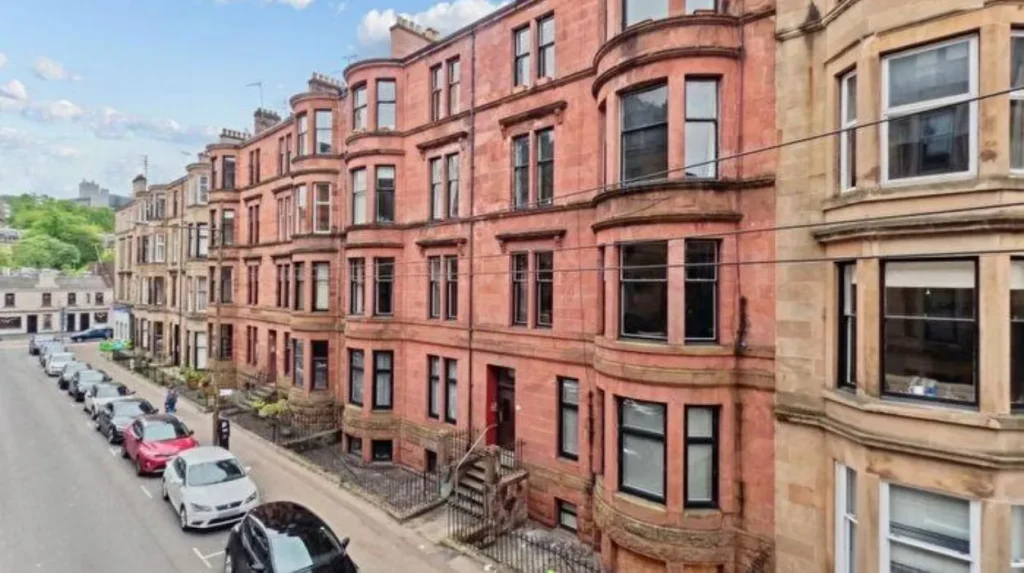
Rent is one of the largest expenses for Glasgow residents. The official Greater Glasgow rental market recorded average monthly rent of £845 for a one-bedroom property and £1,091 for a two-bedroom property in September 2026, with larger homes costing more.
The ONS publishes private rental statistics for Greater Glasgow, a broad rental market area that includes locations beyond Glasgow City Council’s boundaries. These figures primarily reflect rents for properties entering the rental market, rather than every existing tenancy.
September 2026 figures show the following average monthly rents across Greater Glasgow:
- One-bedroom property: £845.
- Two-bedroom property: £1,091.
- Three-bedroom property: £1,340.
- Four-bedroom or larger property: £2,284.
These averages provide a starting point for budgeting. Actual listings differ according to location, furnishing, condition, energy efficiency, property type and proximity to transport links.
Which Glasgow Neighbourhoods Have Different Housing Costs?
Glasgow contains a wide range of residential neighbourhoods, from central apartments to suburban family housing. Areas such as the West End, including Hillhead and Hyndland, attract students and professionals because of their university connections, cafés, restaurants and transport links.
The city centre offers apartments close to offices, shopping streets and rail stations. Finnieston provides access to restaurants, entertainment venues and the SEC campus. Southside neighbourhoods, including Shawlands and Pollokshields, offer different property types and connections to the city centre.
East End neighbourhoods, including Dennistoun, provide another option for residents comparing apartment prices and commuting distances. Greater Glasgow suburbs also offer alternatives for households seeking additional space.
These are broad location characteristics, not a definitive ranking of the cheapest areas. Rental listings change, and two properties on the same street can have different prices.
Is Sharing Accommodation Cheaper in Glasgow?
Sharing accommodation generally reduces an individual’s housing costs because several residents divide the rent and household bills. For example, two people sharing a £1,000 monthly two-bedroom property pay £500 each in rent before utilities and other expenses.
A person renting a room in a shared flat also avoids paying the entire rent alone. However, room prices depend on the property, location, tenancy arrangements and whether bills are included.
Before signing a tenancy agreement, residents should check the total monthly payment, deposit requirements, council tax arrangements, included utilities and responsibility for repairs. In Scotland, private residential tenancies have specific legal protections, and tenants should understand their rights before committing to a property.
Is Buying a House in Glasgow Affordable?
Buying a house in Glasgow generally requires less capital than buying in Edinburgh, based on recent official average prices. Affordability still depends on the deposit, mortgage interest rate, household earnings, property condition and additional purchase costs.
The ONS recorded Glasgow’s average house price at £194,000 in August 2026, while the average price paid by first-time buyers was approximately £175,000. Both figures were provisional at the time of publication.
These figures describe completed property transactions rather than asking prices. They also do not mean every home is available at the average price.
A prospective buyer needs to budget for several expenses beyond the property’s purchase price:
- Deposit and mortgage repayments.
- Home surveys and any required repairs.
- Solicitor fees and other conveyancing expenses.
- Moving costs, insurance and furnishing.
- Applicable property transaction taxes.
Scotland uses Land and Buildings Transaction Tax (LBTT) for qualifying property purchases. First-time buyer relief and other tax rules depend on eligibility and the purchase price. Buyers should check the current Scottish Government guidance before calculating their total costs.
Mortgage affordability also depends on interest rates and lender criteria. A property with a manageable purchase price can still become expensive if the buyer has a small deposit, high borrowing costs or significant existing debts.
How Much Do Council Tax and Household Bills Cost in Glasgow?
Council tax and household bills add significantly to the monthly cost of living in Glasgow. The amount depends on the property’s council tax band, household circumstances, energy consumption, tariff, water arrangements and internet package rather than one standard citywide bill.
Council tax is a local charge used to support council services. Glasgow City Council assigns properties to council tax bands, with the bill determined by the relevant annual rates and any applicable discounts or exemptions.
A single adult living alone generally qualifies for a 25% council tax discount if the property meets the eligibility rules. Other circumstances, including student status and certain disability-related provisions, can affect liability.
Household bills also include electricity, gas where supplied, broadband and mobile services. Energy consumption varies according to the property’s size, insulation, heating system and the number of occupants.
What Household Expenses Should Residents Include?
A realistic household budget should account for recurring and irregular expenses rather than rent alone.
Electricity and gas costs rise when residents use more heating or hot water. Poor insulation and older heating systems also affect consumption. Glasgow’s cool, wet climate makes heating efficiency relevant throughout the colder months.
Broadband prices depend on connection type, provider, contract length and speed. Mobile bills depend on data allowance and whether the resident uses a SIM-only plan or a handset contract.
Water and sewerage charges in Scotland are generally collected through council tax bills for households connected to the public supply, rather than billed separately in the same way as in many parts of England. The precise arrangement depends on the property and circumstances.
Residents should compare actual bills and current tariffs before estimating their total monthly expenses. A household in a well-insulated flat with efficient heating has a different energy budget from a family occupying a large, poorly insulated house.
Is Food Expensive in Glasgow?
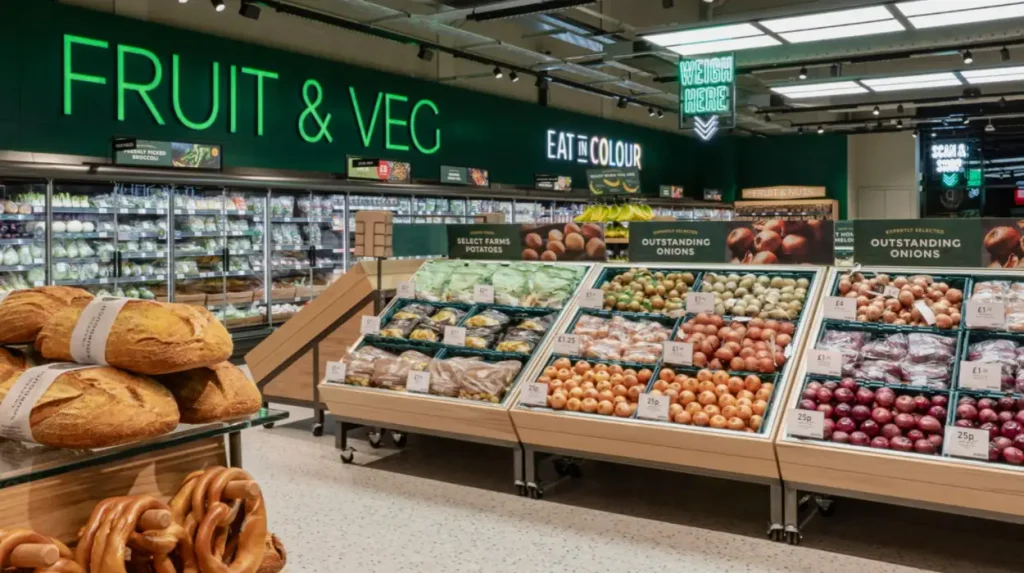
Food costs in Glasgow depend on household size, shopping habits, dietary requirements and how often residents eat out. Supermarkets, discount retailers, local shops and markets provide different options, while regular restaurant meals increase monthly spending.
Groceries are a recurring expense for every household. Essential purchases include bread, rice, pasta, vegetables, fruit, dairy products, meat or plant-based alternatives, cooking ingredients and household consumables.
Shopping at larger supermarkets often allows residents to compare prices across product ranges. Discount supermarkets provide lower-cost alternatives for many everyday items, while convenience shops can charge more for selected products.
Cooking at home usually offers greater control over spending than buying prepared meals. Planning weekly menus, comparing unit prices and reducing food waste also help households manage their budgets.
How Much Does Eating Out Add to Living Costs?
Glasgow has a varied food scene, including cafés, takeaway businesses, traditional Scottish restaurants, international cuisines and fine-dining establishments. Prices differ according to location, service, portion size and the type of venue.
A person who buys lunch and coffee every working day spends considerably more than someone who prepares meals at home. Families also need to consider the combined cost of restaurant meals for several people.
Food spending should therefore be estimated from actual weekly habits. A useful method is to calculate the usual grocery budget, add expected takeaway and restaurant spending, and allow a separate amount for occasional social meals.
Is Public Transport Affordable in Glasgow?
Public transport helps Glasgow residents travel without the cost of owning a car. The city has a subway, bus services and rail connections, although total travel spending depends on journey frequency, ticket type, commuting distance and the availability of suitable routes.
Glasgow’s transport network connects residential neighbourhoods with the city centre, employment districts, shopping areas, universities and surrounding towns.
The Glasgow Subway serves a circular route with stations around the central area and the West End. Local and regional rail services provide additional connections, while buses serve routes that are not directly covered by the subway.
Transport Scotland’s Scottish Transport Statistics 2025 reported that average weekly Scottish household expenditure on transport and vehicles was £75.90 during 2022–2024. This represented 15.2% of total household expenditure. The figure covers transport and vehicles across Scotland, not Glasgow public transport fares alone.
Does Glasgow Require a Car?
A car is not essential for every Glasgow resident. People living near subway stations, railway stations or frequent bus routes can often commute using public transport.
Car ownership introduces additional expenses, including insurance, fuel, vehicle tax, servicing, repairs, parking and depreciation. Transport Scotland’s statistics show that vehicle-related costs account for a substantial share of Scottish household transport spending.
A car can still be useful for shift workers, families travelling to locations with limited public transport, and residents whose jobs require driving. The right decision depends on the actual journey rather than the distance shown on a map.
Residents should compare monthly public transport costs against the complete cost of owning a vehicle. A low-cost property requiring a daily car commute does not always produce the cheapest overall budget.
How Much Do Students Need to Live in Glasgow?
Students in Glasgow need to budget for accommodation, groceries, transport, study materials and personal expenses. Total spending depends on whether they live in university accommodation, rent privately, share a flat or live with family while attending university.
Glasgow attracts domestic and international students through institutions including the University of Glasgow, the University of Strathclyde and Glasgow Caledonian University. Their accommodation choices have a direct effect on living costs.
University-managed accommodation often combines rent with selected services or utilities, depending on the contract. Private rentals offer different levels of independence but require students to check deposits, bills, tenancy terms and commuting expenses.
Students should distinguish tuition fees from living costs. Tuition fees depend on the institution, course and fee status. Rent, food and transport remain separate expenses and need their own budgets.
Which Student Expenses Matter Most?
Accommodation is usually the most important expense to calculate first. Students living in shared accommodation can divide rent and household bills, while those renting individual flats carry more of the total cost themselves.
Other expenses include books, computers, printing, mobile phone contracts, laundry and course-specific equipment. Students who work part-time should also account for travel to work and any changes in income during academic holidays.
Glasgow’s museums, parks, libraries and public cultural facilities provide opportunities for low-cost leisure. Student discounts are available from selected transport providers, entertainment venues and retailers, subject to eligibility and current terms.
International students should also budget for immigration-related charges where applicable, initial accommodation costs, travel to Scotland and expenses associated with setting up a new home.
Is Glasgow Affordable for Families?
Glasgow offers families different housing and lifestyle options, but affordability depends on household income, property size, childcare, transport and energy use. Families need to calculate shared essentials alongside individual expenses such as school supplies, clothing, activities and healthcare-related costs.
Families generally require more space than single residents. A two-bedroom flat can suit a small household, while larger families often need three or more bedrooms. The ONS recorded average Greater Glasgow rents of £1,091 for two-bedroom properties and £1,340 for three-bedroom properties in September 2026.
These figures help illustrate how accommodation costs change with property size. Actual rents vary by neighbourhood, condition and availability.
Childcare can represent another major expense for parents with young children. Costs depend on the child’s age, provider, attendance hours and eligibility for funded early learning and childcare. Families should consult the Scottish Government and Glasgow City Council for current entitlement rules.
School-related costs include uniforms, transport where needed, lunches, stationery and extracurricular activities. State-funded school education does not remove every expense associated with raising children.
What Family Benefits and Support Should Residents Check?
Eligible households should check entitlement to Child Benefit, Universal Credit, Scottish Child Payment and other relevant support. Eligibility depends on individual circumstances, income, residency requirements and current programme rules.
Council tax reductions, childcare support and disability-related assistance also affect some household budgets. Residents should use official government guidance rather than assuming that every household qualifies.
A family budget should include irregular costs such as replacing appliances, repairing a vehicle, buying winter clothing and paying for school holidays. Setting aside a monthly amount for these expenses reduces the risk of unexpected bills disrupting essential spending.
How Much Do Salaries Need to Cover Living Costs in Glasgow?
A salary is sufficient for living in Glasgow when take-home pay covers housing, utilities, food, transport, essential commitments and savings. The required income varies with rent, household size, tax deductions, pension contributions and employment benefits.
Glasgow has employment opportunities in healthcare, education, financial services, retail, hospitality, public administration, engineering and technology. These sectors have different pay structures, qualifications and career prospects.
A graduate entering an entry-level position has a different budget from an experienced professional working in a specialised role. Part-time workers also need to account for variations in working hours and monthly earnings.
Gross salary is not the same as disposable income. Income tax, National Insurance, pension contributions and student loan repayments can reduce the amount available for everyday spending. Scottish income tax bands differ from those in the rest of the UK for relevant non-savings and non-dividend income.
How Can Residents Calculate an Affordable Budget?
Residents should start with their monthly take-home income and subtract fixed essential expenses. These include rent or mortgage payments, council tax, energy bills, transport, insurance and minimum debt repayments.
The remaining amount must cover food, personal purchases, social activities, savings and irregular expenses. If essential costs consume nearly all take-home pay, the household has limited protection against rent increases, repairs or a temporary loss of income.
For renters, a useful starting point is to compare different properties by their complete monthly cost rather than rent alone. A property with a slightly higher rent but lower commuting and heating expenses can sometimes produce a more manageable total budget.
For households with variable income, planning against a conservative monthly earnings estimate provides a stronger basis for decisions about housing and other long-term commitments.
Is Glasgow Expensive for International Residents and Newcomers?
Glasgow’s housing costs are lower than Edinburgh’s in recent official purchase-price data, but newcomers still need money for deposits, initial rent, household essentials, travel and administrative arrangements. Their costs depend on immigration status, employment and accommodation choices.
New residents often face higher initial expenses than established households. A move requires transport, temporary accommodation where necessary, household equipment and potentially several months of savings to cover the period before regular income begins.
Private landlords and letting agents can request a tenancy deposit within the applicable Scottish legal limits. Prospective tenants should confirm the payment terms, deposit protection arrangements and tenancy agreement before transferring money.
International residents also need to understand their rights and obligations concerning work, healthcare, taxation and immigration. The requirements vary according to visa status and personal circumstances.
Which Initial Costs Should Newcomers Plan For?
A relocation budget should separate one-off costs from recurring monthly expenses.
One-off costs include travel to Glasgow, moving belongings, initial furniture purchases and household setup. Recurring costs include rent, council tax where applicable, utilities, groceries, commuting and mobile services.
People arriving without employment should maintain sufficient funds for an extended job search. Those arriving for work should also check their first payday, payroll deductions and whether their employer provides relocation assistance.
Checking the neighbourhood before signing a tenancy agreement helps newcomers understand transport links, nearby shops, access to work and the likely cost of everyday journeys.
How Can Residents Reduce the Cost of Living in Glasgow?
Residents can reduce living costs in Glasgow by comparing rental properties, sharing accommodation, planning groceries, reviewing household tariffs and using suitable public transport. Savings depend on individual circumstances, and essential housing, heating and travel needs must remain adequately covered.
Housing decisions often provide the largest opportunity to reduce monthly expenditure. Comparing several neighbourhoods and property sizes helps residents identify a suitable balance between rent, travel time and household space.
Sharing a property reduces the amount of rent and utilities paid by each person. However, residents should consider privacy, tenancy responsibilities and the reliability of other occupants before choosing this arrangement.
Food spending can be controlled through meal planning, supermarket price comparisons and home cooking. Buying only the quantities required also reduces waste.
Household energy bills can be managed by checking tariff terms, improving insulation where possible and using heating efficiently. Residents should avoid reducing heating to unsafe levels, particularly in households containing older people, infants or people with health-related needs.
Transport savings depend on regular journeys. Comparing pay-as-you-go fares with available passes helps commuters identify an appropriate ticket option. Walking or cycling for suitable journeys also reduces transport expenditure.
Other practical measures include reviewing subscriptions, comparing broadband contracts, using free public facilities and maintaining an emergency savings fund. These steps help households control spending without relying on unrealistic reductions in essential expenses.
Explore More Area Guide
Glasgow Cost of Living 2026: Rent, Bills & Salaries
Report a Parking Problem in Glasgow | Council Guide
How Have Living Costs in Glasgow Changed Over Time?
Glasgow’s living costs have changed alongside Scotland’s housing market, inflation, energy prices and transport expenses. Housing affordability remains important because rent and property prices influence how much income households retain for food, travel, savings and other essential spending.
Glasgow developed as a major industrial city during the eighteenth and nineteenth centuries. Shipbuilding, engineering, manufacturing and international trade shaped its employment patterns, population growth and housing development.
During the twentieth century, economic restructuring reduced the importance of traditional heavy industries. The city subsequently expanded its role in services, education, healthcare, finance, tourism and cultural industries.
These changes influenced residential demand. Regeneration projects, university districts, employment centres and improved transport connections increased the attractiveness of selected neighbourhoods.
The recent property market illustrates the continuing pressure on housing affordability. According to the Scottish Government’s Private Sector Rent Statistics, Scotland, 2010 to 2025, Greater Glasgow recorded a 6.8% annual increase in average two-bedroom rents in the year to September 2025. The same publication reported that rents for two-bedroom properties across Scotland reached £921 per month.
By September 2026, the ONS reported average Greater Glasgow rent of £1,266 across property sizes. This is a different measure from the two-bedroom figure and should not be interpreted as a direct comparison of identical properties.
What Do Rising Housing Costs Mean for Glasgow Residents?
Increasing housing costs reduce the income available for other household needs when earnings do not rise at the same rate. Renters entering the market can face different costs from established tenants whose rents reflect earlier agreements.
Higher property prices also affect first-time buyers because deposits and mortgage repayments depend on the purchase price and lending conditions.
These pressures make long-term financial planning important. Residents should assess housing costs alongside salary progression, transport requirements, household changes and potential increases in utility bills.
Is Glasgow a Good Value City to Live In?
Glasgow offers comparatively accessible housing costs against Edinburgh and London, alongside extensive employment, education, transport and cultural facilities. Its overall affordability depends on individual income, housing choices, household responsibilities and the balance between essential spending and disposable income.
Glasgow is a major Scottish urban centre with established residential neighbourhoods, universities, hospitals, shopping districts and public transport connections. These features support a range of living arrangements for students, professionals, families and retirees.
The city’s average property price of £194,000 in August 2026 was substantially below Edinburgh’s average of approximately £301,000 for the same month. However, average Greater Glasgow private rent reached £1,266 in September 2026, demonstrating that renting still represents a significant financial commitment.
The most reliable way to determine whether Glasgow is expensive is to calculate the complete cost of living for a particular household. Rent or mortgage payments, council tax, utilities, food, transport, childcare and other recurring expenses all affect affordability.
For people comparing UK cities, Glasgow deserves consideration because its housing market offers lower average purchase prices than Edinburgh, while providing access to a large urban economy. A well-planned budget and careful choice of neighbourhood help residents manage costs more effectively.