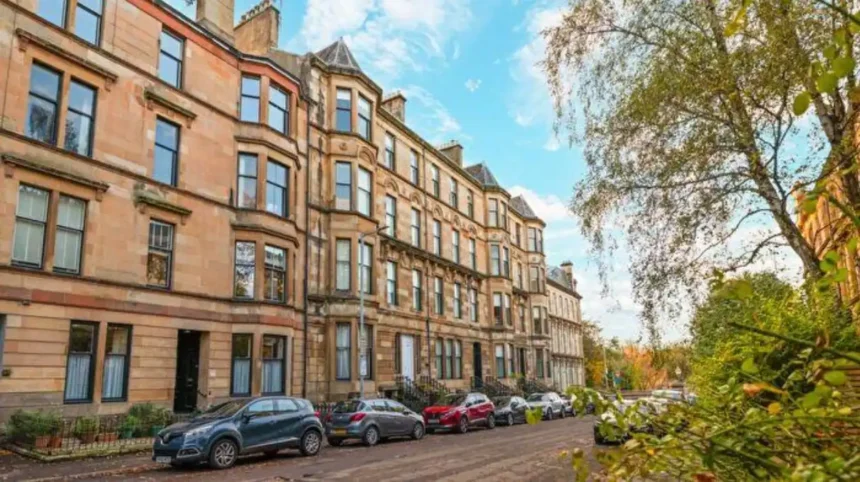
Living cheaply in Glasgow requires controlling housing, transport, food, energy and everyday spending. Scotland’s largest city offers affordable alternatives through shared accommodation, public transport, free attractions, community facilities and student discounts. Residents reduce monthly expenses by choosing well-connected neighbourhoods, planning grocery shopping and using local services.
- What Does Living Cheaply in Glasgow Actually Mean?
- Which Glasgow Neighbourhoods Are Best for Cheap Accommodation?
- Which Areas Offer More Affordable Housing?
- Is Sharing Accommodation Cheaper Than Renting Alone?
- What Should You Check Before Renting a Cheap Property?
- How Can You Reduce Council Tax and Household Water Charges in Glasgow?
- Can Single People Get a Council Tax Discount?
- Do Students Pay Council Tax in Glasgow?
- Can Low-Income Households Reduce Council Tax?
- How Much Are Water Charges in Glasgow?
- How Can You Save Money on Public Transport in Glasgow?
- Is the Glasgow Subway Affordable?
- How Can You Save Money on Glasgow Buses?
- Who Qualifies for Free Bus Travel in Scotland?
- Is Walking or Cycling Cheaper Than Driving?
- How Can You Spend Less on Groceries and Food in Glasgow?
- Which Supermarkets Are Useful for Budget Shopping?
- Why Is Meal Planning Important?
- How Can You Reduce Takeaway and Restaurant Spending?
- Are Local Food Support Services Available?
- How Can You Lower Electricity and Heating Bills in Glasgow?
- What Are the Best Ways to Reduce Heating Costs?
- Should You Compare Energy Suppliers?
- How Can Renters Save Energy Without Major Renovations?
- What Free Activities Can You Enjoy in Glasgow?
- Which Museums Are Free in Glasgow?
- Which Parks Are Best for Free Outdoor Activities?
- Can Glasgow Libraries Help You Save Money?
- How Can Students Live Cheaply in Glasgow?
- Which University Services Help Students Save Money?
- Is University Accommodation Cheaper Than Private Renting?
- How Can International Students Control Their Expenses?
- How Can Families Live on a Tight Budget in Glasgow?
- How Can You Save Money on Internet, Mobile Phones and Shopping?
- How Can You Find Cheaper Broadband?
- How Can You Reduce Mobile Phone Costs?
- Should You Buy Second-Hand Products?
- How Can You Create a Realistic Monthly Budget for Glasgow?
- What Expenses Should You Include?
- What Is an Example of a Monthly Budget?
- How Can You Build an Emergency Fund?
- What Financial Support Is Available for People Struggling in Glasgow?
- What Is the Best Long-Term Strategy for Living Cheaply in Glasgow?
Glasgow combines historic neighbourhoods, universities, employment centres, shopping districts and extensive public transport. Its cost of living depends on household size, accommodation type, commuting distance and lifestyle. Students, young professionals, families, pensioners and people moving to Scotland all benefit from understanding local costs before committing to regular expenses.
The most effective approach is to reduce essential costs first. Rent, household bills and transport usually have a greater impact on monthly budgets than occasional entertainment or shopping. Residents who manage these major expenses can maintain a comfortable lifestyle without unnecessary spending.
What Does Living Cheaply in Glasgow Actually Mean?
Living cheaply in Glasgow means meeting essential household needs while keeping rent, utilities, food and transport within a manageable budget. It involves choosing affordable accommodation, using public services, comparing prices and avoiding unnecessary recurring expenses.
Affordable living does not mean avoiding social activities or sacrificing basic comfort. It means understanding where money goes and identifying practical ways to reduce expenditure.
Glasgow offers several opportunities to manage household spending. The city has established bus and rail networks, public libraries, parks, community facilities, independent food shops and supermarkets. Residents also access free cultural attractions and outdoor recreation.
Why Do People Choose Glasgow for Affordable Living?
Glasgow attracts residents because it combines employment opportunities, educational institutions, entertainment and established residential communities.
The city includes several major universities, including the University of Glasgow, University of Strathclyde and Glasgow Caledonian University. These institutions attract domestic and international students who require accommodation, transport and affordable everyday services.
Glasgow also offers access to employment in healthcare, education, retail, finance, hospitality, technology and professional services.
However, affordable living depends on location. A cheaper property outside the city centre does not always produce savings when commuting costs increase. Residents should calculate accommodation and transport together rather than comparing rent alone.
How Has Glasgow’s Cost of Living Changed?
Glasgow’s housing market has experienced substantial rental changes over the last decade. The Scottish Government’s Private Sector Rent Statistics 2010 to 2025, published on 25 November 2025, reported that average two-bedroom rents in Greater Glasgow increased by 6.8% between September 2024 and September 2025.
Across Scotland, the average monthly rent reached £738 for a one-bedroom property and £921 for a two-bedroom property during the same reporting period. These figures demonstrate why accommodation remains a major consideration when planning an affordable lifestyle.
The Office for National Statistics also publishes local housing information for Glasgow, including average house prices and Greater Glasgow rental trends. These figures help residents compare housing costs before moving.
Which Glasgow Neighbourhoods Are Best for Cheap Accommodation?
The cheapest accommodation strategy in Glasgow is to compare shared housing, smaller flats and properties outside premium central locations. Areas such as Maryhill, Springburn, Possilpark, Govan and Rutherglen provide different housing options for residents seeking manageable monthly expenses.
Accommodation is usually the largest expense in a household budget. Choosing the right neighbourhood reduces rent and helps residents control commuting costs.
Which Areas Offer More Affordable Housing?
The following neighbourhoods are worth comparing:
- Maryhill: Maryhill offers residential flats, local shops, supermarkets and access to public transport. Its location provides connections towards the West End and city centre.
- Springburn: Springburn has established residential housing, local shopping facilities and railway connections. It suits residents who prioritise practical transport links.
- Possilpark: Possilpark provides access to local shops, community facilities and residential accommodation. It is worth considering when comparing lower-cost rental listings.
- Govan: Govan has established housing, local services and Subway connections. It offers convenient access to parts of central and western Glasgow.
- Rutherglen: Located southeast of Glasgow city centre, Rutherglen has railway connections and a range of residential properties.
Rental prices change according to property condition, location, bedroom numbers and tenancy arrangements. Compare actual available listings rather than assuming every property in a particular neighbourhood is inexpensive.
Is Sharing Accommodation Cheaper Than Renting Alone?
Sharing accommodation usually reduces individual housing expenditure because tenants divide rent and eligible household bills.
For example, consider a two-bedroom flat with monthly rent of £1,100. Two tenants paying equal shares contribute £550 each before additional household expenses.
A person renting a private one-bedroom flat pays the entire rent independently.
Shared accommodation also reduces the cost of household equipment, internet subscriptions and cleaning products. However, tenants should confirm whether utility bills are included in the advertised rent.
What Should You Check Before Renting a Cheap Property?
A low advertised rent does not automatically indicate good value.
Check the following before signing a tenancy agreement:
- Monthly rent and deposit requirements.
- Heating system and insulation condition.
- Council Tax responsibilities.
- Distance to workplaces and universities.
- Available bus, train and Subway connections.
- Dampness, ventilation and property maintenance.
- Whether broadband and utilities are included.
Private tenants in Scotland should also understand their rights under Scottish housing legislation. The Scottish Government provides information about private residential tenancies, landlord responsibilities and tenant protections.
How Can You Reduce Council Tax and Household Water Charges in Glasgow?
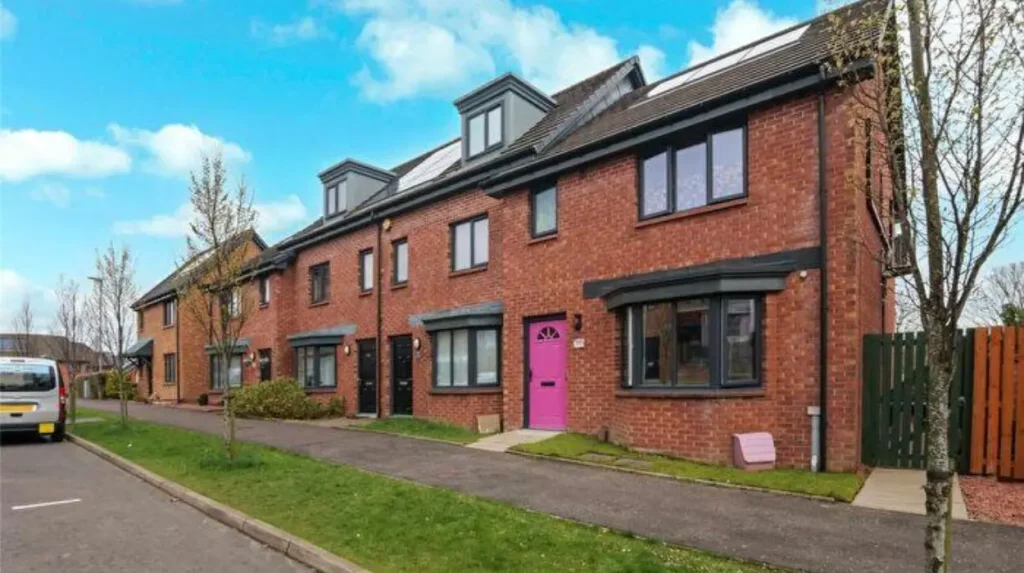
Glasgow residents reduce household costs by checking Council Tax eligibility, applying for available discounts and understanding Scottish Water charges. Students, qualifying single-adult households and low-income residents have specific exemptions or reduction schemes.
Council Tax is a local authority tax that funds services such as waste collection, road maintenance and local facilities. Scottish households generally receive their Council Tax and water service charges together.
The amount depends on the property’s Council Tax band and applicable local charges. mygov.scot+1
Can Single People Get a Council Tax Discount?
A qualifying single adult living alone can apply for a 25% Council Tax discount.
The discount applies when only one adult counts as resident for Council Tax purposes. Some people living in the property are disregarded when calculating the household’s adult occupancy.
For example, a household containing one working adult and one qualifying full-time student can potentially qualify for the single-adult discount.
Residents should contact Glasgow City Council to confirm eligibility and submit the appropriate application.
Do Students Pay Council Tax in Glasgow?
Full-time students generally receive Council Tax exemption when everyone in their household qualifies as a full-time student.
Students living in university halls also receive an exemption.
A full-time student sharing accommodation with working adults does not automatically become responsible for Council Tax. The remaining household members are assessed under the relevant rules.
Students should provide their university status and supporting documents to Glasgow City Council.
Can Low-Income Households Reduce Council Tax?
The Scottish Council Tax Reduction Scheme supports eligible low-income households.
Depending on income, savings, benefits and household circumstances, qualifying residents can receive a reduction of up to 100% of their Council Tax liability.
Residents should apply through their local authority rather than assuming that receiving another benefit automatically provides Council Tax support.
How Much Are Water Charges in Glasgow?
Scottish Water’s unmetered household charges for 2026/27 depend on Council Tax bands.
The combined annual water supply and wastewater charges are:
- Band A: £434.88.
- Band B: £507.36.
- Band C: £579.84.
- Band D: £652.32.
- Band E: £797.28.
- Band F: £942.24.
- Band G: £1,087.20.
- Band H: £1,304.64.
These charges apply from 1 April 2026 to 31 March 2027. Qualifying discounts and exemptions can affect the amount payable.
Residents should check their Council Tax bill and understand whether water charges are already included in their monthly household budget.
How Can You Save Money on Public Transport in Glasgow?
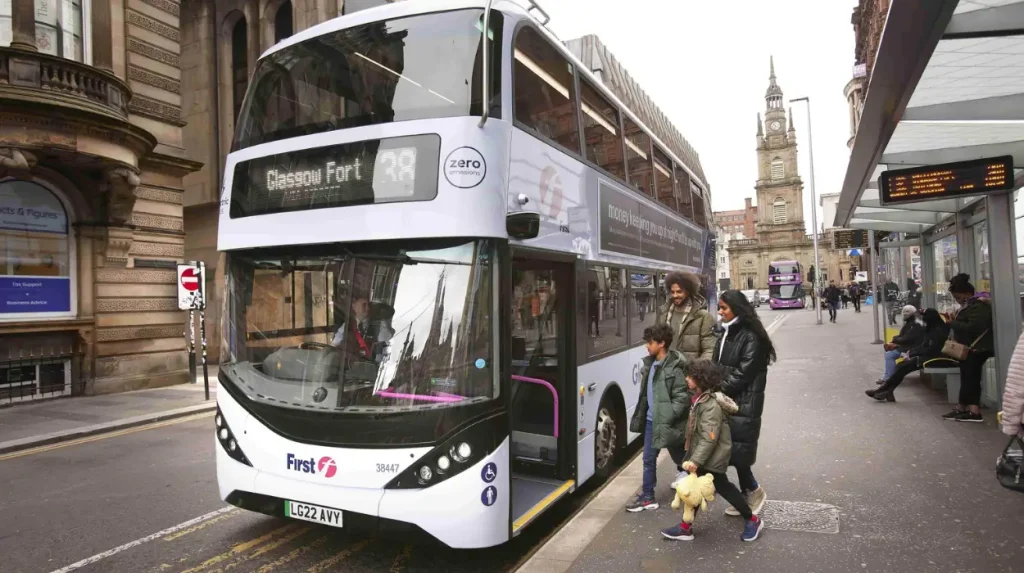
Glasgow residents save money on transport by using buses, trains and the Subway strategically. Walking, cycling, concessionary travel and suitable travel passes reduce commuting expenditure compared with frequent individual journeys or unnecessary car use.
Glasgow has an established public transport network operated by different transport providers.
The main options include local buses, suburban trains and the Glasgow Subway. Each transport option serves different neighbourhoods and commuting routes.
Is the Glasgow Subway Affordable?
The Glasgow Subway connects central Glasgow with surrounding neighbourhoods through its circular underground network.
According to Strathclyde Partnership for Transport, 2026 adult contactless fares include:
- Single journey: £1.80.
- Daily travel cap: £3.40.
- Weekly travel cap: £15.50.
The daily cap applies to unlimited journeys within the applicable daily period, while the weekly cap covers Monday to Sunday. Contactless users should use the same payment card or device consistently. spt.co.uk+2
The Subway is particularly useful for journeys connecting the city centre with areas such as Hillhead, Partick, Govan, Ibrox and Kelvinbridge.
Residents who make regular journeys should compare daily and weekly travel costs before purchasing individual tickets.
How Can You Save Money on Glasgow Buses?
Buses provide access to neighbourhoods that are not directly connected to the Subway.
First Bus operates services across Glasgow, including routes connecting residential districts with central shopping and employment areas.
Residents should compare available ticket options, including single fares, day tickets and longer-term passes. The cheapest option depends on journey frequency and the operator’s current ticket conditions.
Scotland also operates the Young Persons’ Free Bus Travel Scheme.
Who Qualifies for Free Bus Travel in Scotland?
Residents aged 5 to 21 who live in Scotland qualify for free travel on almost all local registered and scheduled long-distance bus services.
Eligible passengers need a National Entitlement Card or Young Scot National Entitlement Card with the relevant travel entitlement.
Transport Scotland reports that more than 800,000 children and young people have accessed the scheme. This benefit significantly reduces transport expenses for eligible Glasgow students and young workers.
Is Walking or Cycling Cheaper Than Driving?
Walking and cycling eliminate many routine commuting expenses.
Glasgow has established walking routes, residential cycle connections and public parks. Residents living near their workplaces or universities can reduce transport expenditure by walking or cycling for suitable journeys.
Cycling also reduces dependence on petrol, parking charges and vehicle maintenance. A second-hand bicycle, properly maintained, provides an alternative to frequent paid journeys.
Residents should consider journey distance, weather, lighting and road safety before replacing public transport with cycling.
How Can You Spend Less on Groceries and Food in Glasgow?
Glasgow residents reduce grocery expenditure by comparing supermarket prices, planning weekly meals, buying seasonal produce and preparing food at home. Shopping lists, bulk cooking and reduced-price supermarket products help households control food waste and everyday spending.
Food is an essential monthly expense. Small changes in shopping habits produce consistent savings over time.
Glasgow has large supermarket chains, independent grocery shops, local markets and international food retailers. Residents can compare prices across different shops instead of purchasing every item from one expensive convenience store.
Which Supermarkets Are Useful for Budget Shopping?
Residents commonly compare prices at:
- Aldi.
- Lidl.
- Asda.
- Tesco.
- Morrisons.
- Farmfoods.
Different supermarkets offer different promotions and product ranges. Compare the unit price, which shows the cost per kilogram, litre or individual item.
For example, a larger packet of rice is not automatically cheaper. Checking the price per kilogram identifies the better-value product.
Why Is Meal Planning Important?
Meal planning prevents unnecessary purchases and reduces food waste.
Residents can prepare a weekly food plan around affordable ingredients such as rice, potatoes, oats, lentils, beans, eggs and seasonal vegetables.
Cooking larger portions also reduces the cost of preparing individual meals.
For example, a household can prepare a lentil curry, vegetable soup or rice-based meal in batches and refrigerate suitable portions for later use.
How Can You Reduce Takeaway and Restaurant Spending?
Frequent takeaway purchases increase monthly food expenditure.
Residents can control these expenses by preparing weekday lunches at home, carrying reusable water bottles and limiting delivery orders.
Glasgow has many independent restaurants, cafés and takeaway businesses. Residents should compare menu prices, collection options and special offers before ordering.
Cooking at home remains the more controllable option because households choose their ingredients, portions and preparation methods.
Are Local Food Support Services Available?
Glasgow residents experiencing financial hardship can contact Glasgow City Council for information about available food support.
The Scottish Welfare Fund provides assistance through local authorities. Its Crisis Grant supports eligible people facing an emergency involving essential living costs.
Support can include referrals to food banks, emergency food assistance and help with fuel or other essential needs. Eligibility depends on individual circumstances. mygov.scot
How Can You Lower Electricity and Heating Bills in Glasgow?
Glasgow households reduce energy expenditure by improving heating efficiency, controlling electricity consumption, comparing tariffs and preventing unnecessary heat loss. Insulation, draught-proofing, efficient appliances and careful heating management support lower household energy consumption.
Heating is particularly important in Glasgow because colder weather increases household energy requirements during autumn and winter.
Residents should understand the difference between energy consumption and standing charges. Consumption depends on the electricity or gas used, while standing charges cover daily supply costs.
What Are the Best Ways to Reduce Heating Costs?
Home Energy Scotland recommends practical energy-saving measures, including:
- Using heating controls correctly.
- Improving home insulation.
- Reducing draughts around doors and windows.
- Washing full loads where practical.
- Taking shorter showers.
- Heating occupied rooms efficiently.
Residents should avoid switching off essential heating in ways that create dampness or unsafe indoor temperatures.
Home Energy Scotland provides free, impartial advice for homeowners and tenants. It also explains financial support available for eligible energy-efficiency improvements.
Should You Compare Energy Suppliers?
Comparing gas and electricity tariffs helps residents identify suitable household deals.
Check the unit rate, standing charge, payment method and contract conditions before switching suppliers.
A cheaper unit rate does not always mean a lower overall bill. Households with low energy consumption should also consider standing charges.
MoneyHelper provides guidance on comparing household bills and understanding energy tariffs.
How Can Renters Save Energy Without Major Renovations?
Tenants can improve everyday energy efficiency without making permanent property alterations.
Using thick curtains, closing doors between heated and unheated rooms, reducing unnecessary appliance use and reporting heating problems to landlords can help.
Renters should ask landlords about insulation, heating controls and existing energy-efficiency improvements before signing a tenancy agreement.
What Free Activities Can You Enjoy in Glasgow?
Glasgow offers free cultural attractions, public parks, libraries, walking routes and community activities. Residents can enjoy museums, historic buildings, green spaces and local events without paying regular entertainment fees or purchasing expensive leisure memberships.
Entertainment does not need to consume a large proportion of a household budget. Glasgow has several public attractions that provide affordable recreation.
Which Museums Are Free in Glasgow?
Glasgow has several museums and cultural attractions with free general admission.
Notable examples include:
- Kelvingrove Art Gallery and Museum: Displays art, historical collections and cultural exhibitions.
- Riverside Museum: Explores transport and Glasgow’s industrial heritage.
- The Burrell Collection: Features international art and historical objects.
- St Mungo Museum of Religious Life and Art: Explores religious traditions and cultural history.
- Provand’s Lordship: Provides access to one of Glasgow’s oldest surviving houses.
Glasgow Life lists free-entry attractions across the city. Some temporary exhibitions, events and additional services have separate charges, so visitors should check individual venue information. Glasgow Life+1
Which Parks Are Best for Free Outdoor Activities?
Glasgow’s public parks provide opportunities for walking, exercise, photography and outdoor relaxation.
Examples include:
- Glasgow Green: A historic public park near the city centre.
- Kelvingrove Park: Offers landscaped grounds and riverside walking routes.
- Pollok Country Park: Provides extensive green space, woodland and walking opportunities.
- Victoria Park: Features gardens, recreational areas and open spaces.
- Queens Park: Provides walking routes, recreational space and elevated city views.
These destinations help residents maintain an active lifestyle without paying for private leisure facilities.
Can Glasgow Libraries Help You Save Money?
Glasgow Life operates a network of 33 public libraries.
Libraries provide access to books, digital resources, study facilities and community activities. The Mitchell Library also offers free Wi-Fi and public computers.
Possilpark Library and Pollokshaws Library provide free entry and access to library resources.
Residents who work remotely or study independently can use library facilities instead of paying for private workspace memberships.
How Can Students Live Cheaply in Glasgow?
Students in Glasgow reduce living costs through shared accommodation, university support, student discounts, free bus travel for eligible young people and affordable grocery shopping. Planning housing and commuting together helps students manage limited monthly income.
Glasgow has several major higher education institutions, including the University of Glasgow, University of Strathclyde and Glasgow Caledonian University.
Each institution attracts students with different accommodation and financial requirements.
Which University Services Help Students Save Money?
The University of Glasgow publishes student cost-of-living information and provides guidance on budgeting, financial support and student discounts.
Its student guidance also highlights free nationwide bus travel for eligible Scottish residents aged under 22. Cost of living
Students should investigate:
- University hardship funds and financial assistance.
- Scholarships and bursaries.
- Student accommodation options.
- Student discounts through UNiDAYS and Student Beans.
- Affordable campus food facilities.
- University libraries and study spaces.
Students should check eligibility and application deadlines because individual support schemes have different conditions.
Is University Accommodation Cheaper Than Private Renting?
University accommodation provides a convenient option for students who want predictable household expenses.
Some accommodation agreements include electricity, heating, water and internet within the accommodation charge. Others apply additional costs.
Private shared accommodation offers another option, particularly for students who prefer living with friends.
Students should compare the complete monthly cost, including rent, utilities, transport and deposits, rather than selecting accommodation based only on its advertised price.
How Can International Students Control Their Expenses?
International students should prepare a realistic budget before arriving in Glasgow.
The main expenses include accommodation, food, transport, mobile phone services, study materials and immigration-related costs where applicable.
Opening a suitable UK bank account, using university support services and avoiding unnecessary international transaction charges also helps manage spending.
International students should check their visa conditions before accepting paid employment.
How Can Families Live on a Tight Budget in Glasgow?
Families manage Glasgow living costs by selecting suitable housing, planning household shopping, using free outdoor attractions and checking childcare, education and benefit support. Combining household purchasing and controlling recurring expenses improves financial stability.
Families have different spending priorities from students and single professionals. Childcare, school-related expenses, clothing and larger grocery requirements affect monthly budgets.
How Can Parents Reduce Childcare and Education Expenses?
Parents should investigate available funded early learning and childcare provision through Glasgow City Council.
Eligible children aged three and four receive funded early learning and childcare. Some eligible two-year-olds also qualify.
Parents should check local eligibility criteria, participating providers and available hours before making childcare arrangements.
School-age families can also reduce expenditure through second-hand uniforms, school clothing grants where eligible and reusable educational supplies.
Where Can Families Find Free Activities?
Families can plan inexpensive weekends around public parks, free museum visits and community events.
Kelvingrove Museum, Riverside Museum and Glasgow Green provide opportunities for educational and recreational activities.
Parents should check venue opening times and event charges before travelling. Planning several nearby activities together also reduces transport expenses.
How Can You Save Money on Internet, Mobile Phones and Shopping?
Residents reduce digital and shopping expenses by comparing broadband contracts, choosing suitable mobile plans, cancelling unused subscriptions and purchasing essential products at competitive prices. Reviewing recurring payments prevents unnecessary expenditure throughout the year.
Small monthly subscriptions often remain unnoticed because payments leave bank accounts automatically.
A household paying for several streaming services, unused applications and expensive mobile packages can accumulate substantial unnecessary costs.
How Can You Find Cheaper Broadband?
Compare broadband packages according to:
- Monthly subscription price.
- Contract duration.
- Installation charges.
- Download speeds.
- Annual price increases.
- Early cancellation fees.
Residents should compare providers using their exact Glasgow postcode because broadband availability differs between streets and properties.
Tenants should also check whether their accommodation already includes internet access.
How Can You Reduce Mobile Phone Costs?
SIM-only contracts often provide better value for people who already own a suitable mobile phone.
Compare monthly data allowances against actual usage. Paying for unlimited data is unnecessary when a smaller package meets regular requirements.
Residents can also reduce mobile expenditure by connecting to secure home and public Wi-Fi networks.
Should You Buy Second-Hand Products?
Second-hand shopping reduces the initial cost of furniture, clothing, bicycles and household equipment.
Glasgow has charity shops, community resale options and online marketplaces where residents compare used products.
Check electrical safety, product condition and seller reliability before purchasing second-hand electrical equipment.
Buying durable products instead of frequently replacing inexpensive items also helps control long-term household expenditure.
How Can You Create a Realistic Monthly Budget for Glasgow?
A realistic Glasgow budget starts with monthly income and separates essential expenses from discretionary spending. Residents should calculate rent, Council Tax, utilities, groceries, transport and debt payments before allocating money to entertainment and savings.
A monthly budget provides a clear picture of household affordability.
MoneyHelper recommends recording income, essential spending and non-essential expenses to identify opportunities for savings. Its free Budget Planner helps households organise their finances.
What Expenses Should You Include?
A practical household budget includes:
- Rent or mortgage payments.
- Council Tax and water charges.
- Electricity and gas.
- Broadband and mobile services.
- Groceries and household supplies.
- Transport and commuting.
- Clothing and personal expenses.
- Debt repayments and insurance.
- Entertainment and subscriptions.
- Emergency savings.
Residents should use actual bills and bank statements rather than relying on estimated figures.
What Is an Example of a Monthly Budget?
The following is an illustrative budget for one adult sharing accommodation in Glasgow. These figures are planning assumptions, not official average household costs or guaranteed rental prices.
This example assumes a shared property and excludes personal debt repayments, major medical expenses and other exceptional costs. Actual expenditure depends on tenancy arrangements and lifestyle.
How Can You Build an Emergency Fund?
An emergency fund provides financial protection against unexpected expenses.
Residents should begin with a manageable monthly contribution, even when the amount is small.
For example, saving £25 every month produces £300 over one year, excluding interest.
Once essential expenses are covered, gradually increase savings towards a reserve equivalent to several months of essential household costs.
Explore More Area Guide
Free Things to Do in Glasgow: Museums, Parks and Attractions
Cheap Things to Do in Glasgow: Free Attractions and Activities
What Financial Support Is Available for People Struggling in Glasgow?
Glasgow residents experiencing financial hardship can investigate Council Tax Reduction, Scottish Welfare Fund assistance, eligible benefits and local money advice. Early applications and contact with support organisations help households manage essential expenses.
Financial difficulties affect people across different income groups. Losing employment, unexpected bills, rising rent and changes in household circumstances can create immediate pressure.
Can You Get Emergency Financial Assistance?
The Scottish Welfare Fund provides two main forms of assistance:
- Crisis Grants: Support for eligible people facing an emergency or disaster.
- Community Care Grants: Support for eligible people who need help establishing or maintaining a settled home.
Applications are handled by local authorities.
Glasgow residents should contact Glasgow City Council to check eligibility and application requirements.
The Scottish Government also advises people needing urgent help with food, fuel or money to contact their local council. mygov.scot
Where Can You Get Free Money Advice?
MoneyHelper provides free guidance about budgeting, household bills, borrowing and debt management.
Residents can also investigate local Citizens Advice services for help understanding benefits, financial obligations and consumer rights.
People struggling with rent or household payments should seek advice early rather than allowing arrears to accumulate.
What Is the Best Long-Term Strategy for Living Cheaply in Glasgow?
The best long-term strategy combines affordable accommodation, efficient transport, planned food shopping, reduced energy consumption and careful budgeting. Reviewing household expenses regularly helps Glasgow residents maintain financial stability as prices and personal circumstances change.
Living cheaply is an ongoing financial process rather than a single decision.
Residents should review major household expenses whenever a tenancy ends, an energy contract changes or commuting arrangements become more expensive.
Which Money-Saving Habits Make the Biggest Difference?
The most effective habits focus on recurring expenditure.
Prioritise these actions:
- Compare accommodation before signing a tenancy.
- Share housing costs where suitable.
- Check Council Tax discounts and exemptions.
- Use eligible concessionary transport.
- Plan meals before grocery shopping.
- Prepare food at home.
- Compare energy and broadband contracts.
- Use free museums, parks and libraries.
- Review subscriptions every month.
- Build an emergency savings reserve.
How Will Affordable Living Remain Important in Glasgow?
Housing affordability, energy efficiency and public transport access remain important considerations for Glasgow residents.
Changes in rental prices, household energy costs and transport fares directly influence disposable income.
Access to public facilities and financial support also plays an important role in maintaining affordable lifestyles.
Residents who understand these services and monitor their spending are better equipped to manage changing household expenses.
Living cheaply in Glasgow is achievable through informed housing decisions, efficient transport use, affordable grocery shopping and careful household budgeting. The city provides several opportunities to reduce everyday expenses, including free cultural attractions, public libraries, parks and concessionary transport schemes.
Residents should prioritise accommodation and essential household bills before reducing smaller discretionary expenses. Checking Council Tax eligibility, comparing energy tariffs and using community support services also helps maintain financial stability.
Glasgow offers a combination of employment, education, public facilities and residential opportunities. A practical approach to managing these resources allows students, working professionals and families to enjoy city life while keeping living costs under control.
Is Glasgow a cheap city to live in?
Glasgow is generally more affordable than London and some other major UK cities. Residents can manage living costs through shared accommodation, affordable neighbourhoods, public transport and budget grocery shopping.