

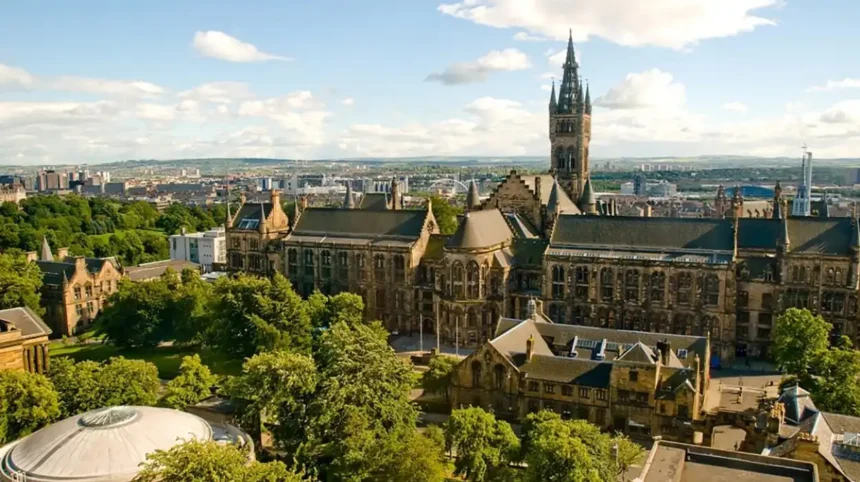
Student life at the University of Glasgow combines rigorous academics with vibrant social, cultural, and support ecosystems across a historic West End campus and city. Students balance lectures, labs, and independent study with access to four student bodies, 300+ clubs and societies, two student unions, extensive wellbeing services, and Glasgow’s affordable urban lifestyle.
- What does a typical day look like for a University of Glasgow student?
- How is the academic experience structured at the University of Glasgow?
- What accommodation options are available and how much do they cost?
- How much does it cost to live as a student in Glasgow?
- What student organisations and social life opportunities exist?
- What support services are available for student wellbeing and mental health?
- How do students get around Glasgow and the wider region?
- What is the campus and city environment like for students?
- How does student life at Glasgow compare to other UK universities?
- What long-term benefits does the Glasgow student experience provide?
What does a typical day look like for a University of Glasgow student?
A typical day starts with lectures or labs in the morning, followed by self‑study in libraries or cafes, then social or society activities in the afternoon or evening. Timetables vary by programme, but most undergraduates attend 8–12 contact hours weekly, with postgraduates often having fewer scheduled sessions and more research time.
The University of Glasgow operates on a semester system with teaching beginning in late September for Semester 1 and late January for Semester 2. The academic year 2025–26 runs from 15 September 2025 to 11 September 2026, with teaching starting on 22 September 2025.
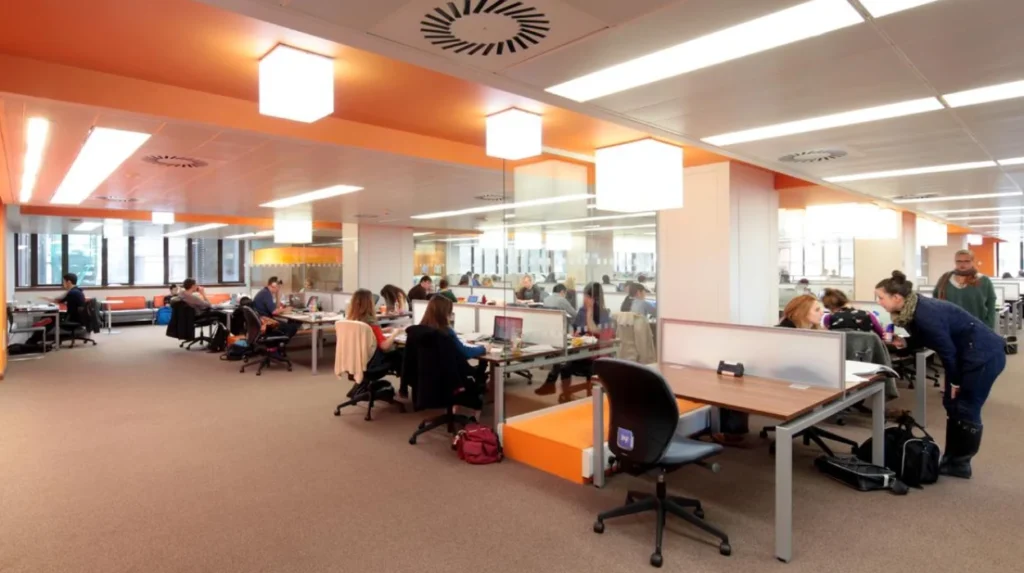
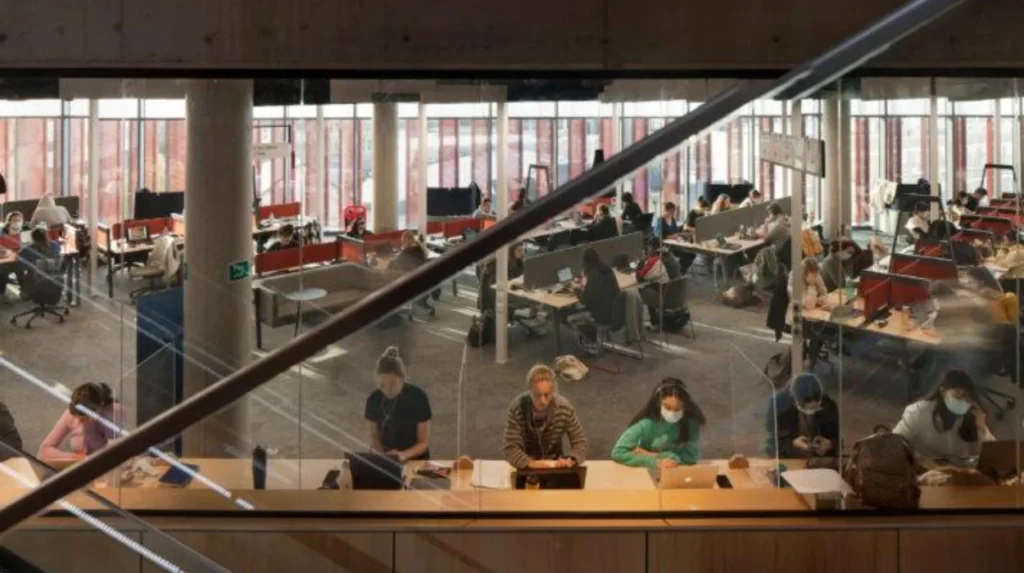
Students spend significant time in faculty buildings across the Gilmorehill campus in the West End, including the main University Avenue spine, the Fraser Building for student services, and specialised facilities for science, engineering, medicine, and humanities. The library system, centred on the Gilbert Scott Library, provides 24/7 study spaces during peak periods.
Between classes, students use campus cafes, the Students’ Union buildings, and nearby Byres Road for meals and group work. Evenings often involve society meetings, society-led workshops, gigs at the student unions, or study sessions in residence halls or private flats.
How is the academic experience structured at the University of Glasgow?
Academic life follows a semester-based curriculum with lectures, tutorials, labs, and independent study, assessed through coursework and exams at semester end. Undergraduate degrees typically span 3–4 years in Scotland, with Honours programmes requiring four years and including a final-year dissertation or project.
The University of Glasgow, founded in 1451, is the fourth-oldest university in the English-speaking world and a member of the Russell Group of research-intensive UK universities. It enrolls over 30,000 students from more than 140 countries, creating a diverse classroom environment.
Teaching formats differ by discipline. Science and engineering students attend practical labs in the James Watt South Building or Wolfson Medical School Building. Humanities students participate in seminars in the Arts and Humanities Building. Business students use the Adam Smith Business School facilities with case-based learning.
Assessment combines continuous coursework (essays, lab reports, presentations) with end-of-semester examinations. Final-year undergraduates complete a dissertation or capstone project. Postgraduate taught (PGT) masters programmes run 12 months full-time with a summer research component.
What accommodation options are available and how much do they cost?
Students choose between university-managed halls, private student residences, and shared private rentals, with weekly costs ranging from £130 to £270 depending on room type and contract length. University halls offer 39-week or 51-week contracts, with payments spread over seven instalments from October to April.
For the 2025–26 session, undergraduate hall fees include Shared rooms at £5,383.56 (£138.04/week), Single rooms at £6,298.11 (£161.49/week), Classic Ensuite at £6,825.00 (£175.00/week), and 1 Bed Flats at £9,243.78 (£237.02/week). Postgraduate options include Studios from £8,190.00 (£210.00/week) to 1 Bed Flats up to £10,450.44 (£267.96/week).
Popular residences include Queen Margaret Halls (close to campus), Wolfson Halls (comfortable and convenient), Murano Street Village (modern Maryhill living), and Garscube Estate Studios (premium studios). Private student accommodation providers such as Unite Students, Amber Students, and University Living operate multiple buildings near the West End and city centre.
International students receive priority for university accommodation if they apply early. Private rentals in shared flats cost £350–£500 per month excluding bills, while studio apartments in the West End range £800–£1,200 per month including utilities.
How much does it cost to live as a student in Glasgow?
The University estimates monthly living costs between £1,100 and £1,700, covering accommodation, food, transport, books, and entertainment, with variation by lifestyle and housing choice. Glasgow remains cheaper than Edinburgh and London, with lower rent and transport costs.
Accommodation represents the largest expense. University halls average £820 per month, while private rented rooms average £640 per month. Food and groceries cost £150–£250 monthly, with student discounts at major supermarkets and local shops on Byres Road and Great Western Road.
Transport costs include monthly bus passes (£55–£65 for students) and rail discounts via the 16–25 Railcard. Cycling is common, with secure campus bike storage and city cycle lanes. Entertainment budgets vary, with student union events priced £5–£15 and city gigs £10–£30.
The University provides budgeting guidance and hardship funds for students facing financial difficulties. International students must demonstrate sufficient funds for visa requirements, typically £1,334 per month for living costs outside London for nine months.
What student organisations and social life opportunities exist?
Glasgow has four student bodies: the Students’ Representative Council (SRC), Glasgow University Sports Association (GUSA), Glasgow University Union (GUU), and Queen Margaret Union (QMU), plus 300+ clubs and societies. Membership in GUU and QMU is free but requires registration, while SRC membership is automatic for all students.
The GUU, founded in 1885, hosts debates, bars, a theatre, and society meetings in its historic building on University Avenue. The QMU, founded in 1890, runs live music gigs, nightclub events, and cafes in its Gilmorehill location. Both unions operate during term time with extended hours during Freshers’ Week in September.
Societies span academic, cultural, recreational, and identity-based interests, including the International Society, Scottish Dance Society, Taylor Swift Society, Big Band Society, and subject-specific groups for every school. Sports clubs range from football and rugby to niche activities like quidditch and ultimate frisbee under GUSA.
Freshers’ Week introduces new students to societies, unions, and city life through fairs, welcome events, and campus tours. International students receive dedicated orientation sessions and ongoing support from the International Student Support team for banking, immigration, and cultural adjustment.
What support services are available for student wellbeing and mental health?
The University provides 24/7 confidential counselling via a helpline (0800 028 3766) and app, plus in-person services at the Fraser Building, peer support, and specialist disability and mental health advisors. Wisdom Wellbeing offers round-the-clock support, while Nightline provides student-run overnight listening from 7pm to 7am on weekdays during term.
Counselling and Psychological Services deliver short-term therapy, group workshops, and referrals to NHS mental health teams. The Disability Service arranges exam adjustments, note-taking support, and accessibility accommodations for students with physical, sensory, or learning disabilities.
Peer Wellbeing Support trains students to offer confidential conversations and signposting. The SRC Advice Centre provides free, independent advice on housing, finance, and academic appeals. Campus Security operates 24/7 via the SafeZone app or phone (0141 330 4444) for emergencies and safety escorts.
Mental health resources include self-help guides, crisis planning templates, and partnerships with external charities like SAMH and Mind. The University promotes a “Look After Yourself” campaign each semester to normalise help-seeking and reduce stigma.
How do students get around Glasgow and the wider region?
Students use buses, trains, cycling, and walking to navigate the compact West End campus and city centre, with discounted student passes and railcards reducing costs. First Bus and McGill’s operate frequent services along Great Western Road, Byres Road, and University Avenue, connecting campuses to the city centre in 10–20 minutes.
The ScotRail network links Glasgow Central and Queen Street stations to suburbs, airports, and national destinations. Students with a 16–25 Railcard save one-third on train fares. The Subway system, with Hillhead and Kelvinbridge stations near campus, provides rapid access to the city centre and south side.
Cycling is popular due to flat terrain and dedicated lanes. The University offers secure bike storage, repair stations, and cycle training. Walking remains feasible for most daily trips, with the West End’s grid of streets and parks connecting residences, libraries, and social venues.
Regional travel enables weekend trips to Loch Lomond, the Isle of Skye, and Edinburgh via coach or train. International students benefit from Glasgow Airport’s direct European connections and proximity to Edinburgh and Prestwick airports for longer-haul flights.
Explore More Area Guide
What Is It Like Raising Children in Glasgow West End vs the Southside?
Are Giffnock and Clarkston Worth the Daily Commute Into Glasgow for Families?
What is the campus and city environment like for students?
The main Gilmorehill campus sits in Glasgow’s West End, a leafy, culturally rich area with cafes, bookshops, parks, and Victorian architecture, while the city offers affordable urban living and diverse communities. The campus is compact, with most faculties within a 10-minute walk, and the city centre reachable by bus, subway, or a 25-minute stroll.
Glasgow, Scotland’s largest city, hosts over 600,000 residents and a student population exceeding 100,000 across multiple universities. It ranks highly for friendliness, nightlife, and cultural venues, including museums, galleries, music arenas, and sports stadiums.
The West End features Kelvingrove Park and Museum, the Botanic Gardens, and the River Kelvin walkways. Byres Road and Ashton Lane provide student-friendly dining, from budget cafes to international cuisine. Grocery stores, pharmacies, and banks line Great Western Road for daily needs.
Safety perceptions vary by neighbourhood, but the West End is generally considered the safest and most desirable student area. The University advises using SafeZone escorts at night, registering with local GP practices, and following city safety guidance for personal belongings and travel.
How does student life at Glasgow compare to other UK universities?
Glasgow offers a distinctive blend of historic campus, four student bodies, low living costs, and strong international community, distinguishing it from single-union or city-centre campuses elsewhere in the UK. Student satisfaction ratings highlight learning experience, lecturer expertise, and overall living environment.
International students report 94% satisfaction with lecturers and 91% satisfaction with their learning experience, according to the International Student Barometer. The University ranks first in the UK for combined learning, living, and support experience in the ISB survey.
Compared to London universities, Glasgow provides significantly lower rent and transport costs, with comparable academic rigour and research output. Versus Edinburgh, Glasgow offers more extensive student union facilities and a larger variety of societies, though both cities share similar cultural and transport advantages.
The presence of four student organisations creates more social and representative channels than most UK institutions, which typically have one students’ union. This structure supports diverse interests, from sports and arts to advocacy and welfare, enhancing the co-curricular experience.
What long-term benefits does the Glasgow student experience provide?
Graduates gain a recognised degree, transferrable skills from co-curricular activities, and a global alumni network, improving employability and career mobility across sectors. The University’s Student Experience Strategy emphasises opportunity, wellbeing, and belonging to prepare students for post-graduation success.
Employers value Glasgow’s Russell Group status, research-led teaching, and practical skills from labs, placements, and society leadership. Career services offer CV workshops, mock interviews, and employer fairs, with strong links to industries in finance, engineering, health, and creative sectors.
International students benefit from post-study work routes, including the UK Graduate Route visa, allowing two years of work after graduation for eligible degrees. Alumni networks span 180 countries, facilitating global connections and mentorship opportunities.
The combination of academic challenge, vibrant social life, and affordable living creates a well-rounded university experience that supports personal growth, resilience, and professional readiness beyond graduation.
What is student life like at the University of Glasgow?
Student life at the University of Glasgow combines high-quality academics with an active social scene, over 300 clubs and societies, four student organisations, comprehensive wellbeing services, and access to Glasgow’s vibrant West End.