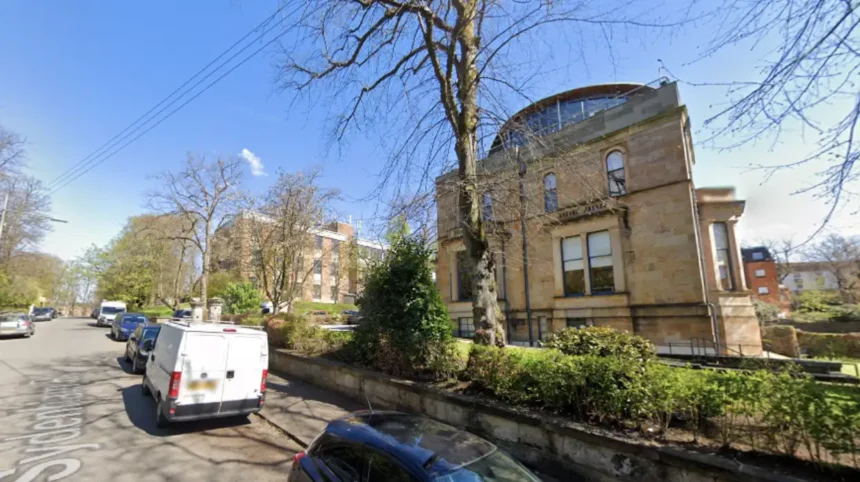
Hyndland is one of the most desirable parts of Glasgow because it combines Victorian and Edwardian architecture, strong transport links, established amenities, and a long reputation as an affluent West End address. Its appeal comes from a rare mix of historic character, residential prestige, and everyday convenience.
- What is Hyndland?
- Why is Hyndland so desirable?
- How did Hyndland develop historically?
- What kind of housing is in Hyndland?
- Why do transport links matter here?
- How expensive is Hyndland?
- Who lives in Hyndland?
- What local features support demand?
- Why does Hyndland remain relevant today?
- What makes Hyndland different from other Glasgow streets?
- What should buyers know before looking here?
- Why does Hyndland matter for Glasgow?
What is Hyndland?
Hyndland is a West End Glasgow neighbourhood built around late Victorian and Edwardian housing, tree-lined streets, and a strong residential identity. It developed from farmland into a high-value urban district after transport expansion and city growth in the late 19th century.
Hyndland sits in the West End of Glasgow and borders areas such as Broomhill, Dowanhill, Kelvinside, and Partickhill. Historical accounts describe it as an area that shifted from agricultural land into a planned residential district after the 1800s urban expansion of Glasgow.
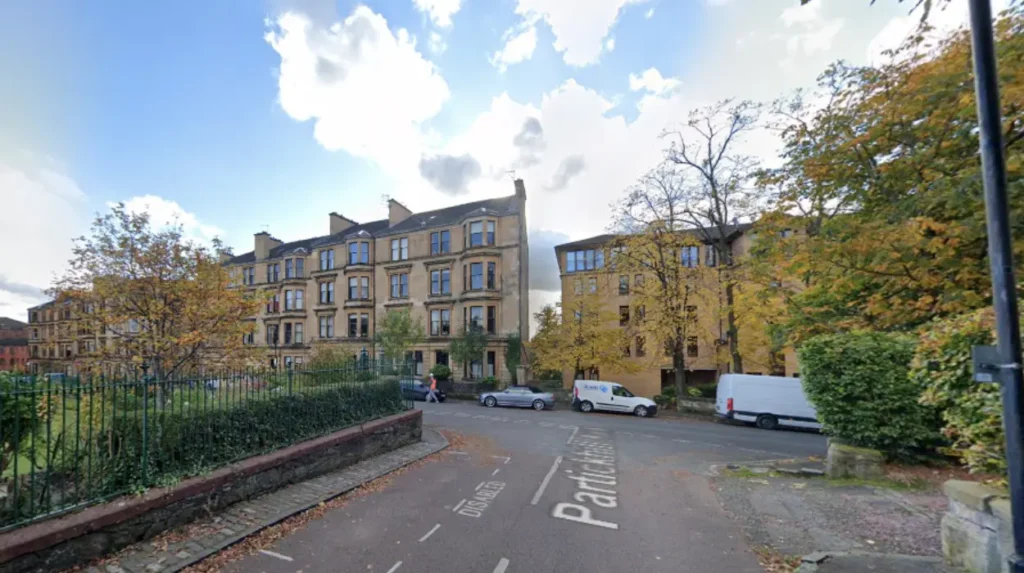
The name reflects that older landscape. Before development, the area was farmland called “Hind Land” and belonged to the Bishops of Glasgow. That background matters because it explains why Hyndland developed later than the older inner-city districts and entered the market as a planned residential suburb.
Why is Hyndland so desirable?
Hyndland is desirable because it combines architectural quality, relative quiet, walkable local services, and access to the broader West End economy. These factors created sustained demand from professionals and higher-income households, which kept prices above city averages.
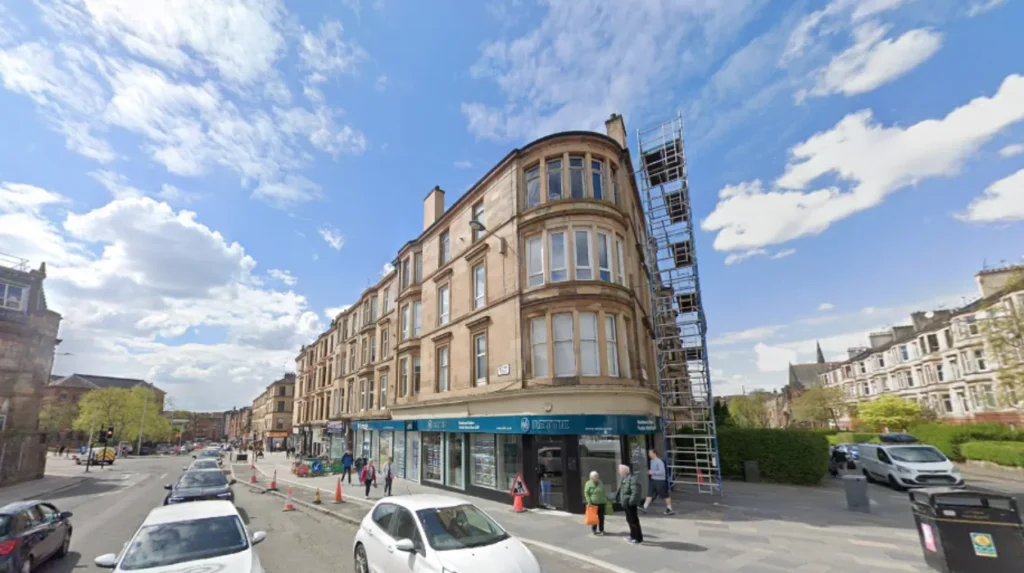
One of the main reasons for the area’s status is its housing stock. Hyndland is known for red sandstone tenements, ornate doorways, stained glass details, communal gardens, and large period homes. These features create a built environment that is scarce in newer districts and difficult to replicate at scale.
The social profile of the area also shaped demand. Sources describe Hyndland as home to businessmen, lawyers, GPs, university staff, and other professionals. That pattern reinforces the street’s reputation as a stable, high-demand residential location rather than a transient rental market.
The district also benefits from reputation effects. Once an area becomes identified with quality housing and established residents, demand tends to stay high because buyers look for proven neighborhoods with clear status signals. In Hyndland, that reputation has lasted for decades and remains visible in local property values.
How did Hyndland develop historically?
Hyndland developed from farmland into a residential district in the late 19th century, after transport and urban expansion made the area practical for middle-class housing. The first tenements were built in 1885, and rapid growth followed in the 1890s.
Before the housing boom, the land was open countryside. Development accelerated after key infrastructure changes improved access to the area. A local historical talk identifies several drivers: the extension of Great Western Road to Anniesland in 1840, the horse tram in 1873, Hyndland Station in 1896, and electric trams in 1910.
These transport links mattered because they reduced the distance between the West End and the commercial core of Glasgow. That made it possible for professionals to live in a quieter district while still commuting into the city. The result was a strong residential market built around middle-class demand.
The area’s development pattern also explains its current form. Hyndland did not evolve as an industrial quarter. It grew as a planned residential zone with large tenements and later villas, which gave it a more spacious and orderly character than many older parts of Glasgow.
What kind of housing is in Hyndland?
Hyndland is defined by red sandstone tenements, Edwardian terraces, and substantial period homes. The architecture is one of the strongest reasons the area remains expensive and widely sought after.
The street pattern and building style are central to its identity. Many buildings date from the late Victorian and Edwardian eras, and they often include decorative stonework, carved entrances, and stained glass. These details create a premium housing stock that appeals to buyers seeking period character.
Communal gardens also form part of the area’s appeal. In Glasgow, access to maintained shared green space is a major residential asset, especially in dense urban settings. Hyndland’s traditional gardened tenements provide that advantage while retaining city-center convenience.
The quality of the architecture matters for long-term demand. Buyers often pay a premium for period properties because of ceiling height, original detailing, thicker walls, and street-level consistency. In Hyndland, that premium is reinforced by the overall historic streetscape rather than by individual buildings alone.
Why do transport links matter here?
Transport links made Hyndland viable for affluent residential growth and still support its current market strength. Hyndland Station, trams, and major road connections reduced commute times and made the area practical for professionals.
Hyndland Station opened in 1896, which linked the area more directly to the wider city network. Earlier and later transport improvements also strengthened access, including horse trams in 1873 and electric trams in 1910. These changes made the district more accessible at the exact moment when Glasgow’s middle classes were looking for better housing.
Transport access still matters because property demand follows convenience. Buyers want quick access to work, schools, retail, and leisure. Hyndland offers that balance: it sits inside a prestigious residential zone while remaining connected to the rest of the city.
The result is a location that functions like a suburban-quality neighborhood inside an urban setting. That combination is rare in central Glasgow and is one reason the area consistently attracts strong interest from buyers and renters.
How expensive is Hyndland?
Hyndland sits above Glasgow and Scottish property averages, and specific streets in the area rank among Scotland’s most expensive. Falkland Street in Hyndland was reported in 2026 as Scotland’s second most expensive street, with an average price of £441,143.
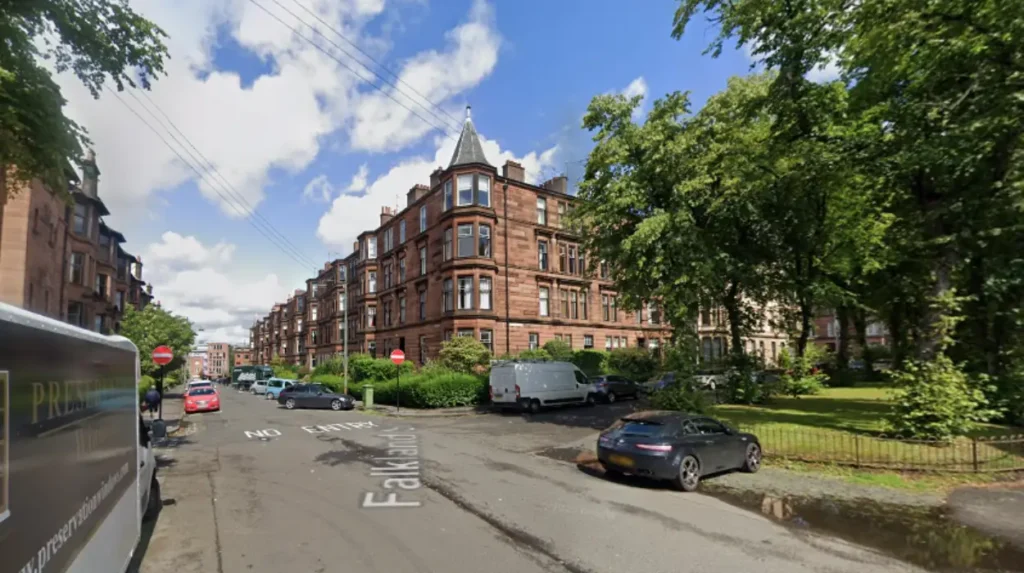
Price is one of the clearest signals of desirability. A source on Hyndland notes that average property prices are considerably higher than the Glasgow or Scottish averages. That difference reflects both limited supply and strong demand for period homes in a prestigious West End setting.
Street-level data confirms that the market is not just broadly expensive but highly localized. Falkland Street, in particular, was reported in March 2026 as the second most expensive street in Scotland. That figure gives a concrete measure of the area’s premium status.
High prices usually persist when a place offers a combination of scarcity, character, and convenience. Hyndland has all three. The housing stock is finite, the architecture is distinctive, and the location is well connected to the rest of the city.
Who lives in Hyndland?
Hyndland has long attracted professionals, academics, and established households. Historical descriptions identify residents such as businessmen, lawyers, doctors, university staff, and other higher-income professionals.
This resident profile is part of the street’s identity. The area developed as an address for people who wanted quality housing close to the city but outside the industrial core. That pattern shaped both the physical environment and the social character of the neighborhood.
The nearby University of Glasgow also contributed to the area’s appeal. Proximity to a major university created demand from academic staff and other professionals connected to the institution. That helped support a stable residential market over time.
The mix of long-term owners and professional households strengthens the sense of permanence. Places with stable occupancy often maintain stronger local upkeep, better-preserved architecture, and more consistent demand. Hyndland fits that pattern clearly.
What local features support demand?
Local amenities, green streets, strong schools, and the wider West End setting all support Hyndland’s demand. The area offers a rare mix of character, convenience, and established neighborhood services.
Hyndland benefits from its position inside the wider Glasgow West End, which is one of the city’s most desirable residential zones. That wider district offers cafes, shops, parks, and cultural institutions, while Hyndland itself remains more residential and less commercially intense.
The built environment also supports quality of life. Tree-lined streets, sandstone terraces, and private or shared gardens create a more ordered and attractive streetscape than many denser urban areas. This matters because buyers often value environment as much as property size.
Schools and local services add practical value. Families pay close attention to transport, education, and everyday convenience when choosing housing. Hyndland combines these functional advantages with a prestigious address, which broadens its appeal across buyer groups.
Why does Hyndland remain relevant today?
Hyndland remains relevant because its core advantages have not changed: limited historic housing supply, a highly regarded location, and strong market recognition. Those factors keep demand high even as wider property conditions shift.
Unlike newer developments that rely on short-term branding, Hyndland’s value comes from fundamentals that age well. Period architecture, walkability, and transport access do not become obsolete quickly. That makes the area resilient in long-term housing cycles.
Its relevance also comes from recognizability. Buyers, agents, and local residents know what Hyndland represents. In housing markets, that clarity matters because known neighborhoods reduce uncertainty and support faster decision-making.
The street’s prestige also influences surrounding areas. When one district becomes a benchmark for quality, nearby streets often benefit from spillover demand. Hyndland’s reputation therefore affects the wider West End property market, not only the street itself.
What makes Hyndland different from other Glasgow streets?
Hyndland differs from ordinary Glasgow streets because it combines historic architecture, planned residential development, and a strong premium market identity. It is not just a location; it is a recognized property category within the city.
Many streets in Glasgow offer good transport or attractive housing, but fewer combine those advantages with strong period character and a long-established status profile. Hyndland’s difference comes from the overlap of all three factors at once.
The area also benefits from consistency. Some neighborhoods change rapidly as land use shifts, but Hyndland has remained primarily residential. That consistency preserves the local streetscape and keeps the area’s identity clear to buyers and investors.
For search visibility and public understanding, this is important. People do not look for Hyndland only as a street name. They look for what it represents: Glasgow West End prestige, period housing, and a stable residential environment.
What should buyers know before looking here?
Buyers should understand that Hyndland is a premium market with high entry costs, limited supply, and strong competition. The area rewards buyers who want long-term value, historic character, and a stable West End address.
The first practical issue is budget. Property values in Hyndland sit above broader city averages, and the most desirable streets command especially high prices. That means buyers need realistic expectations before viewing properties in the area.
The second issue is maintenance. Period buildings often require ongoing upkeep, especially when original features, stonework, sash windows, and communal areas are involved. Buyers in Hyndland should account for these costs when assessing overall affordability.
The third issue is competition. Demand stays strong because supply stays limited. That creates a market where well-located and well-preserved homes attract attention quickly. For buyers, the main advantage is access to one of Glasgow’s most established high-status residential addresses.
Why does Hyndland matter for Glasgow?
Hyndland matters because it shows how architecture, transport, and social history shape housing value in Glasgow. It is a model of how a former rural area became a premium urban neighborhood with lasting demand.
The area reflects a broader pattern in Glasgow’s urban history. As the city expanded, land that once sat at the edge of development became valuable when transport improved and residential demand rose. Hyndland captures that transition in one compact district.
It also illustrates how built heritage supports modern economic value. Period buildings are not only historic assets; they are market assets. In Hyndland, architecture contributes directly to pricing power, neighborhood identity, and long-term demand.
For Glasgow as a whole, Hyndland remains one of the clearest examples of a neighborhood where history and liveability combine to produce lasting desirability. That is the main reason it continues to rank among the city’s most sought-after streets.