Glasgow is one of Scotland’s most rewarding cities for visitors looking for free things to do. From internationally recognised museums and historic landmarks to Victorian parks, botanical gardens, public art and riverside walking routes, the city offers a wide range of activities without requiring an entrance fee.
- Why Is Glasgow a Good City for Free Activities?
- Which Free Museums Can You Visit in Glasgow?
- Which Free Parks and Gardens Should You Explore in Glasgow?
- Which Free Historic Attractions Can You Visit in Glasgow?
- Where Can You Find Free Street Art and Murals in Glasgow?
- Which Free Walking Routes Offer the Best Views of Glasgow?
- What Free Activities Can Families Enjoy in Glasgow?
- Where Can You Enjoy Free Nature and Wildlife Activities in Glasgow?
- Which Free Cultural and Community Activities Are Available in Glasgow?
- How Can You Spend a Full Day Enjoying Free Things to Do in Glasgow?
- Morning: Explore Glasgow’s Historic City Centre
- Afternoon: Visit the West End
- Alternative: Spend a Day in Glasgow’s Southside
- How Can You Visit Glasgow’s Attractions Without Spending Money?
- When Is the Best Time to Enjoy Free Things to Do in Glasgow?
- What Should You Know Before Visiting Glasgow’s Free Attractions?
- Which Free Things to Do in Glasgow Are Worth Including in Your Visit?
Located in west-central Scotland, Glasgow combines industrial heritage, Victorian architecture, cultural institutions and extensive public green spaces. Its reputation as the Dear Green Place reflects its long association with public parks and gardens. The city has more than 90 parks and gardens, providing residents and visitors with accessible outdoor spaces throughout the year.
Many of Glasgow’s major cultural attractions also offer free general admission. Kelvingrove Art Gallery and Museum, Riverside Museum, Gallery of Modern Art and The Burrell Collection provide opportunities to explore art, history, transport and Scottish culture without purchasing standard admission tickets.
Free activities in Glasgow are not limited to museums. Visitors can explore Glasgow Cathedral, photograph historic buildings, follow the city centre mural trail, discover the River Kelvin, walk through Pollok Country Park and enjoy public events.
This guide explores the best free things to do in Glasgow, explaining their historical importance, locations, visitor experiences and practical benefits.
Why Is Glasgow a Good City for Free Activities?
Glasgow offers free cultural attractions, historic landmarks, public parks and walking routes throughout the city. Its publicly accessible museums, galleries and green spaces allow residents and visitors to experience Scottish history, art, architecture and nature without paying general admission charges.
Glasgow has developed a strong public cultural infrastructure. Glasgow Life, the charitable organisation responsible for delivering cultural and leisure services on behalf of Glasgow City Council, manages several major museums, libraries and cultural venues.
One important feature of this system is free access to permanent museum collections. Visitors can explore historical objects, paintings, scientific displays and transport collections without buying standard admission tickets. Some temporary exhibitions, special activities and commercial services carry separate charges.
The city’s outdoor attractions provide another important source of free entertainment. Glasgow’s public parks offer walking paths, playgrounds, gardens, sports areas and open spaces. These facilities support everyday recreation and encourage residents to participate in outdoor activities.
Glasgow’s cultural landscape also reflects its historical development. The city expanded through international trade, engineering, shipbuilding and manufacturing during the Industrial Revolution. Its historic buildings, monuments and museums preserve evidence of these industries.
The combination of cultural infrastructure and accessible public spaces makes Glasgow suitable for different types of visitors, including families, students, international tourists, solo travellers and local residents.
Which Free Museums Can You Visit in Glasgow?
Glasgow has several free-entry museums covering fine art, transport, natural history, archaeology, religion and local heritage. Kelvingrove, Riverside Museum, The Burrell Collection, GoMA and The Hunterian provide substantial cultural experiences without general admission charges.
1. Kelvingrove Art Gallery and Museum
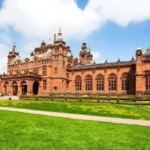
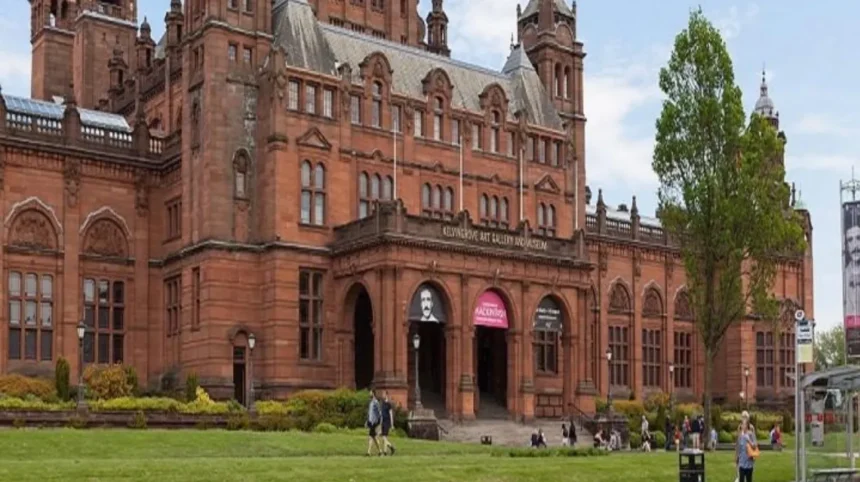
Located in Glasgow’s West End, Kelvingrove is one of Scotland’s best-known cultural attractions. Its 22 galleries contain paintings, sculptures, natural history displays, ancient Egyptian objects and Scottish decorative arts.
The collection includes Salvador Dalí’s Christ of Saint John of the Cross and a suspended Spitfire aircraft. Free organ recitals provide another attraction for visitors.
2. Riverside Museum
Riverside Museum explores Glasgow’s transport and industrial history. Its displays include historic cars, motorcycles, bicycles, locomotives, trams and other transport objects.
Visitors can explore recreated historic streets and learn how transport influenced the city’s development. The museum building was designed by architect Zaha Hadid and stands beside the River Clyde.
3. The Burrell Collection
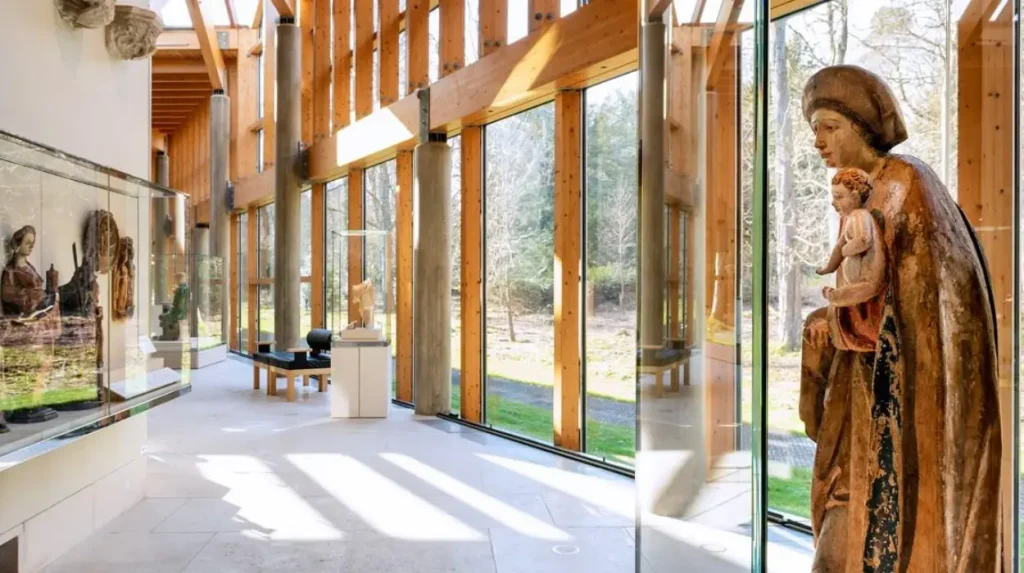
Situated inside Pollok Country Park, The Burrell Collection displays approximately 9,000 objects collected by businessman and art collector Sir William Burrell.
Its collections include European paintings, medieval artefacts, Asian art, ancient Egyptian objects and decorative pieces. The museum provides an opportunity to explore thousands of years of artistic and cultural history.
4. Gallery of Modern Art (GoMA)
GoMA occupies a historic neoclassical building in Glasgow city centre. It presents modern and contemporary artwork, including exhibitions exploring social issues, identity and creative expression.
The Duke of Wellington statue outside the gallery is another recognisable Glasgow landmark. Its frequently photographed traffic cone has become part of the city’s popular visual identity.
5. The Hunterian Museum
Located at the University of Glasgow, The Hunterian is one of Scotland’s oldest public museums. It was established in 1807 following the bequest of physician and collector William Hunter.
Its displays include archaeological discoveries, Roman artefacts, scientific instruments, natural history specimens and historical collections.
These museums provide different perspectives on Glasgow’s identity. Kelvingrove focuses on broad cultural collections, Riverside explores industrial development, while The Burrell Collection connects international art history with a significant private collection.
According to VisitScotland’s Glasgow attraction guide, these institutions are among the city’s leading free visitor attractions.
Visitors should distinguish free permanent admission from ticketed temporary exhibitions. Opening hours and access arrangements also change during maintenance and special events.
Which Free Parks and Gardens Should You Explore in Glasgow?
Glasgow has more than 90 parks and gardens, providing free opportunities for walking, picnicking, wildlife observation and outdoor recreation. Kelvingrove Park, Glasgow Green, Pollok Country Park and Glasgow Botanic Gardens are important examples.
1. Kelvingrove Park
Kelvingrove Park is a Victorian public park established in 1852. It follows the River Kelvin and provides landscaped paths, lawns, monuments and riverside scenery.
Visitors can combine a free outdoor walk with a visit to Kelvingrove Art Gallery and Museum. Its location also makes it convenient for exploring the University of Glasgow.
2. Glasgow Green
Glasgow Green is the city’s oldest public park and an important historic recreational space in the East End.
It contains open lawns, riverside walking routes, monuments and the Doulton Fountain. The park also hosts major public events and cultural gatherings.
The neighbouring People’s Palace is currently closed for major refurbishment, so visitors should plan around the outdoor attractions.
3. Pollok Country Park
Pollok Country Park is Glasgow’s largest country park. Located in the Southside, it combines woodland, open grassland, riverside paths and historic estate landscapes.
The park is also associated with Highland cattle, which attract visitors interested in seeing these distinctive animals. Walking through its natural surroundings provides a free countryside experience within the city.
4. Glasgow Botanic Gardens
Glasgow Botanic Gardens occupies a substantial green space in the West End. It is known for its Victorian glasshouses, botanical collections, landscaped grounds and walking paths.
The Kibble Palace is its most recognisable structure. This historic iron-and-glass conservatory opened at its present location in 1873 and contains important plant collections.
Glasgow’s parks have historical and environmental importance. During the nineteenth century, industrial urbanisation increased the need for public recreational spaces. Public parks provided opportunities for exercise, relaxation and community activities.
Today, these spaces also support urban biodiversity. Trees, waterways, grasslands and planted areas provide habitats for birds, insects and other wildlife.
Visit Glasgow identifies parks and gardens as a defining part of the city’s outdoor identity.
Which Free Historic Attractions Can You Visit in Glasgow?
Glasgow’s historic attractions include medieval religious buildings, Victorian monuments, historic cemeteries and traditional civic architecture. Glasgow Cathedral, Glasgow Necropolis, George Square and Provand’s Lordship provide accessible ways to understand the city’s architectural and social history.
1. Glasgow Cathedral
Glasgow Cathedral is a major medieval religious building dedicated to Saint Mungo, the patron saint of Glasgow.
Its origins are associated with the medieval Christian settlement that developed around the saint’s religious community. The cathedral contains historic stonework, Gothic architectural features and significant religious heritage.
General visitor admission is free, although donations are encouraged.
2. Glasgow Necropolis
Glasgow Necropolis is a Victorian garden cemetery located beside Glasgow Cathedral. Established in the nineteenth century, it contains elaborate monuments, memorial sculptures and historic graves.
Its elevated position provides views across the surrounding city. Visitors can explore its paths and discover the stories of individuals associated with Glasgow’s commercial, industrial and civic development.
3. George Square
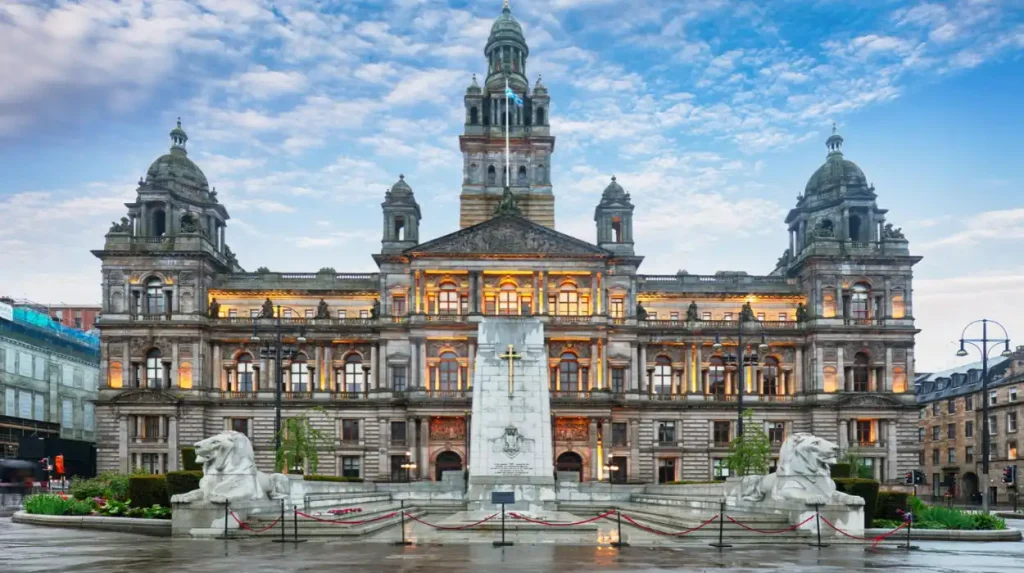
George Square is a central civic square surrounded by historic buildings and public monuments. It provides an accessible introduction to Glasgow’s architectural and political heritage.
Visitors can examine statues commemorating important historical figures and admire the exterior of Glasgow City Chambers, the city’s principal municipal building.
4. Provand’s Lordship
Provand’s Lordship is one of Glasgow’s oldest surviving medieval buildings. Dating from 1471, it provides evidence of the city’s architectural development before its major industrial expansion.
Its historic setting near Glasgow Cathedral makes it an important stop for visitors exploring the Cathedral Precinct. Check visitor arrangements before planning an interior visit.
These attractions demonstrate how Glasgow developed from a medieval religious settlement into a major Scottish commercial and industrial centre.
The Cathedral Precinct is particularly useful for understanding the city’s early history. Glasgow Cathedral, Provand’s Lordship and the Necropolis are located close to one another, making it possible to explore several historic landmarks during one walking trip.
The St Mungo Museum of Religious Life and Art is another nearby cultural attraction, although visitors should verify its current opening arrangements before travelling.
Where Can You Find Free Street Art and Murals in Glasgow?
Glasgow’s city centre mural trail features large-scale public artworks displayed on building walls and urban surfaces. Visitors can discover these murals independently while exploring streets around Merchant City, Trongate, the city centre and surrounding neighbourhoods.
Glasgow’s mural trail is one of its most accessible free cultural experiences. It connects public art with the city’s buildings, streets and local identity.
The murals include portraits, historical references, nature-inspired illustrations and contemporary urban designs. Many artworks are large enough to cover entire building walls, making them prominent features of the streetscape.
One well-known example is the Saint Mungo mural, which represents Glasgow’s patron saint through imagery associated with the city’s traditional religious symbolism.
Other murals explore subjects such as Scottish culture, renewable energy, community identity and Glasgow’s industrial heritage.
The trail allows visitors to experience public art without entering a gallery or purchasing tickets. It also provides opportunities to photograph architectural details and discover less familiar parts of the city centre.
Visit Glasgow includes the city centre mural trail within its budget-friendly attractions guide. Visit Glasgow+1
For a more productive visit, start around the city centre and explore the murals on foot. Check the official mural trail map because individual artworks can be removed, restored or replaced.
Which Free Walking Routes Offer the Best Views of Glasgow?
Glasgow has several free walking routes connecting parks, rivers, historic buildings and urban neighbourhoods. The River Clyde, Kelvin Walkway, city centre streets and Pollok Country Park provide different opportunities to explore the city without paying for organised tours.
River Clyde Walks
The River Clyde is central to Glasgow’s industrial and maritime history. Its riverside paths connect areas associated with historic shipbuilding, modern waterfront redevelopment and cultural attractions.
Visitors can enjoy views of bridges, riverside architecture and public spaces while learning about the river’s influence on Glasgow’s economy.
Kelvin Walkway
The Kelvin Walkway follows the River Kelvin through parts of Glasgow’s West End. It connects green spaces and provides a quieter alternative to busy city streets.
Walkers can combine the route with Kelvingrove Park and Glasgow Botanic Gardens.
University of Glasgow Grounds
The University of Glasgow’s Gilmorehill campus contains impressive Gothic Revival architecture, historic courtyards and public spaces.
The university was founded in 1451, making it one of the oldest universities in the English-speaking world. Its historic cloisters are particularly popular with photographers.
Pollok Country Park Walking Routes
Pollok Country Park offers woodland paths, open grassland and riverside walking opportunities. Its extensive landscape allows visitors to spend several hours outdoors without paying an entrance fee.
Walking is an effective way to combine Glasgow’s free attractions. The West End provides access to the university, Kelvingrove Park, Kelvingrove Museum and the Botanic Gardens.
The city centre offers a different route connecting George Square, GoMA, public murals and the historic Merchant City district.
Visitors should wear comfortable footwear and check weather conditions. Some riverside paths and woodland sections have uneven surfaces, slopes or muddy areas after rainfall.
What Free Activities Can Families Enjoy in Glasgow?
Families can enjoy Glasgow’s free museums, public parks, gardens, walking routes and selected community activities. Kelvingrove Museum, Riverside Museum, Pollok Country Park, Glasgow Green and Tollcross Children’s Farm provide accessible options for different ages.
Glasgow offers several free family activities that combine education, recreation and outdoor exploration.
Kelvingrove Art Gallery and Museum is particularly useful for families because its collections cover a broad range of subjects. Children can encounter historical objects, natural history displays, artworks and large-scale exhibits.
Riverside Museum provides another educational experience. Its historic transport displays introduce children to the development of cars, trams, bicycles and other vehicles.
Outdoor attractions provide additional opportunities for family recreation.
Pollok Country Park offers open spaces and woodland paths, while Glasgow Green provides playgrounds and room for outdoor activities.
Tollcross Park is another important family destination. It contains gardens, play areas and Tollcross Children’s Farm, which has historically provided free access to visitors. Check current opening arrangements before travelling.
Families can also explore free organised activities through Glasgow’s cultural institutions. Glasgow Life museums regularly publish programmes involving creative workshops, family learning and educational sessions.
Visit Glasgow’s family activity guide identifies Kelvingrove, The Burrell Collection and Tollcross Children’s Farm among its low-cost and free family attractions. Visit Glasgow+1
Parents should distinguish free general admission from paid refreshments, parking, transport and special activities. Planning around these additional costs makes it easier to organise a genuinely low-budget family day.
Where Can You Enjoy Free Nature and Wildlife Activities in Glasgow?
Glasgow’s natural spaces provide opportunities to observe birds, plants, insects and other wildlife without paying admission. Pollok Country Park, Glasgow Botanic Gardens, Kelvingrove Park and Seven Lochs Wetland Park offer different habitats for outdoor exploration.
Glasgow’s urban environment includes important natural habitats. Parks, wetlands, rivers and woodland areas support biodiversity and provide opportunities for environmental education.
Seven Lochs Wetland Park is particularly relevant to visitors interested in wildlife. It covers an extensive area across Glasgow and North Lanarkshire, incorporating lochs, wetlands, woodland and grassland habitats.
Hogganfield Loch is one of its notable wildlife locations. Visitors can observe waterbirds, including ducks and swans, while exploring the surrounding paths.
Pollok Country Park offers another natural environment. Its woodland, riverside vegetation and open grassland create opportunities to observe seasonal wildlife.
Glasgow Botanic Gardens provides a different experience through its botanical collections. The Kibble Palace and other glasshouses contain plants from different climatic regions, while the outdoor grounds feature mature trees and seasonal planting.
Nature-based activities also contribute to environmental awareness. Birdwatching, identifying plants and observing insects introduce visitors to urban ecology and the importance of green infrastructure.
These experiences are particularly useful for families, students, photographers and people interested in conservation.
Which Free Cultural and Community Activities Are Available in Glasgow?
Glasgow provides free cultural experiences through public art, community libraries, selected live music performances, public festivals and educational programmes. These activities connect visitors with local creativity, neighbourhood traditions and the city’s wider cultural identity.
Glasgow’s cultural activities extend beyond established museums and galleries. Community organisations, public institutions and event organisers provide opportunities to participate in creative activities throughout the year.
Free live music is available at selected venues and public events. Some Glasgow bars and cultural spaces host performances without charging an entrance fee, although food and drinks remain separate purchases.
Libraries also provide valuable free community facilities. Glasgow Libraries operate public reading spaces and organise activities such as reading groups, children’s sessions and educational programmes.
The city’s public festivals provide another opportunity to experience Glasgow without purchasing tickets. Some events include free outdoor performances, music, dance and cultural activities.
Glasgow Green and Kelvingrove Park are important locations for public gatherings. Their event programmes include large-scale cultural celebrations and community activities.
Visitors should check event dates and admission conditions before attending. Some festivals contain free public areas alongside separately ticketed performances and activities.
The official Visit Glasgow budget guide provides information about free cultural attractions, public art, live music and seasonal activities.
How Can You Spend a Full Day Enjoying Free Things to Do in Glasgow?
A full day in Glasgow can include historic landmarks, free museums, public parks and street art. Combining nearby attractions reduces transport requirements and allows visitors to experience different parts of the city without purchasing admission tickets.
Glasgow’s attractions are distributed across several neighbourhoods. Organising activities geographically helps visitors reduce unnecessary travel and make better use of their time.
The following itineraries provide practical examples.
Morning: Explore Glasgow’s Historic City Centre
Start at George Square and examine the surrounding civic architecture. Continue towards GoMA to explore its contemporary art exhibitions.
Walk through nearby streets to discover the city centre mural trail. Continue towards Glasgow Cathedral and explore the historic Cathedral Precinct.
The Glasgow Necropolis is another worthwhile stop for visitors interested in Victorian architecture and cemetery history.
Afternoon: Visit the West End
Travel towards the West End and visit Kelvingrove Art Gallery and Museum. Allow sufficient time to explore its permanent collections.
After the museum, walk through Kelvingrove Park and follow part of the River Kelvin.
Continue towards the University of Glasgow to explore its historic architecture and cloisters.
Finish at Glasgow Botanic Gardens and visit the Kibble Palace if the glasshouses are open.
Alternative: Spend a Day in Glasgow’s Southside
Visitors interested in nature and art can spend more time in the Southside.
Begin with Pollok Country Park and explore its woodland paths, open spaces and riverside scenery.
Visit The Burrell Collection to discover its international art and historical collections.
This combination provides an opportunity to enjoy both outdoor recreation and indoor cultural activities without paying general admission.
How Can You Visit Glasgow’s Attractions Without Spending Money?
Visitors can explore Glasgow on a limited budget by prioritising free permanent museum collections, public parks, historic landmarks and self-guided walking routes. Checking opening hours, using public transport and avoiding optional purchases helps keep daily sightseeing expenses low.
Although many Glasgow attractions provide free admission, visitors should understand the difference between free entry and a completely cost-free visit.
Museum admission generally does not include optional expenses such as refreshments, souvenirs, special exhibitions or transport.
A practical approach involves planning activities around geographical areas. Visitors can explore several nearby attractions on foot rather than paying for multiple transport journeys.
The following considerations help maintain a low-cost itinerary:
- Check admission policies: Confirm whether permanent collections and temporary exhibitions have different charges.
- Use public parks: Choose free outdoor spaces such as Glasgow Green and Kelvingrove Park.
- Plan walking routes: Combine nearby attractions to reduce transport expenses.
- Bring refreshments: Carrying water and packed food avoids unnecessary spending.
- Check event listings: Identify free public performances, workshops and community activities.
- Review opening hours: Avoid travelling to attractions that are closed for refurbishment or seasonal maintenance.
Public transport remains useful for travelling between distant neighbourhoods. Glasgow Subway, local buses and rail services connect the city centre with areas such as the West End and Southside.
Visitors should also consider accessibility. Many major museums provide accessible entrances, lifts and adapted facilities. However, outdoor routes can include slopes, uneven paths and changing ground conditions.
Free admission does not guarantee that every facility inside an attraction is available. Checking official visitor information before departure helps prevent unnecessary journeys.
When Is the Best Time to Enjoy Free Things to Do in Glasgow?
Glasgow offers free activities throughout the year, but the best time depends on weather, daylight, seasonal events and attraction opening hours. Spring and summer suit outdoor exploration, while museums and galleries provide reliable indoor alternatives during colder months.
Glasgow has a temperate maritime climate, characterised by relatively mild temperatures, regular rainfall and changing weather conditions.
Spring is suitable for exploring botanical gardens and public parks. Seasonal flowers, fresh vegetation and longer daylight hours improve outdoor sightseeing opportunities.
Summer provides more daylight for walking routes, photography and riverside activities. Public parks also host seasonal gatherings and cultural events.
Autumn brings changing foliage to Kelvingrove Park, Pollok Country Park and other green spaces. Visitors interested in landscape photography can explore the city’s woodland and riverside environments.
Winter is particularly suitable for indoor cultural attractions. Museums such as Kelvingrove, Riverside and The Burrell Collection provide opportunities to explore Glasgow’s history without relying on outdoor conditions.
However, outdoor activities remain possible throughout the year. Visitors should prepare for rainfall, shorter daylight hours and colder temperatures.
Seasonal opening arrangements also affect botanical glasshouses, outdoor facilities and public events. Checking the official attraction website before travelling is an important part of planning.
Explore More Area Guide
Cheap Things to Do in Glasgow: Free Attractions and Activities
Cost of Living in Glasgow: How Much Does One Person Need?
What Should You Know Before Visiting Glasgow’s Free Attractions?
Glasgow’s free attractions operate under different opening schedules and visitor arrangements. Checking official websites, accessibility information, temporary closures and event details before travelling helps visitors organise their activities and avoid unexpected admission or transport expenses.
Several practical considerations improve the visitor experience.
Museum opening hours: Glasgow museums generally operate during daytime hours, but schedules differ between venues and days. Some museums open later on Fridays or Sundays.
Temporary closures: The People’s Palace is closed for major refurbishment. Visitors should check its reopening announcements before planning a visit.
Photography: Public parks, streets and many museum spaces provide photography opportunities. Individual exhibition restrictions apply.
Accessibility: Major museums generally offer accessible visitor facilities. Outdoor walking routes vary in surface quality, gradient and accessibility.
Public transport: Glasgow’s Subway, railway and bus networks connect major cultural districts. Walking remains practical within central neighbourhoods.
Donations: Free admission does not prevent visitors from making voluntary donations to support cultural institutions.
Reliable information is available through Glasgow Life, Glasgow City Council, Historic Environment Scotland and VisitScotland. These organisations provide visitor information, historical context and details about public facilities.
Which Free Things to Do in Glasgow Are Worth Including in Your Visit?
Glasgow provides an extensive range of free activities for residents and visitors. Its museums, public art, historic buildings, parks and botanical gardens make cultural and outdoor experiences accessible without standard entrance charges.
Kelvingrove Art Gallery and Museum, Riverside Museum and The Burrell Collection provide opportunities to explore art, transport and history. Glasgow Cathedral, Glasgow Necropolis and George Square reveal the city’s architectural development.
For outdoor recreation, Kelvingrove Park, Glasgow Green, Pollok Country Park and Glasgow Botanic Gardens provide accessible green spaces. The River Clyde, Kelvin Walkway and city centre mural trail offer additional opportunities for exploration.
Families can enjoy educational museums, playgrounds and nature-based activities, while photographers and history enthusiasts can explore Glasgow’s historic architecture and public artworks.
By combining nearby attractions, checking visitor information and using public spaces, visitors can experience Glasgow without making a large sightseeing budget necessary.
What are the best free things to do in Glasgow?
The best free things to do in Glasgow include visiting Kelvingrove Art Gallery and Museum, Riverside Museum, Glasgow Cathedral, Glasgow Green, Kelvingrove Park, Glasgow Botanic Gardens and the city centre mural trail.