Glasgow has one of the strongest live music ecosystems in the United Kingdom. The city is officially recognised by UNESCO as a Creative City of Music and has a long history of supporting musicians, promoters, independent venues, record labels and audiences across multiple genres. UNESCO identifies Glasgow as the largest music economy in the UK after London and notes that more than half of Scotland’s music workforce is based in the city.
- Why does Glasgow have such a strong independent music venue scene?
- Which Glasgow independent venue is best for discovering emerging artists?
- Why is SWG3 one of Glasgow’s most important independent music spaces?
- What makes Sub Club important for electronic music in Glasgow?
- Where can visitors find intimate live music in Glasgow’s West End?
- Which independent Glasgow venue is best for community-focused music and arts?
- Which Glasgow venues are best for alternative, indie and late-night music?
- Is Barrowland Ballroom still important if I want an independent Glasgow music experience?
- How should visitors choose between Glasgow’s independent music venues?
- Why are independent music venues important to Glasgow’s future?
- What are the best independent music venues in Glasgow beyond the Hydro?
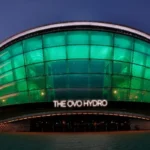
The OVO Hydro is Glasgow’s best-known large-scale concert arena, but the city’s music identity extends far beyond arena shows. Independent and grassroots venues provide smaller rooms, specialist programming, emerging-artist platforms and opportunities for local promoters. These spaces operate at different scales, from intimate rooms holding around 100 people to larger independent complexes accommodating thousands.
The independent venue network also covers different musical cultures. King Tut’s Wah Wah Hut focuses strongly on emerging rock, indie and singer-songwriter talent. The Hug and Pint combines grassroots music with a bar and pizzeria. The Glad Cafe operates as a community-focused multi-arts venue in Glasgow’s Southside. SWG3 combines live music, electronic events, visual art and creative industries. Sub Club is a landmark underground electronic music institution.
Other venues, including Nice N Sleazy, Broadcast and McChuills, add further variety across punk, indie, alternative, electronic, DJ-led and live-band programming.
This makes Glasgow particularly useful for visitors who want to experience the city’s music culture at a more intimate scale than a major arena. A visit to an independent venue also connects audiences with the infrastructure that supports new artists before they reach larger stages.
Why does Glasgow have such a strong independent music venue scene?
Glasgow has a strong independent music scene because established grassroots venues, specialist clubs, creative organisations and audiences operate across many genres. UNESCO recognises Glasgow as an international music centre, while local strategies identify grassroots venues as essential cultural and economic assets.
Glasgow’s music reputation developed through a combination of performers, venues, promoters, record labels, educational institutions and audiences. The city became a UNESCO City of Music in 2008. UNESCO states that music remains central to Glasgow’s cultural life and highlights its strong music businesses, workforce, higher-education infrastructure and live events.
The city also has a particularly dense concentration of music-related activity. UNESCO identifies Glasgow as the largest music economy in the UK after London. More than half of Scotland’s music workforce is based in Glasgow, according to the organisation.
Grassroots venues form an important part of that ecosystem because they provide spaces for artists at different stages of their careers. A 200-capacity club serves a different function from a 14,000-plus-capacity arena. Smaller venues provide earlier performance opportunities, specialist audiences and environments where new promoters can develop events.
Glasgow City Council’s current night-time strategy also recognises the importance of grassroots music venues. Its 2026–2030 Nightshift Glasgow baseline identifies venues such as King Tut’s, Barrowland Ballroom and Sub Club alongside the OVO Hydro as major components of the city centre’s evening economy.
The council has also highlighted financial pressures affecting music venues. Rising rents, wages, utilities and reduced consumer spending have placed pressure on the night-time economy. The council has specifically identified the protection of existing live music and cultural venues as an area for future action.
This context explains why Glasgow’s independent venues are important beyond their individual concert programmes. They form part of the wider system that produces, develops and presents music in the city.
Which Glasgow independent venue is best for discovering emerging artists?
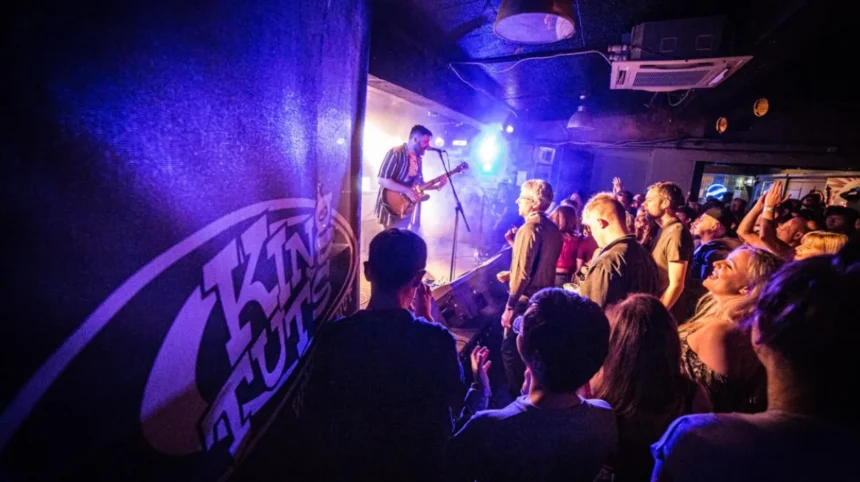
King Tut’s Wah Wah Hut is one of Glasgow’s defining grassroots venues for emerging artists. Opened in 1990, the 300-capacity venue has hosted early performances by internationally successful acts and continues to programme developing Scottish and international artists.
King Tut’s Wah Wah Hut is located at 272A St Vincent Street in central Glasgow. The venue opened in 1990 and has built its identity around discovering and supporting emerging talent.
Its historical significance is substantial. King Tut’s records early appearances by artists including Radiohead, The Verve, Travis, Muse, Coldplay, Snow Patrol and Biffy Clyro. The venue also hosted Blur’s first Scottish performance in 1990, when the audience numbered only around 40 people.
The venue’s history demonstrates the role that small rooms play in artist development. Acts that later perform in arenas and festivals frequently pass through smaller venues during earlier stages of their careers.
King Tut’s continues this role in the 2020s. Its New Year’s Revolution programme in January 2026 featured more than 80 artists across a month-long programme focused on Scottish grassroots music. The venue described the room as having a 300-person capacity.
The programming covers indie, rock, pop and singer-songwriter music, among other styles. Its calendar therefore suits visitors who want to identify emerging artists before they appear on larger stages.
The location also makes King Tut’s convenient for visitors. Glasgow Central is approximately 650 metres away, while Charing Cross station is approximately 500 metres from the venue. Nearby Subway stations and bus routes provide additional transport options.
For visitors seeking the classic small-room Glasgow gig experience, King Tut’s is one of the most significant venues to include on an itinerary.
Why is SWG3 one of Glasgow’s most important independent music spaces?
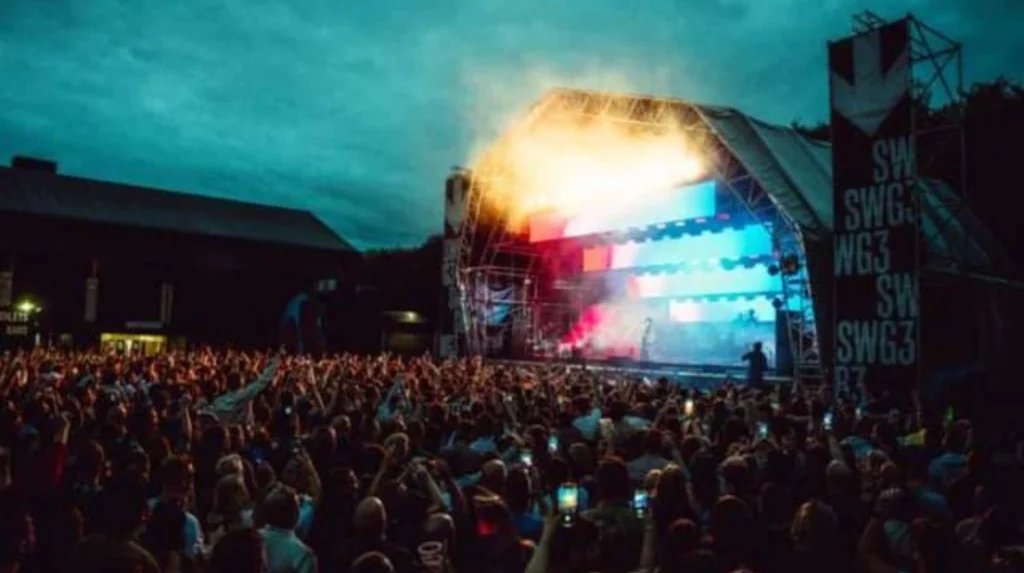
SWG3 is an independent multi-disciplinary venue complex in Glasgow’s West End that combines live music, electronic events, visual art, creative studios and large-scale cultural programming. Its converted industrial spaces provide several capacities and formats within one site.
SWG3 occupies a former industrial site at 100 Eastvale Place near the Clyde. The organisation describes the complex as a collection of spaces that developed from a former galvanisers’ yard and warehouses associated with Glasgow’s industrial history.
The venue began with artists’ studios in a derelict warehouse before developing into a larger multi-disciplinary arts destination. SWG3 describes its evolution as a transformation of industrial infrastructure into a creative-economy venue.
Music is one of its central activities. The programme includes live bands, electronic music, club nights and large-scale events. The site also supports visual art, design, fashion and creative workspaces.
Its physical scale separates SWG3 from many conventional grassroots clubs. The 2026 venue information lists capacities ranging from small spaces to major event areas. The Poetry Club accommodates 125 standing, while the Galvanizers space accommodates up to 1,250 standing. The wider complex includes an outdoor Galvanizers Yard with a stated standing capacity of 4,200.
The Poetry Club is particularly relevant to visitors searching for intimate performances. It was co-founded by SWG3 and artist Jim Lambie and contains artwork associated with Lambie. The room accommodates 125 standing or 40 seated.
SWG3 therefore covers several levels of Glasgow’s music ecosystem. Smaller performances operate alongside club nights, electronic events and large outdoor productions.
Its location in Finnieston also places it within one of Glasgow’s established food, hospitality and nightlife districts. The nearest major transport hub is Partick Interchange, followed by a walk of approximately 10 minutes to the venue.
What makes Sub Club important for electronic music in Glasgow?
Sub Club is one of Glasgow’s most historically important independent electronic music venues. Founded in 1987 at 22 Jamaica Street, the basement club has developed a global reputation for underground dance music and hosts the long-running Subculture club night.
Sub Club operates at 22 Jamaica Street in central Glasgow. It opened on 1 April 1987 in a former nightclub space and has remained associated with underground electronic music for decades.
The club occupies a 3,500-square-foot basement and has a stated capacity of up to 410 people. Its physical design includes a low-ceilinged dancefloor, exposed brickwork, steel beams and separate bar areas.
Sub Club is especially significant because its cultural role extends beyond individual DJ bookings. Its Subculture night began in 1994 and has developed into one of the longest-running weekly house and techno club nights in the world.
The club has also been associated with influential Glasgow electronic music figures and organisations. Its heritage pages identify artists and collectives including Slam, Optimo, Numbers and Sensu within the wider network of local electronic music.
This makes Sub Club particularly relevant for visitors interested in house, techno and underground club culture rather than conventional live-band concerts.
The venue also demonstrates how an independent music space can influence a city’s international reputation. Glasgow’s UNESCO designation specifically recognises the city’s strength across genres including rock, pop, classical music and electronica.
Visitors should distinguish Sub Club from a conventional concert venue. Its primary identity is an underground dance club, with the experience centred on DJs, sound systems, club nights and electronic music culture.
For anyone researching Glasgow’s electronic music heritage, Sub Club belongs among the city’s essential independent venues.
Where can visitors find intimate live music in Glasgow’s West End?
The Hug and Pint is an independent grassroots venue, bar and pizzeria on Great Western Road. Opened in June 2015, it presents emerging local artists, established performers and international touring acts in an intimate West End setting.
The Hug and Pint is located at 171 Great Western Road in Glasgow’s West End. It opened in June 2015 and marked its tenth anniversary in 2025. The venue identifies itself as an independent grassroots music venue, bar and pizzeria.
Its programming has included established and emerging musicians from Glasgow, the wider UK and overseas. The venue’s own history lists performances by Big Thief, Mitski, Black Midi, Japanese Breakfast, Lankum and Lucy Dacus.
The venue has a particularly broad alternative-music profile. Its programming includes indie, experimental music, punk, post-punk, folk, electronic projects and other contemporary forms.
Its community focus is another defining feature. The venue describes itself as a community space designed around music and social connections. This distinguishes it from larger commercial concert halls.
The Hug and Pint is also integrated into Glasgow’s wider cultural calendar. The Glasgow Jazz Festival selected it as one of its 2026 venues, demonstrating that its programme extends beyond one narrow genre.
Its West End location provides straightforward access by Subway. The venue describes St George’s Cross as the nearest Subway station.
For visitors staying around the West End, The Hug and Pint provides a compact way to experience Glasgow’s independent music culture without travelling into the city centre.
Its programming also makes it useful for people interested in discovering artists at smaller stages. Events in 2026 included international touring performers alongside alternative acts from different scenes.
Which independent Glasgow venue is best for community-focused music and arts?
The Glad Cafe is a Southside community venue combining a cafe, bar, live music programme and wider arts activity. Its 250-capacity venue supports music, workshops and creative projects while operating as a not-for-profit, vegan and community-oriented organisation.
The Glad Cafe is located at 1006A Pollokshaws Road beside Queen’s Park in Glasgow’s Southside. The venue describes itself as a cafe, bar and multi-arts space built around creativity, hospitality and community.
The organisation opened more than a decade ago with the stated aim of creating an accessible and supportive space for music and arts. It operates a 250-capacity venue.
Its identity extends beyond concerts. The Glad Cafe supports workshops and music lessons through The Glad Foundation. Its associated Glad Rags Thrift shop contributes to the organisation’s wider community activity.
The venue is also notable for its organisational structure. It describes itself as not-for-profit and 100% vegan. The combination of food, hospitality, music and community programming gives the venue a broader cultural function than a conventional concert room.
The Southside location also makes it accessible to visitors exploring Shawlands and Queen’s Park. Crossmyloof railway station is nearby, while buses provide additional connections.
The Glad Cafe is particularly suitable for visitors who want music combined with an independent neighbourhood atmosphere. Its programming changes throughout the year, so checking the venue calendar before travelling is important.
Its community role also reflects a wider characteristic of Glasgow’s grassroots music infrastructure. Independent venues frequently operate as cultural meeting places rather than simply ticketed concert spaces.
Which Glasgow venues are best for alternative, indie and late-night music?
Nice N Sleazy and Broadcast provide two central Glasgow options for alternative live music, club nights and late-night programming. Both operate on Sauchiehall Street and combine intimate performance spaces with bars and broader nightlife activity.
Nice N Sleazy operates at 421 Sauchiehall Street. Its event structure includes a downstairs venue with a stated capacity of 200 and a ground-floor space with a capacity of 130.
The venue presents gigs, club nights, live sessions, film screenings, after-parties and other events. Its programme covers alternative music and a broad range of independent performers.
Nice N Sleazy also operates regular community-oriented programming. Its calendar includes open mic events, traditional Scottish music sessions, vinyl events, karaoke and genre-specific club nights.
The venue explicitly states that it works with artists, promoters and activists and aims to support innovative projects. It also provides production equipment, lighting and sound facilities for hired events.
Broadcast is located nearby at 427 Sauchiehall Street. It operates as a bar, venue and club, with most gigs and club events taking place in its basement event space.
Broadcast has a sellable venue capacity of 160 plus guests. Its programming has included artists such as Catfish & The Bottlemen, DMA’s, Mac DeMarco and Phoebe Bridgers during earlier stages of their careers.
The venue is open late and normally schedules live gigs in the evening, followed by club events that run later into the night. It is approximately a two-minute walk from Charing Cross railway station.
Together, Nice N Sleazy and Broadcast demonstrate the importance of Sauchiehall Street within Glasgow’s independent nightlife infrastructure.
Is Barrowland Ballroom still important if I want an independent Glasgow music experience?
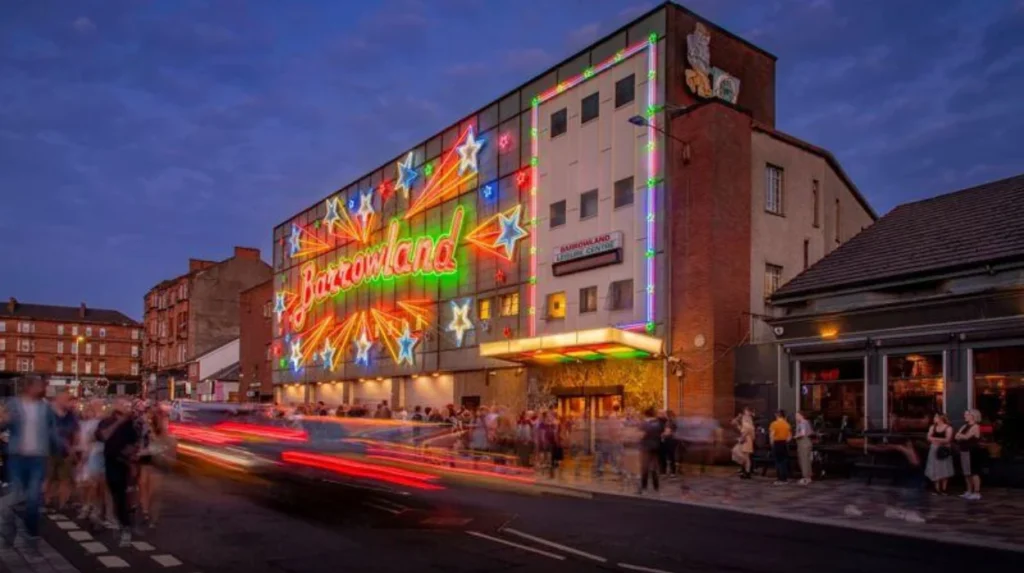
Barrowland Ballroom remains one of Glasgow’s most important independent concert venues because of its historic building, long-running ownership, sprung dancefloor and major role in the city’s live music heritage. It sits between grassroots rooms and arena-scale concerts.
Barrowland Ballroom is located on Gallowgate in Glasgow’s East End. The original ballroom opened in 1934 under Margaret McIver, who was also associated with the nearby Barras Market.
The original building was destroyed by fire in 1958 and rebuilt two years later. The rebuilt venue developed into the concert space recognised today.
Its cultural importance comes from decades of live performances by internationally recognised musicians. The venue has hosted artists from rock, pop and alternative music and remains strongly associated with Glasgow’s concert heritage.
Barrowland also occupies a distinct position in the city’s venue hierarchy. It is significantly larger than a small grassroots room but remains separate from the arena-scale OVO Hydro.
That makes it particularly useful for visitors who want a historic Glasgow concert experience without attending an arena show.
The venue is also part of the city’s broader music tourism identity. Visit Glasgow describes Barrowland as one of the city’s iconic venues and connects its history with Glasgow’s UNESCO City of Music status.
Its East End location also places it close to the Barras area, giving visitors an opportunity to combine a concert with one of Glasgow’s historic market districts.
For music tourism, Barrowland is therefore important because it connects Glasgow’s historical live-music infrastructure with its contemporary concert calendar.
Explore more Area Guide
What Are the Best Neighbourhoods to Live in as a Student in Glasgow?
How Much Money Do Students Really Need Each Month in Glasgow?
How should visitors choose between Glasgow’s independent music venues?
Visitors should choose venues according to music genre, room size, location and event format. King Tut’s suits emerging bands, Sub Club suits electronic music, The Hug and Pint suits alternative acts, and SWG3 suits larger multi-disciplinary productions.
Venue selection in Glasgow is easier when the visitor starts with the type of music rather than simply the venue name.
For emerging rock, indie and Scottish artists, King Tut’s is a strong starting point. Its 300-capacity room and long history of artist development make it especially relevant to discovery-focused audiences.
For electronic music, Sub Club is the specialist destination. Its 3,500-square-foot basement and long-running Subculture night provide a very different format from a conventional live concert.
For alternative and contemporary touring acts, The Hug and Pint provides an intimate West End environment. Its programme includes both Scottish artists and international performers.
For Southside visitors, The Glad Cafe provides a community-oriented combination of music, food, arts and workshops. Its position beside Queen’s Park also makes it convenient for a wider neighbourhood visit.
For larger independent productions, SWG3 offers the broadest physical range. Its spaces extend from the 125-capacity Poetry Club to much larger indoor and outdoor event areas.
For alternative nightlife, Nice N Sleazy and Broadcast both provide compact city-centre options. Their proximity on Sauchiehall Street makes it possible to build an evening around more than one venue.
Barrowland is the strongest choice for visitors who prioritise Glasgow’s historic concert culture and a larger room without moving into arena-scale entertainment.
Transport should also influence planning. King Tut’s is within walking distance of Glasgow Central and Charing Cross. Broadcast is close to Charing Cross. SWG3 is approximately a 10-minute walk from Partick Interchange.
Visitors should always check the individual event listing for age restrictions, accessibility arrangements, doors, start times and venue-specific requirements. These details differ between events.
Why are independent music venues important to Glasgow’s future?
Independent music venues are important to Glasgow because they develop artists, support promoters, sustain cultural employment and strengthen the city’s tourism identity. Glasgow’s current cultural and night-time strategies identify grassroots venues as assets requiring protection and continued investment.
Independent venues provide infrastructure that large arenas do not replace. A developing musician needs appropriately sized rooms before progressing to larger stages. Promoters also need spaces where new events can be tested and specialist audiences can be developed.
Glasgow City Council has formally recognised this role. Its recent policy discussions identify grassroots music venues as a significant part of the city’s musical ecosystem and note the importance of venues such as King Tut’s and Sub Club.
The same council material highlights financial pressure across the sector. It records closures affecting Glasgow’s grassroots and nightlife infrastructure and identifies broader pressures associated with post-pandemic recovery and operating costs.
The 2026–2030 Nightshift Glasgow strategy proposes a UNESCO Music City Ecosystem Audit to map existing provision, identify barriers and examine new opportunities for venues and programming. It also proposes a grassroots music venue support package involving relevant industry partners.
This policy direction is important for the future of Glasgow’s music economy. Protecting venues is not limited to preserving buildings. It involves maintaining spaces for artists, audiences, promoters, technicians, hospitality workers and creative organisations.
Glasgow’s UNESCO status also increases the importance of this ecosystem. UNESCO identifies the city’s music sector as a major cultural and economic asset and highlights its concentration of music businesses, workers, educational institutions and events.
For visitors, supporting independent venues therefore has a direct cultural significance. Buying tickets, attending local shows and discovering developing artists contributes to the audience economy that allows these spaces to continue programming music.
The future of Glasgow’s live music identity depends on the relationship between large venues and smaller rooms. The OVO Hydro provides international arena-scale concerts, while independent venues provide the smaller stages where artists, promoters and audiences build the foundations of a sustainable music culture.
What are the best independent music venues in Glasgow beyond the Hydro?
The strongest independent music venues beyond the Hydro include King Tut’s Wah Wah Hut, SWG3, Sub Club, The Hug and Pint, The Glad Cafe, Nice N Sleazy, Broadcast and Barrowland Ballroom, each serving different genres, audiences and venue scales.
Glasgow’s independent music scene is not represented by one type of venue. It is a network of rooms, clubs, bars, creative complexes and historic concert spaces.
King Tut’s represents grassroots artist development and emerging live bands. Its 1990 opening and long record of presenting future major artists make it one of Glasgow’s defining small venues.
SWG3 represents the city’s larger independent creative infrastructure. Its industrial buildings now support music, electronic events, art, fashion and creative workspaces across several event spaces.
Sub Club represents Glasgow’s international electronic music heritage. Its 1987 foundation, basement setting and long-running Subculture night give it a unique position within the city’s nightlife.
The Hug and Pint represents the West End grassroots model. Its combination of independent music, food and community programming creates an intimate setting for contemporary performers.
The Glad Cafe represents Southside community culture, combining music, arts, food and educational activity.
Nice N Sleazy and Broadcast represent the continuing role of Sauchiehall Street in Glasgow’s alternative and late-night music economy.
Barrowland Ballroom represents the historic middle ground between grassroots rooms and major arenas. Its 1934 origins and rebuilt post-1958 structure make it one of Glasgow’s most recognisable music landmarks.
Together, these venues explain why Glasgow’s music culture cannot be reduced to the OVO Hydro. The city’s identity as a UNESCO City of Music depends on a much wider network of spaces and people.
For visitors, the best approach is to select a venue according to the music being played, the size of the room and the neighbourhood being explored. For the wider Glasgow music economy, the continued operation of these independent venues remains central to artist development, cultural tourism and the city’s international music reputation.
What are the best independent music venues in Glasgow?
The best independent music venues in Glasgow include King Tut’s Wah Wah Hut, SWG3, Sub Club, The Hug and Pint, The Glad Cafe, Nice N Sleazy, Broadcast and Barrowland Ballroom. Each venue offers a different music style, atmosphere and capacity.