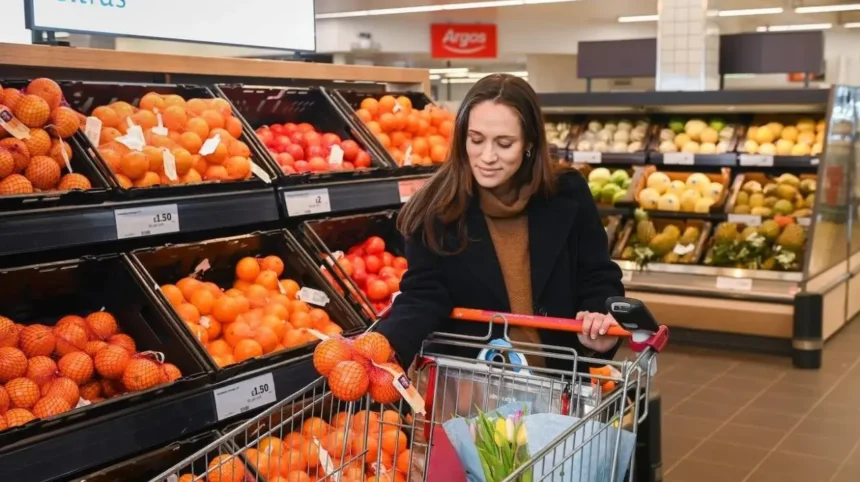
Living costs in Glasgow depend partly on how much residents spend on groceries, including fresh produce, dairy products, meat, bread, cupboard essentials and household food supplies. Understanding the average grocery cost in Glasgow helps individuals, students, couples and families plan realistic monthly budgets and compare supermarket prices.
- What Is the Average Grocery Cost in Glasgow?
- How Much Should a Single Person Spend on Groceries in Glasgow?
- How Much Do Couples and Families Spend on Groceries in Glasgow?
- How Much Do Common Grocery Items Cost in Glasgow?
- Which Supermarkets Offer the Best Value for Grocery Shopping in Glasgow?
- How Has Grocery Inflation Affected Food Costs in Glasgow?
- How Can Glasgow Residents Reduce Their Monthly Grocery Bills?
- How does meal planning reduce grocery expenditure?
- Why do unit prices matter?
- How can seasonal food and frozen produce help?
- What other practical steps reduce grocery costs?
- What Is a Realistic Weekly Grocery Budget in Glasgow?
- How Should Students and Low-Income Households Budget for Groceries in Glasgow?
- How Can You Calculate Your Own Average Grocery Cost in Glasgow?
- What Should Glasgow Residents Expect From Grocery Costs in the Future?
The cost of groceries varies according to household size, dietary requirements, shopping frequency, supermarket choice and the balance between branded and own-label products. Residents who plan meals, compare unit prices and buy seasonal produce manage food spending more effectively.
What Is the Average Grocery Cost in Glasgow?
The average grocery cost in Glasgow depends on household size, diet and shopping habits. A single adult generally needs a budget of around £180–£300 per month for groceries, while couples and families require larger budgets based on their food consumption and product choices.
Grocery costs refer to the money households spend on food and non-alcoholic drinks purchased from supermarkets, convenience shops, markets and other food retailers. The term generally excludes restaurant meals, takeaway orders and household bills unrelated to food.
Glasgow is Scotland’s largest city and a major urban centre in the United Kingdom. Its food retail market includes large supermarkets, discount retailers, independent grocers, specialist international food shops and neighbourhood convenience stores. This variety gives residents several ways to manage their grocery expenditure.
The figures in this guide are indicative budgeting estimates, not official Glasgow-wide averages. Actual expenditure changes with inflation, promotions, dietary needs and the quantity of food purchased. For an accurate household budget, shoppers should compare current prices at their preferred local stores.
A useful starting point is to separate grocery spending into three categories: essential food, optional purchases and household consumables. Essential food includes staples such as rice, potatoes, vegetables, eggs and bread. Optional purchases include premium snacks and convenience foods. Household consumables include cleaning products and toiletries, which increase the checkout total but are not groceries in the strict food-budget sense.
How Much Should a Single Person Spend on Groceries in Glasgow?
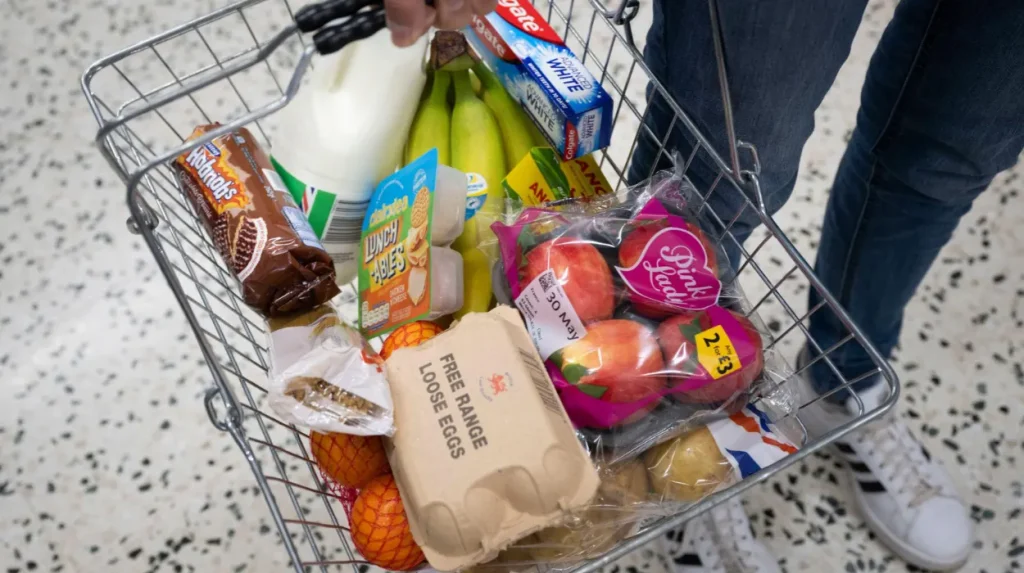
A single adult in Glasgow can use £180–£300 per month as an initial grocery budget for meals prepared at home. Spending depends on dietary preferences, food waste, supermarket selection, convenience purchases and the frequency of shopping trips.
A single-person household usually spends less overall than a family, although buying smaller quantities sometimes increases the cost per portion. Products sold in multipacks and large packages often offer better unit prices, but savings disappear when food expires before it is used.
A practical monthly budget can be divided into three spending levels.
- £150–£180: A tightly controlled budget based on affordable staples, home cooking, seasonal vegetables and limited convenience food.
- £180–£250: A moderate budget covering varied meals, fresh produce, dairy products, meat or alternatives, snacks and occasional premium purchases.
- £250–£300 or more: A flexible budget for a wider product selection, specialist ingredients, convenience foods, premium brands and dietary requirements.
These are planning ranges rather than measured spending averages for Glasgow residents. The lowest budget requires regular meal planning and careful monitoring of prices.
The UK Government’s Family Food FYE 2025 report provides a useful national benchmark. It estimates household expenditure on food and non-alcoholic drinks consumed at home at £33.63 per person per week in the financial year ending March 2025. That equals approximately £146 per month when multiplied by 52 weeks and divided by 12 months. The reported figure is a national average, not a Glasgow-specific minimum or recommended budget.
For a single person who eats most meals at home, this benchmark helps establish a starting point. A more flexible budget allows room for products that cost more, unexpected price changes and occasional food waste.
How Much Do Couples and Families Spend on Groceries in Glasgow?
Couples and families in Glasgow generally need larger grocery budgets because they purchase more meals, fresh produce and household food supplies. Monthly planning estimates range from £300–£500 for two adults to £500–£800 for a family of four.
Household size influences total spending, but grocery costs do not increase at exactly the same rate as the number of people. Families share ingredients, cooking equipment and larger packages. These efficiencies reduce the average cost per person when food is purchased and stored effectively.
The following estimates provide starting points for household budgeting.
These estimates cover groceries for home consumption and exclude restaurant meals, takeaway orders and most non-food household products. They are illustrative budgets rather than official household averages. Children’s ages, appetites and dietary needs significantly affect the final amount.
For example, a family that prepares porridge, sandwiches, pasta dishes, soups and home-cooked evening meals can use shared ingredients across several days. A household that buys individual snack packs, ready meals and branded convenience products generally requires a larger budget.
Families should also account for storage capacity. A large bag of rice offers good value when a household uses it regularly. Buying bulk quantities of fresh food without sufficient refrigeration increases spoilage and reduces the savings.
How Much Do Common Grocery Items Cost in Glasgow?
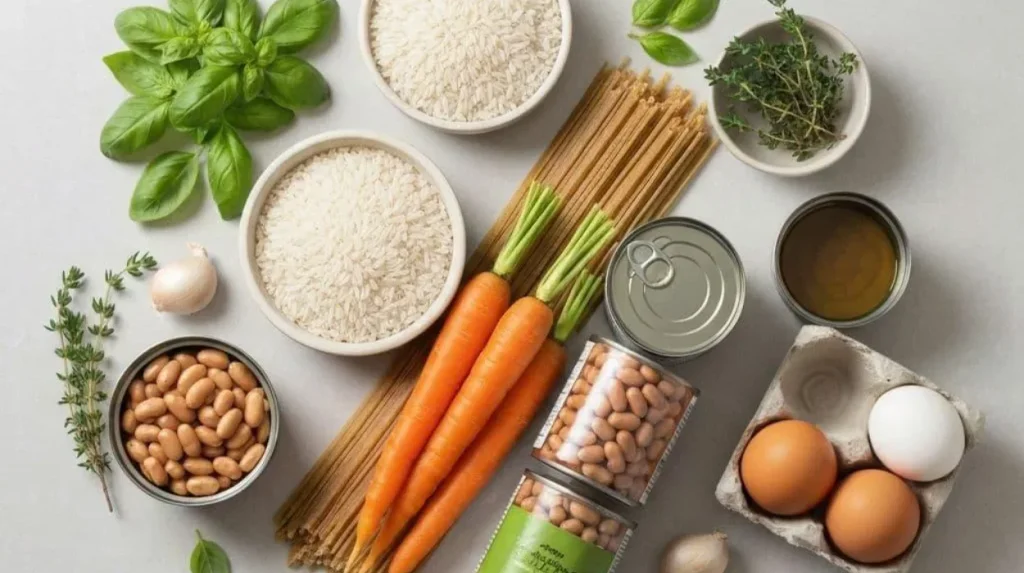
Grocery prices in Glasgow vary by supermarket, product size, brand and promotion. Everyday purchases include bread, milk, eggs, potatoes, rice, pasta, vegetables, fruit and meat. Checking current shelf prices provides a more reliable estimate than relying on a fixed citywide price list.
A grocery basket contains products with different price patterns. Staple carbohydrates, including oats, potatoes, rice and pasta, often provide economical meal foundations. Fresh meat, fish, cheese, branded snacks and prepared meals can account for a larger share of spending.
The following figures are indicative shopping estimates for budgeting, not verified live prices at Glasgow supermarkets.
Prices depend on pack size, product specification and the retailer. Organic food, premium brands, speciality diets and smaller convenience-store packs often cost more. These ranges should not be treated as quotations or as evidence that a particular product is currently available at a stated price.
Which grocery categories account for the largest costs?
For many households, the main categories include protein foods, dairy products, fresh produce and cupboard staples. Their relative importance depends on diet. A vegetarian household spends less on meat but can spend more on certain meat alternatives, nuts or specialist products.
The UK Government’s Family Food FYE 2025 data records changes in household purchasing quantities. Average weekly household purchases per person included approximately 880 grams of meat, 965 grams of fruit and 1,023 grams of vegetables, excluding potatoes. These figures describe national purchasing patterns rather than recommended dietary targets or Glasgow-specific consumption.
The most useful comparison is the price per kilogram, litre or individual serving. A £3 package is not necessarily cheaper than a £4 package if the second contains substantially more usable food. Comparing equivalent quantities reveals which product offers better value.
Which Supermarkets Offer the Best Value for Grocery Shopping in Glasgow?
Glasgow shoppers can compare discount supermarkets, large supermarket chains, local greengrocers and independent food shops to manage grocery costs. Aldi and Lidl are common options for budget shopping, while Tesco, Asda, Morrisons and Sainsbury’s offer broader product ranges and different promotional opportunities.
The best-value supermarket depends on the products in a household’s regular shopping basket. A retailer offering low prices on staples does not necessarily offer the lowest price on every fresh, frozen or branded item.
Aldi and Lidl
These discount supermarkets are worth comparing for own-label groceries, cupboard staples, dairy products, fruit and vegetables. Availability and prices vary by branch.
Tesco and Sainsbury’s
These retailers offer own-label and branded products, with selected promotional prices and loyalty schemes. Compare the eligible price rather than assuming every offer applies to every customer.
Asda and Morrisons
These supermarkets provide fresh food, frozen products, meat, dairy and household essentials. Check the total cost of a planned basket and any delivery charges.
Convenience stores provide useful access to essential items but frequently have a narrower selection and different pricing from larger supermarkets. Independent greengrocers and specialist food shops also deserve consideration when their prices, product quality and package sizes suit a household’s needs.
Glasgow’s international food shops serve communities seeking ingredients such as basmati rice, lentils, spices, pulses and speciality vegetables. Buying these ingredients in suitable quantities can improve value for households that use them regularly.
The most effective approach is to compare a consistent basket of 10–15 frequently purchased items. Record the price, package size and any applicable loyalty discount. Repeating this comparison monthly identifies which retailer offers the best overall value for a particular household.
How Has Grocery Inflation Affected Food Costs in Glasgow?
Grocery inflation increases or decreases the amount households pay for food over time. Glasgow shoppers experience changes through UK food supply chains, production expenses, transport costs, energy prices and retailer pricing, although the effect varies between individual products and shopping baskets.
Food inflation is the percentage change in food prices over a specified period. It differs from the overall cost of living inflation rate because the wider measure also includes categories such as housing, transport and clothing.
The Office for National Statistics reported that UK food and non-alcoholic beverage prices increased by 1.3% in the 12 months to September 2026. The category’s prices fell by 0.2% between August and September 2026. These are national figures, not a separate measurement of grocery prices in Glasgow. Office for National Statistics
What does inflation mean for a monthly grocery budget?
Consider a household spending £250 per month on groceries. If the prices of its regular purchases increased by 5%, and the household bought the same quantities, its monthly cost would rise to £262.50. That represents an additional £12.50 per month, or £150 over 12 months.
This is an illustrative calculation rather than a forecast. Actual spending depends on how prices change across individual food categories and whether households switch products or alter quantities.
Grocery inflation also interacts with household income. When food prices rise faster than disposable income, households have less money available for transport, utilities, savings and leisure. Lower-income households often face greater pressure because essential food accounts for a larger share of their available budget.
The UK Government’s Family Food statistical series provides historical expenditure and purchasing data, allowing comparisons between financial years. Its findings show why grocery spending should be assessed in both current prices and inflation-adjusted terms.
How Can Glasgow Residents Reduce Their Monthly Grocery Bills?
Glasgow residents can reduce grocery expenditure through meal planning, price comparisons, seasonal purchasing, batch cooking and sensible storage. Preparing a shopping list, choosing suitable own-label products and using existing ingredients before buying more food helps households control spending without relying on a single supermarket.
The most effective savings usually come from changing repeated purchasing habits rather than cutting out essential food groups. A household that reduces waste and compares prices every week can make its budget more predictable.
How does meal planning reduce grocery expenditure?
Meal planning links purchases to meals scheduled for the coming days. A household can use one ingredient in several dishes, such as carrots in soup, vegetable pasta and a cooked dinner. This reduces the number of separate ingredients required.
A weekly plan should account for breakfast, lunch, dinner and snacks. It should also use food already stored in cupboards, refrigerators and freezers before adding duplicate items to the shopping list.
Why do unit prices matter?
Unit prices show the cost per standard quantity, such as £1 per kilogram or £1 per litre. Comparing these figures helps shoppers evaluate different brands and package sizes.
A larger package provides better value only when the household uses its contents before they deteriorate. Freezing suitable foods in portions helps prevent bulk purchases from becoming waste.
How can seasonal food and frozen produce help?
Seasonal vegetables and fruit often provide economical options when supply is plentiful. Frozen vegetables, including peas, broccoli and mixed vegetables, offer convenient alternatives with a longer storage life.
Frozen produce also helps households use only the quantity needed for each meal. This reduces spoilage compared with purchasing more fresh food than the household can consume.
What other practical steps reduce grocery costs?
Residents can apply several methods consistently:
- Compare the total cost of a regular shopping basket at different retailers.
- Choose own-label alternatives when quality and ingredients meet household needs.
- Prepare larger portions of suitable meals and freeze leftovers.
- Check dates and storage instructions before purchasing perishable food.
- Review loyalty offers and discounts against the price of equivalent products.
- Avoid shopping while hungry or buying unplanned convenience foods.
- Set a weekly spending limit and review receipts after each shop.
Food safety remains essential. Shoppers should follow storage instructions and use food within recommended periods. Reducing waste should never mean eating food that has been stored unsafely.
What Is a Realistic Weekly Grocery Budget in Glasgow?
A realistic weekly grocery budget in Glasgow depends on household size, meal preparation and dietary needs. One adult can start with approximately £42–£70 per week, while two adults can plan around £70–£115 before adjusting for current prices and individual consumption.
Weekly budgeting makes spending easier to monitor than waiting until the end of the month. It also helps households adjust their purchases when prices change or unexpected expenses arise.
For a single adult using a £240 monthly grocery budget, the weekly equivalent is approximately £55.40, calculated by multiplying the monthly amount by 12 and dividing by 52. A weekly limit provides a practical guide, but some purchases, such as cooking oil, rice and cleaning supplies, last longer than seven days.
A household should distinguish between the weekly cost of food consumed and the amount paid at the checkout. A large monthly shop can produce a higher bill in one week even when the average weekly consumption remains stable.
The national Family Food FYE 2025 benchmark of £33.63 per person per week for food and non-alcoholic drinks consumed at home provides an additional reference point. It reflects reported national household expenditure and does not guarantee that a particular Glasgow resident can meet their needs at that amount.
For an accurate personal estimate, residents should track grocery receipts for four weeks. They can then divide the total by four to establish a starting weekly average and separate food purchases from toiletries, cleaning products and takeaway meals.
How Should Students and Low-Income Households Budget for Groceries in Glasgow?
Students and households with limited incomes can organise grocery spending around affordable staple foods, planned meals and accessible local retailers. A workable budget must cover sufficient food, nutritional variety and necessary dietary requirements rather than focusing exclusively on the lowest possible checkout total.
Students living in shared accommodation can reduce costs by coordinating purchases of shared essentials. Items such as cooking oil, spices, flour and cleaning products do not always need to be purchased separately by every resident.
However, shared shopping works best when housemates agree on contributions, storage space and responsibility for using perishable food. Individual budgets remain useful for personal meals, snacks and products that other residents do not consume.
Households under financial pressure should also check eligibility for relevant support. Citizens Advice Scotland provides information about benefits, budgeting and local assistance. Glasgow City Council publishes information about council services and support for residents facing financial hardship.
Food support is available through different local organisations, including community food initiatives and food banks. Eligibility, referral procedures and availability differ by provider, so residents should check current local arrangements before travelling.
A sustainable food budget prioritises regular meals and appropriate nutrition. It should account for the actual needs of household members, including allergies, medical dietary requirements and age-related needs. The cheapest option is not always suitable when preparation costs, spoilage or nutritional needs are considered.
Explore More Area Guide
Average Electricity Bill in Glasgow: Costs and Rates
Average Salary in Glasgow: 2025 Earnings and 2026 Guide
How Can You Calculate Your Own Average Grocery Cost in Glasgow?
Residents can calculate their average grocery cost in Glasgow by recording food purchases over four weeks, separating groceries from non-food expenses and dividing the total by four. This method creates a household-specific estimate based on actual purchasing behaviour rather than general budgeting assumptions.
Start by collecting supermarket receipts and online grocery order histories. Record the amount spent on food and non-alcoholic drinks, then separately identify toiletries, cleaning supplies, alcohol and takeaway orders.
Next, calculate the total for the four-week period. If a household spends £220, £245, £235 and £260 across four weeks, the combined expenditure is £960. Dividing £960 by four gives an average of £240 per week.
This calculation describes the example household’s spending rather than a Glasgow-wide average. The household can use the result to set a monthly target, identify expensive categories and assess whether changes in shopping habits reduce costs.
Repeat the exercise after introducing a shopping list, comparing unit prices or changing retailers. Comparing equivalent periods provides a clearer indication of savings than judging individual receipts.
What Should Glasgow Residents Expect From Grocery Costs in the Future?
Future grocery costs in Glasgow will depend on food inflation, agricultural production, energy and transport expenses, currency movements, retailer competition and seasonal availability. Residents can prepare for changing prices by reviewing budgets regularly and comparing current prices rather than assuming historic costs remain unchanged.
The outlook for grocery expenditure is not determined by one factor. Weather conditions influence harvests, while international supply chains affect imported ingredients. Labour, packaging, refrigeration and distribution also contribute to the cost of bringing food to supermarket shelves.
The Office for National Statistics tracks changes in consumer prices, including food and non-alcoholic beverages. Its published inflation data helps households understand national price movements, although the official index does not measure the exact cost of every Glasgow shopping basket. Office for National Statistics
Households can respond by keeping a short record of essential product prices, reviewing their regular grocery basket and adjusting meal plans when alternatives offer better value. A modest contingency in the monthly budget also helps absorb unexpected price increases.
The most useful approach combines national statistics with local shopping evidence. Official figures explain broader trends, while receipts and current supermarket prices reveal the amount a particular household actually spends.
The average grocery cost in Glasgow varies according to household size, dietary preferences, shopping habits and supermarket choice. As an initial guide, a single adult can budget approximately £180–£300 per month, a couple £300–£500 and a family of four £500–£800. These are indicative planning ranges, not official citywide averages.
The strongest budgeting method combines realistic spending targets, current price comparisons and regular receipt tracking. By reviewing their actual purchasing patterns, Glasgow residents can build a grocery budget that reflects their needs and remains adaptable as food prices change.
What is the average grocery cost in Glasgow per month?
A single adult can budget approximately £180–£300 per month for groceries in Glasgow. Actual costs depend on food choices, supermarket prices, dietary requirements and shopping habits.