
A single person’s cost of living in Glasgow depends on rent, household bills, food, transport, and personal spending. For a realistic budget, housing is the most important expense to calculate first, followed by council tax, energy, groceries, and travel.
- What Is the Average Monthly Cost of Living for a Single Person in Glasgow?
- How Much Does Rent Cost for a Single Person in Glasgow?
- Which accommodation option is most affordable?
- Which Glasgow neighbourhoods affect the rent budget?
- What additional housing costs should renters expect?
- How Much Do Council Tax and Household Bills Cost in Glasgow?
- How does the single-person council tax discount work?
- How much should one person spend on electricity and gas?
- Does a rented flat include water charges?
- How Much Does Food and Grocery Shopping Cost in Glasgow?
- What affects a single person’s weekly food budget?
- How can one person reduce grocery costs?
- How much should a single person budget for eating out?
- How Much Does Public Transport Cost in Glasgow?
- Is a monthly public transport pass worthwhile?
- Is owning a car more expensive than using public transport?
- What Salary Does a Single Person Need to Live Comfortably in Glasgow?
- How much income is needed for shared accommodation?
- How much income is needed to rent a private flat?
- What is the UK National Living Wage in 2026?
- How Much Should a Single Person Budget for Leisure and Personal Expenses in Glasgow?
- How Can a Single Person Reduce the Cost of Living in Glasgow?
- Should a single person share accommodation?
- How can monthly spending be tracked?
- What support is available for eligible residents?
- Is Glasgow Affordable for a Single Person in 2026?
What Is the Average Monthly Cost of Living for a Single Person in Glasgow?
A single person living in Glasgow should budget approximately £1,400 to £2,000 per month when renting a one-bedroom flat, depending on housing costs, household bills, food, transport and personal spending. Sharing accommodation reduces the budget, while central locations and frequent social activities increase it.
Glasgow is Scotland’s largest city by population and an important centre for employment, education, healthcare, retail and culture. Its cost of living reflects the balance between housing costs, local wages and everyday spending.
The cost of living is the total amount a person spends to maintain their usual standard of living. It includes essential expenses, such as accommodation, food and utilities, as well as discretionary spending on entertainment, clothing and eating out.
For someone moving to Glasgow, the most useful starting point is a monthly budget rather than a single headline figure. A person renting a room in a shared flat faces different expenses from someone living alone in a private apartment.
The following figures are practical planning estimates for 2026, not official averages for every single-person household.
These figures provide a starting framework. Actual costs depend on the property, tenancy agreement, council tax band, energy use and lifestyle. Renters should also check whether utilities, internet or council tax are included in the advertised rent.
The Office for National Statistics (ONS) publishes household expenditure data, while the Scottish Government and ONS publish rental statistics. These sources help distinguish measured market prices from individual budgeting estimates.
How Much Does Rent Cost for a Single Person in Glasgow?
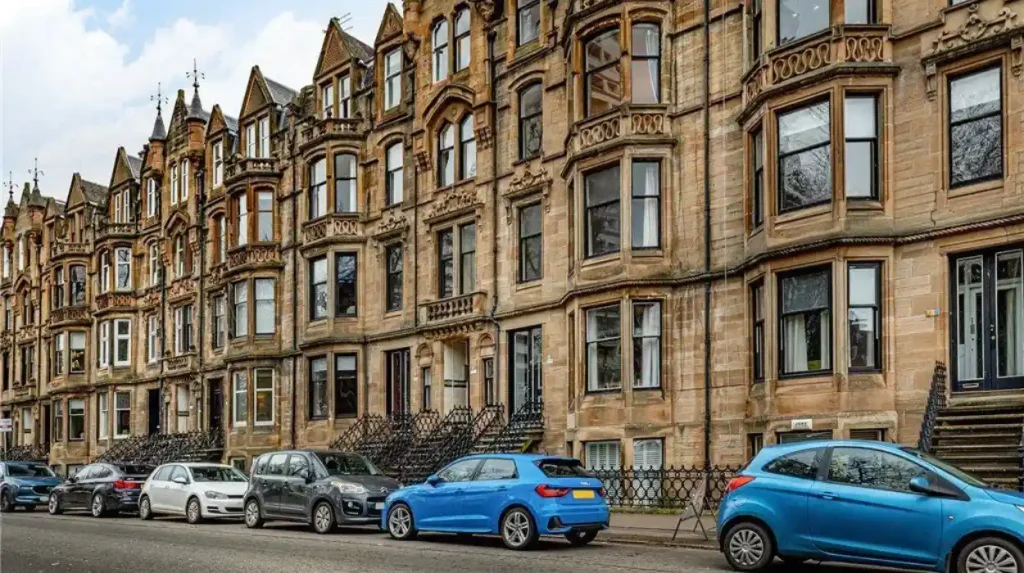
Rent is usually the largest monthly expense for a single person in Glasgow. A shared room can offer a lower-cost option, while a private one-bedroom flat generally requires a larger housing budget. Location, property condition and included bills determine the final amount.
Glasgow has a varied private rental market, with traditional tenement flats, modern apartment developments, converted properties and shared houses. A tenement is a type of multi-storey residential building commonly found in Glasgow’s established neighbourhoods.
The Scottish Government’s Private Sector Rent Statistics, Scotland, 2010 to 2025, published on 25 November 2025, recorded average monthly rents of £1,094 for two-bedroom properties in Greater Glasgow in the year to September 2025. The same publication reported a Scottish average of £738 for a one-bedroom property, although the national figure is not a Glasgow-specific rate.
For a more recent comparison, the ONS reported an average Greater Glasgow rent of £1,266 in September 2026. Its bedroom-specific figures were £845 for one-bedroom properties and £1,091 for two-bedroom properties. Greater Glasgow is a broader rental market area, so these figures should not be interpreted as the average for every property within Glasgow City Council’s boundaries. Office for National Statistics
Which accommodation option is most affordable?
A single person generally has three main housing choices, such as renting a room in a shared house, leasing a studio apartment or renting a one-bedroom flat.
- Shared accommodation: A tenant rents a bedroom and shares facilities such as a kitchen or living room. A budget of £450–£700 per month is a useful starting estimate.
- Studio apartment: A studio combines sleeping and living space in one main room, usually with a separate bathroom. A planning allowance of £650–£900 per month is reasonable for initial searches.
- One-bedroom flat: This property has a separate bedroom and living area. A budget of £750–£1,000 per month gives a starting range, although well-located or recently refurbished properties cost more.
These ranges are budgeting allowances rather than verified market averages. Compare current listings before committing to a tenancy.
Which Glasgow neighbourhoods affect the rent budget?
Neighbourhood selection affects rent, commuting expenses and access to local services.
The City Centre offers access to offices, shops, restaurants and major transport connections. Finnieston attracts residents seeking restaurants, entertainment and access to the city centre. The West End includes areas such as Partick and Hillhead, with university facilities, cafés and public transport links.
Southside neighbourhoods, including Shawlands and Pollokshields, provide alternative residential settings. Areas farther from central employment locations can also suit renters who prioritise space or a quieter residential environment.
No neighbourhood is consistently the cheapest for every property type. A lower rent can also create higher commuting costs, so compare the total monthly expense rather than rent alone.
What additional housing costs should renters expect?
Renters should establish which charges are included in the tenancy before calculating affordability. Some shared accommodation agreements include energy, internet and council tax in a single payment, while others require separate bills.
A deposit, initial rent payment, bedding, kitchen equipment and moving expenses also affect the first month’s budget. These are upfront costs rather than recurring monthly expenses, so keep them separate from the normal living-cost calculation.
How Much Do Council Tax and Household Bills Cost in Glasgow?
A single person living alone in Glasgow should budget for council tax, energy, water-related charges and internet separately unless the tenancy includes them. Eligible residents living alone generally receive a 25% council tax discount, while property band and energy use determine actual bills.
Council tax is a local property-related tax that helps fund services such as waste collection, roads and local area maintenance. In Scotland, the council tax bill for most homes also includes water and wastewater charges collected on behalf of Scottish Water.
How does the single-person council tax discount work?
A person who is the only adult counted for council tax purposes in their home generally qualifies for a 25% single-adult discount. The discount applies to the eligible council tax charge, not automatically to every item included in the bill.
For example, Glasgow City Council’s published 2026/27 council tax charge for Band A is £1,114 annually before the single-adult discount and applicable adjustments. A 25% reduction on that council tax amount produces £835.50 annually, equivalent to approximately £69.63 per month. Water and wastewater charges require separate consideration. onlineservices.
The actual bill depends on the property’s council tax band. Residents should check their property’s band, the current local authority charge and their eligibility before using a figure in a personal budget.
Full-time students, people with certain circumstances and low-income households can qualify for other discounts, exemptions or reductions under applicable rules. Eligibility depends on the household and individual circumstances.
How much should one person spend on electricity and gas?
A single person can use approximately £100–£180 per month as an initial planning allowance for energy and other household utility costs, but the actual amount varies considerably.
The main cost factors include the property’s insulation, heating system, floor area, occupancy pattern and energy tariff. An older tenement with inefficient windows can require more heating than a modern, well-insulated flat.
Renters should check whether the property uses gas central heating, electric storage heaters or direct electric heating. The distinction matters because the cost of keeping a home warm depends on the equipment and how efficiently it operates.
Energy costs also change during the year. Winter heating increases consumption, while warmer months generally reduce it. A monthly budget should account for the full year rather than relying on one low summer bill.
Does a rented flat include water charges?
Water and wastewater charges are normally included in Scottish domestic council tax bills, with the amount depending on the property and applicable arrangements. This differs from a rental agreement in which a tenant pays an independent water bill directly.
The lease or tenancy agreement should identify which bills the tenant pays. Shared accommodation also requires clarification about how utility costs are divided between residents.
Internet and mobile services are separate expenses unless they are included in the rent. A combined monthly allowance of £30–£60 for broadband and a mobile phone provides a starting estimate, depending on the packages selected.
How Much Does Food and Grocery Shopping Cost in Glasgow?
A single adult in Glasgow can start with a grocery budget of £180–£280 per month when most meals are prepared at home. Dietary requirements, supermarket choice, convenience foods, takeaway meals and food waste determine whether actual spending falls below or exceeds this range.
Groceries include food and non-alcoholic drinks purchased for home consumption. A grocery budget differs from total food spending because restaurants, cafés, takeaways and workplace lunches add costs outside supermarket shopping.
The ONS reported that UK household spending on food and non-alcoholic drinks increased by 5% in nominal terms during the financial year ending March 2025. Its household expenditure research also shows that food spending varies by income and household circumstances. These national figures provide context but do not represent the exact cost of groceries for one Glasgow resident. Office for National Statistics+1
What affects a single person’s weekly food budget?
A person who cooks at home and plans meals can control food expenditure more easily than someone who frequently purchases prepared meals.
A weekly grocery allowance of £45–£65 produces a monthly budget of approximately £195–£282 when calculated across an average month. This is consistent with a planning range of £180–£280, depending on shopping habits.
Basic grocery spending covers products such as bread, oats, rice, pasta, potatoes, vegetables, fruit, eggs, dairy products, pulses and meat or alternatives. Household size also affects buying patterns because single residents have fewer people among whom to spread the cost of bulk purchases.
How can one person reduce grocery costs?
Meal planning, comparing unit prices and preparing several portions at once help control spending. Unit pricing means comparing the cost per kilogram, litre or individual item rather than relying only on the package price.
Buying frozen vegetables, using supermarket own-brand products and freezing suitable leftovers can reduce waste. Shopping with a planned list also limits unplanned purchases.
A practical weekly plan can include porridge for breakfast, sandwiches or leftovers for lunch, and home-cooked evening meals. Residents should still allow for dietary requirements, snacks, cleaning products and occasional changes to their routine.
How much should a single person budget for eating out?
Restaurant and takeaway spending should be treated as a separate discretionary category. A person who eats out occasionally can start with £40–£100 per month, while frequent café visits, restaurant meals and delivery orders can increase that amount substantially.
Glasgow’s food scene includes cafés, independent restaurants, traditional Scottish food venues and international cuisines. The cost of dining depends on the venue, meal, drinks and service charges where applicable.
Separating grocery spending from eating-out spending gives a more accurate picture of monthly living costs. It also helps residents identify where reductions are possible without changing their essential household budget.
How Much Does Public Transport Cost in Glasgow?
A single person using public transport in Glasgow should budget around £60–£120 per month, depending on commuting frequency and travel zones. Walking for short journeys, using suitable season tickets and living near work or study can reduce travel expenditure considerably.
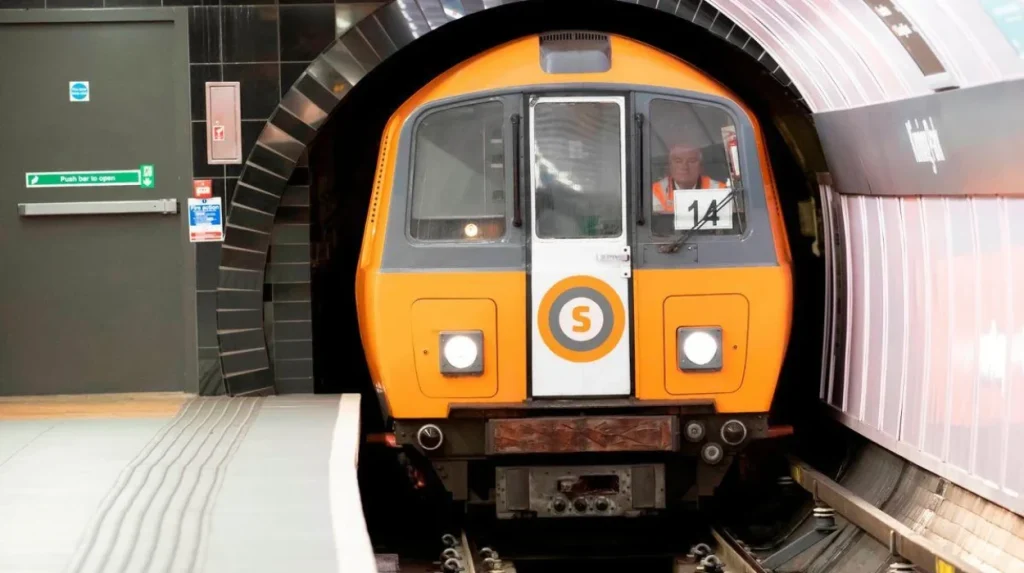
Glasgow has a public transport network that includes the Subway, local buses and suburban rail services. The best option depends on the distance between home, work, university and other regular destinations.
The Subway is operated by Strathclyde Partnership for Transport (SPT). It connects central Glasgow with neighbourhoods across the city, including the West End and areas around the River Clyde.
According to SPT’s published 2026 fares, an adult Subway single journey costs £1.80 using contactless payment or a Smartcard. The daily fare cap is £3.40, while the seven-day cap is £15.50 for contactless travel. These fares provide a useful reference point for commuters who use the Subway regularly. Strathclyde
Is a monthly public transport pass worthwhile?
The value of a travel pass depends on how often someone travels and which transport operators they use.
A resident who takes the Subway on most working days can compare individual fares with the weekly or longer-term ticket options. However, a Subway ticket does not automatically cover every bus and train journey.
A person who combines buses, trains and the Subway should check the relevant operator’s fares and any available multi-operator ticket. Transport costs should reflect the journeys actually required rather than assuming that one pass covers the whole network.
Is owning a car more expensive than using public transport?
Car ownership introduces expenses beyond fuel. These include insurance, vehicle tax where applicable, maintenance, repairs, parking and depreciation, which is the loss of a vehicle’s value over time.
A car can be useful for shift workers, people travelling to locations with limited public transport and residents who regularly visit destinations outside the city. For someone who works centrally and lives near a frequent transport route, public transport can avoid several fixed vehicle expenses.
Before buying a car, calculate the total annual ownership cost and divide it by 12. Compare that amount with the cost of commuting by bus, rail or Subway.
What Salary Does a Single Person Need to Live Comfortably in Glasgow?
A single person’s required salary in Glasgow depends on rent, household commitments and desired savings. A monthly take-home income of £1,800–£2,200 can support a moderate budget in many circumstances, while higher earnings provide more flexibility for private rent and savings.
Take-home pay is the money remaining after deductions such as income tax and National Insurance contributions. It differs from gross salary, which is the amount earned before deductions.
A salary that appears sufficient before deductions can produce a much smaller monthly spending allowance. Employees should calculate expected take-home pay using current UK tax rules and their individual circumstances.
How much income is needed for shared accommodation?
A person renting a room in a shared flat can often manage with a lower income than someone renting an entire property. Shared housing distributes some household costs between residents and usually reduces the rent paid by each person.
Consider a planning example in which a room costs £550 per month. The resident spends £230 on groceries, £130 on household bills and council tax contributions, £80 on transport, £45 on communications, and £200 on personal spending and leisure.
The total is £1,235 per month. An additional allowance for savings, irregular purchases and emergencies increases the income needed for a more secure budget.
This example is illustrative, not a claim about the average expenses of Glasgow residents. The actual total depends on the tenancy and lifestyle.
How much income is needed to rent a private flat?
Living alone increases the proportion of income allocated to housing because the tenant pays the full rent rather than sharing it with other residents.
For example, a tenant paying £850 in rent, £240 for groceries, £220 for household bills and council tax, £90 for transport, £45 for communications, and £180 for personal spending has monthly expenses of £1,625.
A take-home income of £1,900 would leave £275 before additional savings or unexpected expenses. This is workable for some residents, but the remaining margin is limited if the tenant faces irregular costs.
Someone planning to live alone should assess affordability using the actual advertised rent, likely bills and required savings contribution. A salary that covers regular bills is not necessarily sufficient for long-term financial security.
What is the UK National Living Wage in 2026?
The National Living Wage is the statutory minimum hourly rate for eligible workers aged 21 and over. From April 2026, the UK rate is £12.71 per hour. Lower statutory minimum rates apply to eligible younger workers and apprentices.
For an employee working 37.5 hours per week at £12.71 an hour, gross monthly pay is approximately £2,066 before tax and National Insurance. Actual take-home pay depends on tax allowances, pension contributions and other deductions.
This calculation demonstrates why gross salary and living costs must be compared carefully. A person earning the statutory minimum can face a tight budget when renting a private flat alone, particularly after accounting for council tax, energy, transport and savings.
How Much Should a Single Person Budget for Leisure and Personal Expenses in Glasgow?
A single person in Glasgow can allocate £100–£200 per month to leisure and personal spending as an initial budget. The required amount depends on social activities, gym memberships, clothing purchases, hobbies and how frequently the person eats out or attends paid events.
Leisure spending is different from essential household expenditure. It includes activities such as cinema visits, live music, gym access, social gatherings and paid attractions.
Glasgow offers museums, public parks, cultural venues, shopping areas and live entertainment. Some activities are free, while concerts, sporting events and theatre performances require ticket purchases.
Which personal expenses should the budget include?
Personal spending commonly covers toiletries, haircuts, clothing, household replacements and occasional purchases. These expenses are often overlooked because they do not arrive as a regular monthly bill.
A person who buys clothing infrequently can set aside a small monthly amount and build a reserve for seasonal purchases. The same approach works for replacing shoes, kitchen equipment or small electronic items.
Subscriptions also deserve attention. Streaming services, software, fitness memberships and recurring app payments can collectively become a substantial monthly expense.
How can free activities reduce living costs?
Free recreational activities allow residents to enjoy the city without increasing discretionary spending substantially.
Glasgow Green, Kelvingrove Park and Pollok Country Park provide outdoor spaces for walking, exercise and time outdoors. Public museums and galleries also offer cultural activities, although special exhibitions or events sometimes carry charges.
Planning a mixture of free activities and paid entertainment keeps the leisure budget predictable. Residents should account for travel and refreshments even when the main attraction has no admission charge.
Explore More Area Guide
Average Grocery Cost in Glasgow: Monthly Food Budget Guide
Average Electricity Bill in Glasgow: Costs and Rates
How Can a Single Person Reduce the Cost of Living in Glasgow?
A single person can reduce living costs in Glasgow by choosing affordable accommodation, preparing meals at home, comparing transport options and monitoring recurring bills. The greatest savings usually come from housing decisions, followed by food shopping, travel habits and discretionary spending.
Reducing living costs does not require cutting every non-essential purchase. It requires identifying recurring expenses that have a meaningful effect on the monthly budget and comparing them with available alternatives.
Housing decisions deserve particular attention because rent is usually a fixed commitment. Saving £100 per month on rent releases £1,200 annually, provided the alternative property does not introduce equivalent additional transport or utility expenses.
Should a single person share accommodation?
Sharing accommodation is one of the most direct ways to reduce housing expenditure. A tenant who rents a room instead of a private flat can also share certain household expenses, depending on the tenancy arrangement.
However, the lowest advertised rent is not always the best financial option. Tenants should consider the condition of the property, access to transport, security of the tenancy and whether bills are included.
How can monthly spending be tracked?
A monthly spending record helps residents compare actual costs against their planned budget. Bank statements, budgeting applications and spreadsheets can identify recurring payments and spending categories that frequently exceed expectations.
Review spending at the end of each month. Separate fixed commitments, variable essentials and discretionary purchases so that necessary bills remain the priority.
A useful budget includes an emergency reserve for unexpected costs, such as replacing a broken appliance, travelling unexpectedly or paying an insurance excess. The appropriate reserve depends on income stability and personal commitments.
What support is available for eligible residents?
Residents on lower incomes should check whether they qualify for financial support or reductions in household bills.
Potential support includes council tax reductions, eligible benefits and housing assistance. Council tax discounts and exemptions depend on household circumstances, while housing support depends on eligibility rules and the relevant scheme.
The relevant government and council websites provide eligibility information and application guidance. Residents should use current official guidance rather than assuming that every single person qualifies for the same support.
Is Glasgow Affordable for a Single Person in 2026?
Glasgow can be affordable for a single person who matches housing costs to income and plans for regular bills. Sharing accommodation generally lowers monthly expenses, while living alone requires more income to cover rent, council tax, utilities, food, transport and savings.
The amount required depends on the standard of living a person wants to maintain. Someone sharing a flat and cooking at home has a different budget from a professional renting a modern apartment and regularly dining out.
For practical planning, consider three monthly spending scenarios:
- Budget-conscious lifestyle: Approximately £1,200–£1,500, usually involving shared accommodation, controlled grocery spending and limited paid leisure.
- Moderate lifestyle: Approximately £1,600–£2,000, allowing for private accommodation or a higher-cost shared rental, regular bills and some discretionary spending.
- Higher-cost lifestyle: £2,100 or more, reflecting more expensive housing, frequent eating out, extensive travel or greater discretionary spending.
These are illustrative budget scenarios, not official cost-of-living averages. The final amount depends on actual rental prices, whether bills are included, individual spending patterns and eligibility for discounts.
The strongest starting point is to calculate rent, household bills and transport before deciding how much remains available for food, leisure and savings. Checking current rental listings and official council tax charges makes the estimate more accurate.
For anyone planning to move to Glasgow, a sustainable budget should cover essential costs, provide room for unexpected expenses and leave enough income for regular savings. This approach gives a clearer picture of affordability than salary or rent figures considered separately.
How much does a single person need to live in Glasgow per month?
A single person generally needs around £1,400–£2,000 per month to live in Glasgow while renting a private flat. Sharing accommodation can reduce monthly expenses, depending on rent, bills, food and lifestyle.