

Key Points
- Medical Diagnosis: Three-year-old Armaan Waqas from Glasgow has been diagnosed with leukaemia after recurring health complications.
- Early Symptoms: Prior to his diagnosis, the toddler suffered from months of persistent viral infections and subsequently developed a noticeable limp in December.
- Maternal Alarm: His mother, Ayesha Waqas, raised urgent concerns and stated that ‘alarm bells’ were ringing regarding her son’s declining physical mobility and health.
- Clinical History: The young child had undergone multiple hospital visits for recurring infections before the underlying blood cancer was formally identified.
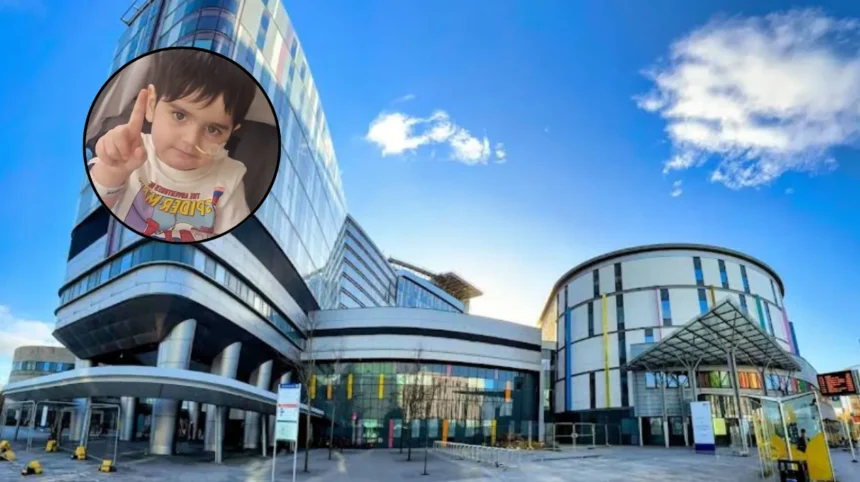
Glasgow (Glasgow Express) August 15, 2026 — A three-year-old toddler from Glasgow has been diagnosed with leukaemia following months of repeated hospital visits and growing parental concern regarding a persistent limp. As reported by the news desk, Armaan Waqas had been in and out of clinical care for several months suffering from recurrent viral illnesses before his condition deteriorated late last year. His mother, Ayesha Waqas, stated that “alarm bells were ringing” after she noticed him developing a distinct limp in December, prompting further medical evaluations that ultimately led to the blood cancer diagnosis.
What Led To Armaan Waqas’s Leukaemia Diagnosis?
How did a series of routine childhood illnesses escalate into a serious medical diagnosis? According to reporting on the family’s experience, three-year-old Armaan Waqas experienced an extended period of ill health characterized by frequent viral infections. These repeated episodes necessitated multiple hospital visits over several months.
As detailed in accounts provided by his mother, Ayesha Waqas, the situation took a significant turn in December when the toddler began displaying a noticeable limp.
Ayesha Waqas noted that the onset of the gait abnormality immediately raised serious concerns regarding her son’s wellbeing, describing her internal sense that something was severely wrong with his physical development.
The presentation of a limp alongside systemic symptoms such as recurrent infections is recognized in paediatric clinical practice as a potential indicators of bone marrow involvement. Following continued advocacy from his family and subsequent diagnostic testing, clinicians identified the underlying cause of Armaan’s illness as leukaemia.
Explore More Local Glasgow News
ScotRail Suspends Major Suburban Trains for Weekend Track Works Glasgow 2026
Strathaven Balloon Festival Returns to South Lanarkshire for 2026
Background Of Childhood Leukaemia and Diagnostic Challenges
Acute leukaemia is the most common form of cancer diagnosed in children, with acute lymphoblastic leukaemia (ALL) accounting for the majority of paediatric cases. The disease originates in the bone marrow, where abnormal white blood cells develop rapidly and crowd out healthy blood cells, including red blood cells, normal white blood cells, and platelets.
Because early symptoms of leukaemia frequently mimic common childhood illnesses, securing an immediate diagnosis can present clinical challenges:
- Overlapping Symptoms: Symptoms such as low-grade fevers, fatigue, recurrent viral infections, and paleness are commonly attributed to standard paediatric viral conditions.
- Musculoskeletal Manifestations: Bone and joint pain, which often causes a child to limp or refuse to bear weight, occurs when leukaemia cells accumulate within the bone marrow cavity. Because musculoskeletal pain in toddlers is often initially suspected to be a minor injury, sprain, or transient synovitis (an irritable hip), further investigation may only occur after symptoms persist.
- Diagnostic Protocol: Confirmation of leukaemia typically requires specialized blood counts, peripheral blood smears, and bone marrow aspirates to verify the presence of blast cells.
For families navigating this pathway, persistent advocacy often plays a central role in moving from initial symptom management to comprehensive blood testing and specialist haematological referral.
Prediction: How Will This Development Affect Paediatric Healthcare and Local Communities?
The public reporting of Armaan Waqas’s diagnosis highlights key clinical and social dynamics that directly affect parents, healthcare practitioners, and public health advocates:
1. Increased Parental Awareness and Symptom Recognition Coverage of Armaan’s case is likely to heighten vigilance among parents and caregivers regarding non-specific paediatric symptoms. Heightened awareness around the link between persistent limping, unexplained bone pain, and underlying haematological issues can encourage parents to seek earlier secondary opinions when routine treatments fail to resolve symptoms.
2. Emphasis on Clinical Guidelines for the Limping Child For primary care physicians and accident and emergency practitioners, cases where musculoskeletal complaints coincide with recurrent infections reinforce the necessity of strict diagnostic protocols. Healthcare providers may place greater emphasis on early full blood counts (FBC) for young children presenting with unexplained gait abnormalities, reducing potential diagnostic delays.
3. Community Support and Blood Donor Mobilization Public awareness surrounding childhood cancer cases in local regions like Glasgow frequently drives engagement with blood cancer charities, bone marrow registries, and regional health trusts. Increased community involvement often results in higher registration rates for stem cell registries and blood donation drives, which are crucial for pediatric oncology patients undergoing intensive chemotherapy and transfusion therapy.