Key Points:
- Blackhill residents in Glasgow have welcomed their first large-scale public artwork since 1988.
- The artwork, titled the Community Commonwealth Mural, was created by local artist Alex Coyle (known as Alko).
- The initiative serves as a permanent legacy for the Glasgow Games, celebrating local residents, projects, and geography.
- Coyle designed the piece using ideas gathered from interactive workshops with local youth, residents, and community groups.
- The design incorporates themes of humanity, equality, and destiny alongside depictions of local wildlife and green spaces.
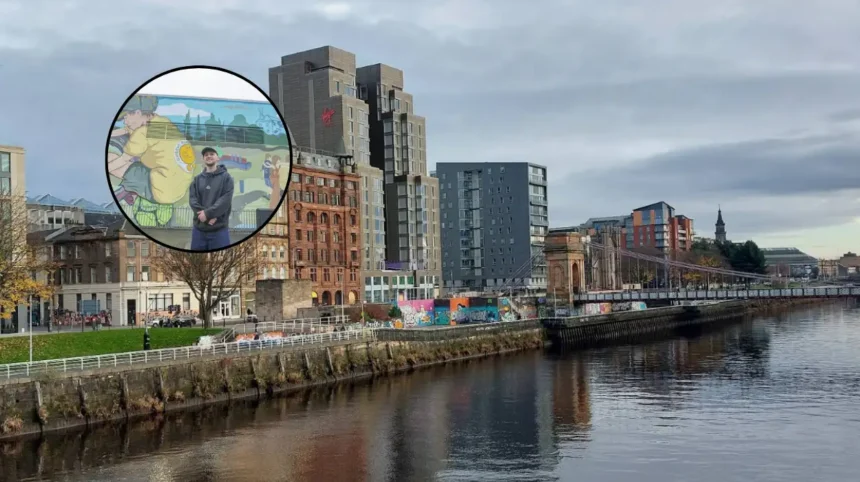
Glasgow (Glasgow Express) September 5, 2026 – Residents in Blackhill, located in the north-east of Glasgow, have welcomed the unveiling of the first piece of large-scale public artwork to grace the area in 36 years. Titled the Community Commonwealth Mural, the vibrant, permanent installation was created to serve as a lasting legacy of the Glasgow Games, highlighting the unique character, history, and people of both Blackhill and neighboring Provanmill.
The installation marks a major visual transformation for the local streetscape, bringing large-scale public art back to the neighbourhood for the first time since the late 1980s. Designed to foster local pride, the piece blends broader international themes with local identity.
Who Designed the Community Commonwealth Mural?
Glaswegian mural artist Alex Coyle, professionally known as Alko, was commissioned to bring the project to life. The mural represents the largest public commission of Coyle’s career to date.
To ensure the piece accurately represented the area, Coyle developed the final composition through a series of interactive workshops. These sessions brought together local residents, young people, and neighborhood organisations to contribute ideas, stories, and visual concepts.
The resulting artwork incorporates the core Commonwealth values—Humanity, Equality, and Destiny—while prominently featuring elements central to daily life in Blackhill, including local wildlife, public green spaces, and neighborhood youth initiatives.
What Did the Artist Say About the Collaboration?
Speaking on his involvement with the initiative, Coyle noted that the project provided an invaluable opportunity to engage directly with the history and inhabitants of the area.
“This was a great project for me to get involved with and my largest mural to date,”
Coyle stated.
“The aim of the project was to highlight some of the amazing things going on locally whilst also improving the visual environment.”
Coyle further highlighted the collaborative nature of the process and its broader impact on public space:
“Collaborating with the local community and learning about the history of Blackhill was a great experience, so thanks to all the locals for getting involved with the whole project. Overall, I think this project has been a great example of how public murals can bring art to the people, inspiring local collaboration and improving environments through art.”
Background of the Particular Development
The introduction of the Community Commonwealth Mural comes after a 36-year gap in major public art installations within the Blackhill estate. Historically, areas in north-east Glasgow have seen varying levels of capital investment in public amenities and cultural infrastructure compared to central or west-end districts.
The Glasgow Games served as a catalyst for funding and community engagement initiatives aimed at leaving long-term benefits for outlying residential neighbourhoods. By linking the mural project to the international sporting event, organisers sought to ensure that suburban communities received visible, enduring investments. The collaborative workshop structure was specifically chosen to build community cohesion and ensure local ownership over the final piece.
Prediction: How Will This Development Affect Local Residents and the Surrounding Community?
The completion of the Community Commonwealth Mural is expected to have several short- and long-term impacts on the local audience in Blackhill and Provanmill:
- Visual Environment and Civic Pride: By transforming a prominent physical structure into a colourful artwork, the installation immediately enhances the visual aesthetic of the neighbourhood. For local residents, seeing their history, green spaces, and youth programmes depicted publicly can boost community morale and civic pride.
- Encouragement of Further Cultural Investment: A successful major installation after a 36-year hiatus demonstrates the viability of public art projects in outer Glasgow estates. This may encourage municipal bodies, arts councils, and charitable trusts to direct future cultural funding toward similar grassroots projects in the area.
- Youth Engagement and Crime Prevention: The inclusion of local youth in the design workshops provided young residents with a constructive outlet and a direct stake in their surroundings. Places that feature community-led public art frequently experience reduced rates of vandalism, as public ownership discourages defacement and encourages collective stewardship.