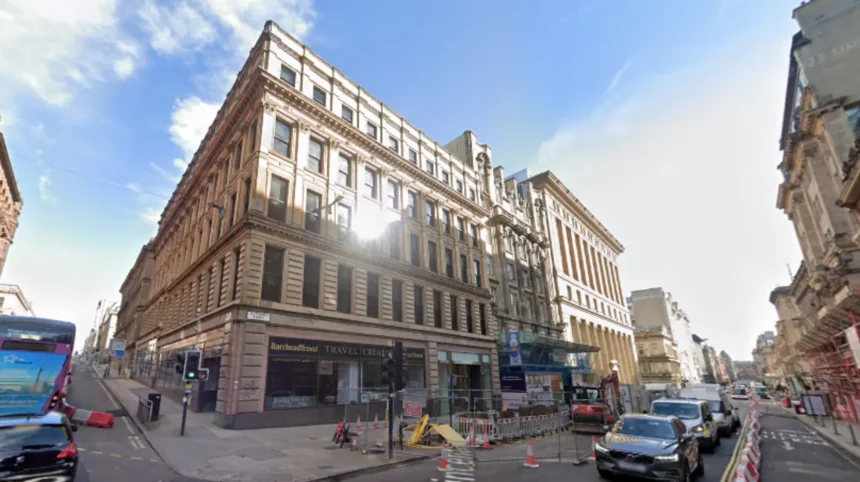
Finnieston is a compact riverside neighbourhood in Glasgow that has become one of the city’s most expensive and talked‑about rental areas for tenants. Over the past decade, Finnieston has shifted from a quieter industrial fringe into a densely developed, amenity‑rich district, which has driven its average rents above the wider Glasgow benchmark. The central question for Glasgow‑based renters is whether current Finnieston prices still reflect strong value or whether the area has become overhyped and overpriced. This article answers that question using verifiable data, infrastructure context, and lifestyle trends, structured around the key questions an everyday Glasgow renter would ask before renting in Finnieston.
- What is Finnieston and why is it so popular?
- How much does it cost to rent in Finnieston right now?
- Compared to other Glasgow areas, is Finnieston overpriced?
- What do you actually get for the high rent in Finnieston?
- Is Finnieston still worth it for students and young professionals?
- Has rent growth in Finnieston outpaced the rest of Glasgow?
- Is there a risk that Finnieston is overrated because of hype?
- How does Finnieston compare for long‑term value and investment?
- Is Finnieston still worth it for people who dislike nightlife and crowds?
- How does Finnieston look in terms of transport, safety, and services?
- Is Finnieston likely to become more or less affordable in the next few years?
- When is Finnieston worth the high rent, and when is it overrated?
What is Finnieston and why is it so popular?
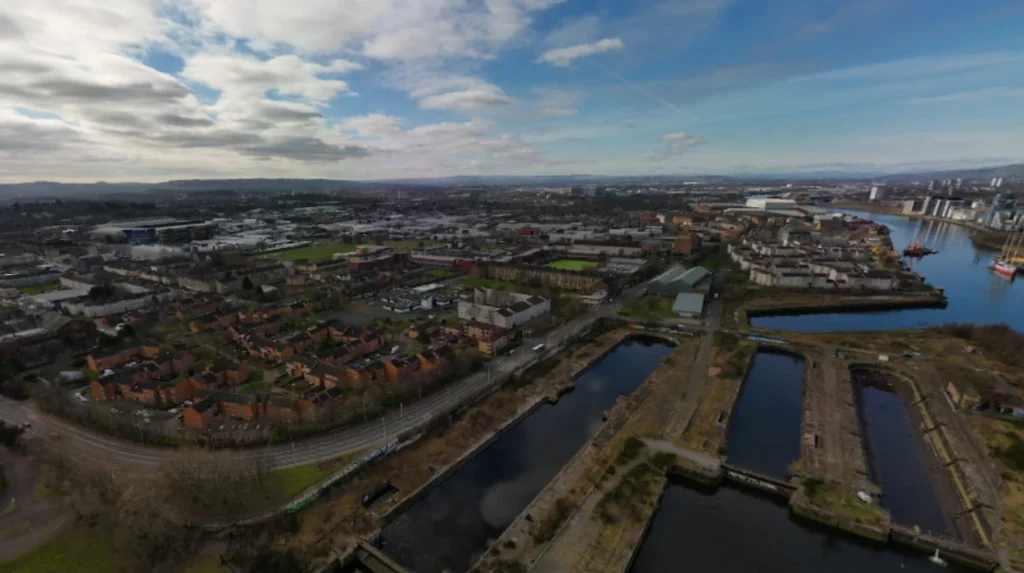
Finnieston is a compact urban neighbourhood wedge‑shaped between Glasgow city centre and the city’s West End, centred on the River Clyde waterfront and the Glasgow Science Centre. It lies within the G3 postcode zone, stretching roughly from the Clyde north to the Sighthill and Woodlands fringe and from the River Kelvin east to Cowcaddens. The area is small in geographic size but high in built‑up density, with a mix of converted warehouses, new‑build flats, and mid‑rise residential blocks.
Finnieston’s popularity comes from three overlapping factors: location, amenities, and branding. First, it sits within about 10–15 minutes on foot or a short bus ride from Glasgow city centre and the University of Glasgow‑linked West End, making it attractive to students, young professionals, and workers commuting into the core economy. Second, it has a dense cluster of restaurants, bars, music venues, and weekly food markets, including the Finnieston Food Market and Dockyard Social, which have helped cement its reputation as a “foodie” and nightlife hub. Third, Finnieston has appeared on national “coolest” or “hippest”‑place‑to‑live lists, which has amplified media‑driven demand and prestige. Together, these factors create a neighbourhood perceived as convenient, lively, and culturally tuned‑in, which tenants are willing to pay extra to occupy.
How much does it cost to rent in Finnieston right now?
As of 2026, typical rents in Finnieston range from about £850–£1,100 per month for a one‑bedroom flat, £1,100–£1,450 for a two‑bedroom, and £1,550–£1,800 for a three‑bedroom, depending on condition, landlord type, and contract terms. These figures are generally higher than Glasgow’s overall one‑bedroom average, which sits around £925 per month, placing Finnieston among the city’s more expensive postcodes. First‑hand contracts, arranged directly with a landlord or agent, tend to cluster at the lower end of those bands, while second‑hand or “mid‑lease” transfers often add roughly £100–£150 per month because of convenience and demand pressure.
For example, Rightmove listings in 2025 show Finnieston flats ranging from roughly £1,025 to over £1,700 per month, reflecting differences in size, age, and building quality. Glasgow‑wide rent data for 2026 indicate that Finnieston, along with Merchant City and Dennistoun, is one of a small group of postcodes where young professionals commonly pay between £900 and £1,300 per month for a one‑ or small two‑bedroom unit. This positions Finnieston in the upper‑mid tier of Glasgow’s rental market: more expensive than areas such as Gorbals, Dennistoun, or Govan but typically below the very top‑end West End and central postcodes.
Compared to other Glasgow areas, is Finnieston overpriced?
Finnieston is not the single most expensive area in Glasgow, but it sits consistently above the city average and close to prices in the West End and Merchant City. Hyndland, Hillhead, and Partick in the West End usually command the highest rents in the city, often 20–30% above the city‑wide benchmark due to larger, older properties and proximity to the University of Glasgow. By comparison, Finnieston’s premiums are smaller in absolute terms but still meaningful for tenants on tight budgets.
A one‑bedroom in Finnieston can easily cost £100–£150 per month more than the Glasgow‑wide average but less than similar‑sized flats in Hyndland or Hillhead. This means that Finnieston occupies a mid‑tier premium position: more expensive than peripheral or lower‑demand neighbourhoods such as Gorbals, Dennistoun, or Govan, but not at the very top of the price ladder. For tenants who prioritise lifestyle and location, that premium may be rationalised as a trade‑off for better access to the city centre and more amenities. For those who prioritise low rent above all else, cheaper alternatives remain available in other parts of the city.
What do you actually get for the high rent in Finnieston?
Paying Finnieston‑level rent buys relatively short walking distances to both the city centre and the West End, a dense cluster of restaurants and bars, and riverside leisure facilities such as the Glasgow Science Centre and Clydeside Distillery. The area is well connected by bus routes along Argyle Street and St Vincent Street and lies within comfortable walking range of several major employment hubs and educational institutions. This combination of location and amenities is one of the main reasons landlords can justify above‑average rents.
Finnieston’s lifestyle infrastructure includes a notable cluster of restaurants such as Gloriosa, The Corner Shop, and Dockyard Social, which are frequently cited in national and international food‑and‑culture features. The neighbourhood also hosts regular events such as the Finnieston Food Market on the third Sunday of each month and the Dockyard Social street‑food and music series, which keep the riverside strip busy and culturally active. The Glasgow Science Centre, an IMAX cinema, the nearby Riverside Museum, and the Clydeside Distillery function as both tourist attractions and neighbourhood amenities, adding to the area’s appeal. These features are not uniformly available in cheaper or more suburban Glasgow neighbourhoods, which helps explain why tenants are willing to pay a premium for Finnieston.
Is Finnieston still worth it for students and young professionals?
For many students and young professionals, Finnieston remains worth the higher rent if proximity to the city centre and West End, plus a vibrant nightlife and dining scene, align with their priorities. The area lies within the key Glasgow “student‑professional corridor,” where tenants are willing to trade a slightly higher monthly bill for reduced commuting time and a rich social environment. Glasgow‑wide rental data for 2026 show that Finnieston, Merchant City, and Dennistoun are the top three neighbourhoods where young professionals typically rent, with monthly budgets often in the £900–£1,300 band.
Within that band, Finnieston offers stronger riverside and leisure amenities than Merchant City and more compact, walkable density than many parts of Dennistoun. This makes it attractive for people who want central access without being directly in the city‑centre tourist core. However, for students and young adults who prioritise the lowest possible rent over lifestyle, areas such as the East End, parts of the South Side, or more distant suburbs can offer similar or nearly similar access to the city at a lower cost. For those people, Finnieston may start to look like a premium‑driven choice rather than a necessity.
Has rent growth in Finnieston outpaced the rest of Glasgow?
Finnieston has seen rent growth that is broadly in line with, or slightly above, Glasgow’s overall trajectory, but it is not the only area pulling prices up. Between 2010 and 2023, average rents across Glasgow rose substantially, with four‑bedroom properties more than doubling from £1,067 to £2,192 per month and shared‑room rents increasing from £313 to £544. More recent 2026‑oriented data indicate that one‑bedroom rents across Glasgow now sit around £925 per month, roughly 14% higher than two years earlier, with Finnieston among the postcodes flagged for “strong rent growth” rather than the highest absolute base rents.
This pattern suggests that Finnieston’s prices have risen along with the city‑wide trend, but not in a way that clearly decouples it from other popular postcodes. The area benefits from being part of a broader upswing in demand for central‑adjacent, amenity‑rich neighbourhoods, but its growth is mirrored by similarly strong pressures in areas such as Dennistoun and Shawlands. As a result, Finnieston’s rent rise looks more like a reflection of Glasgow’s overall market dynamics than of a uniquely speculative or overheated micro‑bubble.
Is there a risk that Finnieston is overrated because of hype?
There is a measurable risk that Finnieston’s reputation exceeds its practical advantages for some tenants, particularly if they prioritise space, quiet, or long‑term affordability over lifestyle and convenience. The area is small, dense, and heavily built‑up, which means noise, limited parking, and relatively small flats at higher per‑square‑metre prices. For households that value larger living areas, gardens, or quieter streets, Finnieston’s layout and character can feel constraining.
Media narratives describing Finnieston as “the hippest” or “coolest” place in the UK can amplify demand and push rents higher than local wage growth alone would justify. National features and “best‑places‑to‑live” rankings can attract short‑termist landlords and speculative investors, increasing pressure on the rental market even if the neighbourhood’s under‑the‑hood infrastructure—transport links, schools, and green space—does not materially outperform other parts of Glasgow. Overrating becomes more likely when tenants base their choice primarily on brand image rather than on how well the area matches their day‑to‑day needs, such as commuting patterns, budget constraints, or family requirements.
How does Finnieston compare for long‑term value and investment?
For long‑term residential investment, Finnieston’s value proposition is strong in terms of location and demand but weaker in terms of open‑space quality and large‑scale infrastructure upgrades. The area benefits from proximity to the Clyde waterfront redevelopment, which includes the relocated Tradeston Fruitmarket and ongoing commercial and leisure projects, as well as from high footfall generated by the Glasgow Science Centre and surrounding attractions. These factors support relatively stable occupancy and above‑average rents.
However, Glasgow‑wide data show that the sharpest rent growth in 2025–26 is not confined to Finnieston; neighbourhoods such as Dennistoun and Shawlands are also flagged for strong demand and tightening vacancy rates. This suggests that Finnieston competes with other attractive postcodes rather than occupying a unique, irreplaceable niche. For investors, the area offers relatively stable occupancy and above‑average rents, but its small size and limited land for new supply mean that capital‑appreciation upside may be constrained unless the wider Clyde‑front regeneration accelerates. Tenants who think in investment‑adjacent terms—such as “will I be able to sub‑let or vacate easily?”—will also notice that high demand can translate into less flexibility on contracts and slower turnover in some buildings.
Is Finnieston still worth it for people who dislike nightlife and crowds?
For people who dislike nightlife and crowds, Finnieston is harder to justify at its current rent levels, because the primary premium is paid for density, vibrancy, and riverside leisure rather than tranquility or open space. Street‑level photos and local reports show that Argyle Street and the immediate Science‑Centre‑side strip are busy almost every evening, with frequent events at Dockyard Social and related venues. For noise‑sensitive tenants or those who prefer quieter evenings, this environment can feel intrusive.
Tenants who favour quieter streets, larger gardens, or more suburban living often find better value‑for‑quietness in areas such as the South Side, including Newlands and Langside, or the West End suburbs such as Jordanhill, which offer parkland and lower footfall while still providing reasonable access to the city centre. The North‑side areas such as Maryhill and Anniesland also represent alternatives that can combine lower rents with calmer surroundings. In that context, Finnieston’s rent premium appears less justifiable for anti‑crowd or noise‑sensitive tenants, who may see the extra cost as buying a lifestyle they do not want.
How does Finnieston look in terms of transport, safety, and services?
Finnieston scores well on transport connectivity and access to services, but its safety and green‑space profile are broadly in line with other mixed‑use inner‑city Glasgow neighbourhoods rather than clearly superior. The area is served by multiple bus routes along Argyle Street and St Vincent Street, with regular services to the city centre, the West End, and the Clyde‑side corridor. Walking distances to major employment hubs, universities, and the city‑centre entertainment district are short, typically under 20 minutes, which supports high car‑dependency‑free living.
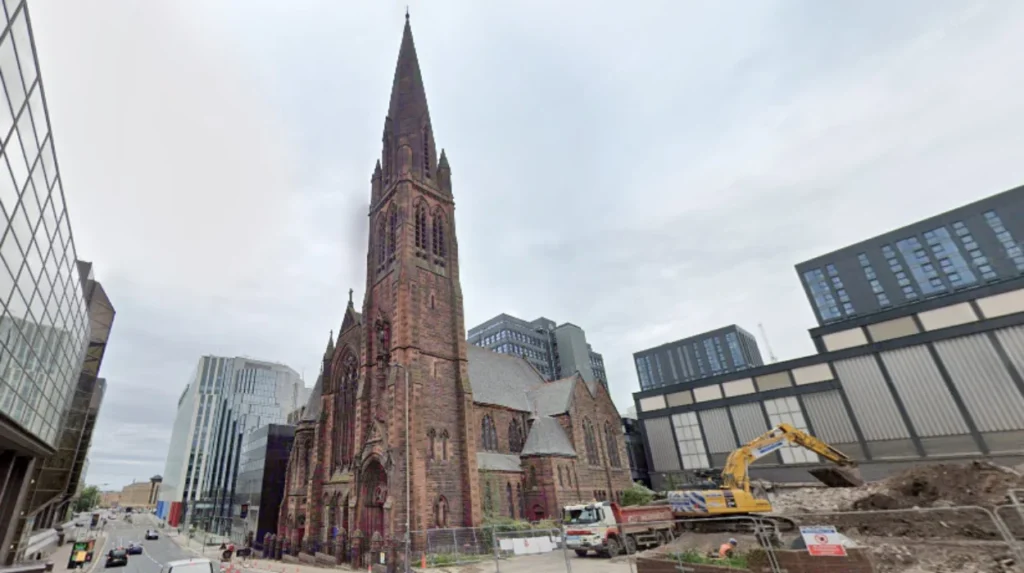
In terms of safety, Glasgow‑wide crime‑mapping data show that Finnieston’s crime rate is broadly comparable to other inner‑city postcodes, with no evidence of exceptional violence but with typical urban issues such as antisocial behaviour around bars and late‑night venues. The presence of lively nightlife and events means that certain stretches can feel rowdy late at night, even if overall crime levels are not unusually high. Services such as supermarkets, pharmacies, banks, and GP‑style clinics are present and reasonably accessible, but they are not unusually dense compared with the West End, Merchant City, or the South Side, which offer similar service levels at similar or slightly lower rents.
Is Finnieston likely to become more or less affordable in the next few years?
Glasgow‑wide forecasts suggest that Finnieston’s rents will continue to rise, but at a slower pace than the rapid increases seen in the early 2020s, and will likely remain above the city average. Rental growth in Glasgow for 2026 is projected to settle between 3% and 5% per year, down from the double‑digit rises of 2022, as the market normalises and vacancy rates stabilise around 5–6%. Within that band, Finnieston is expected to remain one of the postcodes where demand is strongest, due to its riverside branding, entertainment cluster, and proximity to employment centres.
However, if wider‑area regeneration projects in the South Side or East End accelerate, or if public‑transport‑linked housing developments outside the city centre gain traction, some of the premium currently paid for Finnieston‑style convenience could migrate to other neighbourhoods. Glasgow‑wide data also indicate that Finnieston’s growth is not unique; similar demand pressures are visible in Dennistoun, Shawlands, and parts of the South Side. This means that Finnieston’s rent trajectory will depend less on any inherent “magic” in the neighbourhood and more on how its location and amenities compare with what other up‑and‑coming areas deliver over time.
When is Finnieston worth the high rent, and when is it overrated?
Finnieston is generally worth the high rent for tenants who prioritise short commutes, dining and nightlife, and riverside leisure, and who can comfortably afford the £900–£1,300‑plus per‑month range for a one‑ or small two‑bedroom. For those people, the premium buys convenient access to the city centre and West End, a dense cluster of restaurants and bars, and distinctive riverside amenities that are harder to replicate in cheaper or more suburban parts of Glasgow. Finnieston’s compact, walkable character also suits tenants who do not want to rely heavily on a car and who value being close to work, education, and social life.
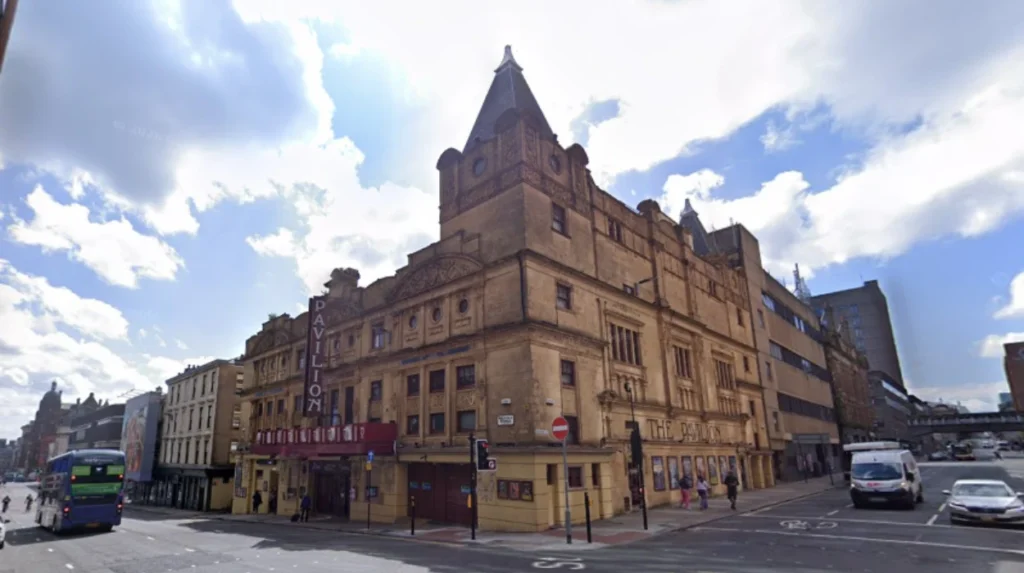
Finnieston is less clearly worth it for tenants who prioritise quiet, green space, large family‑friendly homes, or the lowest possible rent for their needs. The area’s small size, dense building stock, and nightlife‑driven character mean that noise and congestion can be significant factors, especially for families or noise‑sensitive individuals. In those cases, Finnieston can start to look overrated if the rent premium is not matched by a strong, tangible benefit to their daily life. For a Glasgow‑based renter deciding whether Finnieston is worth the high rent, the choice ultimately depends on whether its lifestyle and location closely match their priorities relative to the cost, rather than on whether the neighbourhood is “good” in some abstract sense.