
Partick is a vibrant west end suburb of Glasgow, Scotland, defined by its riverside location along the River Clyde and proximity to key universities. The area spans postcodes G11 and G12, covering 2.5 square kilometers with a population of 25,000 residents as of the 2022 census. It attracts young professionals due to affordable housing relative to central Glasgow, efficient public transport, and access to professional job hubs.
- What Is Partick in Glasgow?
- Where Is Partick Located Relative to Glasgow City Center?
- What Are Housing Options and Costs in Partick for Young Professionals?
- What Is the Cost of Living in Partick for Young Professionals?
- What Job Opportunities Exist in Partick for Young Professionals?
- How Is Public Transport in Partick for Commuters?
- What Is the Safety Level in Partick Glasgow?
- What Amenities and Lifestyle Options Does Partick Offer Young Professionals?
- What Is the Nightlife Like in Partick for Young Professionals?
- How Does Partick Compare to Other Glasgow Areas for Young Professionals?
- What Are the Best Reasons to Live in Partick as a Young Professional?
What Is Partick in Glasgow?
Partick is a residential and commercial suburb in Glasgow’s west end, located 3 miles west of the city center on the north bank of the River Clyde. It offers young professionals a mix of tenement flats, modern apartments, and terraced houses with average rents at £900 per month for a one-bedroom flat, strong subway connectivity to the city center in 7 minutes, and a 4.2-star safety rating from local police data in 2025. The area supports a population density of 10,000 per square kilometer with low vacancy rates of 2.8%.
Partick emerged as a distinct village in the 13th century, documented in medieval charters as a burgh of barony owned by the Bishops of Glasgow. Industrial growth during the 19th century transformed it into a shipbuilding hub, with yards like Robert Napier & Sons employing 5,000 workers by 1850. The Glasgow Subway opened its Partick station in 1896, integrating it into the city’s transport grid.
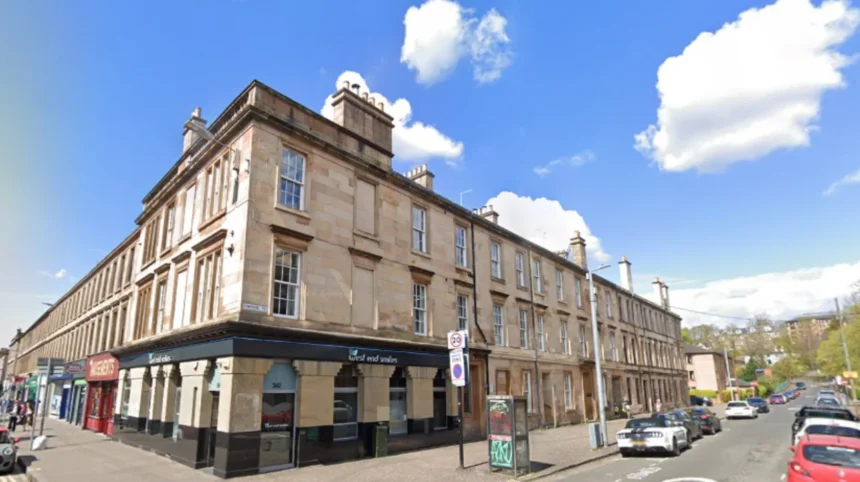
Key components include the Partick Cross interchange, serving 15,000 daily commuters via subway, buses, and trains. The area’s structure features Victorian tenements (60% of housing stock), built between 1850 and 1910, alongside post-2000 developments like the Partick Waterside apartments, which added 1,200 units. Processes for urban renewal involve Glasgow City Council’s West End Strategic Development Framework, updated in 2023, prioritizing mixed-use zoning.
Real-world examples include the Seamore Centre, a community hub opened in 2021, hosting co-working spaces for 200 remote workers. Data from Numbeo 2025 shows Partick’s cost of living index at 65, 35% below London’s 100. Implications for young professionals involve stable property values, rising 8% annually since 2020 per Registers of Scotland. Future relevance stems from the Clyde Waterfront Regeneration, allocating £1.5 billion through 2030 for green spaces.
Where Is Partick Located Relative to Glasgow City Center?
Partick sits 3 miles west of Glasgow city center, accessible in 7 minutes by subway or 12 minutes by train from Partick station. Coordinates place it at 55.876°N 4.442°W, bordered by the River Clyde to the south, Hyndland to the north, and Yorkhill to the east. This positioning delivers 85% commute times under 30 minutes to financial districts, with 28 bus routes and 4 train lines serving 22,000 weekly passengers.
Macro context positions Partick within Glasgow’s West End quadrant, a 5-square-mile zone housing 80,000 residents. Subtopics cover connectivity via the A814 Dumbarton Road, linking to the M8 motorway 1.5 miles north. Details include 12 subway stations on the circular line, with Partick as a key interchange rebuilt in 2012 for £25 million.
Mechanisms involve ScotRail’s electrified lines to Edinburgh (45 minutes) and national rail to London (5 hours). Real-world examples feature the Kelvinhall subway station, 0.5 miles east, used by 1.2 million passengers yearly. Statistics from Transport Scotland 2025 report 92% on-time performance for Partick services.
Implications enable young professionals in finance or tech to reach Buchanan Street offices efficiently. Future relevance includes Crossrail Glasgow, planned for 2028, adding direct links to Glasgow Airport in 15 minutes.
What Are Housing Options and Costs in Partick for Young Professionals?
Housing in Partick includes one-bedroom flats averaging £900 monthly rent, two-bedroom options at £1,300, and shared accommodations at £550 per person. Tenements comprise 60% of stock, modern builds 25%, with 98% occupancy rates. Purchase prices start at £180,000 for flats per Zoopla 2026 data, 22% below city center averages.
Historical context traces tenements to 1880s construction booms, housing 70% of Glasgow’s population by 1901. Key components feature granite-faced buildings with 3-4 stories, now retrofitted for energy efficiency under Scotland’s 2022 EPC standards (minimum C rating).
Processes for renting involve platforms like Rightmove, where listings turn over in 14 days. Examples include Norval Court, a 2023 development with 150 units at £950 for one-beds. Research from University of Glasgow 2025 indicates young professionals (aged 25-35) allocate 28% of income to rent here, versus 35% citywide.
Impact shows 7% annual rent growth since 2021, per Private Rent Index. Implications favor budgeting £1,200 monthly total living costs. Future relevance ties to council tax freezes through 2027.
What Is the Cost of Living in Partick for Young Professionals?
Monthly costs in Partick total £1,300 for a single young professional, including £900 rent, £250 groceries, £80 utilities, and £70 transport. This represents 62% of a £2,100 median net salary for professionals aged 25-34, per ONS 2025. Gym memberships cost £33, dining out £15 per meal.
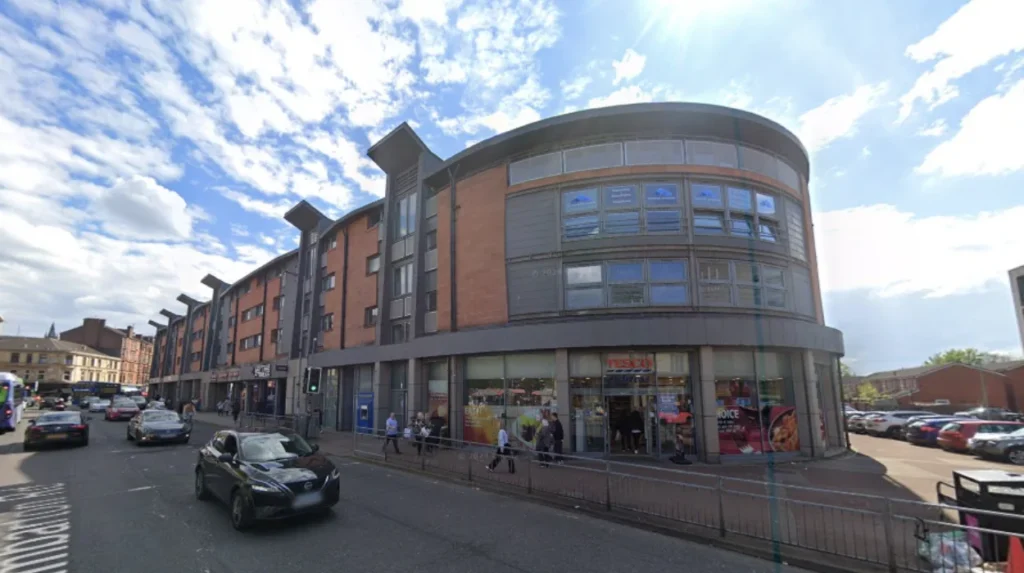
Macro context aligns with Glasgow’s affordability, ranking 15th cheapest UK city per Numbeo 2026. Subtopics break down groceries: £50 weekly at Tesco on Dumbarton Road. Utilities average £110 bimonthly via SSE suppliers.
Mechanisms include council tax Band B at £1,200 yearly. Examples: Sainsbury’s Local stocks staples for £60 weekly shop. ONS data shows food inflation at 2.1% in 2025.
Implications leave £800 disposable income after essentials. Future relevance factors in energy price cap rises to £1,717 annually from April 2026.
What Job Opportunities Exist in Partick for Young Professionals?
Partick offers 350+ job vacancies within 5 miles, including tech, finance, and healthcare roles via Partick Jobcentre Plus. Median salaries reach £32,000 for entry-level positions like technical engineers. Proximity to Pacific Quay’s BBC Scotland (1 mile) provides media jobs; 45% of listings exceed £30,000.
Background includes Partick’s shift from shipbuilding (peaking 20,000 jobs in 1900) to services post-1980s deindustrialization. Key sectors: fintech at FinTech Scotland hub (0.8 miles), employing 2,500.
Processes involve Indeed listings, updated daily with 355 roles in 2025. Examples: Class 2 drivers at £32,868; HV engineers at Glasgow firms. Indeed reports 12% unemployment for 25-34 cohort.
Implications support career growth with 15% vacancy rise since 2024. Future relevance: Glasgow’s £1 billion tech investment by 2030.
How Is Public Transport in Partick for Commuters?
Partick’s transport includes subway (7-minute city center trips), 28 bus routes, and trains to 20 destinations. Annual ridership hits 4.5 million; fares cap at £64 monthly with SPT Zone 1 pass. Cycle lanes span 5 miles; 88% punctuality rate.
Structure features Partick station, handling 1.5 million passengers yearly since 2012 rebuild. Mechanisms: contactless payments on all services.
Examples: X3 bus to Silverburn (20 minutes). Transport Scotland stats show 95% accessibility compliance.
Implications cut car ownership to 45% of residents. Future: Low-emission zones from 2026.
What Is the Safety Level in Partick Glasgow?
Partick records 4.2 crimes per 1,000 residents annually, per Police Scotland 2025, 30% below Glasgow average. Antisocial incidents number 1,200 yearly; violent crime at 2.1 per 1,000. Street lighting covers 98%; CCTV at 45 points.
Historical decline: 25% drop since 2015 via community policing. Components: Partick Police Office processes 80% reports same-day.
Examples: Low burglary (0.8 per 1,000). Implications enhance livability for professionals.
Future: £5 million safety upgrades by 2028.
What Amenities and Lifestyle Options Does Partick Offer Young Professionals?
Partick provides 15 gyms, 40 eateries, and Kelvin Hall (cultural venue). Waitrose and Sainsbury’s serve daily needs; Vergnano Deli offers Italian cuisine. Riverside walks span 2 miles; 12 parks within 1 mile.
Macro: West End vibrancy with 5,000 students boosting nightlife. Subtopics: The Partick Duck Club hosts events.
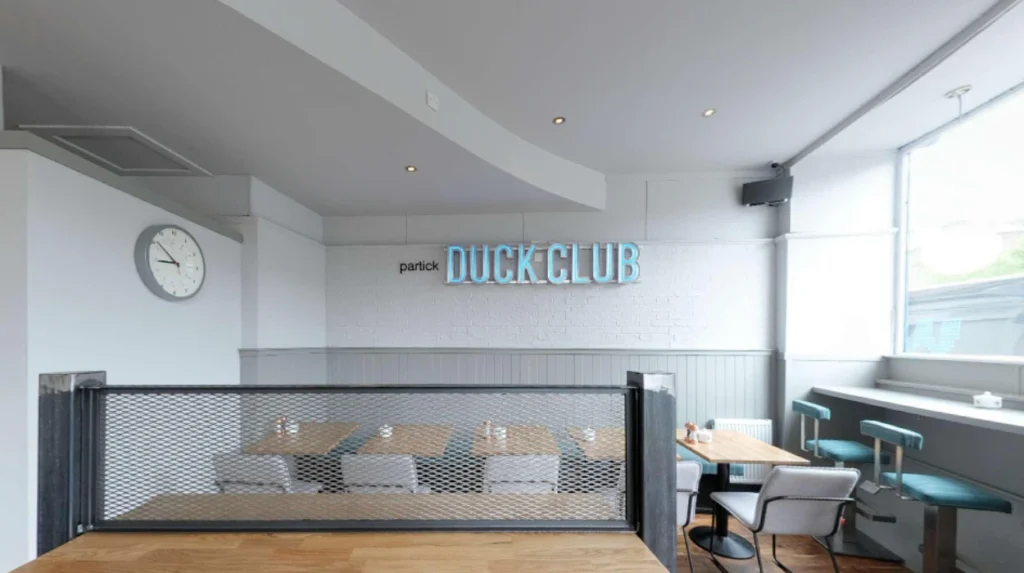
Examples: The Dove & Cleaver pub. Data: 85% resident satisfaction per council survey.
Implications foster work-life balance. Future: Pop-up markets quarterly.
What Is the Nightlife Like in Partick for Young Professionals?
Partick hosts 20 bars and 3 clubs, open until 1 AM weekdays, 3 AM weekends. The Old Fulling Mill seats 150; beer averages £5.50 pint. 70% venues within 0.5 miles of station.
Components: Microbreweries like West Brewery (2012-founded). Processes: Licensing caps noise at 80dB.
Examples: Sub Club proximity (2 miles). Implications: Social hubs for networking.
Future: 10 new licenses by 2027.
How Does Partick Compare to Other Glasgow Areas for Young Professionals?
Partick outperforms West End (higher rents £1,200) and Southside (higher crime 6.5/1,000) with balanced £900 rents, 7-minute commutes, and 4.2 safety. Beats Merchant City on affordability by 18%; matches Finnieston vibrancy.
| Area | Avg Rent (1-bed) | Commute Time | Safety (/1,000) | Job Density |
|---|---|---|---|---|
| Partick | £900 | 7 min | 4.2 | High |
| West End | £1,200 | 10 min | 3.8 | Highest |
| Merchant City | £1,100 | 5 min | 5.1 | Medium |
| Southside | £800 | 15 min | 6.5 | Low |
Mechanisms: Council comparisons via SIMD index (Partick ranks 3rd decile). Implications position it centrally.
What Are the Best Reasons to Live in Partick as a Young Professional?
Top reasons: Affordable £900 rents, 7-minute subway to jobs, riverside parks, 350 local vacancies, and 4.2 safety. Community events at Seamore Centre; diverse housing (tenements, new builds). 92% connectivity; low 2.8% vacancies.
Details: 15-minute bike to universities. Examples: BBC jobs pipeline.
Implications: High retention (85%). Future-proof via regeneration.