Key Points
- A petition to save Trongate 103 in Glasgow has passed 25,000 signatures, with organisers still urging more people to sign.
- Seven arts and charity organisations based in the building were told their rent would rise to around four times the current level.
- Campaigners say the new terms also include uncapped service charges and repair liabilities, pushing the annual cost for tenants to about £700,000 in total.
- City Property, the Glasgow City Council arms-length property company, is the landlord involved in the lease dispute.
- The tenants include Glasgow Print Studio, Street Level Photoworks, Transmission Gallery, Sharmanka Kinetic Theatre, Glasgow Media Access Centre, and Project Ability.
- Supporters argue the move would damage Glasgow’s arts scene and threaten one of the city’s remaining visual arts hubs.
- Protests have taken place outside City Property, and political pressure has been building on Glasgow City Council and the Scottish Government to intervene.
Glasgow (Glasgow Express) April 21, 2026, reported that a petition launched to save the home of Sharmanka Kinetic Theatre and other arts organisations at Trongate 103 has grown rapidly, as supporters try to stop what they describe as a damaging rent rise. The dispute centres on a new lease proposed by City Property, the council-linked landlord, which campaigners say would force tenants to accept “massive and unsustainable” increases or leave the building.
As reported by the BBC’s Catriona Stewart and other outlets covering the row, seven organisations were told last month that their rent would rise to four times the current amount, with tenants warning that the terms would make it very difficult to remain in the building.
The BBC said the new deal risked leaving the groups unable to stay unless they accepted the revised lease by a deadline set by City Property.
Who are the tenants involved?
According to the reporting and campaign material, the organisations affected include Glasgow Print Studio, Street Level Photoworks, Transmission Gallery, Sharmanka Kinetic Theatre, Glasgow Media Access Centre, Project Ability, and other arts and charity groups operating from the building.
These tenants have used Trongate 103 for 17 years, with the building widely seen as a long-term base for creative work in Glasgow’s city centre.
In the petition update shared on Change.org, Glasgow East MP John Grady said Trongate 103 was designed to provide a long-term home for artistic organisations and should not be treated as a purely commercial market venture. He also said it would be a matter of “great regret” if the building ceased to exist as a home for artistic organisations.
What do campaigners say?
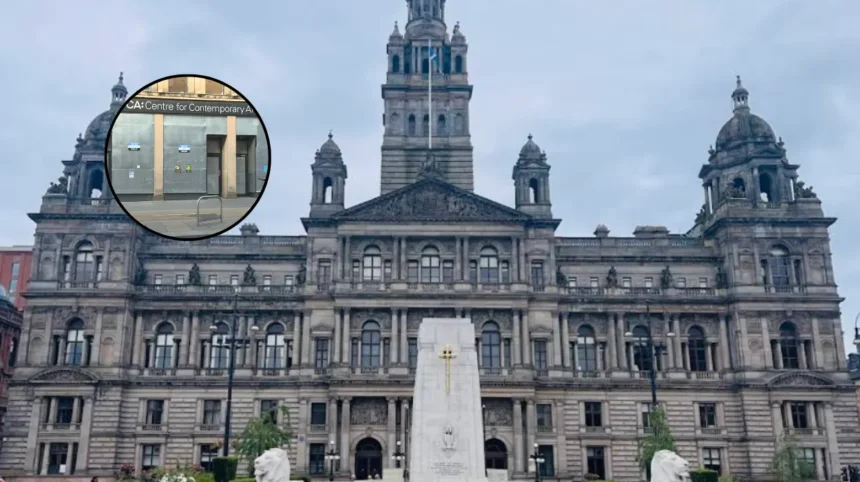
Campaigners say the rent increase would be catastrophic for the city’s cultural life, especially after the recent closure of the Centre for Contemporary Arts.
The Change.org petition says losing Trongate 103 would be a “devastating blow” to Glasgow’s arts scene and argues the building remains one of the last visual arts venues in the city.
The Glasgow Bell reported that tenants received less than four weeks to leave or sign new leases, and that the new terms also involve uncapped service charges and repair liabilities.
It said the combined annual cost could reach about £700,000, a figure campaigners argue is beyond what arts and charity tenants can realistically absorb.
What has City Property said?
BBC Scotland reported that City Property says the revised terms are still below what a commercial tenant would typically pay, and that the company views the process as standard lease management.
The landlord’s position is that new agreements can be offered after leases are terminated, although tenants and campaigners reject that argument.
The Guardian reported that tenants and supporters have described the rise as “unsustainable”, “coercive” and unfair, while warning that the current approach could dismantle one of Glasgow’s most important cultural assets.
That reporting also noted that political voices, including Scottish Labour MSP Paul Sweeney, have called for urgent intervention.
What has the public response been?
The petition has drawn significant public support, passing 25,000 signatures as campaigners continue to seek backing.
Protests have also been held outside City Property, with images and reports showing hundreds of creatives and supporters gathered in Glasgow city centre to defend the arts hub.
The dispute has also triggered wider concern because it comes shortly after the closure of another major cultural venue in Glasgow.
Supporters say the situation shows how vulnerable arts spaces can be when property costs rise sharply, particularly in city-centre buildings used by smaller organisations.
Why does Trongate 103 matter?
Trongate 103 has been used for nearly two decades as a shared base for arts organisations that support exhibitions, printmaking, photography, access programmes, and community-based creative work. Reports describe it as one of Glasgow’s key remaining visual arts spaces, and an important place for organisations working with disabled people and emerging artists.
The building’s significance is not only cultural but practical, because many of the groups involved say they would struggle to find a comparable space in central Glasgow.
That is one reason campaigners argue the dispute is about more than rent alone: it is about whether the city can retain affordable space for arts activity.
Background of the development
Trongate 103 opened in 2009 with public support and was intended to provide a long-term home for arts organisations in Glasgow’s city centre.
The building later came under the control of City Property, Glasgow City Council’s property arm, which has now pushed for new lease terms after years of tenancy under the previous arrangement.
The current row escalated after tenants were told their leases were being terminated and that they would need to accept sharply higher rents and extra charges to stay.
Public campaigning followed, alongside protest activity and appeals for political intervention from local and national representatives.
Prediction for arts audiences
For Glasgow’s arts audience, the most immediate effect would be fewer accessible venues if the tenants cannot remain in Trongate 103.
That could mean reduced exhibition space, fewer community arts programmes, and less room for experimental or independent work in the city centre.
If a compromise is not reached, the dispute may also encourage more debate about how publicly linked landlords treat cultural tenants, especially in buildings intended to support non-commercial creative use. For audiences, that could shape where future arts activity happens in Glasgow and how much of it remains affordable and centrally located.