Glasgow bus prices and tickets depend on the operator, journey distance, passenger age, and ticket type. Understanding single fares, return journeys, day tickets, weekly passes, and contactless payments helps passengers choose suitable travel options across Glasgow and the surrounding areas.
- What bus operators serve Glasgow and how does the ticketing system work?
- How much does a Glasgow bus ticket cost in 2026?
- What types of Glasgow bus tickets can passengers buy?
- How does the £2 First Bus single-fare cap work?
- Is a Glasgow bus day ticket cheaper than buying single fares?
- How much do Glasgow weekly and monthly bus passes cost?
- How can passengers pay for Glasgow bus tickets?
- How does First Bus Tap on Tap off work in Glasgow?
- Can children travel free on Glasgow buses?
- Who qualifies for free bus travel in Glasgow?
- Can one Glasgow bus ticket be used on different operators?
- How much does the Glasgow Airport bus cost?
- Where can passengers check the latest Glasgow bus fares?
- How can passengers choose the best-value Glasgow bus ticket?
This guide explains how Glasgow’s bus ticketing system works, how to buy tickets, which passes suit regular commuters, and where to check current fares before travelling. It covers local journeys, airport connections, concessionary travel, and practical ways to manage transport costs.
What bus operators serve Glasgow and how does the ticketing system work?
Glasgow’s bus network is served by operators including First Bus and McGill’s Buses. Each operator sets its own ticket conditions, fare zones, and travel passes. Passengers should check the operator’s prices before travelling, especially when changing buses or combining services.
First Bus operates extensive services across Glasgow and Greater Glasgow, connecting residential neighbourhoods with the city centre, employment areas, hospitals, shopping districts, and transport hubs. McGill’s Buses also serves communities across Greater Glasgow and nearby areas.
The bus ticketing system includes single tickets, day tickets, weekly passes, longer-term subscriptions, and concessionary travel cards. Some tickets are valid only on one operator’s services, while integrated products cover participating operators or different transport modes.
This distinction matters when planning a journey. A First Bus ticket does not automatically provide unlimited travel on McGill’s services. Similarly, a ticket covering buses does not necessarily include Glasgow Subway or train journeys.
Passengers should identify the operator shown on the bus, check the ticket’s geographical validity, and confirm whether transfers are permitted. Official operator websites provide the most reliable information about current ticket prices and conditions.
How much does a Glasgow bus ticket cost in 2026?
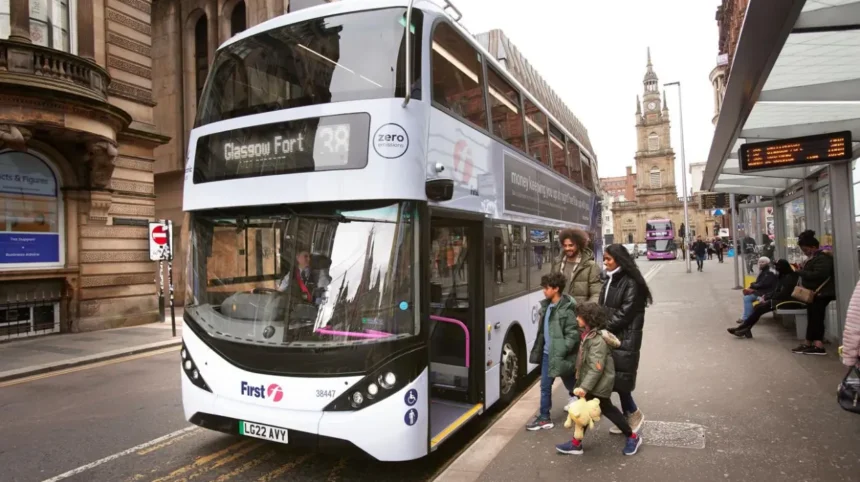
First Bus introduced a £2 single-fare cap across Glasgow and surrounding areas from 7 September 2026. Eligible adult single journeys cost no more than £2, while child airport singles remain capped at £1.75 under the announced arrangements.
The £2 fare cap is an important change for Glasgow passengers. It limits the price of eligible First Bus single journeys regardless of journey distance. A passenger travelling a short distance across the city and another travelling farther across the covered network can both benefit from the cap.
The cap applies to eligible First Bus services in Glasgow and surrounding areas, including the Glasgow Airport Express. If an ordinary single fare is already below £2, the lower fare applies. The scheme is funded by Transport Scotland.
However, the £2 cap is not a universal price for every bus in Glasgow. It applies to eligible First Bus single tickets, not automatically to McGill’s services, multi-operator tickets, or multi-modal products.
Passengers should also distinguish between the price of a single ticket and the cost of unlimited travel throughout a day or week. Day passes, weekly tickets, and monthly subscriptions have separate prices.
For the latest First Bus fares, consult the official Greater Glasgow ticket prices page. For a specific route, the First Bus Fare Finder helps passengers check the price between their boarding and destination stops.
What types of Glasgow bus tickets can passengers buy?
Glasgow passengers can choose from single tickets, day tickets, weekly passes, monthly passes, and flexible travel bundles. Each option suits a different travel pattern, from an occasional city-centre journey to regular commuting between home, work, college, and other destinations.
A single ticket covers one journey under the operator’s conditions. It suits occasional trips, such as travelling from Partick to the city centre or visiting a destination without needing further bus travel that day.
A day ticket provides travel for the period and network specified by the operator. It is useful for visitors exploring multiple destinations, shoppers making several stops, and residents attending appointments across Glasgow.
Weekly tickets suit passengers who travel regularly over several consecutive days. Monthly and four-week tickets support longer-term commuting, although validity periods differ between products.
Flexible bundles offer another option for passengers who do not commute every day. First Bus offers products such as 3-in-7-day, 5-in-7-day, and 15-in-28-day bundles through its Commuter Travel Club. These products are designed for people who need a limited number of travel days within a defined period.
The most suitable ticket depends on how often a passenger travels, which areas they visit, and whether they use one operator or several. Comparing the total cost of individual journeys with a pass helps identify the appropriate option.
How does the £2 First Bus single-fare cap work?
The First Bus £2 fare cap limits eligible single tickets across Greater Glasgow to £2 per journey from 7 September 2026. Passengers can buy qualifying singles on board, including through Tap on Tap off, but the cap does not automatically apply to every ticket product.
The scheme simplifies fare calculations for passengers travelling on eligible First Bus services. The journey’s distance does not increase the capped single fare beyond £2. Passengers still need to ensure they board the correct service and follow the operator’s ticketing instructions.
First Bus states that its £2 single ticket is purchased on the bus rather than through its mobile app. Passengers can tell the driver their destination when buying a ticket directly. Contactless Tap on Tap off is another option, with the system calculating eligible fares automatically.
The cap also changes how return journeys are purchased. First Bus discontinued return tickets under the September 2026 changes. A passenger making an eligible return journey instead pays for two single journeys, with a maximum of £4 when both are charged at the full £2 capped fare.
This arrangement is particularly relevant for passengers travelling to work, shopping centres, educational facilities, or Glasgow city-centre attractions. Before boarding, passengers should check whether the service belongs to First Bus and whether any specific ticket conditions apply.
Is a Glasgow bus day ticket cheaper than buying single fares?
A day ticket is useful when several journeys would cost more than the pass price. First Bus lists adult day tickets at £6.60 for City and Local zones and £8.60 for its Network zone under the September 2026 fare changes, while contactless fare capping can provide comparable protection.
The right choice depends on the number of journeys and the area covered. Under the £2 single-fare cap, three full-price eligible singles cost £6. A City and Local day ticket at £6.60 is not automatically cheaper than those three journeys. Four full-price singles cost £8, making the £6.60 day ticket cheaper for a passenger whose journeys all fall within its validity.
For the Network zone, the £8.60 day ticket becomes relevant when travelling beyond the City and Local coverage. Passengers should check the network map before selecting a ticket because the wider zone has a different price.
Tap on Tap off can also cap eligible fares at £6.60 per day in City and Local zones and £8.60 in the Network zone. The system calculates the amount from journeys made using the same payment card or device.
A passenger making one or two journeys should compare the capped singles against the day ticket. Someone planning multiple stops across Glasgow should check the day ticket and the automatic fare cap before choosing a payment method.
How much do Glasgow weekly and monthly bus passes cost?
Weekly and monthly bus passes help regular passengers manage travel costs across Glasgow. First Bus offers longer-term products for different fare zones, while McGill’s sells separate passes. Prices and validity depend on the operator, coverage, passenger category, and ticket product.
A weekly pass is suitable for people who travel on most days of the week. It can support regular journeys between residential areas such as the West End, Southside, and city centre, provided the chosen ticket covers those routes.
Monthly or four-week tickets suit commuters and other frequent travellers who need ongoing access to bus services. First Bus also offers flexible bundles for people who travel on selected days rather than every weekday. These bundles can suit hybrid workers and passengers with changing schedules.
McGill’s publishes its own fare structure. Its fares effective from 11 May 2026 included a Greater Glasgow Zone Day Saver at £6.20, a one-week saver at £23.90, and a four-week saver at £84.15. The operator also lists different prices for other zones and student products.
These McGill’s prices are separate from First Bus tickets and should not be treated as interchangeable. The best comparison is the total cost of the journeys a passenger expects to make on the relevant operator’s network.
Before buying a longer-term pass, confirm the start date, expiry rules, zone coverage, and whether the ticket is available digitally, on a smartcard, or through another purchase channel.
How can passengers pay for Glasgow bus tickets?
Glasgow bus passengers can use several payment methods, depending on the operator and service. First Bus accepts contactless payments, including compatible bank cards and mobile wallets, and offers mobile tickets. Cash and other options depend on the service and ticket purchased.
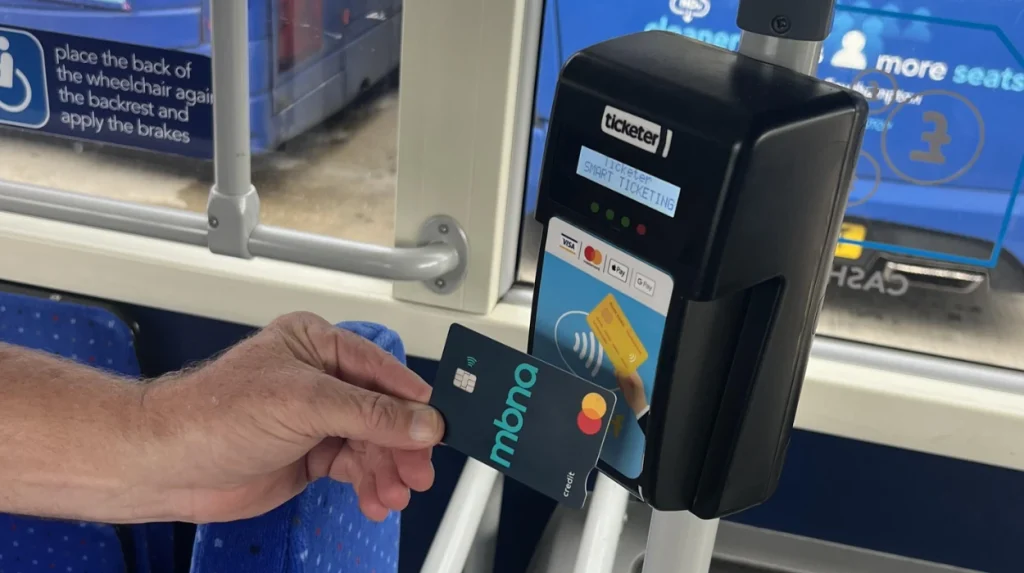
Contactless payment is convenient for passengers who do not want to carry cash or purchase a ticket in advance. First Bus accepts contactless bank cards and supported services such as Apple Pay and Google Pay. Its published guidance states that contactless payments can cover ticket purchases up to £45.
Passengers can also buy mobile tickets through the First Bus app. The app provides access to a range of products, including longer-term tickets. Travellers should select the correct ticket before boarding and follow the instructions for showing or scanning it.
For eligible £2 capped singles, First Bus directs passengers to purchase on board or use Tap on Tap off. The ordinary single ticket is not available through the First Bus app under the published scheme conditions.
Cash remains relevant for passengers who prefer to pay the driver, but acceptance and available ticket products should be checked with the specific operator. Carrying a supported alternative payment method is useful if a preferred payment option is unavailable.
How does First Bus Tap on Tap off work in Glasgow?
First Bus Tap on Tap off allows passengers to use the same contactless bank card or mobile device when boarding and leaving the bus. The system calculates eligible fares and applies daily and weekly fare caps according to the journeys and zones travelled.
The process involves tapping a supported payment card or device on the reader when boarding and tapping the same card or device again when leaving. The system uses the journey information to calculate the fare.
Passengers must use the same payment method consistently. Tapping in with a physical bank card and tapping out with a phone linked to that account can register as two different payment credentials. This can prevent the system from combining journeys correctly for fare capping.
First Bus publishes the following daily and weekly limits for its Tap on Tap off system:
- City and Local zones: up to £6.60 per day and £28 per week.
- Network zone: up to £8.60 per day and £37.30 per week.
These limits apply under the operator’s stated fare-capping conditions. The system can reduce subsequent charges as eligible journeys accumulate during the relevant period.
The weekly calculation follows the operator’s defined cycle, which resets on Monday. Passengers should consult the official Tap on Tap off guidance for details about exclusions and how particular journeys are charged.
This system is useful for people who travel frequently but do not want to decide in advance whether a day ticket is worthwhile. It automatically applies the relevant fare limits when the conditions are met.
Can children travel free on Glasgow buses?
Children and young people aged 5 to 21 who live in Scotland qualify for free travel on eligible bus services through the Young Persons’ Free Bus Travel Scheme. They must use a valid National Entitlement Card or Young Scot NEC for qualifying journeys.
The scheme is administered through Transport Scotland and enables eligible young people to travel on nearly all registered local and long-distance scheduled bus services across Scotland. Children under five generally travel free on commercial bus services without needing a concessionary card.
Eligible passengers aged 5 to 21 need an appropriate National Entitlement Card (NEC) or Young Scot NEC. The card must be presented or tapped as required by the operator’s ticketing equipment. Young people aged 16 to 21 can also use the Transport Scot Pass Collect app for their free bus travel entitlement, subject to the scheme’s rules.
Parents and guardians should arrange cards in advance and check the application requirements. Applications require identity and address information, and applicants should allow time for the card to arrive.
Free travel depends on eligibility and the correct card being available when boarding. A child or young person who qualifies but does not have the required card can still be asked to pay the applicable fare.
Who qualifies for free bus travel in Glasgow?
Scottish residents aged 60 and over and people meeting the qualifying disability criteria can access free bus travel through the National Entitlement Card scheme. Eligible companions of certain disabled cardholders also travel free when the card includes the relevant companion entitlement.
The older and disabled persons’ scheme provides free travel on nearly all registered local and long-distance scheduled bus services across Scotland. It supports access to employment-related activities, healthcare, shopping, social visits, and essential services.
People aged 60 or older who live in Scotland qualify under the older person’s scheme. Disabled residents qualify when they meet the scheme’s specific eligibility criteria. These criteria include certain disability benefits and specified forms of disability or support needs.
Some eligible disabled passengers have a National Entitlement Card that permits a companion to travel free with them. The companion entitlement depends on the person’s circumstances and the card’s conditions.
Applications are available through the official National Entitlement Card service and relevant local authorities or Strathclyde Partnership for Transport. Applicants should check the evidence requirements before applying.
A concessionary card should be carried whenever it is needed for a journey. Lost, expired, damaged, or forgotten cards can prevent a passenger from accessing free travel until the issue is resolved.
Can one Glasgow bus ticket be used on different operators?
A ticket purchased from one Glasgow bus operator does not automatically cover another operator’s services. Passengers who regularly combine First Bus, McGill’s, trains, or the Subway should check integrated products such as ZoneCard and other multi-operator tickets before travelling.
Glasgow’s public transport network includes buses, suburban rail services, and the Glasgow Subway. These modes connect many of the same destinations, but their standard tickets are not universally interchangeable.
A passenger with a First Bus single ticket should not assume that the same ticket is valid on a McGill’s bus. Similarly, a First Bus day ticket does not automatically include a Subway journey or a train trip.
Integrated ticket products address some of these needs. ZoneCard provides access across participating transport services within the zones and conditions selected. Other multi-operator products have their own eligibility, coverage, and pricing rules.
First Bus specifically states that multi-operator and multi-modal tickets are not included in its £2 single-fare cap. These products continue to be priced separately.
Before buying an integrated ticket, passengers should identify every operator and transport mode required for the journey. They should also check the zones, validity period, and any restrictions on the time or direction of travel.
How much does the Glasgow Airport bus cost?
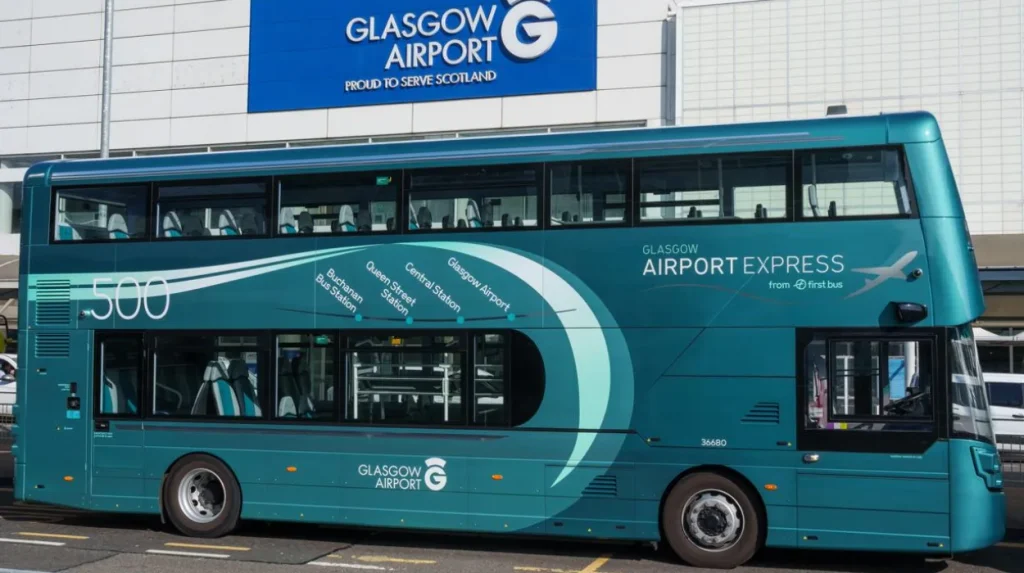
Glasgow Airport bus fares depend on the operator and service selected. First Bus includes its Glasgow Airport Express within the £2 single-fare cap introduced on 7 September 2026, subject to the scheme’s conditions; other airport services require separate fare checks.
Glasgow Airport is located west of the city centre and is connected to Glasgow by dedicated airport buses and local services. The appropriate ticket depends on the route, the operator, and whether the passenger chooses an express service or a regular bus.
First Bus confirms that its £2 single-fare offer includes eligible journeys on the Glasgow Airport Express. This makes the cap relevant to passengers travelling between the city and the airport on covered services.
Passengers should check the service number and destination before boarding. Airport buses can have different stopping patterns, journey times, and ticketing arrangements from local buses. A ticket valid on one airport service should not be assumed to cover every other service.
Travellers should also allow enough time for airport check-in and security. Road congestion, diversions, and traffic conditions can affect bus journey times, particularly during busy commuting periods.
For current airport routes and timetables, use the First Bus Greater Glasgow timetable search. Confirm the fare and departure details close to the travel date.
Explore More Area Guide
Glasgow Public Transport: Complete Guide to Travel Options
Getting Around Glasgow Without a Car: Travel Guide 2026
Where can passengers check the latest Glasgow bus fares?
Passengers should check official operator fare pages, fare finders, and ticketing apps before travelling. These sources provide current prices, ticket validity, service coverage, and payment instructions, helping travellers avoid relying on outdated fares or tickets that do not cover their intended journey.
First Bus provides a dedicated Greater Glasgow ticket prices page with options for different passenger categories and travel areas. Its Fare Finder allows users to select a service, direction, boarding point, and destination to identify the applicable single fare.
McGill’s publishes separate fare-change notices and ticket information for its own services. Passengers should consult the operator’s official website when using its buses, particularly after announced fare changes.
Transport Scotland is the authoritative source for Scotland’s national concessionary travel schemes. Its guidance explains who qualifies for free bus travel, how to apply for a National Entitlement Card, and how to use the scheme.
How can passengers choose the best-value Glasgow bus ticket?
The best-value Glasgow bus ticket depends on the number of journeys, travel zones, operator, and eligibility for concessions. Occasional passengers should compare capped singles with day tickets, while regular commuters should assess weekly, monthly, and flexible passes against their actual travel patterns.
Passengers making one short journey should first check the operator’s single fare. On eligible First Bus services, the £2 cap provides a straightforward maximum for covered single journeys.
People making several journeys in one day should compare the total cost of single fares with the relevant day ticket or automatic fare cap. A day ticket becomes more attractive when the number of full-price journeys exceeds its cost, provided the journeys fall within its validity.
Regular commuters should compare weekly and longer-term passes. Flexible ticket bundles are worth checking for people who work from home on some days or travel on an irregular schedule.
Eligible children, young people, older people, and disabled passengers should check whether a National Entitlement Card provides free travel. Those who combine buses with trains or the Subway should investigate integrated ticket products rather than assume a standard bus ticket covers the whole trip.
Glasgow’s bus ticketing system includes capped singles, day tickets, long-term passes, contactless fare capping, and national concessionary schemes. Understanding the differences helps passengers select a ticket that matches their route, budget, and travel frequency.
How much does a bus ticket cost in Glasgow in 2026?
Eligible First Bus single journeys across Glasgow and surrounding areas are capped at £2 from 7 September 2026. Other operators and ticket types have separate fares, so passengers should check current prices before travelling.