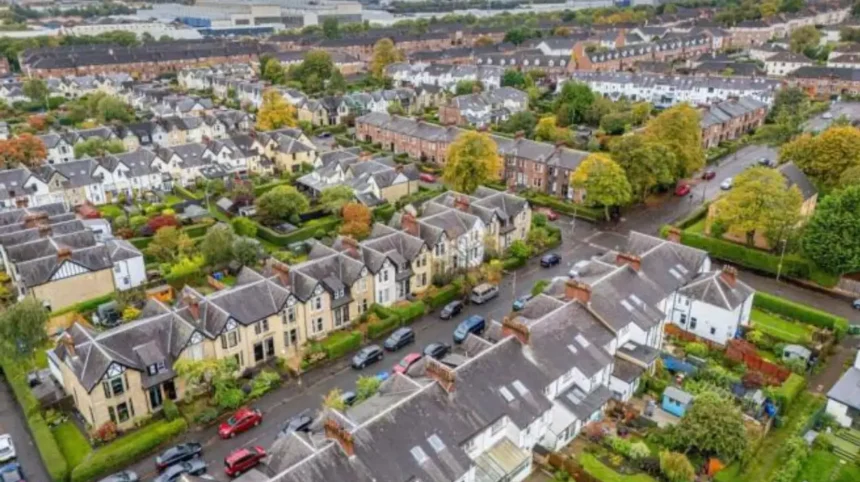
Choosing the best areas to live in Glasgow for families depends on housing type, school catchments, transport, green space, local services and access to work. Glasgow combines established residential districts with suburban communities across neighbouring council areas, giving families a wide range of locations.
- Which areas of Glasgow are best for families?
- Why do families choose the West End of Glasgow?
- Is Jordanhill a good area for families?
- Why is Hyndland popular with families?
- Which south Glasgow areas are suitable for families?
- Is Pollokshields suitable for families?
- Why is Shawlands attractive to families?
- Is Dennistoun a good family area in Glasgow?
- Which Glasgow areas are best for families who want larger houses?
- Is Giffnock a good place for families near Glasgow?
- Why do families consider Newton Mearns?
- Is Bearsden suitable for families moving to Glasgow?
- How important are school catchments when choosing a Glasgow family home?
- Which Glasgow areas offer the best access to parks and outdoor space?
- How should families compare Glasgow neighbourhoods before moving?
- What is changing for families in Glasgow?
- Which Glasgow family area should you consider first?
Glasgow City is Scotland’s largest city and has a diverse residential structure. Its neighbourhoods range from dense inner-city districts to leafy west and south-side communities. Nearby areas such as Bearsden, Giffnock and Newton Mearns sit outside Glasgow City Council but form part of the wider Glasgow urban area and are frequently considered by families moving to the region.
The city is also experiencing continued household growth. National Records of Scotland projects the number of households in Glasgow City to rise from 295,232 in 2022 to 322,789 in 2032, an increase of 9.3%.
Family housing decisions therefore involve more than property size. School access, journey times, parks, childcare, healthcare, shopping and community facilities all affect everyday life.
Which areas of Glasgow are best for families?
Glasgow’s strongest family-oriented areas include Jordanhill, Hyndland, Pollokshields, Shawlands, Southside districts, Dennistoun and established suburban communities near the city. Nearby Giffnock, Newton Mearns and Bearsden provide additional options outside Glasgow City.
There is no single family area that suits every household. A family with young children can prioritise parks and primary schools, while a household with teenagers can place greater emphasis on secondary schools and transport.
Jordanhill and Hyndland are established west-side residential districts with strong transport connections and access to parks, schools and local amenities. Pollokshields and Shawlands provide access to Glasgow’s south side, including Queen’s Park and a substantial range of shops, cafés and services.
Dennistoun provides a more urban option. It sits close to the city centre and has rail access through Dennistoun-area stations, local shops and access to Glasgow Green and other central recreational spaces.
Families seeking larger suburban properties often examine Giffnock, Newton Mearns and Bearsden. These communities have different council arrangements, school systems and transport patterns, so their addresses require separate checks.
The Scottish Household Survey found that 94% of adults across Scotland rated their neighbourhood as a very or fairly good place to live in 2024. The measure covers Scotland as a whole rather than Glasgow alone, but it demonstrates the importance of neighbourhood quality in residential decisions.
Why do families choose the West End of Glasgow?
Glasgow’s West End combines established residential streets, schools, parks, universities, local shops and rail or subway connections. Jordanhill, Hyndland and surrounding districts provide family housing close to employment, education, cultural facilities and everyday services.
The West End is one of Glasgow’s most established residential areas. Hyndland contains traditional sandstone tenements, villas and converted properties. Jordanhill has a mixture of family houses, flats and suburban-style streets.
Kelvinbridge, Partick and Anniesland extend the residential choice. Each has a different housing profile and transport pattern.
Kelvingrove Park provides extensive green space close to several West End neighbourhoods. The park connects residential areas with the Kelvingrove Museum, River Kelvin and wider walking routes.
Transport is another important feature. Partick provides rail and subway connections, while Hyndland and Jordanhill have railway stations serving different routes across the city and wider region.
Families should distinguish between living close to a station and living within a specific school catchment. Transport convenience does not determine school admission.
Glasgow City Council uses defined geographical catchment areas for primary schools. Every Glasgow address has an associated denominational and non-denominational primary school catchment arrangement, while secondary-school admission structures differ between schools.
This makes an exact property address more important than a general neighbourhood name when assessing schools.
Is Jordanhill a good area for families?
Jordanhill is an established west Glasgow residential district with family houses, flats, green space, rail access and proximity to schools. Its location between Anniesland, Scotstoun and Hyndland gives families access to both suburban streets and wider city services.
Jordanhill has a predominantly residential character. Housing includes traditional properties alongside modern developments and flats.
Jordanhill railway station provides a direct rail connection toward central Glasgow and other destinations. The surrounding area also has access to bus routes and major roads.
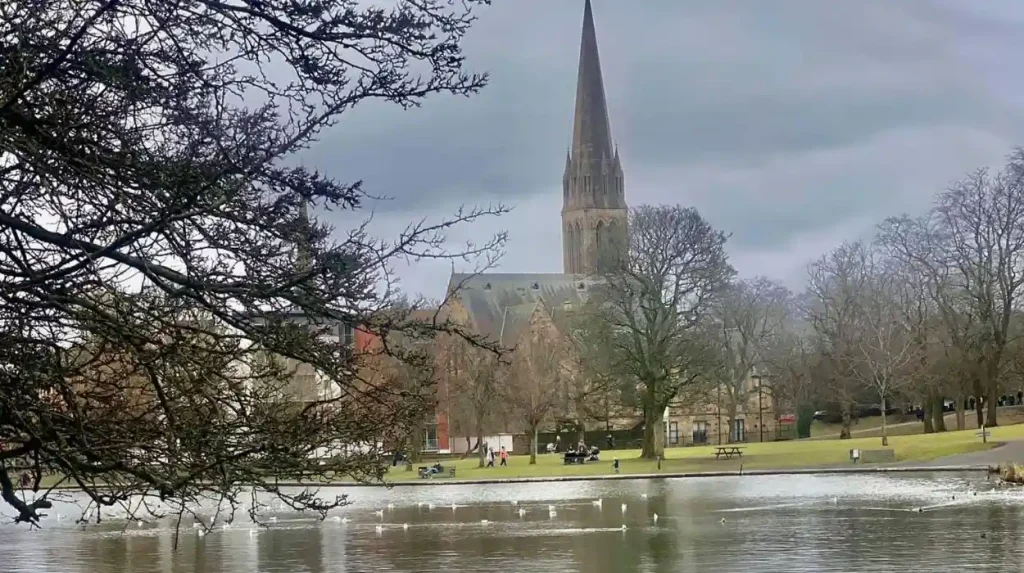
The district is close to Victoria Park in neighbouring Scotstoun. Victoria Park provides open space, mature trees, paths and family recreation facilities.
Jordanhill is also associated with Jordanhill School, a specialist school with a distinct educational history. Families should not assume that living in the broader Jordanhill area automatically provides admission to every nearby school.
Glasgow’s school admission system is based on catchment arrangements and specific entry criteria. Placing requests provide another route for families seeking a school outside their normal catchment, subject to the relevant rules and available places.
For property searches, families should verify the exact primary and secondary catchment before committing to a purchase or tenancy.
Why is Hyndland popular with families?
Hyndland offers traditional housing, local shopping, rail transport, nearby parks and convenient access to Glasgow’s West End. Its established streets and proximity to schools and services make it a significant family housing market within the city.
Hyndland is centred on residential streets containing sandstone tenements, villas and other traditional properties. Many homes have larger rooms and period architectural features.
Hyndland railway station links the neighbourhood with Glasgow’s rail network. The station is useful for journeys toward Glasgow city centre and surrounding districts.
Families also have access to nearby Byres Road, Great Western Road and Partick. These areas provide supermarkets, independent shops, restaurants, cafés, healthcare services and other daily facilities.
The West End contains major cultural and educational institutions. The University of Glasgow, Kelvingrove Art Gallery and Museum and Glasgow Botanic Gardens are all within the broader district.
Housing costs vary considerably by property type, size, condition and exact street. Families should compare individual properties rather than assuming that one area has a uniform housing market.
Which south Glasgow areas are suitable for families?
Pollokshields, Shawlands, Strathbungo, Battlefield and nearby Southside districts provide varied family housing, access to parks and strong local shopping. The area combines traditional residential streets with rail, bus and subway connections.
Glasgow’s Southside contains some of the city’s most varied residential environments.
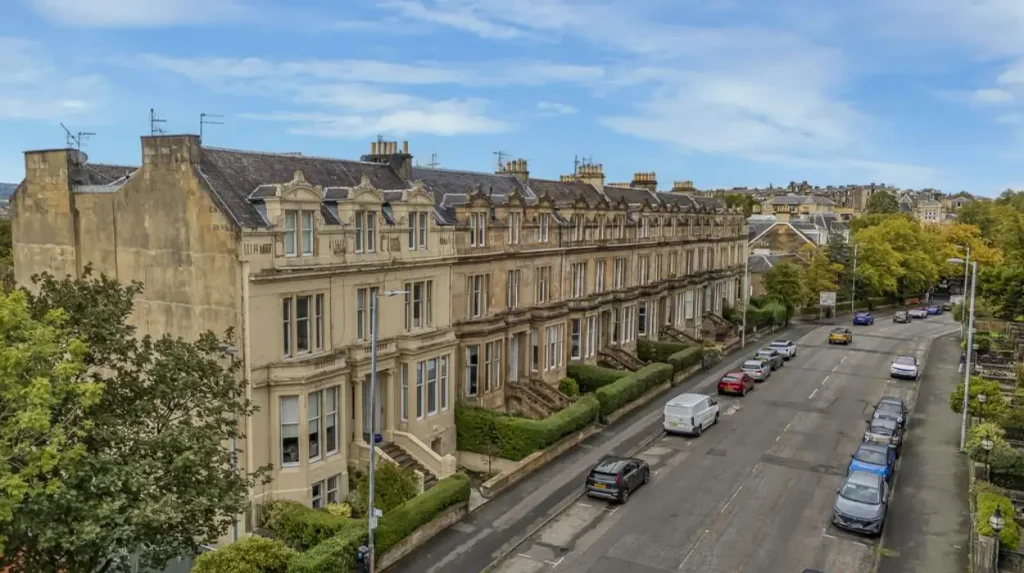
Pollokshields has large Victorian and Edwardian properties, sandstone tenements, villas and leafy streets. The district is adjacent to Pollok Country Park and has several railway stations.
Shawlands functions as a major Southside commercial centre. Its shops, cafés, restaurants and services support residents from surrounding neighbourhoods.
Strathbungo sits between Shawlands and Queen’s Park. It contains traditional sandstone housing and provides convenient access to local businesses and public transport.
Battlefield and Mount Florida provide another family-oriented residential option. Their proximity to Queen’s Park, Hampden Park and Shawlands adds recreational and transport opportunities.
Queen’s Park is one of the Southside’s major green spaces. Its paths, open areas, sports facilities and views across Glasgow make it an important recreational resource.
The Southside also has a diverse community profile. This affects local shops, food businesses, cultural organisations and community facilities.
Is Pollokshields suitable for families?
Pollokshields provides larger traditional homes, railway access, proximity to Pollok Country Park and connections to Shawlands and central Glasgow. Its housing mix makes it suitable for families seeking period properties and access to substantial outdoor spaces.
Pollokshields is particularly notable for its Victorian and Edwardian housing stock. Large sandstone homes sit alongside traditional tenements and modern residential properties.
Pollok Country Park is one of Glasgow’s major recreational destinations. The park contains extensive open land and includes Pollok House and the Burrell Collection.
The neighbourhood also benefits from railway stations including Pollokshields East and Pollokshields West. Cross-city rail services provide connections toward central Glasgow and other parts of the metropolitan area.
Families should assess road traffic, parking arrangements and school catchments at individual addresses. Large streets do not necessarily indicate the same transport or education arrangements across the whole district.
Pollokshields also has access to local community organisations and a broad range of shops and services.
Why is Shawlands attractive to families?
Shawlands combines family housing with one of Glasgow’s strongest Southside town-centre environments. Residents have access to shops, supermarkets, cafés, restaurants, healthcare, public transport and Queen’s Park within the surrounding neighbourhood.
Shawlands is centred on Kilmarnock Road and surrounding streets. The area functions as a commercial and residential hub.
Queen’s Park sits immediately north of Shawlands and provides a major outdoor resource. The park includes sports facilities, walking routes, gardens and open spaces.
Housing around Shawlands includes traditional sandstone tenements, terraced homes, semi-detached properties and flats. The variety supports different household sizes and budgets.
Transport links include frequent bus services and nearby rail stations. Shawlands railway station is part of the Glasgow rail network.
The area is also convenient for families who want access to central Glasgow without living in the city centre.
The balance between urban services and nearby green space is a major feature of the wider Southside residential environment.
Is Dennistoun a good family area in Glasgow?
Dennistoun provides an urban family option close to Glasgow city centre. The district offers traditional tenement housing, local shops, restaurants, schools, rail access and proximity to Glasgow Green and other central recreational spaces.
Dennistoun lies east of Glasgow city centre and has experienced significant residential and commercial change.
The area contains traditional tenement properties, newer residential developments and local commercial streets. Alexandra Parade is a major local route with shops, food businesses and services.
Alexandra Park provides green space on the eastern side of Dennistoun. The park contains paths, mature landscaping, sports areas and recreational facilities.
Rail stations around Dennistoun provide access to central Glasgow and wider destinations. This makes the area relevant to families with commuters.
Dennistoun is more urban than outer suburban locations. Families seeking detached houses and private gardens therefore need to consider other parts of Glasgow or neighbouring council areas.
Its central location is useful for households that prioritise shorter city journeys, cultural facilities and public transport.
Which Glasgow areas are best for families who want larger houses?
Families seeking larger houses often examine Pollokshields, Jordanhill, suburban Southside districts, Bearsden, Giffnock and Newton Mearns. These areas contain more detached, semi-detached and larger traditional properties than many inner-city neighbourhoods.
Housing type is one of the biggest differences between Glasgow neighbourhoods.
Central districts contain a high proportion of flats and traditional tenements. Outer residential areas contain more houses with gardens, driveways and additional bedrooms.
Pollokshields combines large period homes with flats. Jordanhill includes family houses alongside flats. Giffnock and Newton Mearns have substantial suburban housing stock.
Bearsden, located within East Dunbartonshire, provides another established suburban housing market outside Glasgow City.
Families should compare total housing costs rather than headline property prices. Mortgage payments, council tax, insurance, maintenance, commuting and childcare all affect the household budget.
The Scottish Government’s 20-minute neighbourhood policy framework also highlights access to housing, schools, childcare, healthcare, shops, employment, transport, parks and recreation as important components of local living.
Is Giffnock a good place for families near Glasgow?
Giffnock is an established East Renfrewshire suburb with family housing, schools, local shopping, rail access and connections to Glasgow. Its location makes it relevant to families seeking suburban living while retaining access to the city.
Giffnock is outside Glasgow City Council and is governed by East Renfrewshire Council. This distinction matters for education, council services and local planning.
Giffnock railway station provides access toward Glasgow and East Renfrewshire. Official transport analysis identifies Giffnock as one of the localities with particularly strong rail accessibility, with 84% of its population within 800 metres of a train station under the council’s analysis.
The area contains traditional homes, flats and newer residential developments. Local shopping is concentrated around streets including Fenwick Road and Station Road.
School catchments require careful checking. East Renfrewshire Council assigns residential properties to defined Roman Catholic and non-denominational primary and secondary catchments. Living inside a catchment does not automatically guarantee a school place.
This makes the exact address important for families buying property in Giffnock.
Why do families consider Newton Mearns?
Newton Mearns provides a suburban housing environment south of Glasgow with larger homes, schools, green spaces, retail facilities and road connections. It suits families prioritising space and suburban services over immediate rail access.
Newton Mearns is one of East Renfrewshire’s largest residential communities. It contains extensive suburban housing and several newer residential developments.
The area has primary and secondary schools serving different catchments. East Renfrewshire Council identifies separate denominational and non-denominational school arrangements for properties across the authority.
Transport is an important consideration. East Renfrewshire’s transport analysis records a relatively low proportion of Newton Mearns residents within 800 metres of a train station compared with Giffnock, Busby and Neilston. The same analysis identifies stronger reliance on bus and road connections in parts of Newton Mearns.
Newton Mearns therefore suits households where car access or bus connectivity forms part of the daily travel pattern.
The area has supermarkets, local retail, leisure facilities and green spaces. Its southern location also provides road access toward East Renfrewshire and Ayrshire.
Is Bearsden suitable for families moving to Glasgow?
Bearsden is a suburban community in East Dunbartonshire rather than Glasgow City. It offers family housing, schools, parks, local services and direct rail connections to Glasgow Queen Street, making it a significant option within the wider Glasgow housing market.
Bearsden sits northwest of Glasgow and has a well-established suburban character.
The community contains detached and semi-detached houses, villas, flats and other residential property types. Milngavie Road and Bearsden Cross provide local commercial services.
Rail transport is a major advantage. ScotRail records an average journey time of about 20 minutes between Glasgow Queen Street and Bearsden, with direct services.
Bearsden also has several railway stations and nearby access to countryside and recreational areas.
Because Bearsden is within East Dunbartonshire, its education system is separate from Glasgow City Council. Families must therefore assess East Dunbartonshire school catchments rather than Glasgow catchments.
This distinction is particularly important when comparing Bearsden with Jordanhill, Hyndland or other Glasgow City neighbourhoods.
How important are school catchments when choosing a Glasgow family home?
School catchments are one of the most important practical factors for families choosing a Glasgow home. Catchment boundaries determine local school access, while placing requests provide a separate application route subject to admission rules and available capacity.
Glasgow City Council uses catchment areas for primary school admission. Every residential address has an associated catchment arrangement for denominational and non-denominational primary education.
Secondary schools use different admission structures. Glasgow City Council has delineated secondary schools where geographical catchments form the principal entry basis and non-delineated secondary schools where associated primary schools form an important part of the admission structure.
Families should therefore avoid using school league tables or neighbourhood reputation as a substitute for checking the actual address.
Placing requests are available where parents seek a school other than the local catchment school. Glasgow City Council states that placing requests can be made for relevant mainstream and additional-support schools, subject to its criteria.
The same principle applies outside Glasgow. East Renfrewshire Council uses defined catchments and states that living within a catchment does not guarantee a place.
A school decision should therefore be based on the current official catchment information for the specific property.
Which Glasgow areas offer the best access to parks and outdoor space?
Families seeking regular outdoor access can consider Pollokshields, Shawlands, Jordanhill, Hyndland, Dennistoun and suburban communities around Glasgow. Major parks include Queen’s Park, Pollok Country Park, Kelvingrove Park and Alexandra Park.
Green space is an important component of family life. Glasgow has major public parks distributed across different parts of the city.
Queen’s Park serves the Southside and provides walking routes, gardens, sports facilities and open recreational areas.
Pollok Country Park covers a large area in the southwest of Glasgow. It combines woodland, open landscapes, cultural attractions and walking routes.
Kelvingrove Park serves the West End and sits beside the River Kelvin. Its location connects residential neighbourhoods with cultural attractions and recreational routes.
Alexandra Park serves the east side and provides another substantial green space close to Dennistoun and surrounding districts.
Glasgow City Council is also developing a broader child-friendly planning approach. In September 2026, council papers outlined plans for a Family Friendly Parks Framework covering features such as natural play, accessible toilets, seating, shelter, drinking water, play trails and outdoor learning.
This policy direction demonstrates the growing importance of parks and outdoor infrastructure in Glasgow’s family planning agenda.
How should families compare Glasgow neighbourhoods before moving?
Families should compare school catchments, housing type, transport, parks, childcare, healthcare, shopping, council tax, commuting requirements and local services before choosing a Glasgow neighbourhood. The exact property address should be checked against current official information.
The first step is to define the household’s daily travel pattern. A family commuting to central Glasgow can prioritise rail, subway or frequent bus connections.
The second step is housing. Families requiring three or four bedrooms, gardens, parking or home-working space need to identify neighbourhoods with suitable property stock.
The third step is education. Parents should identify the exact catchment primary and secondary schools for each shortlisted address.
The fourth step is outdoor space. Families with young children often benefit from short walking distances to parks, playgrounds and safe routes.
The fifth step is local services. Supermarkets, pharmacies, GP practices, dentists, childcare providers, libraries and community centres influence everyday convenience.
The sixth step is future suitability. A home suitable for a toddler needs different facilities from a home for teenagers. Transport requirements also change when children become more independent.
Glasgow’s household growth reinforces the importance of long-term planning. NRS projects a 9.3% increase in Glasgow City households between 2022 and 2032.
Explore More Area Guide
Best Areas to Live in Glasgow for Young Professionals
Govanhill Named Among World’s Coolest Neighbourhoods in Glasgow 2026
What is changing for families in Glasgow?
Glasgow is placing greater emphasis on child-friendly neighbourhoods, outdoor play, active travel, local services and family-oriented public spaces. Housing growth and neighbourhood planning are increasing the importance of schools, parks, transport and community infrastructure.
Glasgow City Council has formally committed to developing a child-friendly approach to planning and public space.
Recent council proposals include safer walking and wheeling routes, traffic-calming measures, play streets, street greening, improved crossings, informal play areas and family-friendly park infrastructure.
National Planning Framework 4 also promotes local living and 20-minute neighbourhood principles. These principles connect housing with schools, childcare, healthcare, shopping, employment, public transport, walking, cycling, parks and recreation.
Housing growth adds another dimension. More households create demand for homes, schools, transport capacity, parks and community facilities.
Families moving to Glasgow therefore need to consider both existing infrastructure and planned development.
The most useful approach is to assess the immediate neighbourhood, not simply the reputation of the wider district.
Which Glasgow family area should you consider first?
The right Glasgow family area depends on the household’s priorities rather than a universal ranking. West End districts suit families seeking established urban amenities, Southside areas combine parks and services, while outer suburbs provide additional space and different school catchments.
Jordanhill and Hyndland provide established West End housing with rail connections, schools, parks and cultural amenities.
Pollokshields and Shawlands provide Southside housing, Queen’s Park, local shopping and rail or bus connections.
Dennistoun provides a more central urban environment with traditional housing, local services, rail connections and access to Alexandra Park.
Giffnock and Newton Mearns provide suburban options under East Renfrewshire Council, with different housing patterns and education arrangements.
Bearsden provides another suburban alternative under East Dunbartonshire Council, with direct rail services toward Glasgow Queen Street.
The final decision should be based on the exact property, school catchment, journey pattern, housing requirements and access to everyday services. Glasgow’s family housing market is diverse enough to support urban, suburban and city-edge lifestyles within the wider metropolitan area.
For families researching a move in 2026, the most reliable process is to shortlist neighbourhoods, inspect individual properties, verify school catchments with the relevant council, check transport routes and assess parks and local services before making a housing decision.
What are the best areas to live in Glasgow for families?
Jordanhill, Hyndland, Pollokshields, Shawlands and Dennistoun are established Glasgow options for families. Giffnock, Newton Mearns and Bearsden are nearby suburban alternatives outside Glasgow City Council.