Key Points
- Govanhill, a neighbourhood on the south side of Glasgow, has been ranked fifth in Time Out’s annual list of the world’s coolest neighbourhoods, marking the highest-ever position achieved by a UK location on the index.
- The global travel and lifestyle publication highlighted the area’s diverse community, vibrant cultural scene, independent businesses, and welcoming ethos.
- Specific local spots praised by Time Out include independent bookshops Category Is Books and Burning House Books, as well as eateries like Errol’s Hot Pizza, alongside the annual Govanhill International Festival and Carnival.
- The accolade arrived shortly after political debates at Holyrood, where the area faced criticism from Reform UK MSP Thomas Kerr, which was countered by figures defending the multicultural community.
- Local reporting by multimedia content creator Nicola Roy of Glasgow Live and coverage from other regional titles spotlighted the burgeoning local café culture, noting experiences such as paying £4.60 for an oat milk mocha at Zennor on Langside Road.
Glasgow (Glasgow Express) September 28, 2026 — Nestled on the south side of the River Clyde, the vibrant urban neighbourhood of Govanhill has captured international attention by securing the fifth spot on Time Out’s global ranking of the coolest neighbourhoods on the planet.
- Key Points
- Why Is Govanhill Ranked Among the World’s Top Five Neighbourhoods?
- How Do Local Prices and Independent Cafés Reflect the Area’s Rise?
- What Context Surrounds the Global Recognition?
- Background of the Particular Development
- Prediction on How This Development Can Affect Local Residents and Businesses
Why Is Govanhill Ranked Among the World’s Top Five Neighbourhoods?
As reported by multimedia content creator Nicola Roy of Glasgow Live, the annual index compiled by Time Out evaluates trends, community spirit, local commerce, and cultural vibrancy across international cities. Govanhill’s positioning at number five marks a historic high for any UK neighbourhood on the publication’s roster.
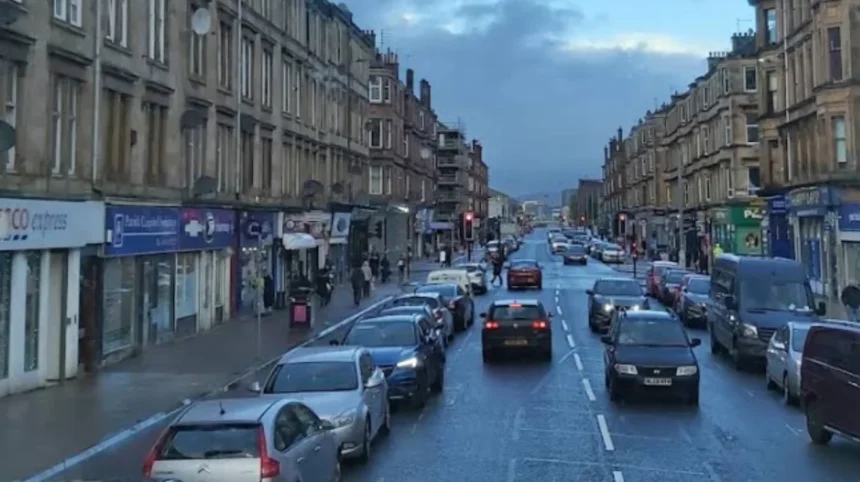
According to lifestyle evaluations, the area thrives on its rich multicultural fabric. Walking down bustling thoroughfares like Victoria Road reveals a dense pocket of international dining, independent coffee shops, and community spaces. Reviewing the local scene, journalists noted that businesses range from Transylvanian coffee houses decorated for seasonal events to Turkish bakeries serving traditional börek.
How Do Local Prices and Independent Cafés Reflect the Area’s Rise?
Exploring the neighbourhood’s economic and social pulse, reporters documented the day-to-day cost and atmosphere of its thriving independent hospitality sector. As detailed by regional press correspondents visiting establishments such as Zennor on the corner of Langside Road and Dixon Avenue, a seasonal specialty coffee with oat milk totals around £4.60. Reviewers described such establishments as vibrant, spacious, and reflective of a passionate local merchant community.
Beyond coffee culture, Time Out specifically drew attention to cultural cornerstones within the district, including the queer independent bookshop Category Is Books, Burning House Books, and popular dining spots like Errol’s Hot Pizza. Furthermore, the area’s identity is heavily reinforced by community-led events such as the annual Govanhill International Festival and Carnival held every August.
What Context Surrounds the Global Recognition?
The international accolade arrived amid broader domestic discussions regarding the neighbourhood’s public image. As covered by the Glasgow Times, the global ranking was published shortly after political exchanges at Holyrood, where Reform UK MSP Thomas Kerr had used critical terminology regarding the area. In response, Scottish Labour MP John Grady defended the locality, stating, as reported by the Glasgow Times, that “multiculturalism is one of the many reasons that Glasgow is one of the world’s greatest cities”. Supporters and local residents have frequently emphasized that despite localized urban challenges, the neighborhood maintains a robust, active grassroots economy and a deeply connected population.
Background of the Particular Development
The inclusion of Govanhill in Time Out’s global index follows a trend of Glasgow districts gaining international recognition for urban regeneration and cultural density. In 2020, Glasgow’s East End neighbourhood of Dennistoun was similarly honoured by the publication. Govanhill has long functioned as one of Scotland’s most densely populated and ethnically diverse areas, characterized by a mix of historical tenement housing, active civic activism, and a high concentration of immigrant-led enterprises. Over the preceding decade, the south side corridor encompassing Victoria Road and Queen’s Park has undergone significant commercial shifts, marked by an influx of independent traders, specialty cafes, and creative communities seeking affordable urban spaces close to the city centre.
Prediction on How This Development Can Affect Local Residents and Businesses
For the local residents and business owners of Govanhill, this global recognition is expected to accelerate commercial footfall, tourism, and outside interest in the south side property market. While increased visibility can provide a welcome economic boost to independent cafes, bookshops, and eateries, it also raises local concerns regarding potential gentrification. Historically, international accolades of this nature tend to drive up property values and rental costs, which may present affordability challenges for long-term residents and smaller independent traders operating in the area.