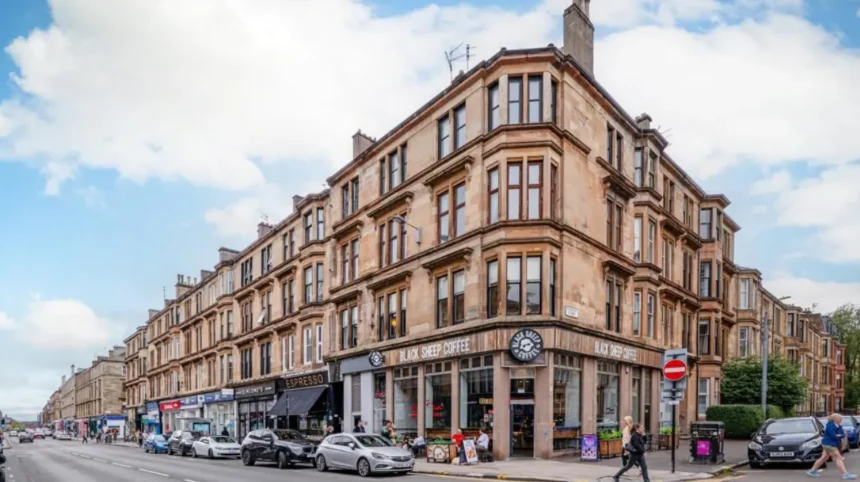
Choosing the best area to live near the University of Glasgow depends on accommodation costs, walking distance, public transport, local facilities and residential environment. Glasgow’s West End contains several established neighbourhoods that provide convenient access to the university’s main Gilmorehill campus.
- Where Is the University of Glasgow Located?
- Which Neighbourhoods Are Closest to the Campus?
- Why Is the West End Popular With University Residents?
- Which Area Is Best for Living Near Glasgow University?
- 1. Hillhead: Best for Students and Walking Distance
- 2. Partick: Best for Transport and Everyday Convenience
- 3. Kelvingrove: Best for Parks and Cultural Attractions
- 4. Woodlands: Best for Central West End Living
- 5. Finnieston: Best for Restaurants and Social Life
- 6. Hyndland: Best for a Quieter Residential Environment
- 7. Dowanhill: Best for Traditional Residential Housing
- 8. Kelvinbridge: Best for Walking and Subway Access
- How Much Does It Cost to Rent Near Glasgow University?
- What Are the Average Rental Prices in Nearby Postcodes?
- Which Areas Offer Better Value for Money?
- Why Do Rental Prices Differ Between Neighbourhoods?
- What Transport Options Connect Nearby Areas to Glasgow University?
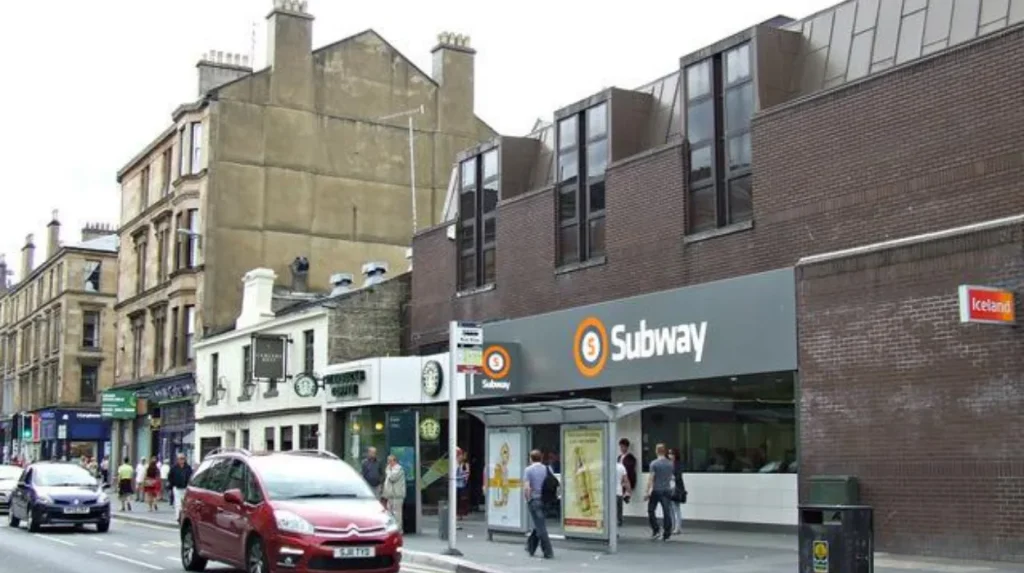
- How Does the Glasgow Subway Help University Residents?
- Which Bus Routes Serve the University?
- Is Cycling Practical Near Glasgow University?
- What Housing Options Are Available Near Glasgow University?
- University-Managed Student Accommodation
- Purpose-Built Student Accommodation
- Private Rental Flats and Shared Houses
- What Should Students Check Before Renting Near Glasgow University?
- Understand Scottish Private Renting Rules
- Check the Energy Performance Certificate
- Calculate the Full Monthly Accommodation Budget
- Which Area Near Glasgow University Is Best for Different Residents?
- Best Areas for Undergraduate Students
- Best Areas for Postgraduate Students
- Best Areas for University Employees
- Best Areas for Young Professionals
- Best Areas for Families
- How Should You Choose the Best Neighbourhood Near Glasgow University?
Hillhead, Partick, Kelvingrove, Woodlands, Finnieston, Hyndland and Dowanhill are among the most practical residential choices. Each neighbourhood offers a different combination of student accommodation, traditional tenement flats, independent shops, restaurants, parks and transport connections.
The University of Glasgow is situated in the West End of Scotland’s largest city. Its location makes nearby neighbourhoods particularly attractive to undergraduate students, postgraduate researchers, university employees and professionals working in central Glasgow.
This guide examines the best areas to live near Glasgow University, including their housing characteristics, transport connections, amenities, affordability and suitability for different residents.
Where Is the University of Glasgow Located?
The University of Glasgow’s main campus is located at Gilmorehill in Glasgow’s West End, approximately three miles west of the city centre. Hillhead, Partick, Kelvingrove, Woodlands and Hyndland provide convenient residential access to the university.
The university’s main campus occupies an established educational and residential district near Byres Road, Great Western Road and Kelvingrove Park. Its historic Main Building, designed by architect George Gilbert Scott, is one of Glasgow’s most recognisable architectural landmarks.
The West End is an important residential and cultural district. It combines educational institutions, historic buildings, independent businesses, museums, restaurants and public green spaces.
The university’s location influences the surrounding housing market. Students and university employees create consistent demand for rented flats, shared accommodation and purpose-built student residences.
Which Neighbourhoods Are Closest to the Campus?
The closest residential neighbourhoods include Hillhead, Kelvingrove, Woodlands and parts of Partick. Hyndland and Dowanhill provide additional options within the wider West End.
Neighbourhood boundaries are not always officially defined. Estate agents, residents and local organisations sometimes use different boundaries for the same district. Consequently, property addresses and actual walking routes provide more reliable information than neighbourhood labels alone.
Why Is the West End Popular With University Residents?
The West End attracts university residents because it combines accessible campus routes with established residential streets and everyday services.
The district contains the University of Glasgow, the Hunterian Museum, Glasgow Botanic Gardens and Kelvingrove Art Gallery and Museum. These institutions contribute to its educational and cultural identity.
Byres Road serves as a major commercial street. It contains supermarkets, cafés, restaurants, pharmacies, independent retailers and other everyday services.
The area’s transport network also connects residents with Glasgow city centre and other parts of Scotland.
Which Area Is Best for Living Near Glasgow University?
Hillhead is the strongest choice for students prioritising walking distance, while Partick suits residents seeking transport connections and practical shopping. Kelvingrove offers park access, Woodlands provides central West End living, and Hyndland suits quieter residential preferences.
The best neighbourhood depends on the resident’s daily routine, housing budget and preferred environment. The following areas represent the most relevant options around the University of Glasgow.
1. Hillhead: Best for Students and Walking Distance
Hillhead is one of the most established student residential areas in Glasgow. It surrounds Byres Road and provides direct access to the University of Glasgow’s Gilmorehill campus.
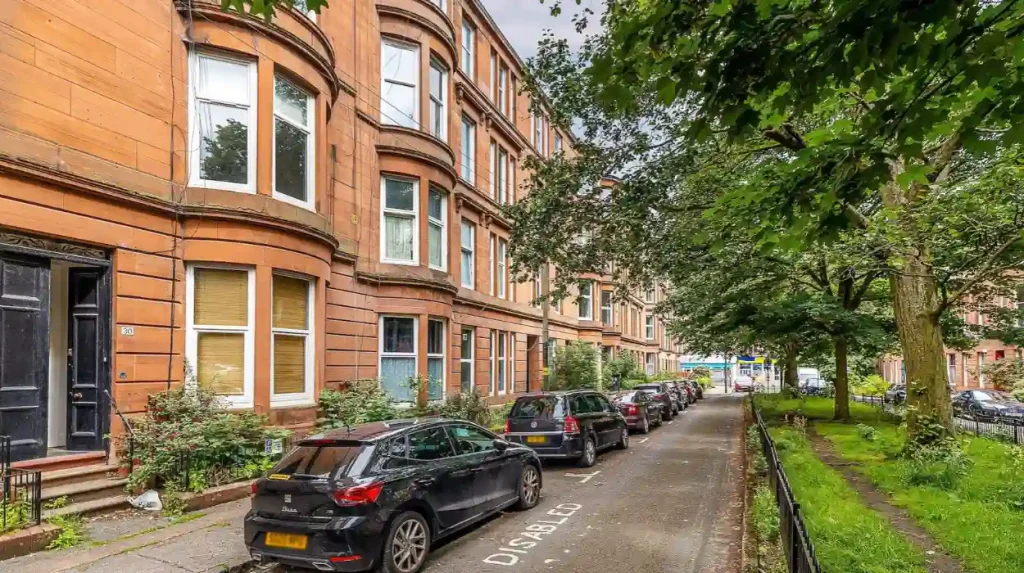
The neighbourhood contains traditional sandstone tenements, purpose-built student accommodation, shared flats and private rental properties.
Byres Road is Hillhead’s principal shopping and social street. Residents have access to supermarkets, cafés, restaurants, bookshops, pharmacies and independent retailers.
Hillhead Subway station provides a direct connection to Glasgow city centre. The University identifies Hillhead as the main Subway station serving its campus, approximately five minutes’ walk away.
The neighbourhood also provides access to the Botanic Gardens and Ashton Lane. Ashton Lane is known for its restaurants, pubs and independent entertainment venues.
Advantages of Hillhead include:
- Short walking journeys to university buildings.
- Strong student community.
- Access to independent shops and restaurants.
- Convenient Subway connections.
- Nearby parks and cultural attractions.
The main disadvantage is rental competition. Properties close to Byres Road and the university attract considerable interest from students and university employees.
Hillhead is particularly suitable for undergraduate students, postgraduate researchers and international students who want to minimise daily commuting.
2. Partick: Best for Transport and Everyday Convenience
Partick is a major residential and transport district west of the University of Glasgow. It provides a practical alternative to Hillhead through its railway station, Subway interchange, bus services and commercial facilities.
Partick Interchange connects local railway services, Glasgow Subway services and bus routes. This arrangement makes the neighbourhood useful for residents travelling to the university, city centre and surrounding districts.
Dumbarton Road is an important commercial corridor. It contains supermarkets, convenience shops, cafés, restaurants, takeaways and other everyday businesses.
The housing market includes traditional tenement flats, modern apartment developments and shared student properties.
Partick is approximately one mile from the university’s main campus, according to University of Glasgow travel information. Actual walking times depend on the property and campus entrance.
The neighbourhood also provides access to the Riverside Museum and the River Clyde waterfront.
Partick is particularly suitable for:
- Students seeking an alternative to Hillhead.
- University employees commuting from other Glasgow districts.
- Professionals using rail and Subway connections.
- Residents who prioritise supermarkets and everyday shopping.
Partick provides a balance between residential convenience and transport accessibility. It is a practical choice for people who regularly travel beyond the West End.
3. Kelvingrove: Best for Parks and Cultural Attractions
Kelvingrove is a residential neighbourhood near the University of Glasgow, Kelvingrove Park and the Kelvingrove Art Gallery and Museum. Its location combines access to green spaces, cultural institutions and university facilities.
Kelvingrove Park is one of Glasgow’s major public parks. It contains landscaped gardens, walking paths, sports facilities and open recreational areas.
The River Kelvin runs through the wider park landscape. Walking routes connect the park with the university and other West End neighbourhoods.
The Kelvingrove Art Gallery and Museum is a major cultural attraction. Its collections include art, historical objects and natural history exhibits.
Housing in Kelvingrove includes traditional tenement flats, converted residential properties and purpose-built student accommodation.
The area also provides access to Argyle Street, where residents find restaurants, cafés, convenience stores and independent businesses.
Kelvingrove suits students who prefer walking or cycling to university and residents who value outdoor recreation. It also provides convenient access to cultural attractions without requiring regular journeys into the city centre.
4. Woodlands: Best for Central West End Living
Woodlands is a residential neighbourhood between the University of Glasgow, Charing Cross and the western edge of Glasgow city centre. It provides convenient access to university facilities and central Glasgow amenities.
The neighbourhood contains traditional Victorian tenements, converted flats and privately rented accommodation.
Woodlands Road is an important local street with cafés, convenience stores, restaurants and independent businesses. Its position also provides access to Great Western Road and the university’s surrounding residential districts.
Residents can walk towards Kelvingrove Park, the University of Glasgow and the city centre. Kelvinbridge Subway station provides another public transport connection.
Woodlands forms part of the Hillhead and Woodlands neighbourhood profile published by Understanding Glasgow. The profile, based on the 2022 Census, records a combined population of 22,834 residents. It also reports that people from minority ethnic backgrounds represented 26.5% of the neighbourhood population in 2022.
Woodlands is suitable for students, young professionals and people seeking a residential location between the West End and central Glasgow.
Its main advantage is geographical flexibility. Residents can access university facilities, local businesses, public transport and city-centre services without relying on a car.
5. Finnieston: Best for Restaurants and Social Life
Finnieston is a popular residential and commercial neighbourhood between Glasgow city centre and the West End. It is known for its restaurants, independent cafés, entertainment venues and access to cultural attractions.
Argyle Street is the neighbourhood’s main commercial corridor. It contains restaurants, bars, cafés, independent shops and everyday services.
The area is also close to the Scottish Event Campus, SEC Armadillo and OVO Hydro. These venues host exhibitions, conferences, concerts and major entertainment events.
Kelvingrove Park provides access to outdoor recreation, while the university remains reachable through walking, cycling and public transport.
Finnieston contains traditional tenement properties, modern apartments and converted residential buildings.
The neighbourhood is particularly suitable for postgraduate students, university employees and young professionals who want a lively social environment.
However, streets close to restaurants and entertainment venues experience increased activity during evenings and major events. Residents should inspect properties for noise exposure before signing a tenancy.
6. Hyndland: Best for a Quieter Residential Environment
Hyndland is an established residential neighbourhood in Glasgow’s West End. It is recognised for its traditional architecture, residential streets, local shops and railway connections.
The neighbourhood contains sandstone tenements, larger traditional flats, converted properties and residential buildings.
Hyndland railway station provides connections to Glasgow’s wider suburban rail network. Local bus services and nearby Subway stations provide additional transport options.
Residents have access to independent shops, cafés, supermarkets and restaurants in nearby West End districts.
Hyndland is suitable for university employees, postgraduate students, couples and residents seeking a more residential atmosphere than the busiest streets around Hillhead.
The neighbourhood is farther from the main campus than Hillhead. Therefore, residents should compare walking routes, cycling access and public transport connections before choosing accommodation.
7. Dowanhill: Best for Traditional Residential Housing
Dowanhill is a residential neighbourhood near Hillhead and Hyndland. It is characterised by traditional sandstone architecture, established residential streets and convenient access to West End amenities.
The housing stock includes large traditional flats, tenement apartments and converted residential properties.
Its position provides access to Byres Road, Glasgow Botanic Gardens and the University of Glasgow. Residents can also reach nearby transport services through Hillhead and Kelvinhall Subway stations.
Dowanhill suits postgraduate students, university staff, couples and professionals who prefer residential streets over busy commercial areas.
The neighbourhood’s housing characteristics also attract residents looking for larger flats and traditional architectural features.
Property size, maintenance standards and heating efficiency require particular attention when viewing older tenement buildings.
8. Kelvinbridge: Best for Walking and Subway Access
Kelvinbridge is a West End neighbourhood situated around Great Western Road and the River Kelvin. It provides convenient access to Glasgow University, public transport and established residential streets.
Kelvinbridge Subway station connects residents with Glasgow’s circular underground network. The surrounding area contains traditional flats, residential tenements, cafés and independent businesses.
The River Kelvin walkway provides access to attractive walking routes and green spaces. Residents can also travel towards Kelvingrove Park and the Botanic Gardens.
Kelvinbridge is suitable for students and professionals who want a quieter alternative to the busiest parts of Hillhead while retaining access to university facilities.
Its position between Hillhead and other West End districts makes it useful for residents who prefer walking and public transport.
How Much Does It Cost to Rent Near Glasgow University?
Rental costs near Glasgow University vary according to property size, postcode, building condition and location. Q3 2026 Citylets data records average one-bedroom rents of £1,006 in G12, £952 in G11 and £1,035 in G3.
The West End generally attracts strong rental demand because of its university facilities, transport connections, established housing and commercial amenities.
Citylets publishes quarterly rental information using Glasgow postcode districts. These figures provide useful comparisons, but postcode districts cover multiple neighbourhoods and do not represent the exact average rent of an individual street.
What Are the Average Rental Prices in Nearby Postcodes?
The following figures come from the Citylets Q3 2026 rental report.
Monthly average rents, Q3 2026. Figures are postcode-level averages, not guaranteed neighbourhood-specific prices.
The figures demonstrate differences between nearby rental markets. G3 recorded a higher average one-bedroom rent than G11 and G20, while G20 offered a comparatively lower average.
The wider Glasgow rental market recorded average rents of £921 for one-bedroom properties and £1,253 for two-bedroom properties in Q3 2026. Citylets
Which Areas Offer Better Value for Money?
Partick and Kelvinbridge provide useful starting points for people comparing accommodation costs and campus access. North Kelvin and Maryhill also offer alternatives for residents prepared to travel slightly farther.
A lower monthly rent does not automatically produce lower overall living costs. Transport fares, energy bills, council tax responsibilities and property maintenance all influence the total monthly budget.
Students sharing a two-bedroom or larger property should calculate the total household rent and divide it between occupants. They should also establish whether utilities, broadband and other household expenses are included.
Why Do Rental Prices Differ Between Neighbourhoods?
Rental prices reflect several property and location characteristics.
The first factor is proximity to the university. Properties near Hillhead and Byres Road attract demand from students who prioritise walking distance.
The second factor is transport connectivity. Areas around Partick Interchange provide access to rail, Subway and bus services.
The third factor is property quality. Renovated tenements, modern apartments and properties with energy-efficient heating systems attract different rental prices from older, poorly maintained homes.
The fourth factor is accommodation type. Purpose-built student accommodation frequently includes furnished rooms, shared facilities and utilities within a single weekly payment.
Prospective tenants should compare total costs rather than relying exclusively on advertised monthly rent.
What Transport Options Connect Nearby Areas to Glasgow University?
Glasgow University is accessible through the Subway, local railway services, buses, cycling routes and pedestrian paths. Hillhead is the main Subway station, while Partick provides the nearest railway interchange, approximately one mile west of campus.
Public transport is an important consideration when choosing accommodation. Residents living outside Hillhead can reach the university through several established transport connections.
How Does the Glasgow Subway Help University Residents?
The Glasgow Subway is an underground railway system operated by Strathclyde Partnership for Transport (SPT). It connects the West End with central Glasgow and several southern and western neighbourhoods.
Hillhead, Kelvinbridge and Kelvinhall are particularly relevant stations for University of Glasgow residents.
The Subway operates:
- Monday to Saturday: 6:30 am to 11:40 pm.
- Sunday: 10:00 am to 6:12 pm.
- Peak frequency: approximately every four minutes.
- Off-peak frequency: approximately every six to eight minutes.
Residents of Hillhead have particularly convenient access to the university. Partick residents can use the Subway to travel towards Hillhead or other parts of Glasgow.
Which Bus Routes Serve the University?
The University of Glasgow has several bus connections serving its main campus and surrounding streets.
University transport information identifies routes 4, 4A and 15 as services operating through the main campus from the city centre. Other services operate along Byres Road, Dumbarton Road and Great Western Road. Getting around Glasgow+1
These connections are useful for residents living in Partick, Finnieston, Woodlands and other nearby neighbourhoods.
Bus journeys provide an alternative when walking distances are inconvenient or Subway services are unavailable.
Is Cycling Practical Near Glasgow University?
Cycling is a practical transport option for residents living in the West End and surrounding districts.
The university identifies a cycle corridor connecting its main campus with Glasgow city centre. The route includes parkland and a dedicated two-lane cycle path.
Residents can also use cycling infrastructure and shared bicycle services operating around Glasgow.
Cycling provides several practical benefits:
- Reduced dependence on public transport.
- Flexible journeys between residential areas and campus.
- Access to local parks and recreational routes.
- Convenient travel for short daily journeys.
Students should consider secure bicycle storage, lighting, road conditions and suitable cycling equipment when choosing accommodation.
What Housing Options Are Available Near Glasgow University?
Accommodation near Glasgow University includes university-managed residences, purpose-built student accommodation, privately rented flats, shared tenement properties and private studios. Each option differs in cost, facilities, tenancy arrangements and household responsibilities.
Glasgow’s West End contains a mixture of historic residential buildings and modern accommodation developments. This variety provides options for undergraduate students, postgraduate researchers, international students and university employees.
University-Managed Student Accommodation
The University of Glasgow operates student accommodation across several locations.
Its Student Apartments are situated in traditional tenement buildings around Hillhead Street, Gibson Street and Southpark Terrace.
The university lists 2026/27 weekly rates of £168 for a standard single room, £177.94 for a large single room and £141.47 for a shared twin room. Utilities, Wi-Fi and personal possessions’ insurance are included in the listed accommodation package. Student Apartments
University accommodation provides a structured option for students who want access to university-managed housing and support.
Purpose-Built Student Accommodation
Purpose-built student accommodation (PBSA) refers to residential buildings designed specifically for students.
These developments generally provide furnished bedrooms, shared kitchens, study facilities and communal areas.
Glasgow has purpose-built student accommodation around the West End and central districts. Examples include:
- Vita Student West End.
- West View.
- Kelvingrove House.
- Clifton and Stewart House.
Students should compare weekly prices, contract periods, included bills, room facilities and cancellation conditions before booking.
Private Rental Flats and Shared Houses
Private renting provides another important accommodation option near the university.
Traditional Glasgow tenements are particularly common throughout Hillhead, Partick, Woodlands and Hyndland.
These properties frequently contain high ceilings, large windows, shared staircases and separate living spaces. Some buildings have undergone extensive renovation, while others retain older fixtures and heating systems.
Shared renting allows several occupants to divide the cost of a property. It is particularly relevant to postgraduate students and people studying in Glasgow for longer periods.
Before signing an agreement, tenants should establish whether the property is furnished, whether utility bills are included and how repairs are managed.
What Should Students Check Before Renting Near Glasgow University?
Students should check the total rent, tenancy agreement, landlord registration, deposit protection, energy performance, transport access and property condition before renting. These checks help establish the financial and practical suitability of accommodation near Glasgow University.
Finding a convenient neighbourhood is only one part of choosing suitable housing. The condition and legal arrangements of an individual property are equally important.
Understand Scottish Private Renting Rules
Private residential tenancies are the main form of private renting for many tenants in Scotland.
The Scottish Government provides official guidance explaining the rights and responsibilities of private tenants and landlords.
Important tenancy requirements include:
- A refundable deposit cannot exceed two months’ rent.
- Landlords must protect deposits through an approved tenancy deposit scheme.
- Deposit protection information must be provided within 30 working days of the tenancy starting.
- Landlords cannot charge prohibited administration fees or premiums.
These requirements form part of Scotland’s private residential tenancy framework. Scottish Government+1
Students should check their agreement carefully and retain copies of payment records and tenancy documents.
Check the Energy Performance Certificate
An Energy Performance Certificate (EPC) provides information about a property’s energy efficiency and environmental performance.
Older Glasgow tenements sometimes have different insulation standards, heating systems and window conditions.
An EPC helps tenants compare properties and understand their potential energy requirements.
Students should check the heating system, window insulation, ventilation and evidence of damp before committing to a rental property.
Calculate the Full Monthly Accommodation Budget
Monthly accommodation costs extend beyond the advertised rent.
Residents should calculate:
- Rent and deposit payments.
- Electricity and gas.
- Internet and mobile services.
- Food and household supplies.
- Public transport.
- Council tax where applicable.
Eligible full-time students can qualify for council tax exemption, subject to the relevant household circumstances and local authority requirements. Students should confirm their eligibility with Glasgow City Council rather than assume every shared property receives an automatic exemption.
Explore More Area Guide
Best Areas to Live Near Strathclyde University
Best Areas to Live Near Glasgow University
Which Area Near Glasgow University Is Best for Different Residents?
Hillhead suits students prioritising campus access, Partick suits commuters, Kelvingrove suits residents seeking parks, and Woodlands suits central West End living. Finnieston, Hyndland and Dowanhill provide alternatives based on social life and residential preferences.
Choosing an area becomes easier when the decision reflects the resident’s daily activities rather than neighbourhood popularity alone.
Best Areas for Undergraduate Students
Hillhead and Kelvingrove are strong choices for undergraduate students.
Hillhead offers direct access to university buildings, student facilities and Byres Road. Kelvingrove provides convenient access to campus and outdoor recreational spaces.
Students seeking purpose-built accommodation should also compare available university residences and privately operated student buildings.
Best Areas for Postgraduate Students
Woodlands, Partick and Kelvinbridge provide useful options for postgraduate students.
These neighbourhoods combine residential housing, transport services and access to libraries, research facilities and university buildings.
Students sharing accommodation can also compare larger traditional flats in Partick and Woodlands.
Best Areas for University Employees
Partick, Hyndland and Dowanhill suit university employees who need convenient access to campus and wider Glasgow transport connections.
Partick is particularly useful for rail and Subway travel. Hyndland and Dowanhill offer established residential environments with access to local amenities.
Best Areas for Young Professionals
Finnieston and Woodlands provide access to restaurants, cafés, cultural venues and Glasgow city centre.
Partick is another practical choice for professionals who regularly travel across the city.
Best Areas for Families
Hyndland, Dowanhill and quieter parts of Partick provide residential housing options for families.
Family accommodation decisions should include school catchment information, childcare availability, property size, local healthcare services and access to green spaces.
Residents should verify school admission arrangements directly with Glasgow City Council because catchment boundaries differ between properties.
How Should You Choose the Best Neighbourhood Near Glasgow University?
The best neighbourhood depends on accommodation affordability, campus distance, transport connections and residential preferences. Compare several properties, inspect their surrounding streets and calculate total living expenses before choosing a location near the University of Glasgow.
A property search should begin with the resident’s most important requirements.
Students attending daily lectures benefit from living close to Gilmorehill. Hillhead, Kelvingrove and parts of Woodlands provide convenient walking access.
Residents who regularly travel outside Glasgow’s West End should consider Partick because of its railway and Subway interchange.
People prioritising restaurants, entertainment and social activities can compare Finnieston with Hillhead. Residents seeking quieter streets can investigate Hyndland and Dowanhill.
Property inspections should include the immediate street, building entrance, communal staircase, heating system and surrounding transport facilities.
Prospective tenants should also check the actual journey between their accommodation and the university’s principal buildings. Different faculties and facilities occupy different parts of the campus.
Glasgow’s West End continues to provide an important residential environment for students, academics and professionals. Its combination of educational institutions, established housing, public transport and cultural attractions makes it a significant part of the city’s residential landscape.
For most University of Glasgow students, Hillhead remains the strongest starting point. Partick provides a practical alternative for transport and affordability, while Kelvingrove, Woodlands, Finnieston, Hyndland and Dowanhill offer different residential advantages.
The most suitable choice is the neighbourhood that balances daily convenience, housing quality and total living costs.
What is the best area to live near Glasgow University?
Hillhead is one of the best areas to live near Glasgow University because it offers convenient walking access to the main campus, student accommodation, supermarkets, cafés and Subway connections.