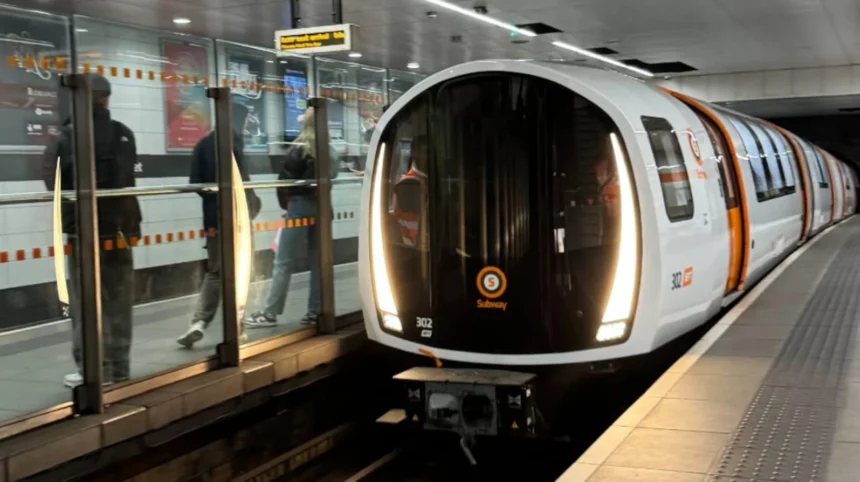
The Glasgow Subway is an underground railway system serving Glasgow, Scotland, connecting key destinations across the city through a circular route with 15 stations. Operated by Strathclyde Partnership for Transport (SPT), it provides a convenient way to travel between Glasgow city centre, the West End and surrounding neighbourhoods. First-time passengers need to understand the route, ticketing system, station layout, operating hours and accessibility arrangements before travelling.
- What Is the Glasgow Subway and How Does It Work?
- When Did the Glasgow Subway Open?
- Which Stations Does the Glasgow Subway Serve?
- How Do the Inner Circle and Outer Circle Work?
- How Can First-Time Passengers Buy Glasgow Subway Tickets?
- How Much Does the Glasgow Subway Cost?
- What Are the Glasgow Subway Opening Hours?
- How Do You Plan a Glasgow Subway Journey?
- Which Glasgow Attractions Can You Reach by Subway?
- Shopping in Central Glasgow
- Visiting the University of Glasgow
- Exploring the Kelvingrove Area
- Travelling to Ibrox Stadium
- Connecting at Partick
- How Does the Glasgow Subway Connect With Other Transport?
- Is the Glasgow Subway Accessible for Passengers With Disabilities?
- What Should First-Time Visitors Know About Subway Etiquette?
- What Should You Do if the Glasgow Subway Is Disrupted?
- How Does the Glasgow Subway Benefit Residents and Visitors?
- What Is the Future of the Glasgow Subway?
- How Can You Make Your First Glasgow Subway Journey Easier?
The Subway is one of Glasgow’s main public transport options for residents, students, commuters and visitors. Its compact network makes it useful for reaching shopping districts, universities, cultural attractions and entertainment venues without relying on road traffic. This guide explains how the Glasgow Subway works, how to buy tickets, where to board and how to plan a straightforward journey.
What Is the Glasgow Subway and How Does It Work?
The Glasgow Subway is an underground railway operated by Strathclyde Partnership for Transport (SPT), serving 15 stations on a circular route. It connects central Glasgow with the West End and nearby neighbourhoods, providing frequent urban rail services for everyday travel and sightseeing.
The Glasgow Subway is part of the public transport network serving Glasgow, Scotland’s largest city. Unlike a large metro network with several intersecting lines, the Subway operates on a single circular route. Trains travel around the circuit in both directions, allowing passengers to choose the direction that reaches their destination most efficiently.
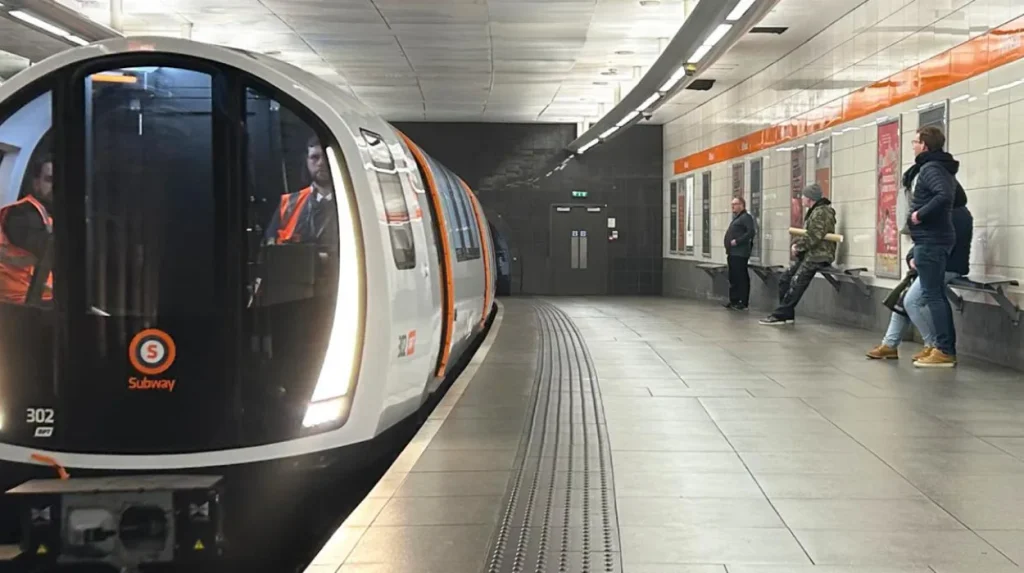
The system has two directions commonly identified as the Inner Circle and Outer Circle. These services travel around the same loop in opposite directions. Station signs and passenger information help travellers identify the correct platform and direction.
The Subway is particularly useful for short journeys between the city centre and the West End. Stations provide access to commercial streets, educational institutions, museums, parks and residential areas. For visitors, it reduces the need to navigate busy roads or find parking near popular attractions.
SPT manages the system and provides official information about routes, tickets, service updates and accessibility. Passengers should consult its website before travelling when they need current operational information.
When Did the Glasgow Subway Open?
The Glasgow Subway opened on 14 December 1896, making it one of the world’s earliest underground railway systems. Its original route established a circular railway beneath Glasgow, and the network continues to serve the city through a modernised operating system.
The Glasgow Subway began operating in the late nineteenth century, when Glasgow was a major industrial and commercial centre. Population growth, expanding workplaces and increasing demand for urban transport created a need for a railway that could move passengers through congested streets.
The original system used cable-hauled trains rather than the electric trains familiar to passengers today. Cables moved the trains around the underground circuit, representing a distinctive engineering approach for an urban railway.
The system was electrified in 1935, replacing cable haulage with electric traction. This change modernised the railway and established the basis for its subsequent operation as an electric underground network.
The Subway later underwent significant refurbishment. Modernisation included improvements to stations, trains, passenger facilities and operational systems. These changes helped preserve the historic route while adapting the service to contemporary passenger requirements.
The railway retains its circular structure, making it unusual compared with metro systems that use several separate lines. Its long history also makes it an important part of Glasgow’s transport heritage.
Which Stations Does the Glasgow Subway Serve?
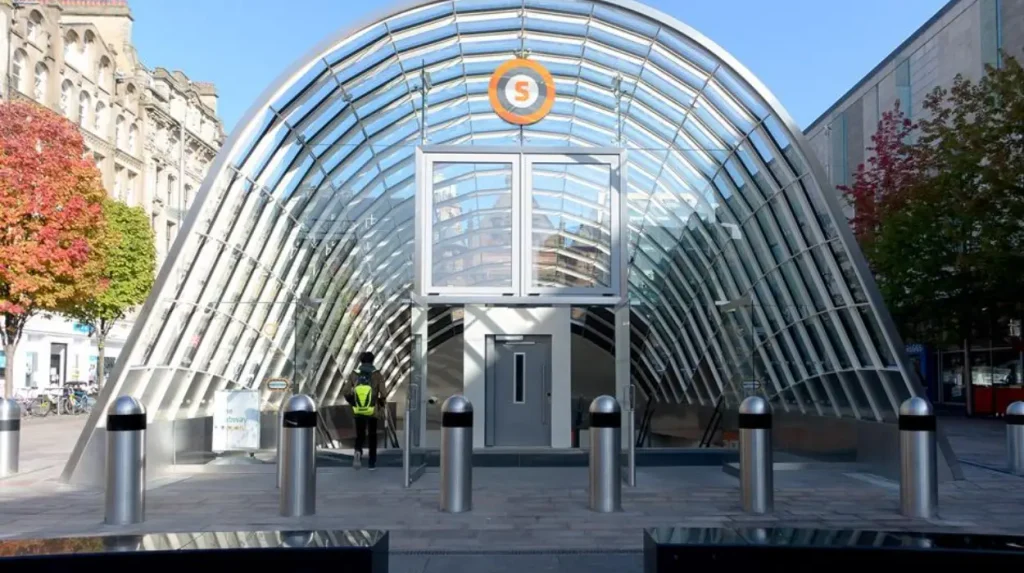
The Glasgow Subway serves 15 stations around its circular route, covering central Glasgow, the West End and nearby residential districts. Key stations include Buchanan Street, St Enoch, Kelvinbridge, Hillhead and Partick, providing access to shopping, culture, education and transport connections.
The network’s stations are distributed around a compact urban area. Travellers can use them to reach business districts, retail areas, universities, visitor attractions and neighbourhood centres.
The following stations form the Glasgow Subway network:
- Buchanan Street: Serves central shopping areas and provides access to Buchanan Bus Station and nearby rail connections.
- St Enoch: Provides access to the city centre, the River Clyde area and nearby shopping streets.
- Bridge Street: Serves areas south of the city centre, including local businesses and residential streets.
- West Street: Provides access to the Tradeston area and nearby routes across the south side of central Glasgow.
- Shields Road: Serves residential and commercial areas south of the River Clyde.
- Kinning Park: Provides access to the Kinning Park neighbourhood and nearby venues.
- Cessnock: Serves residential areas and destinations around the south-western side of the city centre.
- Ibrox: Provides access to Ibrox Stadium and surrounding areas.
- Govan: Connects passengers with the Govan district and nearby cultural and community destinations.
- Partick: Offers connections with other public transport services, including rail and bus routes.
- Kelvinhall: Serves the West End and provides access to the Kelvingrove area.
- Hillhead: Provides access to Byres Road, the University of Glasgow and nearby shops and cafés.
- Kelvinbridge: Serves residential areas and destinations around Great Western Road.
- St George’s Cross: Provides access to the northern part of the city centre and neighbouring residential districts.
- Cowcaddens: Serves the Cowcaddens area and offers access to nearby educational and cultural destinations.
Station choice depends on the final destination rather than simply the distance travelled. For example, a visitor heading to the University of Glasgow typically uses Hillhead, while someone travelling to Ibrox Stadium uses Ibrox station.
Passengers should check the official SPT Subway map before departure to confirm their station, direction and any service changes.
How Do the Inner Circle and Outer Circle Work?
The Glasgow Subway operates two services around one circular track: the Inner Circle and the Outer Circle. Each travels in the opposite direction, allowing passengers to reach the same station by travelling clockwise or anticlockwise around the network.
The Inner Circle and Outer Circle are the two operating directions of the Glasgow Subway. They are not separate railway lines serving different neighbourhoods. Instead, they follow the same circular route in opposite directions.
This arrangement affects journey planning because the shortest journey depends on which direction a passenger chooses. Two stations can be reached by travelling along either side of the loop, but one direction generally requires less time.
Before boarding, check the destination and direction displayed on station signs. Do not assume that a train travelling in one direction will reach a destination using the same route as a train travelling in the other direction.
For example, someone travelling from Buchanan Street to Hillhead should check both available directions and select the one that reaches Hillhead more quickly. The correct choice depends on the position of the stations around the loop.
The circular layout is straightforward once passengers understand the two directions. A quick look at the route map before entering the platform helps prevent unnecessary travel.
How Can First-Time Passengers Buy Glasgow Subway Tickets?
Passengers can buy Glasgow Subway tickets through the available SPT ticketing channels, including station ticket machines and supported contactless payment options. Ticket types and payment methods vary, so travellers should check current SPT guidance before choosing a ticket.
The Subway uses a ticketing system designed for short urban journeys. Passengers should select a ticket that matches their travel plans, such as a single journey, a return journey or a suitable multi-journey option.
Ticket machines at stations provide a way to purchase travel before boarding. Follow the on-screen instructions, select the required ticket and complete payment using an accepted method.
Contactless payment provides another option where supported by the current system. Passengers should follow the official instructions for tapping in or presenting their payment method. They should also check whether their chosen payment method is eligible for the intended fare and any applicable discounts.
Visitors travelling more than once during a day should compare available ticket options before paying separately for each journey. The most appropriate choice depends on the number of trips and the current fare structure.
Children, concessionary travellers and other eligible passengers should review the applicable conditions before travelling. Eligibility rules, proof requirements and available discounts depend on the ticket product and relevant transport arrangements.
Always keep any ticket or payment confirmation required for the journey until travel is complete. Passengers should use official SPT information for current prices rather than relying on old fare information published on third-party websites.
How Much Does the Glasgow Subway Cost?
Glasgow Subway fares depend on the ticket type and the applicable fare rules. Single, return and multi-journey products serve different travel needs, while eligible passengers can check concessionary arrangements through SPT before purchasing.
Ticket prices can change, so first-time users should confirm the current fare before travelling. The official SPT website provides the relevant ticket information and conditions.
A single ticket is suitable for a passenger making one journey. A return ticket suits travellers who intend to make an outward journey and a return trip under the ticket’s conditions. Multi-journey products are designed for passengers who expect to use the Subway repeatedly.
Visitors should consider their complete itinerary before buying. Someone travelling from the city centre to the West End and back might need a different product from a passenger making several separate trips across Glasgow in one day.
The cheapest option depends on the fare rules and the number of journeys. Do not assume that a return ticket or multi-journey product automatically provides the best value for every itinerary.
Passengers travelling with children should check the age limits and applicable fare conditions. People using concessionary travel should confirm that their pass or entitlement is accepted for the intended journey.
For the latest fares, ticket validity rules and payment instructions, use the official SPT Subway ticket information rather than outdated price lists.
What Are the Glasgow Subway Opening Hours?
Glasgow Subway opening hours vary by day and operating arrangements, with services generally running from morning into the evening. Passengers should check SPT’s current timetable before travelling, particularly on Sundays, public holidays and during planned engineering work.
The Subway provides daily urban transport, but the first and last trains depend on the station, direction and day of travel. Passengers should not assume that every train operates at the same time throughout the week.
Early-morning travellers should check the first departure from their boarding station. This is particularly important for airport connections, work shifts, appointments and long-distance rail departures.
Evening passengers should check the final service before beginning their journey. Missing the last train can require a taxi, bus or alternative transport arrangement.
Service frequency also varies according to the operating schedule. During busier periods, trains generally operate more frequently than during quieter periods, but the actual interval should be confirmed through current SPT information.
Planned maintenance, engineering work, special events and unexpected disruptions can affect services. Check the latest service announcements before leaving home, especially when travelling to a match, concert or scheduled appointment.
The most reliable approach is to plan around the official timetable and leave enough time to reach the platform before the intended departure.
How Do You Plan a Glasgow Subway Journey?
Planning a Glasgow Subway journey involves identifying the nearest station, locating the destination station, checking the Inner or Outer Circle direction and confirming the ticket required. Reviewing the route map and service information before departure makes travel easier for first-time passengers.
Start by identifying the place you want to visit. Use a map or the official Subway route diagram to find the closest station to that destination.
Next, identify your boarding station. If the destination is within walking distance of several stations, compare the walking routes rather than choosing solely by station name.
Check which direction reaches your destination more directly. Since both circles follow the same loop in opposite directions, the direction you choose influences the number of stops and total journey time.
Buy the appropriate ticket or follow the accepted contactless payment procedure. Complete any required validation or entry steps before proceeding to the platform.
Once on the platform, check the direction signs and destination information. If you are unsure, ask station staff where assistance is available.
Allow time for the walk between the station and your final destination. Underground stations do not always sit directly beside the attraction, business or building you intend to visit.
For example, a visitor exploring Glasgow city centre can use Buchanan Street or St Enoch for different shopping and commercial areas. Someone visiting the University of Glasgow can travel to Hillhead and continue on foot.
Which Glasgow Attractions Can You Reach by Subway?
The Glasgow Subway provides access to major visitor destinations, including the University of Glasgow, Kelvingrove’s surrounding area, Buchanan Street’s shopping district and Ibrox Stadium. Choosing a nearby station reduces walking time and helps visitors navigate the city without driving.
The Subway is particularly useful for visitors combining several activities across central Glasgow and the West End. Its stations are located near many well-known destinations, although the final part of each journey often requires walking.
Shopping in Central Glasgow
Buchanan Street station is useful for reaching central shopping streets and nearby retail destinations. The surrounding area contains shops, restaurants and connections to other public transport services.
St Enoch station provides access to the southern part of the city centre and nearby shopping areas. Visitors should check walking directions for their chosen shop or meeting point.
Visiting the University of Glasgow
Hillhead station is a practical option for reaching the University of Glasgow and the Byres Road area. The surrounding neighbourhood includes student services, cafés, shops and cultural destinations.
Kelvinbridge station also serves parts of the West End. The best station depends on the university building or destination being visited.
Exploring the Kelvingrove Area
Kelvinhall station provides access to the West End and destinations around the Kelvingrove area. Travellers should check the walking route to the specific museum, gallery or park they plan to visit.
Walking distances vary according to the entrance and destination. Check the address before selecting a station.
Travelling to Ibrox Stadium
Ibrox station is a useful stop for visitors attending events at Ibrox Stadium, the home ground of Rangers Football Club. On matchdays, passenger numbers can increase substantially around the stadium.
Event visitors should check service announcements, station guidance and any crowd-management arrangements before travelling. Allow extra time for queues and walking to the venue.
Connecting at Partick
Partick station is an important interchange for passengers using the Subway alongside other public transport services. Travellers can use it to connect with rail services and local bus routes where available.
Check the relevant rail or bus timetable separately. Subway tickets do not automatically cover every other transport service.
How Does the Glasgow Subway Connect With Other Transport?
The Glasgow Subway connects with Glasgow’s wider public transport network through interchange points and nearby bus and rail services. Partick and Buchanan Street are particularly useful for onward connections, while other stations provide access to local bus routes and walking links.
The Subway is one component of Glasgow’s transport system. Travellers frequently combine it with national rail, local buses and walking to reach destinations beyond the underground network.
Partick provides an important connection between Subway and railway services. Passengers travelling from other parts of Scotland can use this interchange when it fits their route and timetable.
Buchanan Street station is close to Buchanan Bus Station, which serves coach and bus journeys to destinations outside the immediate Subway network. Travellers should check the walking route between the Subway station and the bus station entrance.
Local bus services connect many areas that the Subway does not directly serve. The appropriate bus depends on the destination and current service timetable.
Walking also plays an important role in completing journeys. A station can be convenient for one side of a neighbourhood but less suitable for an address at the opposite end.
Passengers changing between operators should check whether their ticket covers the connecting service. Separate tickets are often required when using different transport products.
For journeys involving trains, coaches or buses, leave enough time to change services. This is especially important when travelling to an airport, attending an appointment or connecting to a long-distance train.
Is the Glasgow Subway Accessible for Passengers With Disabilities?
Accessibility at Glasgow Subway stations varies, particularly in relation to step-free access, lifts, stairs and platform arrangements. Passengers with mobility requirements should check the official station accessibility information and contact SPT when they need assistance or journey-specific guidance.
Underground stations can present access challenges because many are below street level. The presence of stairs, lifts, escalators or other facilities differs between stations.
Passengers using wheelchairs should verify whether their departure and destination stations provide suitable step-free access. They should also check platform arrangements and any restrictions that affect their intended journey.
Travellers with visual impairments can review the assistance information provided by SPT before travelling. Passengers who need staff support should establish what arrangements are available at their chosen stations.
People travelling with pushchairs or heavy luggage should consider the same station access details. A station with stairs and no suitable alternative route can make a journey more difficult.
Accessibility information can change when equipment is out of service or maintenance work affects a station. Check current notices rather than relying exclusively on older travel guides.
If a station does not meet your access needs, consider an alternative station, bus route or taxi connection. Planning the complete route in advance helps identify problems before departure.
What Should First-Time Visitors Know About Subway Etiquette?
First-time passengers should stand clear of train doors, allow people to leave before boarding, follow platform signs and keep walkways unobstructed. Checking directions before boarding and moving away from station entrances after arrival helps maintain safe, orderly passenger movement.
The Glasgow Subway can become busy during commuting periods, major events and weekends. Basic passenger etiquette helps everyone enter and leave trains efficiently.
Stand behind the platform safety markings and follow station instructions. Never cross onto the tracks or attempt to retrieve an object from the railway area yourself.
When a train arrives, allow passengers to exit before entering. Avoid blocking the doors with bags, pushchairs or luggage, as this can delay departure.
Keep personal belongings close and avoid placing bags on seats when the train is crowded. Follow any instructions from staff and observe notices about prohibited conduct.
If you are unfamiliar with the network, check the route map before reaching the platform. This reduces the time spent deciding where to travel while other passengers are moving through the station.
After arriving, follow the exit signs and move away from busy entrances if you need to stop and check directions. Use a map to identify the safest walking route to your final destination.
What Should You Do if the Glasgow Subway Is Disrupted?
When the Glasgow Subway experiences a disruption, passengers should check official SPT service updates, follow station announcements and confirm whether trains are running on their intended route. Alternative buses, rail services, walking or taxis provide options when a journey cannot continue as planned.
Disruptions can result from technical faults, infrastructure maintenance, emergencies, severe weather affecting connected transport or other operational issues. The cause and duration differ from incident to incident.
Check the latest service information before travelling and again if conditions change during your journey. Official updates provide more reliable information than old social media posts or outdated timetable screenshots.
If your station is closed or trains are suspended, look for staff instructions and official alternative travel arrangements. Do not enter restricted areas or attempt to access railway infrastructure.
For short journeys, walking between nearby destinations can sometimes be practical. For longer journeys, check whether a local bus or rail service provides a suitable alternative.
Passengers with accessibility needs should confirm that the alternative route is also accessible. A replacement bus or nearby station does not automatically provide the same facilities as the original journey.
If you have a time-sensitive appointment, leave additional time for potential disruption. Travellers connecting with long-distance trains or coaches should allow a suitable transfer margin.
How Does the Glasgow Subway Benefit Residents and Visitors?
The Glasgow Subway supports everyday travel by connecting central commercial districts, residential neighbourhoods, educational destinations and visitor attractions. Its circular route provides an alternative to road transport, helping passengers move around parts of Glasgow without driving or searching for parking.
For residents, the Subway provides a practical option for commuting, education, shopping and social activities. Its stations serve neighbourhoods across central Glasgow and the West End.
Students can use the system to reach university areas and nearby services. Visitors can use it to travel between shopping districts, cultural attractions and entertainment venues.
The Subway also reduces the need to drive for journeys along its route. Passengers can avoid the difficulty of finding parking near busy city-centre destinations, although walking and onward connections remain part of many journeys.
Public transport contributes to urban mobility by moving passengers through established corridors. The Subway’s value depends on its service frequency, reliability, station accessibility and connections with other transport options.
Its historic infrastructure also gives Glasgow a distinctive transport system. Continued investment in trains, stations and passenger information helps the network respond to changing travel needs.
For journeys outside the Subway’s coverage, passengers still need buses, trains, bicycles, taxis or walking. The most effective travel plan depends on the complete journey rather than a single transport mode.
Explore More Area Guide
Stunning Tenement Flat Listed For Sale In Battlefield Glasgow 2026
Moving to Glasgow: Complete Beginner’s Guide
What Is the Future of the Glasgow Subway?
The future of the Glasgow Subway depends on continued investment in infrastructure, passenger facilities, reliable services and accessibility. Modernisation helps preserve the historic circular railway while supporting changing travel patterns across Glasgow and the surrounding Strathclyde region.
The Subway has operated for more than a century, adapting from its original cable-hauled system to an electric railway and a modern passenger service. Maintaining that infrastructure remains essential to safe and reliable operation.
Modernisation programmes can improve trains, station facilities, ticketing systems and passenger information. The precise benefits depend on the projects approved, their delivery schedules and the operational changes introduced.
Passenger expectations also continue to evolve. Clearer journey information, accessible station facilities and convenient payment options help make public transport easier to use for residents and visitors.
Integration with buses and rail services remains important because the Subway serves a defined area rather than every Glasgow neighbourhood. Better connections support journeys that begin or end outside the underground network.
Environmental considerations also influence urban transport planning. Public transport provides an alternative to individual car journeys, particularly when services are convenient and well connected.
Passengers should consult SPT announcements for confirmed future changes. Proposed improvements, funding announcements and construction plans should not be treated as completed projects until the relevant authority confirms their delivery.
How Can You Make Your First Glasgow Subway Journey Easier?
First-time passengers can simplify Glasgow Subway travel by checking the route map, selecting the correct direction, confirming ticket requirements and reviewing service updates before departure. Choosing a station close to the destination and allowing time for walking makes the journey more predictable.
Begin with the official SPT Subway map. Locate your starting station and destination, then identify whether the Inner Circle or Outer Circle provides the more direct route.
Check the ticket options and current fare rules before arriving at the station. Confirm that your payment method is accepted and that the ticket covers the journey you intend to make.
Review operating hours if travelling early in the morning, late in the evening or on a public holiday. Check service updates before departure, especially when attending a major event.
Choose the station based on the exact address of your destination. For example, Hillhead is useful for parts of the University of Glasgow and Byres Road, while Buchanan Street serves central shopping areas.
Allow time to walk from the station to your final destination. If you need step-free access, verify the facilities at both the departure and arrival stations before travelling.
Finally, follow station signs, allow passengers to exit before boarding and check the direction displayed on the platform. These straightforward steps help new passengers navigate the Glasgow Subway confidently.
The Glasgow Subway remains an important part of the city’s public transport network. Understanding its circular route, stations, ticketing arrangements and connections allows residents and visitors to plan practical journeys across Glasgow. For the most accurate travel information, consult the official Strathclyde Partnership for Transport website before setting off.
What is the Glasgow Subway?
The Glasgow Subway is an underground railway system in Glasgow, Scotland. Operated by Strathclyde Partnership for Transport (SPT), it serves 15 stations on a circular route connecting the city centre, West End and nearby neighbourhoods.