Glasgow public transport connects the city centre, residential neighbourhoods, universities, shopping districts, and surrounding communities through buses, trains, the Subway, and local walking and cycling routes. This guide explains how the transport network works, how to choose tickets, and how visitors and residents can plan journeys across Glasgow.
- What types of public transport operate in Glasgow?
- How does the Glasgow Subway work?
- Which areas does the Glasgow Subway serve?
- How long does a Glasgow Subway journey take?
- How do you buy Glasgow Subway tickets?
- How do Glasgow buses work?
- Where can you catch buses in Glasgow?
- How much do Glasgow bus tickets cost?
- How can you check Glasgow bus timetables?
- How does train travel work in Glasgow?
- What is the difference between Glasgow Central and Queen Street?
- How do you buy train tickets in Glasgow?
- Can you combine train and bus travel?
- Which Glasgow public transport tickets offer the best value?
- When should you buy a single ticket?
- When is a day ticket useful?
- What is the difference between ZoneCard and Roundabout?
- Are discounted tickets available?
- How can you travel between Glasgow Airport and the city centre?
- How do you get from Glasgow Airport to Glasgow Central?
- Can you reach the Glasgow Subway from the airport?
- What should airport passengers check before travelling?
- How accessible is Glasgow’s public transport network?
- What are the main public transport hubs in Glasgow?
- Why is Buchanan Bus Station important?
- Why is Partick Interchange useful?
- How should you plan a transfer between stations?
- What are the historical origins of Glasgow’s public transport system?
- How can you plan an efficient public transport journey in Glasgow?
- What should visitors know before using public transport in Glasgow?
- How can you reduce public transport costs in Glasgow?
- What is the future of public transport in Glasgow?
- Where can you find official Glasgow public transport information?
What types of public transport operate in Glasgow?
Glasgow has four main ways to travel by public transport: local buses, suburban and regional trains, the Glasgow Subway, and connections to other transport services. Each option serves different journeys, from short city-centre trips to commuting across Greater Glasgow and travelling to other Scottish cities.
The network is coordinated by several operators. Strathclyde Partnership for Transport (SPT) operates the Subway and manages regional transport services. ScotRail operates the majority of local and regional passenger train services. First Bus and other bus operators provide road-based connections throughout the city and surrounding areas.
- Buses: Connect residential streets, shopping areas, hospitals, employment centres and neighbouring towns.
- Trains: Link Glasgow with surrounding communities and destinations across Scotland.
- Glasgow Subway: Serves 15 stations in a circular underground network connecting the city centre with the West End and southern districts.
- Integrated travel options: Tickets such as ZoneCard and Roundabout cover specified combinations of transport services, subject to their individual conditions.
Choosing the right service depends on the origin, destination, time of travel, accessibility requirements and ticket restrictions. A Subway journey suits many city-centre and West End trips, while a bus provides access to streets without a nearby railway station.
How does the Glasgow Subway work?
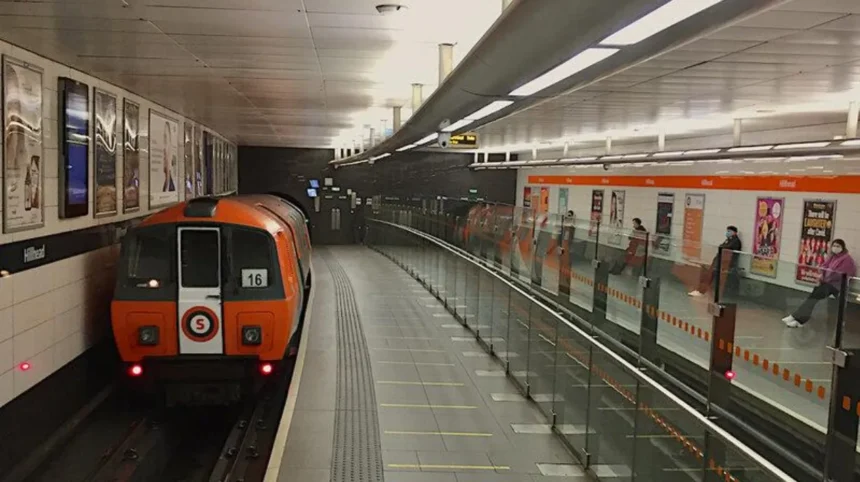
The Glasgow Subway is an underground railway operated by SPT, with 15 stations arranged around an Inner Circle and an Outer Circle. It opened on 14 December 1896 and connects central Glasgow with the West End and several southern neighbourhoods.
The Subway is one of Glasgow’s most recognisable transport services. Its compact route makes it particularly useful for journeys between central stations, shopping districts, entertainment venues and West End destinations.
Which areas does the Glasgow Subway serve?
The Subway connects 15 stations, including Buchanan Street, St Enoch, Hillhead, Partick, Govan, Ibrox and Kelvinbridge. These stations provide access to different parts of the city.
Buchanan Street is useful for central shopping and connections to Buchanan Bus Station. St Enoch serves the southern side of the city centre. Hillhead is convenient for the University of Glasgow, Byres Road and nearby cultural attractions. Partick connects passengers with the wider rail network.
Govan and Ibrox provide access to communities south of the River Clyde, including the area around Ibrox Stadium.
How long does a Glasgow Subway journey take?
SPT states that a complete circuit of the 15 stations takes approximately 24 minutes. During peak periods, trains run at intervals of around four minutes, although the frequency varies by time and operating conditions.
Passengers should check live departure information before travelling. Engineering work, service disruption and changes during special events affect journey times.
How do you buy Glasgow Subway tickets?
Passengers can use contactless payment, an eligible Subway Smartcard or a paper ticket. SPT also offers multi-journey and concessionary ticket options. The correct choice depends on travel frequency and eligibility.
Check the official SPT Subway website for current fares, operating hours, station information and service updates before setting out.
How do Glasgow buses work?
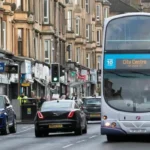
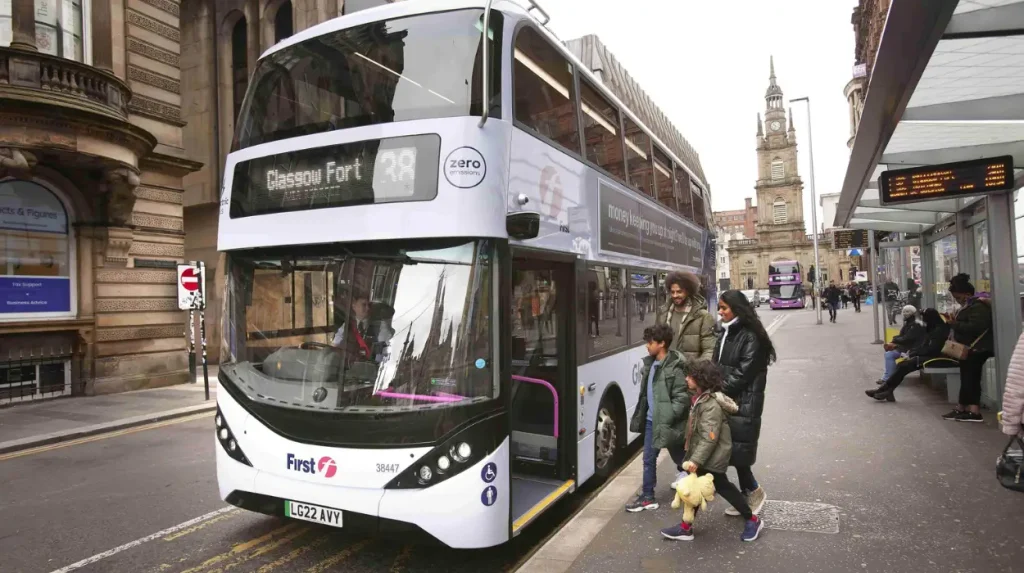
Glasgow buses connect the city centre with residential neighbourhoods, commercial areas, hospitals, universities and nearby towns. They are especially useful for journeys that do not follow the Subway route or lack a convenient railway station, although traffic conditions affect journey times.
First Bus is a major operator in Greater Glasgow. Other operators serve selected routes and regional destinations. Service numbers, frequencies, stopping patterns and fares vary between routes.
Where can you catch buses in Glasgow?
Buchanan Bus Station is a major hub for regional and longer-distance coach services. Local city buses also stop throughout the centre, including around shopping streets, transport interchanges and major railway stations.
Glasgow Central and Glasgow Queen Street have connections with local bus services. The exact stop depends on the route and current traffic or road arrangements.
Passengers should identify the correct stop before travelling. Two stops on the same road can serve buses travelling in different directions or using different route numbers.
How much do Glasgow bus tickets cost?
Bus fares depend on the operator, ticket type, journey and passenger category. First Bus announced a £2 cap on adult single fares in Glasgow and surrounding areas from 7 September 2026, with the published change running through 30 November 2026. Child single fares remain capped at £1.75 under that announcement. Check the operator’s latest terms before relying on these prices.
Passengers should check whether a ticket covers a single journey, a return trip, multiple journeys or a day of travel. Operators can have different ticket conditions, so a ticket purchased for one network does not automatically cover every bus in Glasgow.
How can you check Glasgow bus timetables?
Use the operator’s official journey planner or Traveline Scotland to check route numbers, stops, departure times and service changes. Allow additional time during weekday rush hours, roadworks, adverse weather and major events.
For a journey involving a bus and train, compare the scheduled connection with the actual departure time. A short interchange allowance creates a risk of missing the connecting service when the first bus runs late.
How does train travel work in Glasgow?
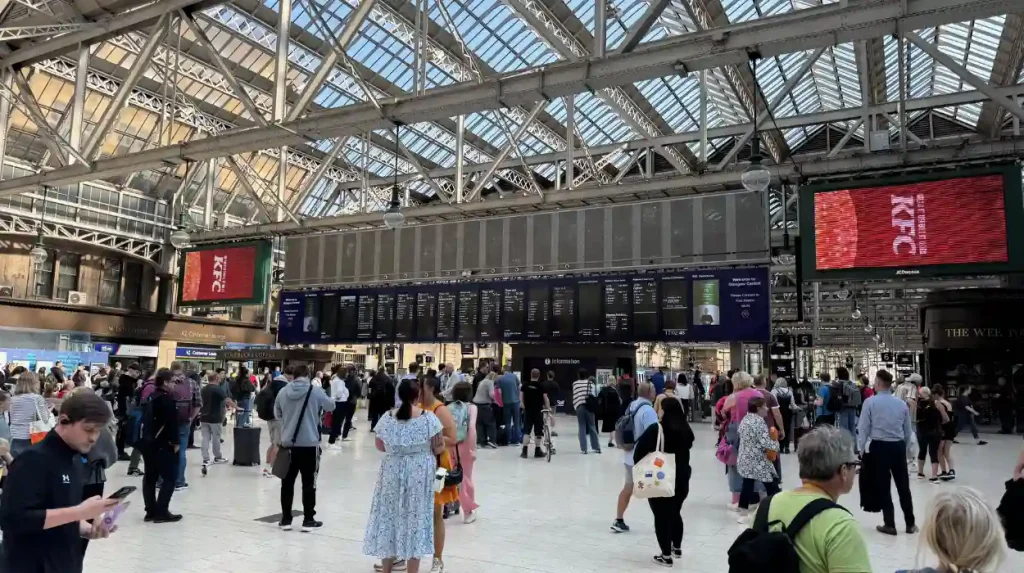
Glasgow’s suburban rail network connects the city centre with residential districts, surrounding towns and destinations across Scotland. Glasgow Central and Glasgow Queen Street are the principal city-centre stations, serving different routes and offering connections with buses, taxis and other public transport services.
Rail travel is useful for longer journeys across Greater Glasgow and for connections to destinations such as Edinburgh, Ayrshire and other parts of Scotland. The best departure station depends on the route.
What is the difference between Glasgow Central and Queen Street?
Glasgow Central handles many services towards southern and western destinations, including routes serving Ayrshire and the south-west. Glasgow Queen Street handles many services towards northern and eastern destinations, including routes to Edinburgh and the Highlands.
These are broad route patterns rather than rules for every service. Always check the departure station printed on your ticket or shown in the journey planner.
Both stations provide ticket facilities and onward transport connections. Station entrances, facilities and access arrangements can change during construction or maintenance work. Check the latest ScotRail station information before travelling.
How do you buy train tickets in Glasgow?
Passengers can buy ScotRail tickets through the official website, mobile app, ticket machines and staffed ticket offices where available. ScotRail requires passengers to buy a valid ticket or activate an eligible digital ticket before boarding when ticket facilities are available. Its published rules introduced a minimum fare policy for certain passengers boarding without a valid ticket from 1 July 2026.
Compare single, return and eligible railcard fares before purchasing. Advance tickets can have specific train restrictions, while other tickets offer different travel conditions.
Can you combine train and bus travel?
ScotRail offers combined travel products, including PlusBus in eligible locations. PlusBus adds unlimited bus travel within a designated area to a qualifying rail ticket. RailBus tickets cover certain journeys that combine rail and bus travel to a specific destination.
Check the route, participating operator and ticket validity before purchasing. A combined ticket applies only to the journeys and services covered by its conditions.
Which Glasgow public transport tickets offer the best value?
The most suitable Glasgow transport ticket depends on how often you travel, which operators you use, and whether your journeys stay within one area. Single tickets suit occasional trips, while day tickets, multi-journey products and zonal passes serve passengers making repeated journeys.
SPT lists several ticketing options, including Subway tickets, day tickets, Roundabout, ZoneCard and concessionary travel. Each product has different coverage and conditions.
When should you buy a single ticket?
A single ticket suits a passenger making one journey on a particular service. It is useful for occasional visitors travelling between two destinations or residents who do not regularly use public transport.
Check whether the ticket includes transfers. Many single tickets cover only the specified journey or operator, rather than unlimited movement across different networks.
When is a day ticket useful?
A day ticket is worth comparing when you plan several journeys during one day. For example, a visitor travelling between the city centre, the West End and other covered areas should compare the cost of individual fares with an eligible day product.
Read the ticket’s terms carefully. A Subway day ticket does not automatically include bus or rail journeys unless the product specifically states that it does.
What is the difference between ZoneCard and Roundabout?
ZoneCard offers unlimited travel on eligible services within the zones purchased. Depending on the product and selected coverage, it can include rail, bus and Subway travel across the Strathclyde area. Roundabout is another SPT ticket option designed for travel across specified participating services.
Passengers should compare the covered zones, operators, duration and price. A wider-area pass is unnecessary for someone who makes only a short journey on one service.
Are discounted tickets available?
SPT provides concessionary travel information, and eligible passengers can access applicable concessionary schemes. Eligibility depends on the scheme and passenger circumstances. Students, older people, disabled passengers and children should check the relevant operator or government guidance rather than assume that every discount applies to every service.
How can you travel between Glasgow Airport and the city centre?
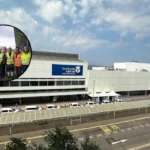
Glasgow Airport connects with central Glasgow through dedicated bus services and onward rail connections. The airport does not have a directly connected passenger railway station, so travellers commonly use an airport bus to reach the city centre before transferring to trains, the Subway or local buses.
+1
The Glasgow Airport Express, commonly identified as service 500, links the airport with central Glasgow. ScotRail’s Glasgow Central station information identifies the airport express bus as an onward transport option.
How do you get from Glasgow Airport to Glasgow Central?
Take an airport bus towards the city centre and check the current stopping arrangements for Glasgow Central. Journey time depends on traffic, the time of day and road conditions.
Passengers with heavy luggage should consider the walking distance between the bus stop, the station entrance and their onward platform. Allow additional time for ticket collection and interchange.
Can you reach the Glasgow Subway from the airport?
Yes. Travel by airport bus to a suitable city-centre or interchange stop, then continue to a Subway station. The best connection depends on your final destination and the current bus route.
For example, a traveller heading to Hillhead can use the airport bus into Glasgow and transfer to the Subway or another suitable service. Check the complete journey before boarding because the nearest stop to the airport bus is not always the best connection for the final destination.
What should airport passengers check before travelling?
Check the latest airport bus timetable, fare, luggage arrangements and service updates. For an early-morning flight or a late arrival, verify the first and last departures rather than relying on daytime frequency.
Allow extra time for traffic and connections. Travellers catching a flight should also account for airline check-in deadlines and airport security procedures.
How accessible is Glasgow’s public transport network?
Glasgow’s public transport network includes accessible facilities on many buses, trains and Subway stations, but access varies by route, station layout and vehicle. Passengers who require step-free access, wheelchair space or assistance should check the specific service and station before travelling.
Accessibility is an important consideration when choosing between transport options. A route with fewer changes often provides a simpler journey for passengers with mobility needs, luggage or pushchairs.
Which stations offer step-free access?
Glasgow Queen Street and Glasgow Central publish station accessibility information through ScotRail. Passengers should consult the individual station page to confirm current facilities, including step-free routes, accessible ticket machines and assistance arrangements.
The Subway has a compact underground station layout, and access arrangements differ between stations. Check the SPT station map and accessibility information before selecting a route.
How can passengers arrange travel assistance?
Passengers using ScotRail can consult its passenger assistance service to plan support at stations and during train journeys. Booking arrangements and available assistance depend on the operator and journey.
For bus journeys, confirm wheelchair accessibility and any specific boarding requirements with the operator. Passengers should also check whether lifts, escalators or station entrances are operating normally.
What are the main public transport hubs in Glasgow?
Glasgow’s main public transport hubs include Glasgow Central, Glasgow Queen Street, Buchanan Bus Station and Partick Interchange. These locations bring different transport services together, helping passengers transfer between trains, buses and the Subway while travelling across the city and beyond.
Why is Buchanan Bus Station important?
Buchanan Bus Station is a major departure point for regional buses and coaches. Its central location provides access to nearby shopping streets, city-centre attractions and transport connections.
Passengers should confirm the departure stand, boarding time and operator before travelling. Coach departures can use specific stands, and arriving at the station does not guarantee that a service will wait for late passengers.
Why is Partick Interchange useful?
Partick provides connections between the railway, Glasgow Subway and local buses. It serves the West End and surrounding neighbourhoods, making it useful for journeys involving multiple transport modes.
For example, a passenger travelling by train from a surrounding town can transfer at Partick to reach a Subway destination. Check the departure boards and route information to confirm the correct platform or stop.
How should you plan a transfer between stations?
Identify the arrival point, departure point and walking route between them. Some transfers require leaving one station, crossing a road or walking to a separate bus stop.
When using Glasgow Central and Queen Street for a connection, allow time to travel between the stations and verify the route. The two stations are separate facilities, not interchangeable platforms within one station.
What are the historical origins of Glasgow’s public transport system?
Glasgow’s modern transport network developed in response to the city’s industrial growth and rising demand for urban travel. The Glasgow Subway opened on 14 December 1896, creating an underground railway that remains a distinctive part of the city’s transport infrastructure.
During the nineteenth century, Glasgow expanded as a major industrial centre. Population growth increased the need to move workers between residential districts and places of employment.
When did the Glasgow Subway open?
The Glasgow District Subway opened to passengers on 14 December 1896. According to SPT, approximately 1,400 people used the service during its first opening hour. The system originally operated using cable haulage before electrification in 1935.
The Subway underwent major modernisation in the late 1970s, reopening in 1980. Later improvements included station refurbishment, updated ticketing and a programme to replace trains and modernise signalling.
How is Glasgow modernising public transport?
SPT’s modernisation programme includes 17 new trains, upgraded signalling and communications, and platform screen doors. SPT reports that installation of platform screen doors has begun at selected stations as the system progresses through its modernisation programme.
These changes aim to renew infrastructure that originated in the Victorian era. Passengers should check official updates for the latest commissioning dates and any changes affecting their journeys.
How can you plan an efficient public transport journey in Glasgow?
An efficient Glasgow journey starts with checking the destination, comparing available transport modes and confirming live departure information. Passengers should choose a route based on total journey time, transfer requirements, ticket coverage and accessibility rather than relying on distance alone.
A practical journey-planning process includes the following steps:
- Enter the full origin and destination into an official operator journey planner.
- Compare bus, train and Subway options where routes overlap.
- Check departure times, service alerts and planned engineering work.
- Confirm ticket coverage before purchasing.
- Allow time for walking between stops and transferring between services.
For instance, a journey from Glasgow city centre to the West End often suits the Subway. A destination on a local bus route without a nearby rail station is generally easier to reach by bus. A journey to another Scottish town usually requires checking ScotRail or an appropriate regional bus operator.
Which tools help you plan Glasgow journeys?
Use the official for Subway information, tickets and regional transport services. Consult ScotRail for train schedules and fares, and Traveline Scotland for public transport journey planning.
Operator apps provide live departures and service alerts where available. Check the date and time of the information because planned works and temporary service changes affect routes.
What should visitors know before using public transport in Glasgow?
Visitors should identify the closest transport stop, understand ticket restrictions and check their return journey before setting out. Glasgow’s buses, trains and Subway connect many visitor destinations, but the most suitable service depends on the attraction, operating hours and location of the nearest station.
For central shopping, George Square and many city-centre attractions, walking combines easily with bus and rail travel. For the University of Glasgow and Byres Road, Subway stations such as Hillhead and Kelvinbridge provide useful access points. For destinations beyond the central area, compare the complete route rather than assuming that every attraction has a nearby Subway station.
Visitors should also remember that public transport services do not all run at the same frequency or for the same hours. Evening travel, Sundays, public holidays and special events can have different timetables.
Keep a valid ticket throughout the journey and follow the operator’s conditions. When transferring between separately operated services, verify whether a combined ticket covers the complete route.
How can you reduce public transport costs in Glasgow?
Passengers can manage Glasgow transport costs by comparing single fares with day tickets, choosing suitable travel zones and checking concessionary eligibility. The cheapest option depends on the number of journeys, the operators used, the travel area and the duration of the trip.
Frequent travellers should compare the total cost of individual tickets with eligible multi-journey products or passes. Someone making one Subway trip has different needs from a commuter who uses trains and buses daily.
Check fare changes before travel, especially when an operator introduces a temporary fare cap or changes ticket availability. First Bus published a £2 single-fare cap for Glasgow and surrounding areas from 7 September to 30 November 2026, subject to the operator’s conditions.
Passengers should also consider the cost of missed connections. Buying the correct ticket in advance, checking the departure station and allowing enough transfer time reduces the risk of paying for another journey.
Explore More Area Guide
Getting Around Glasgow Without a Car: Travel Guide 2026
Openreach Copper Phone Order Changes Hit Three Areas: Glasgow 2026
What is the future of public transport in Glasgow?
Glasgow’s public transport future includes continued investment in railway infrastructure, Subway modernisation, ticketing improvements and connections between different travel modes. These developments support the movement of residents, commuters and visitors while renewing facilities used by the city and surrounding communities.
The Subway’s modernisation programme demonstrates how established infrastructure can be updated while continuing to serve passengers. New trains, signalling equipment and platform safety measures form part of SPT’s ongoing work.
Integrated tickets also remain relevant to passengers who combine bus and rail travel. Products such as ZoneCard and eligible PlusBus tickets demonstrate how transport providers support journeys involving more than one service.
The practical priority for passengers remains straightforward: use current official information, check fares and ticket validity, and plan connections around the actual journey. These habits help residents and visitors navigate Glasgow’s transport network efficiently.
Where can you find official Glasgow public transport information?
Official transport websites provide the most reliable information about Glasgow fares, timetables, routes, accessibility and service disruptions. Check SPT for Subway and regional ticket information, ScotRail for rail travel, First Bus for bus services, and Traveline Scotland for journey planning across transport operators.
Glasgow public transport offers practical connections across the city through buses, trains and the Subway. Understanding the network, comparing ticket options and checking current service information helps passengers select routes that fit their destination, budget and travel needs.
What types of public transport are available in Glasgow?
Glasgow offers buses, trains and the Glasgow Subway. These services connect the city centre with residential neighbourhoods, universities, shopping areas, surrounding towns and other destinations across Scotland.