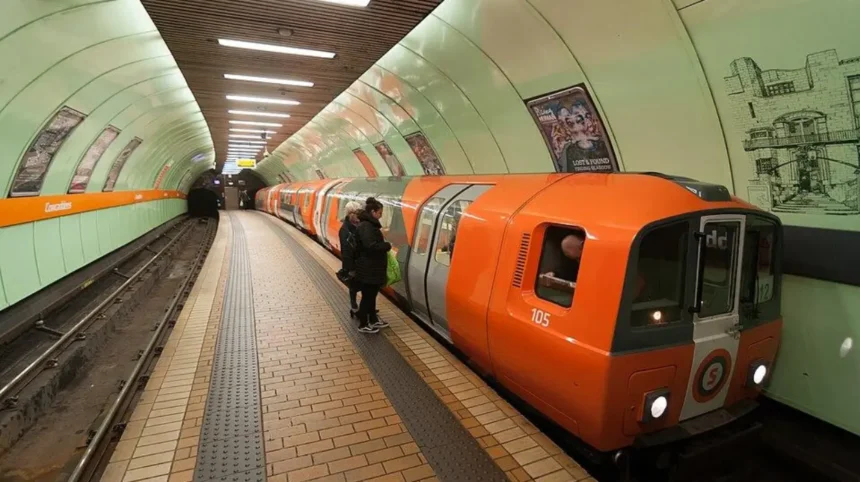
Glasgow commuters use the Subway and bus networks to travel between residential neighbourhoods, employment centres, universities, shopping districts, and transport hubs. Both transport options serve important parts of the city, but they differ in route coverage, journey times, fares, operating hours, and reliability. The Glasgow Subway provides rail services on a circular route connecting 15 stations, while buses reach a wider range of neighbourhoods and destinations across Greater Glasgow.
- What Is the Difference Between the Glasgow Subway and Bus Services?
- How Does the Glasgow Subway Network Work for Daily Commuting?
- How Do Glasgow Bus Services Support Commuters?
- Which Is Faster for Commuting in Glasgow: The Subway or Bus?
- Which Is Cheaper for Daily Commuting: Glasgow Subway or Bus?
- Which Transport Option Is More Reliable During Glasgow Rush Hour?
- Which Is More Convenient for Commuters Living Outside Central Glasgow?
- How Do Accessibility and Passenger Comfort Compare?
- How Do the Glasgow Subway and Bus Compare for University Students?
- What Are the Main Advantages and Disadvantages of the Glasgow Subway?
- What Are the Main Advantages and Disadvantages of Glasgow Buses?
- How Can Commuters Plan a Glasgow Subway or Bus Journey?
- How Has Glasgow’s Public Transport Network Developed Historically?
- How Will Future Transport Changes Affect Glasgow Commuters?
- Is the Glasgow Subway or Bus Better for Daily Commuting?
Choosing between the Glasgow Subway and bus depends on the starting point, destination, travel time, interchange requirements, and frequency of services. The Subway offers direct access to several central locations and the West End. Buses provide connections to areas beyond the Subway network, including residential streets and destinations across the wider metropolitan area.
Understanding these differences helps commuters select suitable transport for daily work journeys, university travel, appointments, and regular trips across Glasgow.
What Is the Difference Between the Glasgow Subway and Bus Services?
The Glasgow Subway is an underground rail network operated by Strathclyde Partnership for Transport (SPT), while buses provide road-based public transport across Glasgow and surrounding communities. The Subway serves 15 stations on a circular route, whereas buses follow individual routes connecting residential areas, commercial districts, hospitals, and transport interchanges.
The Glasgow Subway operates as a compact urban railway. Its two tracks form an inner and outer circle, allowing passengers to travel in either direction around the network. The system connects central Glasgow with locations including Hillhead, Partick, Kelvinbridge, St Enoch, and Ibrox.
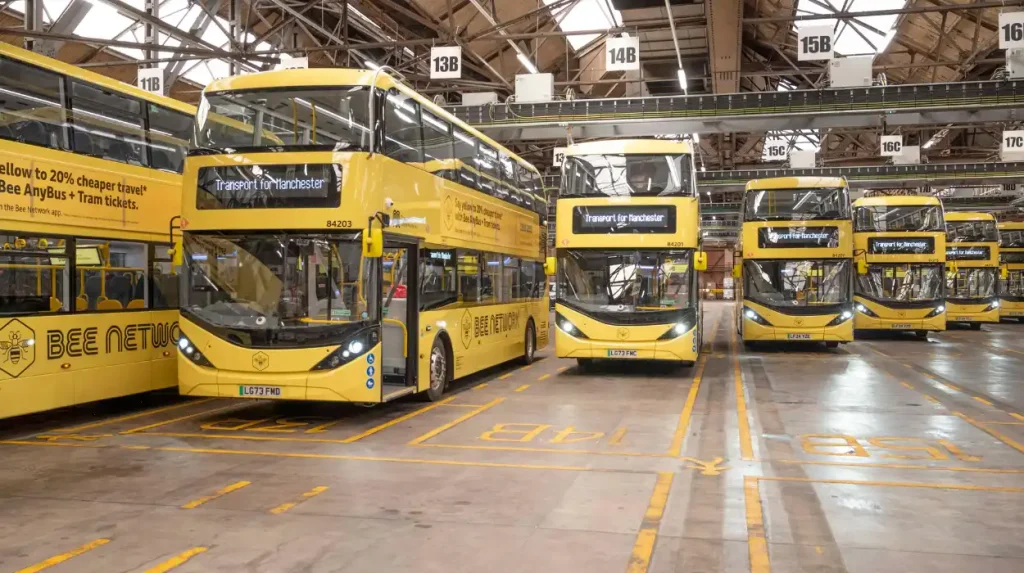
Bus services operate on a different structure. Routes follow public roads and stop at designated bus stops throughout the city. Operators such as First Bus provide services connecting the city centre with neighbourhoods and destinations outside the Subway’s immediate reach.
The main difference concerns geographical coverage. The Subway works well for journeys between its 15 stations, particularly when both the starting point and destination are close to a station. Buses serve more dispersed locations and provide direct connections to destinations without a Subway station.
Journey conditions also differ. Subway trains travel on dedicated railway tracks, avoiding ordinary road congestion. Buses operate in mixed traffic, although bus lanes and traffic management measures support services on selected roads.
For commuters, the appropriate option depends on the complete journey rather than the vehicle alone. Walking distances, waiting times, transfers, fares, and the location of the workplace all influence the overall travel experience.
How Does the Glasgow Subway Network Work for Daily Commuting?
The Glasgow Subway operates a circular railway with 15 stations, connecting central Glasgow, the West End, and parts of the inner western city. Its fixed route provides regular connections between established stations, making it suitable for commuters whose homes and workplaces are within walking distance of the network.
The Subway is one of Glasgow’s principal urban transport systems. SPT manages the network, including its stations, infrastructure, and train services. Its circular layout allows passengers to select the inner or outer circle according to their destination and direction of travel.
Which areas does the Glasgow Subway serve?
The Subway connects several important locations, including:
- City centre: Buchanan Street and St Enoch provide access to shopping areas, offices, and central destinations.
- West End: Hillhead, Kelvinbridge, and Kelvinhall serve residential streets, university-related destinations, and local businesses.
- Partick: Partick station provides an interchange with rail services and connections to the wider transport network.
- Ibrox: Ibrox station serves the stadium area and surrounding residential neighbourhoods.
- Govan: Govan station connects passengers with the district’s residential, commercial, and employment areas.
These stations support commuting to offices, education facilities, shops, and other regular destinations. However, not every workplace or home is close to a station. The distance between the station and the final destination remains an important part of the journey.
Why does the circular route matter?
The circular layout gives passengers two directions of travel between stations. Depending on the origin and destination, one direction provides a shorter train journey than the other.
Passengers should check the route and direction before boarding. The best direction depends on the stations involved, while walking access and interchange arrangements also affect the complete journey.
The Subway’s limited geographical footprint is both a strength and a constraint. It provides a dedicated rail connection between selected neighbourhoods, but it does not directly serve every part of Glasgow.
How Do Glasgow Bus Services Support Commuters?
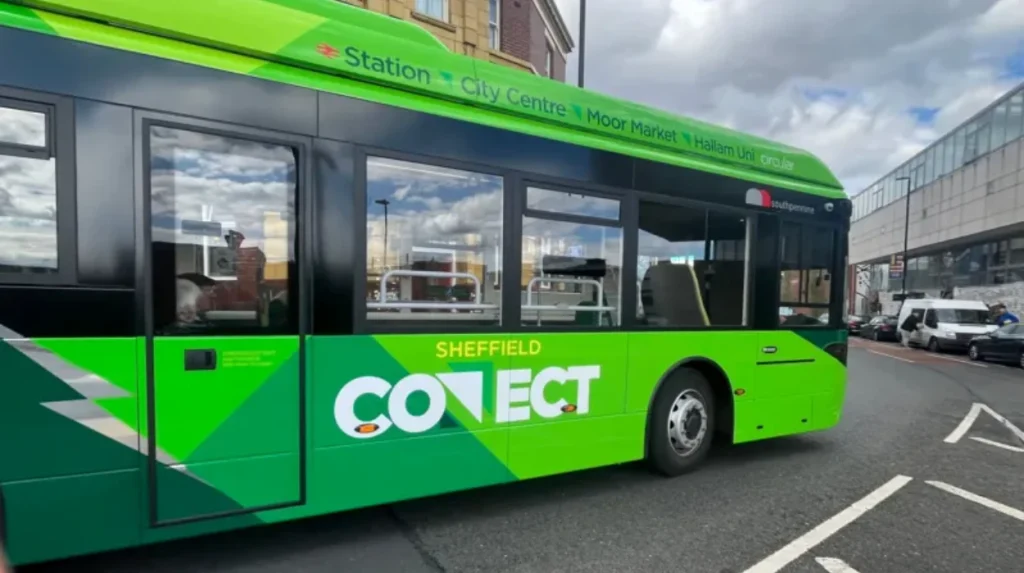
Glasgow bus services connect the city centre with residential neighbourhoods, employment areas, shopping destinations, and locations outside the Subway network. Operators run different routes with individual timetables and stopping patterns, allowing commuters to travel between places that lack a direct underground railway connection.
Buses form an essential part of Glasgow’s public transport network because urban travel demand extends beyond the Subway’s circular route. Residential streets, suburban employment sites, healthcare facilities, and shopping areas require road-based connections.
First Bus is a major operator in the Glasgow area. Other operators and regional services also contribute to public transport provision, depending on the route and destination.
Which destinations are accessible by bus?
Bus coverage includes neighbourhoods and destinations beyond the Subway’s stations. Depending on the service, passengers can travel towards areas such as the south side, the east end, and communities across Greater Glasgow.
Buses also connect with railway stations, Subway stations, and other bus routes. These interchanges help passengers complete journeys that cannot be made on a single service.
For example, a commuter living in an area without a nearby Subway station can take a bus towards the city centre or connect with a rail service. Someone travelling to a workplace on a suburban road can use a direct bus if the route serves the relevant location.
How do bus routes affect journey planning?
Bus routes follow specific roads and stop at designated locations. Some provide direct journeys between residential districts and the city centre, while others require passengers to change services.
A direct bus can reduce walking and eliminate the need to transfer between transport modes. However, a longer route with frequent stops can increase total journey time.
Passengers should check the destination displayed on the bus, the correct stop, and the timetable before travelling. Temporary diversions, roadworks, and service changes also affect individual routes.
Which Is Faster for Commuting in Glasgow: The Subway or Bus?
The Glasgow Subway often provides faster journeys between stations on its circular route because trains avoid ordinary road traffic. Buses provide competitive journey times on direct routes, particularly when traffic is moving freely, but congestion, roadworks, and frequent stops affect travel speeds.
Comparing transport speed requires more than measuring the time spent inside a train or bus. The full journey includes walking to the stop or station, waiting for the service, travelling, transferring, and walking to the final destination.
A commuter travelling between Hillhead and Buchanan Street, for example, can use the Subway for a direct connection between the West End and the city centre. A bus serving the same general corridor provides an alternative, but its journey time depends on the route and road conditions.
For destinations outside the Subway network, a direct bus can be more efficient than travelling by Subway and completing the journey on foot or by another service.
How does rush-hour traffic affect bus travel?
Morning and evening commuting periods bring additional traffic to Glasgow’s main roads. Vehicles entering central areas compete for road space, while junction delays and congestion affect bus movement.
Bus lanes help reduce some delays where they are available and enforced. However, they do not remove every source of disruption. Traffic incidents, roadworks, temporary closures, and busy stops continue to affect service performance.
Commuters with fixed arrival times should check live departure information and allow additional time during busy periods.
Why is the Subway less exposed to road congestion?
Subway trains operate on dedicated tracks rather than public roads. Ordinary traffic queues therefore do not directly delay train movement.
Rail services remain subject to their own operational conditions, including technical faults, maintenance work, and service disruptions. The Subway is not immune to delays, but it avoids the road congestion that affects buses.
For journeys entirely within the Subway network, this separation from road traffic provides a practical advantage during busy commuting periods.
Which Is Cheaper for Daily Commuting: Glasgow Subway or Bus?
The cheaper option depends on the current fare, ticket type, journey frequency, eligibility for concessions, and whether the passenger uses one operator or several services. Single tickets, return journeys, day tickets, and season products have different costs, so commuters should compare the ticket covering their actual travel pattern.
Transport fares change over time. The cost of travelling by bus also varies according to the operator, route, ticket conditions, and available discounts. Subway fares follow SPT’s published fare structure.
A fair comparison uses equivalent travel arrangements. Comparing a Subway single ticket with a bus day ticket, for example, does not establish which mode costs less for a full commuting week.
Which ticket types should commuters compare?
Passengers should examine the ticket options relevant to their journeys:
- Single tickets: Examples include one Subway journey or one bus trip.
- Return tickets: Examples include an outward journey and a return journey where the operator offers a suitable product.
- Day tickets: Examples include qualifying travel on multiple services within a defined period.
- Season tickets: Examples include weekly or longer-term products for regular commuting.
- Concessionary travel: Examples include eligible journeys using qualifying concessionary passes or discounted products.
Availability, eligibility, and restrictions differ by operator. A ticket valid on one bus network does not automatically cover every bus operator or the Subway.
How can commuters calculate weekly travel costs?
Start by identifying the number of commuting days each week. Then compare the cost of the required outward and return journeys with the price of an eligible weekly or longer-term ticket.
A passenger commuting five days a week should calculate the total cost of ten single journeys if each outward and return trip requires a separate ticket. The same passenger should compare that total with any available weekly product covering the journeys.
For mixed-mode commuting, include every necessary ticket. A bus journey followed by the Subway can cost more than a direct bus journey if the passenger needs separate tickets for each mode.
Check the latest official fare information from SPT and the relevant bus operator before purchasing a ticket. This avoids relying on outdated prices or assuming that a ticket covers services outside its terms.
Which Transport Option Is More Reliable During Glasgow Rush Hour?
The Subway avoids ordinary road congestion, while bus reliability depends partly on traffic, road conditions, and the operating performance of individual routes. Both modes experience service disruptions, so commuters should consider live updates, scheduled frequency, alternative connections, and the consequences of arriving late.
Reliability describes how consistently a service operates as expected. It includes punctuality, cancellations, delays, and the ability to complete a journey within a predictable period.
The Subway’s dedicated infrastructure separates trains from road traffic. This helps protect journeys from delays caused by congestion on Glasgow’s streets.
Buses face more variable conditions because they share roads with other vehicles. Routes through busy junctions and central corridors can experience delays during peak commuting periods.
What happens when services are disrupted?
Subway disruption can affect passengers travelling between stations on the network. A technical issue or infrastructure problem can interrupt a journey, particularly when the affected section is necessary for the passenger’s route.
Bus disruption can involve road closures, diversions, traffic incidents, and service changes. The effect depends on the route and the availability of alternative services.
Passengers should check operator announcements before leaving home. Where the arrival time is important, allowing a time buffer reduces the effect of unexpected delays.
How can commuters reduce the risk of arriving late?
Regular passengers should identify an alternative route to work. A Subway commuter can check whether a bus or railway connection serves the same destination. A bus commuter can examine other routes or an interchange with the Subway.
An alternative works only when it is geographically suitable and operating at the required time. Commuters should therefore check the complete replacement journey rather than assuming another service provides an equivalent connection.
Which Is More Convenient for Commuters Living Outside Central Glasgow?
Buses generally offer greater geographical coverage for commuters living beyond the Subway’s immediate catchment because routes extend into residential neighbourhoods and surrounding communities. The Subway remains useful when a bus connects the passenger to a station with a convenient onward journey to the workplace.
Convenience depends on how easily passengers can travel from their front door to their destination. A station close to home and work supports a straightforward Subway journey. A direct bus stop near both locations can offer similar convenience without an interchange.
Residents in neighbourhoods outside walking distance of a Subway station often rely on buses for the first part of a journey. Some combine a local bus with the Subway to reach central employment areas.
When does a direct bus provide a better connection?
A direct bus can be convenient when the route passes near both the home and workplace. It eliminates the need to change services and reduces the distance travelled on foot between transport connections.
For example, a commuter travelling between two residential districts without a direct Subway link can use a bus route connecting those areas. Taking the Subway instead would require additional travel to and from stations, potentially increasing total journey time.
Direct bus travel is especially relevant for destinations located away from central transport corridors. However, passengers should assess the route’s frequency and expected travel time before choosing it for a time-sensitive journey.
When is a bus-to-Subway interchange useful?
A combined journey is useful when a local bus reaches a Subway station and the underground railway serves the remaining corridor. This arrangement connects areas beyond the Subway network with destinations near its stations.
The interchange adds a transfer to the journey. Passengers should consider the waiting time between services, walking distance between stops, and the cost of the required tickets.
A well-timed connection can provide an efficient journey, but a missed connection increases waiting time. Checking both services before departure helps commuters assess the full route.
How Do Accessibility and Passenger Comfort Compare?
Accessibility depends on the stations, vehicles, stops, boarding arrangements, and assistance available on the chosen route. Commuters with mobility requirements should check the facilities at their specific Subway station or bus stop rather than assume that every journey offers identical step-free access.
Transport accessibility includes more than vehicle entry. It also covers the route to the stop, platform access, boarding height, space for mobility aids, passenger information, and the availability of assistance.
Subway stations differ in their physical layouts. Passengers should verify lift availability, step-free access, and the accessibility of the interchange they intend to use.
Buses also differ in their boarding arrangements and facilities. Accessible vehicles and designated spaces support passengers with mobility needs, but the approach to the bus stop and pavement conditions remain relevant.
How does walking distance affect accessibility?
A journey that requires a long walk to a station can create difficulties for passengers with limited mobility. A bus stop closer to home can reduce this distance, particularly in neighbourhoods outside the Subway network.
The reverse applies when a bus route does not serve the destination directly. A Subway station closer to the workplace can reduce the final walking distance.
Passengers should assess the complete route, including street crossings, gradients, pavements, station entrances, and interchange distances.
Which option provides a more comfortable journey?
Passenger comfort varies with crowding, journey duration, vehicle conditions, and the time of travel. Both buses and Subway trains experience busy periods when available seating becomes limited.
A bus journey can offer a direct route without an interchange. Subway travel provides a dedicated rail journey that avoids road traffic, although passengers still encounter station access and platform waiting.
For regular commuters, the most comfortable option is often the one with a manageable walking distance, predictable journey time, and fewer complicated transfers.
How Do the Glasgow Subway and Bus Compare for University Students?
The Subway and buses serve different student travel needs across Glasgow, depending on the university campus, accommodation, timetable, and available transport connections. The Subway connects selected central and West End locations, while buses provide access to additional campuses, residential districts, and destinations outside the underground network.
Glasgow has several major higher education institutions, including the University of Glasgow, the University of Strathclyde, and Glasgow Caledonian University. Students travel between teaching buildings, accommodation, libraries, part-time jobs, and social destinations.
The Subway serves parts of the West End and city centre, making stations such as Hillhead and Buchanan Street relevant to some student journeys. Other destinations require a walk, a bus connection, or a different rail service.
Bus routes provide access to neighbourhoods and campus locations beyond the Subway’s immediate reach. The most suitable option depends on the actual campus entrance rather than the university’s name alone.
How should students choose a commuting route?
Students should compare the cost of regular journeys with the available ticket products. A student attending classes several days each week should calculate the total travel cost across a typical week or month.
They should also check early lectures, evening classes, and weekend activities against published service times. A route suitable for a midday lecture does not automatically suit a late finish.
Accommodation location is another important factor. Living near a Subway station supports rail-based travel, while housing outside the network often makes buses more practical.
Students travelling with laptops, books, or other equipment should also consider walking distance, interchange requirements, and the availability of seating at their usual travel times.
What Are the Main Advantages and Disadvantages of the Glasgow Subway?
The Glasgow Subway offers dedicated rail travel, direct connections between its 15 stations, and protection from ordinary road congestion. Its main limitation is geographical coverage, because commuters whose homes or workplaces are far from a station need additional transport or a longer walk.
The Subway’s strengths are most relevant to passengers travelling along its circular route. Its fixed infrastructure supports connections between central Glasgow and selected West End and inner-western destinations.
However, the network does not extend across every residential and commercial area. A passenger whose workplace is beyond walking distance of a station must account for the additional journey.
The Subway also operates according to its published service hours and timetable. Commuters working early or late shifts should verify the first and last services for their specific travel date.
What are the Subway’s main advantages?
The Subway provides several practical benefits:
- Reduced exposure to road congestion: Trains operate on dedicated tracks.
- Direct station-to-station travel: Examples include journeys between Hillhead and Buchanan Street.
- Central and West End connections: Stations serve established residential and commercial areas.
- Predictable route structure: Passengers travel around the inner or outer circle.
These advantages support commuting when both endpoints are close to stations and the service operates at the required time.
What are the Subway’s main limitations?
The network’s restricted geographical coverage creates additional travel requirements for many commuters. Some need a bus connection before boarding or after leaving the train.
Station access also affects the total journey. Walking routes, stairs, lifts, and interchange arrangements can influence convenience and accessibility.
Passengers should check planned engineering work and service announcements when arranging journeys. A rail-based route still requires an alternative plan when the service is interrupted.
What Are the Main Advantages and Disadvantages of Glasgow Buses?
Glasgow buses offer wider geographical coverage, access to residential streets, and direct connections to many destinations outside the Subway network. Their main limitation is exposure to road traffic, which affects journey times and punctuality on busy routes.
Buses provide flexibility because operators can serve different streets and destinations without requiring railway infrastructure. This makes them important for passengers living in suburban areas or travelling between districts without a direct underground connection.
Direct services also reduce the need for interchanges. A passenger whose home and workplace lie along the same bus route can complete the journey without changing vehicles.
However, the road network creates uncertainty during busy periods. Delays at junctions, congestion, incidents, and temporary diversions affect buses differently depending on their routes.
What are the main advantages of bus travel?
Buses provide several commuting benefits:
- Wider route coverage: Examples include connections to residential areas without Subway stations.
- Direct local journeys: Examples include travel between neighbouring districts on one route.
- Connections with other transport: Examples include buses serving rail and Subway interchanges.
- Access beyond central corridors: Examples include journeys to suburban destinations and local facilities.
The value of these advantages depends on the service frequency, stop location, and timetable.
What are the main disadvantages of bus travel?
Road congestion can increase journey times, particularly during morning and evening peaks. A scheduled departure does not guarantee arrival at the destination at the same time each day.
Some journeys require multiple buses or a transfer to another transport mode. These connections add waiting time and require passengers to coordinate different timetables.
Ticket conditions also vary between operators. Commuters using more than one bus company should confirm which tickets and passes apply to their complete journey.
How Can Commuters Plan a Glasgow Subway or Bus Journey?
Commuters can plan a Glasgow journey by checking the origin, destination, departure time, service frequency, fares, and any necessary transfers. Using current operator information helps passengers compare complete journey times and costs instead of selecting transport based on the vehicle alone.
Journey planning begins with the exact starting point and destination. A home address several streets from a Subway station creates a different journey from one immediately beside the entrance.
Passengers should check scheduled departure times and live service updates before travelling. This is particularly important during peak commuting periods, planned engineering work, road closures, and major events.
Which official sources should commuters use?
The following organisations provide useful information for planning public transport journeys in Glasgow.
Strathclyde Partnership for Transport (SPT) publishes Subway information, including station details, service information, and fares. Its official website is the main source for Subway-specific updates.
First Bus provides route information, timetables, ticket details, and service updates for its Glasgow network. Passengers using another bus operator should check that operator’s official information as well.
Traveline Scotland provides public transport journey-planning information across Scotland, helping passengers identify possible bus, rail, and Subway connections.
These sources help commuters check the details that determine whether a journey is practical. Timetables, fare conditions, and service arrangements change, so current information is more reliable than an old travel guide.
How should commuters compare two complete journeys?
Passengers should compare the following elements for the same departure time:
- Walking time from the starting point to the first stop or station.
- Waiting time before the first service.
- Scheduled and expected travel time.
- Transfer time and the likelihood of missing a connection.
- Walking time from the final stop or station to the destination.
- The total fare for the complete journey.
This method accounts for differences between direct bus journeys and combinations of buses and Subway trains. It also reveals situations in which a journey with a shorter in-vehicle time takes longer overall because of walking or transfers.
How Has Glasgow’s Public Transport Network Developed Historically?
Glasgow’s Subway opened on 14 December 1896, establishing one of the city’s earliest urban underground railway services. Bus networks subsequently expanded road-based connections across the city and surrounding communities, creating two complementary transport modes that support different commuting patterns.
The Subway was built to connect important urban districts through a dedicated underground and surface railway alignment. Its original route established the circular structure that continues to distinguish the system.
The network has undergone changes in rolling stock, infrastructure, station facilities, and operations during its history. Modernisation has aimed to improve the passenger experience and the operation of the system while retaining its established route.
Bus services developed alongside changes in Glasgow’s road network, population distribution, employment locations, and housing. Road-based transport can serve streets and communities without railway stations, giving buses a different role from the Subway.
The two systems therefore reflect different infrastructure models. The Subway offers a fixed rail corridor with established stations, while buses provide connections across a broader network of roads.
This historical development remains relevant to current commuting decisions. The Subway is particularly useful for trips aligned with its route, while buses fill geographical gaps and provide access to destinations that the railway does not directly serve.
Explore More Area Guide
Glasgow Subway Timetable: First and Last Train Times
Glasgow Subway Prices, Zones and Tickets Explained for 2026
How Will Future Transport Changes Affect Glasgow Commuters?
Future commuting choices in Glasgow depend on service improvements, infrastructure maintenance, road management, passenger demand, and changes to ticketing. Commuters should follow official announcements from SPT, bus operators, and transport authorities because timetable changes, engineering projects, and roadworks directly affect journey planning.
Transport networks evolve as the city changes. New housing, employment developments, education facilities, and changes in travel demand influence the routes passengers use.
Subway investment can affect station facilities, reliability, accessibility, and operational capacity. Bus network changes can alter route coverage, service frequency, and connections with rail services.
Road management also affects bus journeys. Bus lanes, junction changes, traffic restrictions, and roadworks influence travel times on individual corridors.
Ticketing developments can change the relative cost of commuting. Passengers who use multiple transport modes should check whether new ticket products or revised conditions apply to their regular journeys.
Environmental considerations also influence urban transport planning. Public transport supports shared travel rather than requiring each passenger to make the entire journey in a private car. However, the environmental impact of an individual journey depends on factors such as vehicle occupancy, vehicle type, route, and the alternative mode of transport.
For commuters, the practical approach is to reassess regular journeys when services or circumstances change. A bus route that currently offers a direct connection can become less convenient after a timetable revision, while an improved interchange can make a combined bus and Subway journey more practical.
Is the Glasgow Subway or Bus Better for Daily Commuting?
The Glasgow Subway suits commuters travelling between its 15 stations, particularly when avoiding road congestion and reaching central or West End destinations. Buses suit passengers needing wider geographical coverage, direct local connections, or access to areas without a Subway station; the better option depends on the complete journey.
Neither mode is universally better for every Glasgow commuter. Each serves different geographical and operational needs.
The Subway provides a dedicated rail connection for passengers travelling along its established circular route. It is especially relevant when the home and workplace are within convenient walking distance of stations.
Buses serve a broader range of neighbourhoods and destinations. They are often essential for commuters whose journeys begin or end outside the Subway network, although traffic conditions affect their reliability.
A combined journey provides another option. A bus can connect a residential neighbourhood to a Subway station, allowing the passenger to continue by train towards the city centre or West End. The additional transfer, walking time, and fare must be included in the comparison.
The most reliable commuting decision comes from checking the actual route, timetable, total fare, walking distance, and service updates. Glasgow’s Subway and bus networks work together to connect the city’s residential districts, employment centres, education facilities, and commercial areas. Choosing the right service for the individual journey helps commuters manage daily travel time, costs, and connections.
Is the Glasgow Subway better than the bus for commuting?
The Glasgow Subway is suitable for commuters travelling between its 15 stations, especially during busy traffic periods. Buses are more suitable for destinations outside the Subway network and for direct connections between residential neighbourhoods.