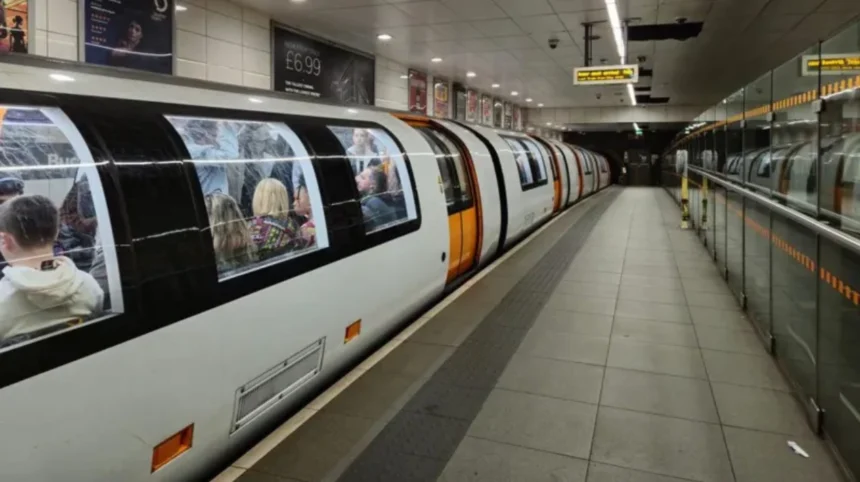
Glasgow Subway prices depend on the ticket type, while the network operates within a single fare zone covering its 15 stations. Passengers can choose single, return, all-day and other ticket options according to their travel needs. Strathclyde Partnership for Transport (SPT) operates the Glasgow Subway, an underground railway connecting central Glasgow with neighbourhoods across the West End and south side.
- How does the Glasgow Subway zone system work?
- How much do Glasgow Subway tickets cost?
- What is a Glasgow Subway single ticket?
- What is a Glasgow Subway return ticket?
- What is a Glasgow Subway all-day ticket?
- What types of Glasgow Subway tickets are available?
- Are Glasgow Subway smartcards available?
- Can passengers use contactless payment on the Glasgow Subway?
- Are concessionary Glasgow Subway tickets available?
- Where can passengers buy Glasgow Subway tickets?
- How do passengers buy tickets at station machines?
- Should visitors buy tickets before arriving in Glasgow?
- What are the Glasgow Subway opening hours?
- How can passengers travel between Glasgow Subway stations?
- How long does a Glasgow Subway journey take?
- Is the Glasgow Subway accessible for passengers with reduced mobility?
- Can passengers use Glasgow Subway tickets with other transport services?
- Can passengers use a Subway ticket on Glasgow buses?
- Does a Glasgow Subway ticket include airport travel?
- How can passengers save money on Glasgow Subway travel?
- Is a Glasgow Subway day ticket worthwhile for tourists?
- How can regular commuters manage their Subway expenses?
- What is the history of the Glasgow Subway?
- What should passengers know before travelling on the Glasgow Subway?
The Glasgow Subway is one of the city’s main public transport services. It provides access to shopping districts, universities, hospitals, cultural attractions and business areas. Its circular route makes it particularly useful for travelling between the city centre and the West End without relying on road traffic.
Understanding Glasgow Subway fares helps residents, commuters and visitors select suitable tickets before travelling. The system uses a simple single-zone fare structure rather than the multiple fare zones found on some other British urban rail networks.
Ticket prices and concessions change over time. Passengers should check the official SPT website for the latest fares, eligibility requirements and ticket conditions before purchasing.
How does the Glasgow Subway zone system work?
The Glasgow Subway operates as a single-zone underground railway, so passengers do not need to calculate fares across multiple numbered zones. The same network serves all 15 stations, allowing straightforward journeys between the city centre, West End and southern districts.
Unlike the London Underground, which uses numbered fare zones, Glasgow Subway passengers travel within one continuous fare area. The network’s circular layout connects stations on an inner and outer route, but these routes do not create separate fare zones.
This structure makes the Subway straightforward for occasional visitors and regular commuters. A passenger travelling between Buchanan Street and Hillhead uses the same network as someone travelling between St Enoch and Partick.
Which areas does the Glasgow Subway cover?
The Glasgow Subway connects central Glasgow with several residential, commercial and cultural districts. Its 15 stations are distributed around a circular route beneath the city.
Key destinations include:
- Buchanan Street: Shopping, city-centre businesses and connections to other transport services.
- St Enoch: Central shopping areas and access to the River Clyde.
- Bridge Street: Connections to areas south of the city centre.
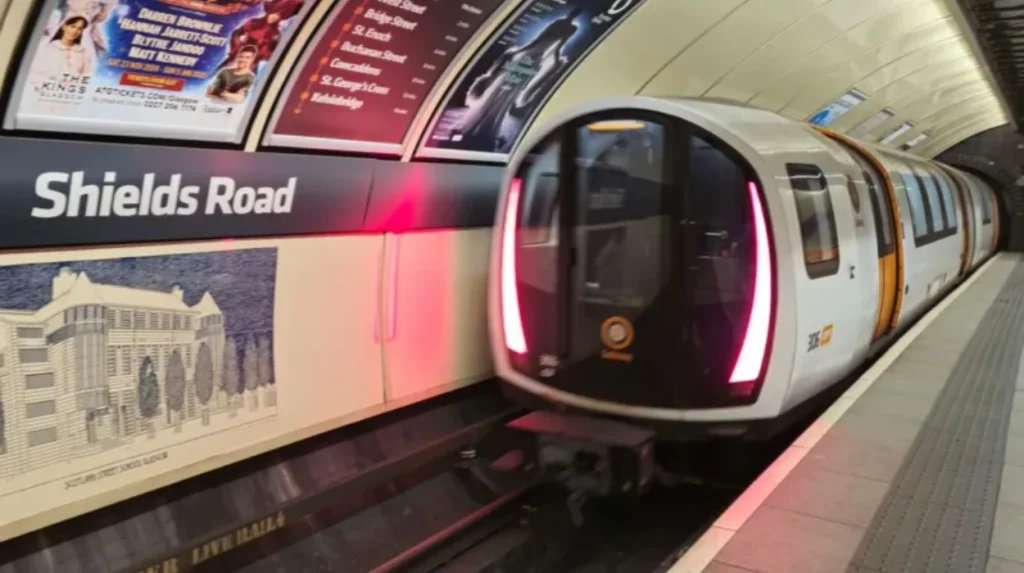
- Shields Road: Residential neighbourhoods and nearby employment areas.
- Ibrox: Access to Ibrox Stadium and surrounding streets.
- Govan: Local services, residential districts and riverside connections.
- Partick: Rail and bus connections, shopping and access to the West End.
- Kelvinhall: Museums, cultural attractions and nearby residential areas.
- Hillhead: Byres Road, the University of Glasgow area and West End cafés.
- Kelvinbridge: Local shops, restaurants and residential neighbourhoods.
- St George’s Cross: Access to northern city-centre neighbourhoods.
- Cowcaddens: City-centre accommodation, educational facilities and entertainment venues.
The remaining stations are Cessnock, Kinning Park and West Street. Together, these stations create a compact network that serves many of Glasgow’s most frequently visited districts.
Does travelling farther cost more on the Glasgow Subway?
The Subway’s single-zone structure means passengers do not select a higher fare zone for longer journeys. The ticket type and applicable fare rules determine the cost rather than the number of stations travelled.
This arrangement simplifies journeys for visitors. For example, travelling from Buchanan Street to Partick does not require a separate zone calculation compared with travelling from Buchanan Street to St Enoch.
Passengers must still buy a valid ticket for their journey. They should also check the conditions of day tickets, concessionary products and other travel passes before boarding.
How much do Glasgow Subway tickets cost?
Glasgow Subway fares vary according to whether passengers buy single journeys, return tickets, all-day tickets or eligible concessionary products. The official SPT fare list is the authoritative source for current prices, because fares and ticket conditions can change.
Passengers planning a trip should confirm the current fare before travelling rather than relying on an old price displayed in a travel article. This is particularly important for visitors purchasing several tickets or commuters comparing daily and weekly travel costs.
The principal ticket categories include single tickets, return tickets, all-day tickets and smartcard-based products where available. Each option serves a different travel pattern.
What is a Glasgow Subway single ticket?
A single ticket covers one journey under the applicable ticket conditions. It suits passengers making a one-way trip, such as travelling from Buchanan Street to Hillhead for shopping or visiting the University of Glasgow.
Single tickets are useful for occasional travel because passengers do not need to purchase a return journey or a longer-duration pass. However, someone planning several journeys on the same day should compare the available alternatives before buying.
The ticket must remain valid for the journey being made. Passengers should follow station instructions and any conditions printed on their ticket or displayed during purchase.
What is a Glasgow Subway return ticket?
A return ticket is designed for passengers travelling to a destination and then returning within the ticket’s permitted conditions. It is useful for visitors attending an event, travelling to work for one day or making a shopping trip.
For example, a passenger travelling from St Enoch to Kelvinhall and back can check whether a return product is available and compare its price with the alternatives offered by SPT.
Ticket names and conditions determine whether a product covers one return journey or a different pattern of travel. Passengers should verify the details before purchasing instead of assuming every return ticket has identical restrictions.
What is a Glasgow Subway all-day ticket?
An all-day ticket is intended for passengers making multiple journeys during the permitted period. It is particularly relevant to tourists visiting several destinations or residents travelling around Glasgow throughout the day.
A visitor could use the Subway to reach the city centre, continue to the West End and return later. An all-day product can simplify repeated travel when its conditions and price suit the planned itinerary.
Passengers should confirm the current validity period, permitted journeys and price through SPT before purchasing. They should also compare the cost with individual tickets if their itinerary includes only one or two journeys.
What types of Glasgow Subway tickets are available?
Glasgow Subway passengers can choose from ticket products designed for individual journeys, return travel and repeated journeys within a specified period. Smartcard and concessionary options are also relevant to eligible travellers, subject to current availability and the rules set by SPT.
The best ticket depends on travel frequency, age, eligibility and the number of journeys planned. Occasional visitors usually need a straightforward journey ticket, while frequent passengers benefit from comparing products intended for repeated use.
Are Glasgow Subway smartcards available?
SPT offers smartcard-based travel options, including Subway Smartcards. These products support electronic ticketing and reduce the need to purchase a paper ticket for every journey, depending on the product and its current conditions.
A smartcard is particularly useful for passengers who use the Subway regularly. It provides a reusable way to access eligible ticket products and manage travel purchases.
Before obtaining or topping up a smartcard, passengers should check the official SPT information for the available ticket types, purchase channels, any card charges and the rules for using the card at station gates.
Smartcard conditions differ from those of contactless bank cards. Travellers should not assume that tapping a debit card automatically provides the same fare or benefits as using an SPT Subway Smartcard.
Can passengers use contactless payment on the Glasgow Subway?
Passengers should check the current payment options published by SPT before travelling. Available methods can depend on the ticket product and the arrangements operating at the time of the journey.
Contactless bank-card payment, smartcard ticketing and buying a ticket from a machine are separate arrangements. A payment method accepted for purchasing a ticket does not necessarily mean passengers can use that card directly at the ticket gates.
For a smooth journey, confirm the permitted payment method before arriving at the station. Visitors should also check whether their preferred method is accepted for the ticket they intend to buy.
Are concessionary Glasgow Subway tickets available?
Concessionary travel products provide reduced-cost or free travel for passengers who meet specified eligibility requirements. The applicable arrangements depend on the concession, the passenger’s circumstances and the rules governing the relevant travel scheme.
People with qualifying disabilities, older passengers and other eligible groups should check the official SPT guidance and the conditions of any National Entitlement Card or other accepted travel credential.
Concessionary entitlement is not automatic for every passenger within a particular age group or category. Proof of eligibility, registration and valid identification can be required. Passengers should verify whether their concession applies specifically to the Subway and whether any restrictions affect their intended journey.
Where can passengers buy Glasgow Subway tickets?
Passengers can purchase Glasgow Subway tickets through the sales facilities provided by SPT, including station ticket machines and other officially supported channels for eligible products. The correct purchase method depends on the ticket type, payment options and current operating arrangements.
Ticket machines make it possible to purchase tickets at stations before entering the boarding area. Passengers should select the required ticket carefully, check the displayed price and follow the payment instructions.
Regular travellers should investigate whether a Subway Smartcard or another approved product is suitable for their needs. Visitors who need only one journey can check the available single-ticket options at the station.
The official SPT website provides information about fares, ticket products, concessions and travel arrangements. Checking it before departure is especially useful for people travelling during busy periods or unfamiliar with the network.
How do passengers buy tickets at station machines?
Station ticket machines guide passengers through the purchasing process. The exact screen layout and payment methods depend on the machine and the products available.
The usual process involves selecting a ticket, reviewing the fare, completing payment and collecting the ticket where a physical ticket is issued.
Passengers should make sure they have selected the correct product before confirming the transaction. They should also retain their ticket for as long as the applicable conditions require and follow the instructions at the station gates.
If a machine is out of service or a transaction fails, passengers should follow the station’s official guidance rather than entering the network without a valid ticket.
Should visitors buy tickets before arriving in Glasgow?
Visitors do not generally need to calculate multiple fare zones before using the Subway. However, checking ticket products and payment options before arrival saves time, particularly when travelling with family or following a tight itinerary.
Someone arriving in Glasgow for a short city break should identify the stations closest to their accommodation and planned attractions. This makes it easier to decide whether individual journeys or a longer-duration ticket provides the appropriate coverage.
Visitors should also consider the location of railway stations, bus stops and airport connections. The Glasgow Subway does not directly serve Glasgow Airport, so passengers arriving by air need a separate connection to the Subway network.
What are the Glasgow Subway opening hours?
Glasgow Subway opening hours vary by day and can be affected by public holidays, maintenance and special operating arrangements. Passengers should consult the official SPT timetable before travelling, especially for early departures, late-night journeys and weekend events.
The Subway operates regular services throughout the week, but opening and closing times are not identical on every day. The time of the last train is particularly important for passengers attending concerts, football matches or evening events.
Travellers should distinguish station opening times from train departure times. Arriving at a station near closing time does not guarantee enough time to enter the network and catch the required train.
How frequently do Glasgow Subway trains run?
Train frequency varies according to the day, time and operating conditions. Services are generally arranged to support regular urban travel, with busier periods requiring more frequent trains than quieter periods.
Commuters travelling during weekday peaks should check the current timetable and allow time for station entry. Visitors travelling during evenings and weekends should check the final departures rather than assuming that daytime frequencies continue throughout the day.
Service changes, engineering work and unexpected disruptions can affect planned journeys. SPT service announcements provide the most reliable information about current operating arrangements.
How can passengers travel between Glasgow Subway stations?
Passengers travel between Glasgow Subway stations by entering through the station gates with a valid ticket and boarding a train on the appropriate side of the circular network. The route serves central Glasgow, the West End and southern neighbourhoods.
The Subway’s circular configuration makes it possible to travel around the network in either direction, subject to the route and station served by each train. Passengers should read platform signs and destination information before boarding.
For short journeys, both directions can appear practical. The better option depends on the station sequence, the time required and any service disruption affecting the network.
How long does a Glasgow Subway journey take?
Journey times depend on the stations involved and the direction of travel. Trips between neighbouring stations are short, while journeys across a larger part of the circular route take longer.
Passengers should include time for walking to the station, buying a ticket, entering through the gates and reaching the correct platform. Transfers to railway stations or buses also require additional time.
For example, someone travelling from Buchanan Street to Hillhead should plan for the train journey and the walk from Hillhead station to their final destination. A passenger connecting with a train at Partick should leave additional time to reach the other platform or station entrance.
Is the Glasgow Subway accessible for passengers with reduced mobility?
Accessibility varies by station and by the facilities available at each entrance. Passengers who use wheelchairs, mobility aids or require step-free access should check the current accessibility information published by SPT before travelling.
The presence of an underground station does not guarantee that every entrance has a lift or that every route is step-free. Passengers should confirm the facilities at both their starting station and destination.
Travellers who need assistance should consult SPT’s accessibility guidance and contact the operator when necessary. Checking in advance helps passengers identify suitable stations and understand any restrictions that affect their journey.
Can passengers use Glasgow Subway tickets with other transport services?
Glasgow Subway tickets are primarily intended for travel on the Subway and do not automatically cover every bus or train journey in Glasgow. Integrated travel products and concessionary schemes have separate conditions that passengers should verify before making connections.
Glasgow has several public transport operators, including SPT Subway services, local buses and National Rail services. Each operator has its own fares and ticketing arrangements unless a particular product explicitly provides integrated validity.
Passengers making a multimodal journey should identify each stage before departure. For example, travelling from Glasgow Airport to the city centre and then continuing by Subway involves checking the airport transfer and Subway ticket separately.
Can passengers use a Subway ticket on Glasgow buses?
A standard Subway ticket should not be treated as a general bus ticket. Bus travel is governed by the fare rules of the relevant bus operator and any applicable integrated ticket product.
Passengers changing from the Subway to a bus should check whether a combined ticket or travel pass covers both services. They should also confirm its validity period and geographical coverage.
This distinction matters for visitors who plan to use several transport modes in one day. Buying a Subway ticket alone does not establish entitlement to travel on every bus route.
Does a Glasgow Subway ticket include airport travel?
Glasgow Subway tickets do not provide direct travel to Glasgow Airport because the Subway network does not extend to the airport terminal.
Passengers travelling from Glasgow Airport can use the available airport transport connections to reach the city. They can then continue by Subway after reaching an appropriate interchange or station.
The airport journey and the Subway journey should be planned as separate stages unless a specific combined ticket explicitly covers both. Travellers should check the latest airport transport information, fares and operating times before departure.
How can passengers save money on Glasgow Subway travel?
Passengers can manage Glasgow Subway travel costs by comparing single, return and all-day ticket prices, checking concessionary eligibility and selecting products that match their journeys. The lowest total cost depends on current fares, the number of trips and applicable ticket conditions.
The most suitable ticket is determined by actual travel requirements rather than the longest available validity period. A visitor making one journey has different needs from a commuter travelling repeatedly throughout the week.
Passengers should compare the total cost of their planned journeys before buying. They should also account for travel outside the Subway network, including buses, trains and airport transfers.
Is a Glasgow Subway day ticket worthwhile for tourists?
A day ticket is worth considering when its price and validity suit the number of journeys planned. Tourists visiting several parts of Glasgow can compare it with buying individual tickets for each trip.
For example, a visitor travelling from the city centre to the West End and making further Subway journeys later in the day should calculate the cost of those trips. The comparison should use current fares and the exact conditions of the day ticket.
Visitors making only one or two journeys should not assume that an all-day product automatically costs less. The correct choice depends on the itinerary and the products currently available.
How can regular commuters manage their Subway expenses?
Regular commuters should compare the available smartcard and repeat-travel products with the cost of their usual journeys. A passenger travelling on most working days has a different spending pattern from someone using the Subway occasionally.
The calculation should include the number of travel days, the number of journeys each day and any periods when the passenger does not travel. Ticket restrictions and expiry dates also matter when assessing the total cost.
Commuters should review official fare information when SPT announces changes. Keeping track of the products used and the frequency of travel helps passengers avoid purchasing a ticket that provides more validity than they need.
Explore More Area Guide
Glasgow Subway: A Complete Guide for First-Time Users
Moving to Glasgow: Complete Beginner’s Guide
What is the history of the Glasgow Subway?
The Glasgow Subway opened on 14 December 1896 and became one of the world’s early underground urban railway systems. Its circular route and compact network have served Glasgow for more than a century, connecting the city centre with surrounding neighbourhoods.
The system was originally known as the Glasgow District Subway. It was built to improve urban transport as Glasgow expanded during the late nineteenth century.
The original railway used cable haulage, with trains pulled by a continuously moving cable rather than powered by onboard electric motors. This technology reflected the engineering choices available when the line opened.
The Subway later underwent major modernisation. The system was closed for a substantial modernisation programme between 1977 and 1980, reopening with upgraded infrastructure and trains.
Its history explains the network’s distinctive circular layout and relatively limited geographical reach. Unlike expanding metro systems that add new branches and fare zones, Glasgow’s Subway continues to operate as a compact urban railway.
Why does the Glasgow Subway have a circular route?
The circular route connects stations around the central urban area, allowing passengers to travel between the city centre, West End and southern districts without a conventional terminus at each end.
The network consists of inner and outer circles. Trains operate around the loop in different directions, giving passengers alternative ways to reach a destination.
This arrangement supports relatively straightforward route planning. Passengers still need to check the direction of travel because taking the opposite circle can change the number of stations passed before reaching the destination.
How many stations does the Glasgow Subway have?
The Glasgow Subway has 15 stations arranged around its circular route. Examples include Buchanan Street, St Enoch, Partick, Hillhead, Kelvinbridge and Ibrox.
The network’s compact size makes it possible to learn the main stations quickly. Each station provides access to surrounding streets and neighbourhoods, although walking distances and accessibility features vary.
For visitors, identifying the nearest station to a destination is often more useful than memorising every stop. A street map and the official Subway route map help passengers combine underground travel with walking.
What should passengers know before travelling on the Glasgow Subway?
Passengers should confirm current fares, ticket validity, station accessibility and service times before using the Glasgow Subway. The single-zone network simplifies fare planning, but ticket restrictions, payment arrangements and connections with other transport services still require attention.
The most important step is to consult official SPT information for the specific journey. Fare lists and timetables provide the details needed to select a suitable ticket and avoid relying on outdated prices.
Passengers should also allow enough time for station access and connections. This is especially important when travelling to a football match, concert, railway station or airport transfer.
The Glasgow Subway remains a practical transport option for many journeys within the city. Its 15 stations serve key commercial, residential and cultural areas, while its single-zone structure keeps the basic fare system straightforward.
By understanding ticket types, purchase methods and operating conditions, residents and visitors can plan journeys more confidently. Checking the official SPT website before departure remains the best way to confirm the latest prices and travel rules.
How much does a Glasgow Subway ticket cost in 2026?
Glasgow Subway ticket prices depend on the ticket type and payment method. Passengers should check the official SPT website for current single, return, day-ticket and smartcard fares.