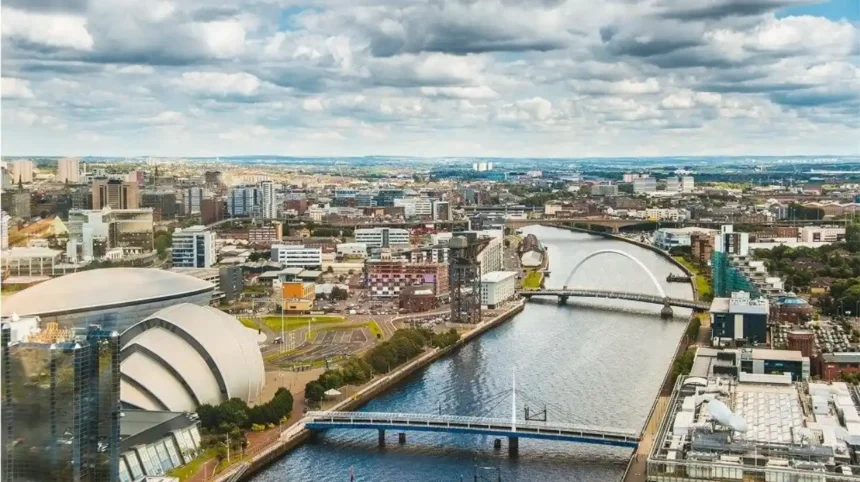
Glasgow is Scotland’s largest city and a major economic, cultural, educational, and transport centre. Moving to Glasgow in 2026 requires understanding its housing market, employment opportunities, neighbourhoods, public services, education system, transport network, and quality of life.
Glasgow is located on the River Clyde in west-central Scotland. It is the largest city in Scotland by population, with approximately 635,000 residents in the city area and more than 1.8 million people in the wider Glasgow metropolitan region. The city functions as a regional hub for business, healthcare, higher education, tourism, retail, and creative industries.
The city developed from a medieval settlement into one of the world’s leading industrial centres during the 18th and 19th centuries. Glasgow became internationally recognised for shipbuilding, engineering, trade, and manufacturing. The River Clyde supported major shipyards that produced vessels for global markets.
During the 20th century, Glasgow experienced industrial decline and major economic restructuring. The city shifted from heavy manufacturing towards service-based industries, technology, education, finance, tourism, and cultural sectors.
In 2026, Glasgow combines historic architecture with modern regeneration projects. Areas such as the city centre, Finnieston, Merchant City, Glasgow Harbour, and the West End demonstrate the city’s transition from industrial heritage to a knowledge-based economy.
The city is also home to major institutions including the University of Glasgow, the University of Strathclyde, Glasgow Caledonian University, and Glasgow School of Art. These institutions attract students, researchers, and professionals from across the world.
Moving to Glasgow involves understanding how the city operates, where people live, how residents travel, and which areas match different lifestyles.
Why Are People Moving to Glasgow in 2026?
People move to Glasgow in 2026 because the city offers employment opportunities, internationally recognised universities, comparatively affordable housing, strong transport connections, cultural attractions, and access to Scotland’s natural landscapes.
Glasgow attracts new residents because it provides a balance between urban facilities and regional accessibility. The city offers employment across multiple sectors including healthcare, education, technology, financial services, engineering, tourism, retail, and creative industries.
The healthcare sector is one of Glasgow’s largest employers. NHS Greater Glasgow and Clyde operates major hospitals including the Queen Elizabeth University Hospital, one of the largest hospital campuses in Europe.
Glasgow’s universities contribute significantly to the city economy. The University of Glasgow, founded in 1451, is one of the oldest universities in the English-speaking world. The University of Strathclyde focuses strongly on engineering, business, and innovation.
The city also has a growing technology sector. Digital businesses, software companies, data science organisations, and creative technology firms operate throughout Glasgow.
Housing affordability is another important factor. Compared with cities such as Edinburgh and London, Glasgow generally provides lower property prices and rental costs. Housing costs vary significantly depending on location, property type, and proximity to the city centre.
Glasgow also provides access to Scotland’s outdoor environments. Residents can reach destinations such as Loch Lomond, the Trossachs National Park, and the Scottish Highlands within a short journey.
What Is the Cost of Living in Glasgow in 2026?
The cost of living in Glasgow in 2026 depends on housing, transport, food, utilities, and lifestyle choices. The city remains one of Scotland’s more affordable major urban areas compared with Edinburgh and many UK cities.
Housing represents the largest monthly expense for most residents. Glasgow has different housing markets across neighbourhoods including city-centre apartments, Victorian terraces, suburban houses, and modern developments.
Rental prices depend on location and property size. Areas close to universities and transport connections generally have higher demand. Neighbourhoods such as the West End, Finnieston, and Merchant City attract students and professionals because of restaurants, shops, and cultural venues.
More affordable housing options exist in areas such as Springburn, Pollok, Castlemilk, and parts of the east and south sides. Residents usually compare transport links, local facilities, safety, and property conditions before choosing accommodation.
Energy costs are another important consideration. Homes in Scotland require effective heating systems because of colder winters. Many properties use gas central heating, while some newer developments include energy-efficient systems.
Transport costs in Glasgow remain manageable because the city has an extensive public transport network. Residents use buses, trains, cycling routes, and the Glasgow Subway.
Food costs vary according to shopping habits. Major supermarkets, independent shops, markets, and local food businesses provide different price options.
The overall cost of living depends on personal circumstances, including household size, income level, location, and lifestyle.
Explore More Area Guide
Clydeside Distillery Whisky Tour Guide: Glasgow 2026
Riverside Museum Glasgow: Transport, Zaha Hadid & History Glasgow 2026
Which Areas of Glasgow Are Best for New Residents?
The best areas of Glasgow for new residents depend on lifestyle needs, including employment location, family requirements, student preferences, budget, and access to transport. Glasgow contains diverse neighbourhoods with different characteristics.
Glasgow’s neighbourhoods developed through different historical periods. Some areas grew around industrial expansion, while others developed as residential suburbs during the Victorian and modern periods.
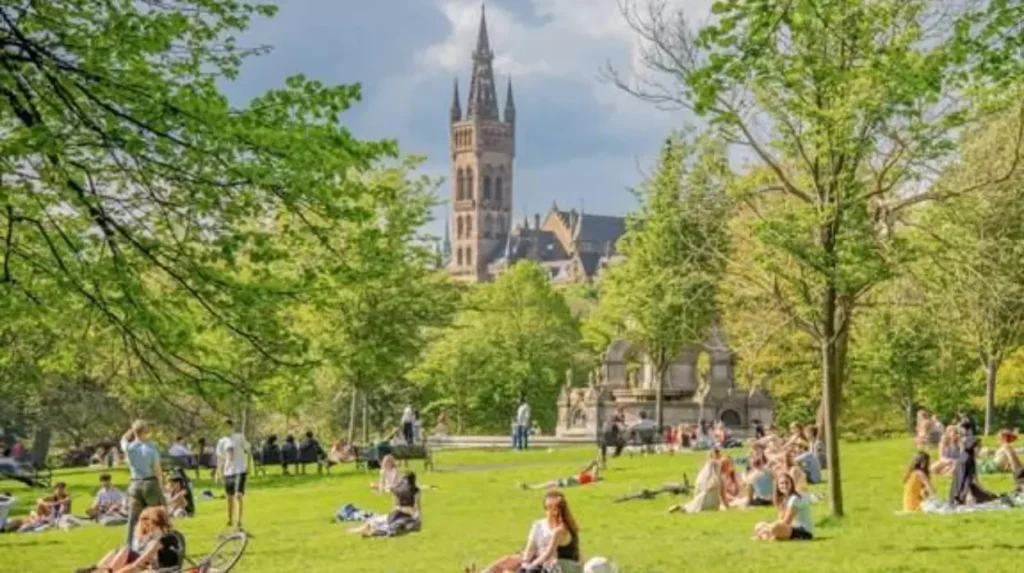
The West End is one of Glasgow’s most popular residential areas. It includes neighbourhoods such as Hillhead, Partick, and Kelvinbridge. The area is known for the University of Glasgow, Kelvingrove Park, museums, restaurants, cafes, and excellent public transport connections.
Finnieston has experienced significant regeneration. The area transformed from an industrial district into a popular destination for restaurants, offices, and modern apartments.
The South Side includes neighbourhoods such as Shawlands, Pollokshields, and Battlefield. These areas attract families, professionals, and young residents because of parks, independent businesses, schools, and community facilities.
Merchant City offers city-centre living with access to restaurants, cultural venues, shopping areas, and workplaces. It attracts professionals who prefer walking access to central Glasgow.
The East End includes areas undergoing regeneration, including locations near the Clyde Gateway development zone. These areas provide improving infrastructure and housing opportunities.
Suburban areas such as Bearsden, Giffnock, and Clarkston attract families because of schools, green spaces, and community facilities.
Choosing an area requires considering commuting distance, housing costs, local services, and personal priorities.
How Does Housing Work in Glasgow in 2026?
Housing in Glasgow includes private rentals, social housing, owner-occupied properties, student accommodation, and new residential developments. Understanding rental agreements, property searches, and local regulations helps new residents secure suitable homes.
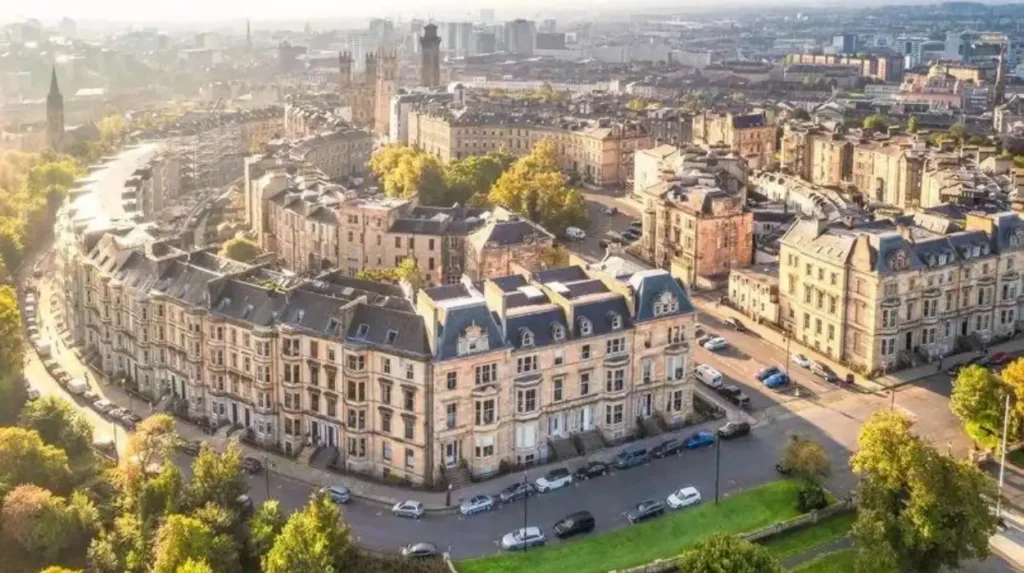
The Glasgow housing market contains a mixture of traditional and modern properties. Victorian sandstone tenements are a distinctive feature of many neighbourhoods, particularly in the West End and South Side.
Private renting is common among students, young professionals, and people relocating for employment. Tenants usually sign a Private Residential Tenancy agreement under Scottish housing law.
The Private Housing (Tenancies) (Scotland) Act 2016 introduced important protections for private renters. Scottish private residential tenancies have no fixed end date, and tenants receive specific rights regarding rent increases, notice periods, and ending agreements.
Rental searches usually take place through property websites, letting agencies, and university accommodation services. Tenants normally provide identification documents, employment information, and references during the application process.
Social housing is managed by housing associations and local authorities. Glasgow City Council works with housing organisations to provide affordable homes for eligible residents.
New housing developments continue across Glasgow through regeneration programmes. Former industrial areas have been transformed into residential communities with modern apartments, public spaces, and improved infrastructure.
Before moving, residents should research council tax bands, energy ratings, transport links, and local amenities.