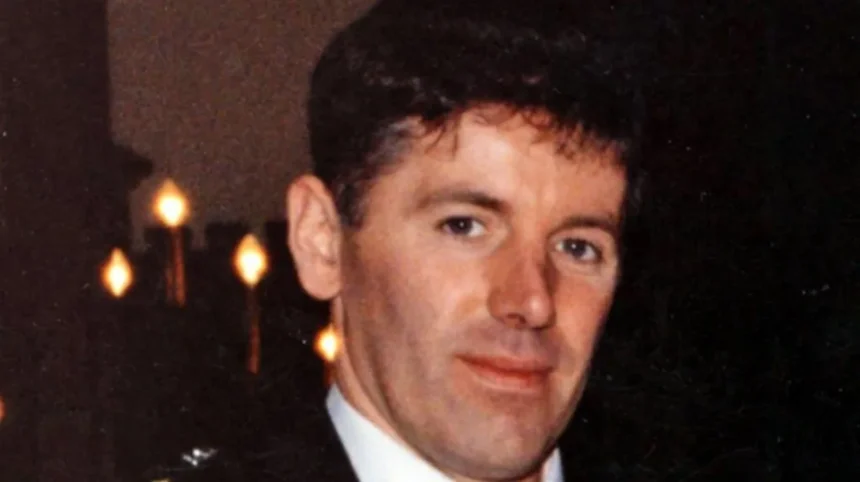
Alexander Blue was a 41‑year‑old Glasgow businessman who was found badly beaten outside his home in the city’s West End on 25 June 2002 and later died from his injuries. His murder remains officially unsolved, more than two decades later, and Police Scotland currently treat it as an open cold‑case review rather than an active, ongoing investigation.
This means there is no single, publicly known “Alexander Blue suspect” who can be “gotten” or charged by members of the public; instead, the path to securing justice runs through police, the Crown Office, and the public’s willingness to provide unused information. The most practical ways to help bring the perpetrator to justice are structured, legal actions that support the existing investigation, not personal or vigilante efforts.
- What is the Alexander Blue case in Glasgow?
- Why has the Alexander Blue suspect not been caught?
- How does a cold‑case review work in Scotland?
- What practical role can the public in Glasgow play?
- How can information about the Alexander Blue suspect be shared safely?
- What types of information are most useful to police?
- Can new forensic techniques help catch the suspect?
- What legal steps are needed to charge and convict a suspect?
- How can Glasgow communities help prevent similar cases?
- What impact does solving the case have on Glasgow?
- What are the most realistic ways to get the Alexander Blue suspect in Glasgow?
Below is a full, fact‑based guide for how information, community action, and the justice system can converge to improve the chances of finally identifying and charging whoever is responsible for Alexander Blue’s death in Glasgow.
What is the Alexander Blue case in Glasgow?
Alexander Blue was a taxi‑business owner in the West End of Glasgow whose annual turnover was reported at around £7 million, indicating he operated a substantial private‑hire or taxi company. On 25 June 2002, he was attacked outside his home, sustaining severe head injuries, and died two days later in hospital on 27 June 2002.
The case is widely described as an unresolved or “cold” homicide, with Police Scotland and the Crown Office periodically reviewing the evidence over the years. Multiple media reports note that, despite repeated appeals for information, no one has been charged with his murder as of 2026.

Why has the Alexander Blue suspect not been caught?
Police Scotland and the Crown Office have stated that the murder of Alexander Blue remains an unresolved homicide and that the case “remains under review.” This suggests that investigators believe there is enough circumstantial or investigative material to keep the case live, but not yet enough evidence to secure a realistic prosecution.
Several factors commonly contribute to such long‑running cold cases, including:
- Limited or degraded forensic evidence from 2002, when techniques such as DNA‑analysis timelines and digital‑traces capture were less advanced than today.
- Possible unwillingness of witnesses or associates to come forward at the time, or fear of reprisal linked to money‑lending, property disputes, or criminal‑group activity around taxi or property markets.
- A lack of clear, direct evidence tying any specific named individual to the attack at the scene, even if investigators have internal suspicions.
Alexander Blue’s brother, Gavin, has publicly argued that the case is “no ordinary murder” and that more could have been done earlier, reflecting a perception that some lines of inquiry were not fully followed or disclosed.
How does a cold‑case review work in Scotland?
A cold‑case review in Scotland is a formal re‑examination of an unsolved investigation by Police Scotland, often in conjunction with the Crown Office and Procurator Fiscal Service (COPFS). The review can involve re‑analysing forensic material, re‑examining witness statements, and exploring new lines of inquiry that were not available or not pursued when the crime first occurred.
Such reviews are typically triggered by:
- Advances in forensic science (for example, improved DNA‑profiling or digital‑device analysis).
- New information or testimony that emerges after the original investigation has closed.
- Policy‑driven commitments to revisit long‑standing unsolved homicides, which Police Scotland has publicly stated for the Alexander Blue case.
The output of a review is not guaranteed to lead to a suspect; investigators may decide there is still insufficient evidence for prosecution, or they may identify a new person of interest and then seek to build a case against them.
What practical role can the public in Glasgow play?
Members of the public in Glasgow cannot legally “get” or apprehend a suspect themselves; doing so would risk obstruction of justice, false imprisonment, or other criminal offences. The practical role of the public is to legally and safely support the police and the Crown Office with information that might tip the balance toward a prosecution.
Key practical actions include:
- Reporting any relevant information, however small or seemingly trivial, to Police Scotland via the dedicated criminal‑incident line or, where possible, to the specific cold‑case team handling the Alexander Blue review.
- Answering targeted police appeals for witnesses, such as those issued in the West End or around Gilmorehill, where Alexander Blue lived and was attacked.
- Providing information anonymously via Crimestoppers or similar independent channels if there are concerns about safety or reputational risk.
Where people know names or details they believe are connected to the crime, they should not confront those individuals directly; instead, they should pass that information to the police in a structured, recorded way (for example, by making a formal statement).
How can information about the Alexander Blue suspect be shared safely?
Safe information‑sharing follows strict legal and procedural routes that protect both the public and the integrity of the investigation. In Scotland, the safest and most effective ways to share information about a suspected perpetrator are:
- Contacting Police Scotland directly
- Calling the main police number or the local Glasgow division (Potterrow, West End, or Shieldhall) and asking to speak to the department handling the Alexander Blue cold‑case review.
- Requesting to give a written or recorded statement so that details are preserved accurately and can be revisited in later stages of the case.
- Using anonymous tip channels
- Crimestoppers (now often operated under the national “Report It” framework) allows people to submit information about a crime without being asked for their name.
- Tips through such channels can still be followed up if police need to verify details, but the caller’s identity is not disclosed to the suspect.
- Speaking to the Crown Office or a solicitor
- In some situations, individuals may choose to speak first to a solicitor, who can advise on how to report information without exposing the client to unnecessary legal or reputational risk.
- The Crown Office itself does not usually take raw witness statements directly from the public; it relies on police to collate and present evidence.
All information‑sharing should avoid naming specific suspects publicly on social media or in local forums, as this can prejudice the investigation, expose people to libel claims, or hinder any future prosecution.
What types of information are most useful to police?
Police Scotland typically look for information that can either place a suspect at the scene, establish motive, or corroborate existing forensic or testimonial evidence. For a long‑standing case like Alexander Blue’s, the following categories of information are particularly valuable:
- Location and movement details
- Anyone who saw or spoke to Alexander Blue on the evening of 24 June 2002 or the morning of 25 June 2002, or who noticed unusual activity around his home or in the Gilmorehill/West End area around that time.
- People who recall seeing vehicles, unfamiliar faces, or arguments in the vicinity, even if they did not at the time think the observation was important.
- Knowledge of threats or disputes
- Information about threats, blackmail, or disputes involving Alexander Blue, including property deals, house‑buying “scams,” loan arrangements, or business conflicts.
- Details of any known feuds, financial pressures, or criminal‑group activity that might have made him a target.
- Forensic or digital material
- Unreported or previously unconsidered physical evidence (for example, items seen near the scene, or personal items that might have been mishandled or unexamined).
- Digital traces such as phone records, messages, or early‑mobile‑phone data that were not recoverable or not prioritised in 2002 but could now be re‑examined.
- Community or insider knowledge
- Accounts from people who worked in the taxi trade, property market, or local businesses and who may have heard rumours or rumours‑turned‑facts about threats or attacks.
- Information from former associates, ex‑employees, or people who knew Alexander Blue socially and noticed changes in his behaviour or security measures before the attack.
Each piece of information should be as specific as possible: dates, times, locations, physical descriptions, and direct quotes carry more weight than vague impressions.
Explore More Area Guide
Glasgow stabbing story: why this Tesco neighbour case trends now
How to Contact Armed Police in Glasgow: Practical 999 Guide
Can new forensic techniques help catch the suspect?
Advances in forensic science since 2002 provide one of the most concrete practical routes to identifying a suspect in cold‑case homicides. Police Scotland has publicly committed to reviewing such cases precisely because newer techniques can sometimes extract usable evidence from material that was previously inconclusive.
Relevant forensic advances include:
- DNA‑analysis improvements
- Digital‑traces and communications
- Re‑examination of physical evidence
If the Alexander Blue case has preserved forensic material, a cold‑case review team may commission these newer tests and then seek to match any resulting profiles or digital traces against known individuals.
What legal steps are needed to charge and convict a suspect?
In Scotland, the process from identifying a suspect to securing a conviction follows a defined legal pathway. For the Alexander Blue case, the practical effect is that information from the public must be substantial enough to allow police and prosecutors to meet strict legal thresholds.
Key stages include:
- Identification and investigation
- Arrest and questioning
- Report to the Crown Office
- Indictment and trial
Because the case is 24 years old (as of 2026), any suspect would also be subject to standard rules on limitation periods and the admissibility of older evidence, which prosecutors must carefully navigate.
How can Glasgow communities help prevent similar cases?
While the Alexander Blue case is specific and historic, community action in Glasgow can help deter similar unresolved violent crimes by strengthening reporting culture and local safety networks. Key practical steps include:
- Encouraging early reporting
- Supporting witness protection and safety
- Engaging with local policing initiatives
These measures do not “solve” the Alexander Blue homicide directly, but they can reduce the likelihood that future violent crimes in Glasgow remain hidden or unreported.
What impact does solving the case have on Glasgow?
Solving the Alexander Blue case would carry several important implications for the city and the wider Scottish justice system.
- Public confidence in justice
- A successful prosecution would demonstrate that cold cases can be revisited and resolved, even decades later, reinforcing trust in Police Scotland and the Crown Office.
- Closure for the family
- Alexander Blue’s mother and brother have publicly expressed frustration that no one has been charged, and a conviction could provide a measure of legal and emotional closure.
- Deterrence and precedent
- Bringing a suspect to justice sends a message that long‑standing homicides are not forgotten and can still lead to legal consequences, even after many years.
For Glasgow residents, the case also serves as a reminder of the importance of community vigilance and the practical value of providing information to the authorities, even when a crime seems old or “forgotten.”

What are the most realistic ways to get the Alexander Blue suspect in Glasgow?
The most realistic practical ways to “get” the Alexander Blue suspect in Glasgow are not through direct confrontation or personal action, but through structured, legal levers that support the police and prosecution. These include:
- Coming forward with new or overlooked information
- Anyone who has not previously told the police but remembers details about the attack, threats, or suspects should contact Police Scotland or Crimestoppers immediately.
- Revisiting old evidence with modern techniques
- Supporting the police‑led cold‑case review by allowing re‑examination of preserved material (such as clothing, documents, or digital records) can uncover new forensic links.
- Encouraging witnesses to speak up
- Community leaders, taxi‑trade figures, property professionals, and local residents can gently encourage anyone with knowledge to come forward, emphasising anonymity and protection options.
- Maintaining public pressure for justice
- Ongoing media coverage, family advocacy, and public interest in the case increase the likelihood that resources and attention remain focused on the Alexander Blue review.
- Respecting legal and procedural boundaries
The victim was Alexander Blue, a 41‑year‑old Glasgow businessman and taxi‑company owner who was attacked outside his West End home on 25 June 2002 and died two days later; the attack remains an unsolved homicide being reviewed by Police Scotland as of 2026. The most practical way to “get” the suspect is for members of the public in Glasgow to provide specific, accurate, and legally‑sound information to the authorities, enabling them to meet the high evidential standards required for a prosecution.
Who was Alexander Blue in Glasgow?
Alexander Blue was a Glasgow taxi-business owner who was attacked outside his West End home in June 2002. He later died in hospital from severe head injuries, and the murder remains officially unsolved.