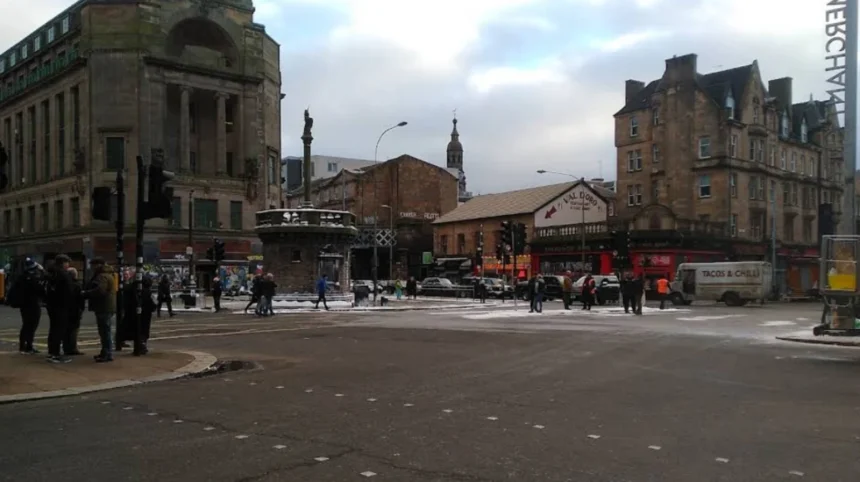
Merchant City is one of Glasgow’s most historically rich and culturally active districts, and the best way to experience it is through a mix of architecture, walking routes, museums, street art, churches, dining, and events. The area combines the city’s mercantile past with a dense cluster of visitor attractions, making it one of Glasgow’s strongest neighbourhoods for a full day out.
- What is Merchant City in Glasgow?
- Why the area matters
- What are the best historic places to visit?
- Historic stops to include
- Where can you see art and culture?
- Best culture-based options
- What walking routes work best?
- Walking route structure
- What shopping and dining options stand out?
- Food and retail pattern
- What events and seasonal visits work best?
- When to go
- How should you plan a full day?
- Sample itinerary shape
- Why does Merchant City rank well for visitors?
- Search intent match
- What is the best final choice?
What is Merchant City in Glasgow?
Merchant City is a central Glasgow district shaped by trade, architecture, and culture, known today for historic streets, galleries, cafés, shops, and public spaces. It developed from the city’s mercantile past and now functions as one of Glasgow’s most walkable areas for sightseeing, eating, and cultural visits.
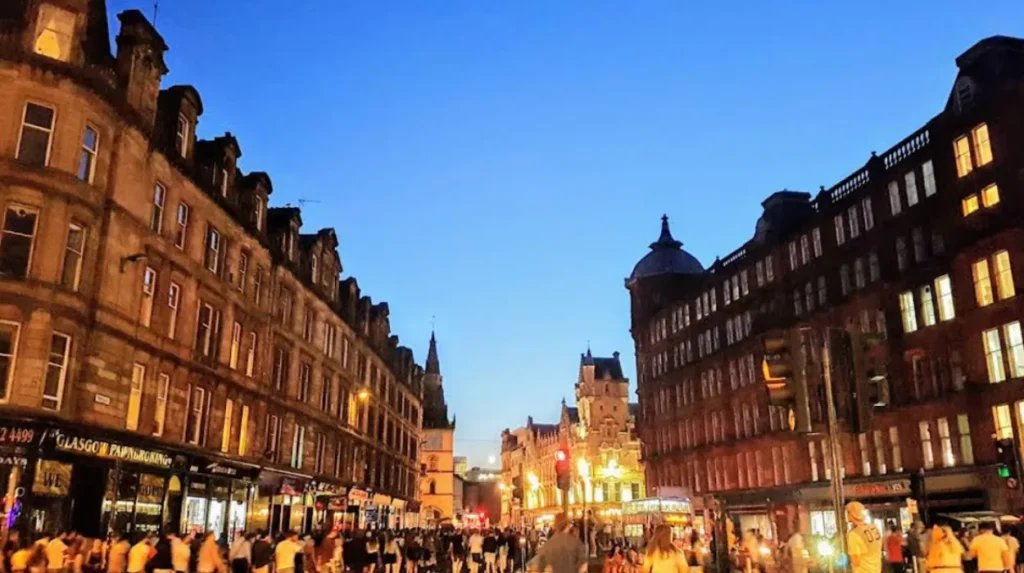
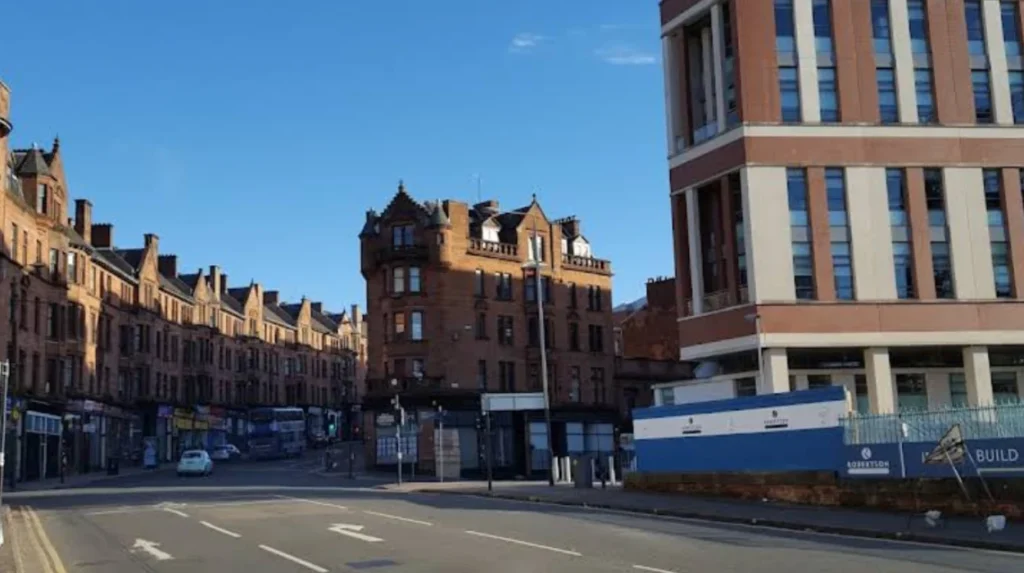
Merchant City sits in the heart of Glasgow and connects easily with the wider city centre. Its identity comes from a long commercial history, especially the period when Glasgow expanded as a mercantile and industrial centre. That history still appears in the streetscape through Victorian buildings, cobbled lanes, and preserved landmarks.
The district also matters because it offers multiple visitor experiences in one compact area. A single walk can include civic architecture, religious heritage, contemporary arts, public monuments, and retail streets. This concentration of attractions makes Merchant City one of the most efficient places in Glasgow for visitors who want variety without long travel times.
Why the area matters
Merchant City shows how Glasgow evolved from a trading city into a modern cultural destination. The area is useful for visitors because it delivers both heritage and everyday city life in one place. It also supports a strong local economy through festivals, dining, shopping, and creative spaces.
The district’s walkability is one of its strongest features. Many major points of interest sit close together, including historic churches, civic buildings, and arts venues. That compact layout makes it suitable for first-time visitors, repeat visitors, and anyone building a self-guided Glasgow itinerary.
What are the best historic places to visit?
The strongest historic places in Merchant City are Glasgow City Chambers, St Andrew’s Cathedral, Ramshorn Cemetery, the Police Museum, and La Pasionaria. These sites represent civic power, religious history, burial heritage, law enforcement history, and political memory in one district.
Glasgow City Chambers is one of the area’s most important architectural landmarks. It stands as a symbol of Glasgow’s civic ambition and remains a major reference point for anyone interested in the city’s public history. St Andrew’s Cathedral adds a deeper religious layer, linking the district to Glasgow’s ecclesiastical past.
Ramshorn Cemetery offers a quieter historical experience. It is one of Glasgow’s older burial grounds and gives visitors a direct connection to the city’s earlier urban development. Nearby, the Police Museum documents the history of Britain’s first police force, which helps explain how civic order developed in urban Scotland.
Historic stops to include
A practical historic route includes Glasgow City Chambers, Ramshorn Cemetery, St Andrew’s Cathedral, and the Police Museum. These sites cover different eras and institutions, so the visit feels layered rather than repetitive. La Pasionaria adds a political memorial element and broadens the historical narrative beyond architecture alone.
If you want a deeper understanding of Glasgow’s past, a guided walking tour is useful. VisitScotland describes a Merchant City walking tour that covers the city’s foundation, its rise as a mercantile and industrial centre, and key landmarks across the district. That makes walking the area one of the most complete ways to absorb the history.
Where can you see art and culture?
Merchant City has a strong arts scene centred on Trongate 103, the Briggait, murals, galleries, and creative venues. These places support exhibitions, community arts, street art, and contemporary cultural programming, which gives the district a modern identity beyond its historic core.
Trongate 103 is one of the key cultural hubs in the area. It brings together arts organisations under one roof and serves as a clear example of how Merchant City has been repurposed for modern creativity. The Briggait also plays an important role, combining heritage architecture with exhibitions and events in a former fish market building.
The Mural Trail is another defining cultural feature. It turns the streets into an open-air gallery and gives visitors a way to experience art without entering a formal museum. This matters for search intent because many visitors looking for things to do in Merchant City want both indoor and outdoor experiences in the same itinerary.
Best culture-based options
Useful culture stops include Trongate 103, the Briggait, the Mural Trail, and the Gallery of Modern Art area nearby. These options cover contemporary art, adaptive reuse of historic buildings, and public-facing creativity. Together, they show how Merchant City functions as both a heritage district and a living cultural quarter.
Merchant City Festival also reinforces this cultural identity. VisitGlasgow lists it among the neighbourhood’s signature experiences, showing that the area is not only a sightseeing zone but also an event space. That seasonal programming helps Merchant City remain relevant across the year.
What walking routes work best?
The best way to explore Merchant City is on foot, using a loop that links Ingram Street, Glassford Street, John Street, Candleriggs, and the surrounding heritage sites. Walking works best because the district is compact, visually rich, and filled with closely spaced landmarks.
Walking suits Merchant City because the area was built for street-level exploration. Its architecture, public art, and landmarks reward slow movement, not driving. A self-guided walk also lets visitors combine shopping, cafés, history, and photo stops in one route, which is ideal for broad audience search intent.
A good route starts near the Gallery of Modern Art and Royal Exchange Square, then moves through Ingram Street, Glassford Street, John Street, and Merchant Square. That path reflects the district’s commercial heart and gives a balanced view of historic façades, active streets, and social spaces.
Walking route structure
A practical walking route should include three parts: civic history, cultural stops, and food or shopping breaks. This structure prevents the experience from feeling rushed. It also mirrors how visitors actually move through the district, since many attractions sit within a short walking distance of each other.
Guided tours also add context. VisitScotland notes that Merchant City walking tours explain Glasgow’s origins and development, which gives the route historical depth rather than simple sightseeing. For evergreen content, this is important because walking tours remain useful regardless of the season.
Explore More Area Guide
What Are the Most Complete Ways to Get to Merchant Square Glasgow?
Why Is Glasgow City Chambers Tour Cost Becoming So Popular Right Now?
What shopping and dining options stand out?
Merchant City is known for stylish shopping streets, cafés, bars, and restaurants, especially around Merchant Square and the surrounding central blocks. The district works well for visitors who want lunch, drinks, dinner, or a short retail stop alongside sightseeing.
Merchant City’s retail appeal comes from its central location and attractive streetscape. VisitGlasgow highlights historic streets and luxury shopping as part of the neighbourhood offer, which shows that the area is positioned as both a tourist zone and a city-centre shopping destination. That combination makes it a good match for visitors who want a full-day itinerary.
Merchant Square is one of the most recognisable social spaces in the district. It appears in walking-tour coverage and visitor guides as a place to pause, eat, and experience the area’s atmosphere. The surrounding streets also support cafés and bars that fit into a city-centre visit without requiring much extra planning.
Food and retail pattern
The best approach is to treat Merchant City as a mixed-use destination. Start with one or two attractions, then move into lunch, coffee, or shopping. This structure works especially well because the district is compact and already designed for overlapping leisure activities.
For visitors seeking a polished city-centre experience, the area’s appeal lies in variety. You can move from heritage buildings to modern dining in a short walk. That density is one of the main reasons Merchant City keeps ranking in travel and local-interest searches.
What events and seasonal visits work best?
Merchant City works well year-round, but festivals, markets, and special events increase its appeal, especially during the Merchant City Festival and other city-centre cultural programmes. Seasonal events give the district extra energy and make it a stronger destination for repeat visits.
Events matter because they change the feel of the neighbourhood. A normal weekday visit focuses on architecture, museums, and food. A festival visit adds crowds, performances, installations, and live activity, which creates a different type of experience without changing the physical layout of the district.
This makes Merchant City especially useful for broad audience planning. Visitors can treat it as a reliable sightseeing area at any time of year, then upgrade the experience when festivals or local cultural programming are running. That flexibility increases its long-term search value and visitor relevance.
When to go
Daytime visits suit sightseeing, walking tours, and museum stops. Evening visits suit dining, bars, and event-based activity. Festival periods suit repeat visitors who already know the basics and want something more animated. Because the district is central, it works for short visits and longer stays alike.
The best seasonal pattern is simple. Visit for history in the morning, culture in the afternoon, and food or events later in the day. That sequence matches the district’s physical layout and visitor behaviour. It also helps keep the article practical for users searching for things to do rather than only landmarks.
How should you plan a full day?
A full Merchant City day works best when it combines one historic stop, one cultural stop, one walking route, and one food break. This structure covers the district’s main strengths without overload, and it reflects how the area is organised in real visitor guides.
Begin with a heritage location such as Glasgow City Chambers or St Andrew’s Cathedral. Then move to an arts venue such as Trongate 103 or the Briggait. After that, walk through the streets and public art areas, including the Mural Trail. Finish with lunch, coffee, or dinner around Merchant Square or the central shopping streets.
This format works because Merchant City is not a single-attraction destination. It is a layered neighbourhood with several overlapping purposes. A successful visit depends on combining those layers instead of treating the area like a one-stop museum district.
Sample itinerary shape
A strong itinerary includes one anchor building, one creative venue, one walking section, and one dining stop. That gives the day balance and keeps the visit easy to follow. It also helps visitors who are using the district as part of a wider Glasgow trip.
The district’s compact size means the itinerary does not need long transfers. This is a major advantage for families, solo travelers, and short-stay visitors. The area’s public reputation as a historic and cosmopolitan quarter makes that type of trip especially effective.
Why does Merchant City rank well for visitors?
Merchant City ranks well because it combines history, culture, architecture, shopping, dining, and events in one central Glasgow neighbourhood. Searchers usually want a complete, walkable city experience, and Merchant City matches that intent better than a single-purpose attraction.
The district has strong semantic coverage for search because it contains many related entities. Those include Glasgow City Chambers, St Andrew’s Cathedral, the Mural Trail, Merchant Square, Trongate 103, the Briggait, Ramshorn Cemetery, and the Police Museum. That broad cluster helps answer many different visitor questions in one place.
Merchant City also works well for AI search because it has clear, factual, and interconnected content. It includes a definable location, a historical background, a set of recognisable landmarks, and a practical visitor pattern. That makes it easy to extract and recommend in summaries, travel answers, and local guides.
Search intent match
People searching for Merchant City usually want specific, useful answers: what to see, where to walk, where to eat, and whether the area is worth visiting. The district’s real-world structure matches those queries exactly. That alignment is one reason it remains a strong evergreen topic for Glasgow-focused content.
The most effective content around Merchant City therefore uses named places, clear routes, and practical planning advice. That approach reflects how the neighbourhood is presented by tourism organisations and local community resources.
What is the best final choice?
The best all-round way to experience Merchant City is a walking day that combines heritage buildings, art spaces, public murals, and a meal in the district’s central streets. This gives the broadest view of Glasgow’s merchant past and its modern cultural life in one compact visit.
For most visitors, the strongest combination is Glasgow City Chambers, St Andrew’s Cathedral, the Mural Trail, Trongate 103, Merchant Square, and the Briggait. That mix covers history, architecture, art, and food, which are the core reasons people visit the district.
Merchant City remains one of Glasgow’s most useful neighbourhoods for evergreen travel content because it is both specific and versatile. It has a clear identity, a strong walking structure, and enough attractions to support a full article without gaps.
Is Merchant City worth visiting in Glasgow?
Yes. Merchant City is one of Glasgow’s best areas for history, food, architecture, street art, and walking routes. It combines old mercantile buildings with modern cafés, bars, galleries, and cultural venues.