Key Points
- Plans have been unearthed to convert Glasgow’s Sauchiehall Street into an international cultural center, which could well be the most radical change the street has seen in over 100 years.
- The plans are closely linked to the legacy and influence of the Glasgow School of Art, incorporating culture and heritage into the regeneration of the street.
- The project is part of larger multimillion-pound Avenues projects, heritage funding schemes, and redevelopment programs on the street.
- All stakeholders are working together to transform the streetscape, cope with high street changes, and renovate important architectural structures.
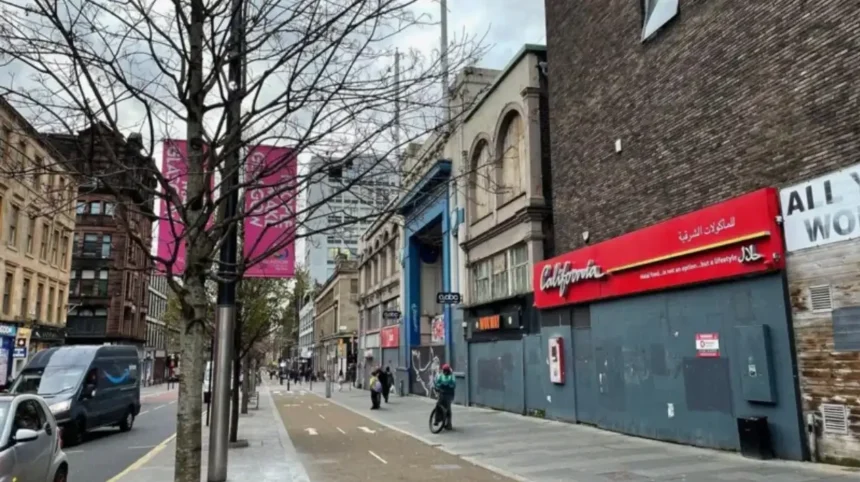
Glasgow (Glasgow Express) September 12, 2026 – Sauchiehall Street could be set for the biggest transformation in over a century as ambitious plans to turn the area into an international culture hub have been uncovered. As reported by Glasgow Live, the historic thoroughfare—which has faced significant challenges following high street store closures, devastating fires, and the economic fallout of the pandemic—is primed for a radical architectural and cultural renaissance.
What does the transformation of Sauchiehall Street involve?
The sweeping proposals leverage connections to the Glasgow School of Art and surrounding cultural institutions to reshape the identity of the district. According to ongoing regeneration blueprints, the vision is designed to put heritage and creativity at the focal point of local economic recovery. This follows years of coordinated efforts by Glasgow City Council, Glasgow Life, and community stakeholders under frameworks such as the Heritage Places programme and the wider “Golden Z” strategy, which aims to revitalise the core commercial center of Glasgow.
Explore More Local Glasgow News
Glasgow Cafe Rolly’s Closes Down (2026)
Flytippers Slammed Over Dumped Kittens in Easterhouse 2026
How are cultural partnerships shaping the district?
As part of the strategy to turn the corridor into an international culture hub, key architectural assets such as the McLellan Galleries are slated for phased developments to provide shared creative spaces. Cultural partners including the Glasgow Film Theatre, the Scottish Ensemble, and the Articulate Cultural Trust are positioned to utilize these flexible spaces, reinforcing the area’s historical status as a cornerstone of Scottish arts. Furthermore, public consultations have emphasized the restoration of notable local landmarks, including the historic Charles Cameron Memorial Fountain—often locally referred to as the “Wonky Fountain”—alongside targeted shop-front improvements and public realm greening.
What physical changes are happening to the streetscape?
The broader transformation incorporates heavy physical engineering via the ongoing Avenues project funded by the Scottish and UK Governments through the Glasgow City Region City Deal. This includes multi-million-pound streetscaping upgrades featuring rain gardens, dozens of new street trees, improved lighting, and enhanced accessibility for pedestrians and cyclists stretching across Cambridge Street and core sections of Sauchiehall Street. Additionally, major private investments—such as proposals for the former Marks & Spencer site—complement public sector efforts by introducing high-density student accommodation, restored Art Deco facades, and the reinstatement of historical arcades like the Wellington Arcade to boost footfall.
Background of the development
Sauchiehall Street derives its name from the old Scots words for a willow meadow or valley, having evolved from former moorland in the 1800s into one of Glasgow’s most famous commercial and cultural avenues. Over the decades, it grew renowned for its vibrant mix of tenement housing, major department stores like Trerons, and entertainment venues.
However, the late 20th and early 21st centuries brought severe economic headwinds. The street suffered profound blows from successive major fires—most notably affecting the iconic Glasgow School of Art buildings—alongside structural shifts in retail, high-profile store closures, and pandemic-related disruptions. In response to a declining retail footprint, local authorities and heritage bodies initiated long-term strategic plans, such as the Golden Z report and designation as a specialized Culture and Heritage District, to transition the thoroughfare away from traditional retail dependency and toward a mixed-use, culture-led economy.
how this development can affect the local audience
The ongoing and planned transformations are expected to fundamentally alter the daily environment for residents, local business owners, students, and visitors who frequent Sauchiehall Street. For local businesses and retailers, the influx of pedestrian-focused infrastructure, increased greening, and high-density student residential developments should gradually drive higher daily footfall and create a more resilient local economy.
At the same time, residents and community groups stand to benefit from a cleaner, safer public realm, enhanced active travel routes for walking and cycling, and the restoration of civic heritage assets. While construction phases have historically caused temporary disruption and altered traffic patterns, the long-term realization of a dedicated culture and heritage district is projected to foster civic pride, reactivate vacant properties, and cement Sauchiehall Street’s position as a vibrant focal point for Glasgow’s creative community.