Key Points
- Shereen Lafferty, a 37-year-old mother-of-one from Glasgow, suffered a stroke in her sleep while on a weekend holiday in Faro, Portugal, with her husband, Robert.
- The incident occurred on Sunday, September 20, leaving Mrs. Lafferty unable to speak and with her right side paralyzed upon waking.
- She spent approximately five days in an intensive care unit at a hospital in Faro, where her medical condition has since shown signs of improvement.
- While Mrs. Lafferty has managed to take a few steps, she remains unable to talk and lacks access to English-language speech therapy in Portugal.
- The family is currently facing logistical and communication challenges as they navigate her ongoing medical care abroad following the sudden health emergency, which took place just months after her wedding in March.
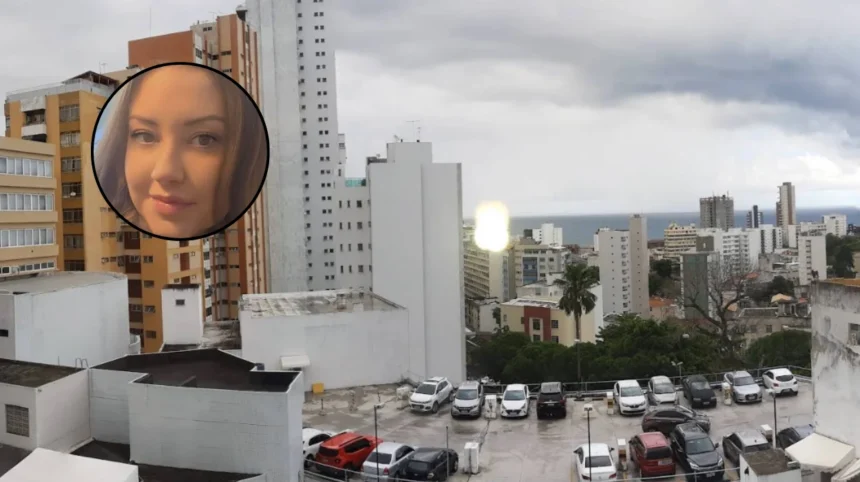
Glasgow (Glasgow Express) September 26, 2026 – A newly-wed mother from Glasgow has found herself stranded in a Portuguese hospital after experiencing a severe medical emergency overseas. Shereen Lafferty, aged 37, suffered a stroke while sleeping during a weekend getaway in the coastal city of Faro, situated in the Algarve region of southern Portugal.
The medical event came as a profound shock to her family, particularly given her young age. As described by her sister-in-law, Apryll, aged 32, the sudden nature of the stroke has left the family devastated. As stated by Apryll,
“She’s only 37 – you don’t expect things like this to happen at that age.”
Mrs. Lafferty had travelled to Portugal alongside her husband, Robert Lafferty, aged 36, with whom she tied the knot earlier this year in March. The weekend trip, intended as a brief holiday for the couple, took a drastic turn on Sunday, September 20, when Mrs. Lafferty woke up unable to speak and discovered that the entire right side of her body was paralyzed.
What is Mrs. Lafferty’s Current Medical Condition?
Following the sudden onset of symptoms, Mrs. Lafferty was rushed to a local medical facility in Faro for urgent treatment. She subsequently spent approximately five days receiving intensive medical observation and care within the hospital’s intensive care unit.
According to updates provided by her family, her physical condition has shown gradual improvement since the initial emergency. Apryll reported that Mrs. Lafferty has managed to take a few assisted steps within the ward.
However, significant hurdles remain regarding her recovery and rehabilitation process. Mrs. Lafferty remains entirely unable to speak. Furthermore, her family has highlighted a pressing language barrier issue, noting that she cannot receive appropriate speech and language therapy in English while remaining treated within the Portuguese healthcare system. The inability to communicate effectively with medical specialists has added considerable strain to the family as they assess the next steps for her repatriation and ongoing recovery.
Background of the Particular Development
Medical emergencies experienced by British citizens travelling abroad often bring complex logistical challenges, particularly when specialised care or language-specific rehabilitation is required. Sudden cerebrovascular events, commonly known as strokes, can occur without warning across any age demographic, though they are statistically less common in individuals under the age of 40. When such incidents happen outside the United Kingdom, patients rely on local emergency services and intensive care infrastructure before coordinating with insurance providers or consular services for repatriation. The availability of English-language therapy in foreign hospitals depends heavily on the specific medical facility and region, frequently prompting families to seek the return of the patient to NHS care as soon as doctors deem them fit for travel.
Prediction
How Could This Development Affect British Travellers and Families Abroad?
This incident highlights the critical importance of comprehensive travel insurance and understanding healthcare provisions when holidaying within Europe. For families across the United Kingdom, stories involving medical crises abroad serve as a stark reminder of how quickly routine leisure trips can transform into complex medical and financial undertakings. The case underscores potential barriers related to language discrepancies in foreign hospitals, particularly during critical rehabilitative phases like speech therapy. Consequently, this development may encourage increased public awareness regarding the necessity of checking European Health Insurance Card (EHIC) or Global Health Insurance Card (GHIC) validity, alongside securing robust private travel insurance policies that cover emergency medical repatriation and family accommodation abroad in the event of unforeseen health emergencies.