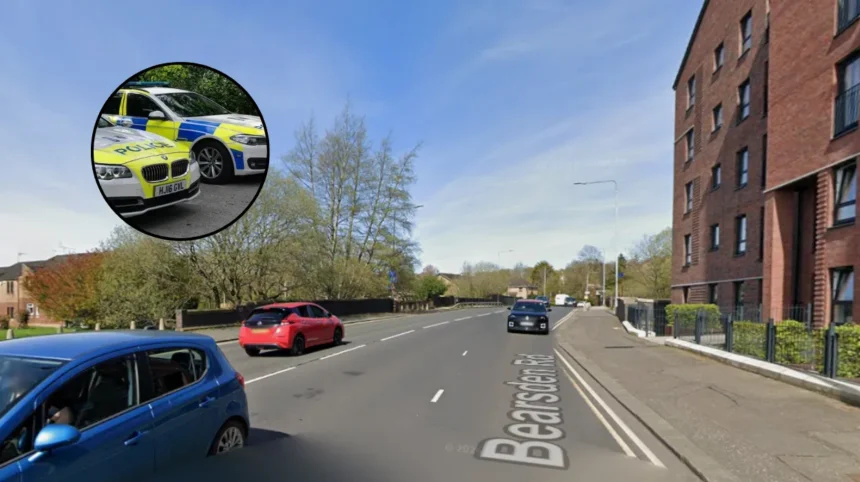
Key Points
- A woman has been officially banned from driving following a severe road traffic collision in Bearsden.
- The incident resulted in two individuals sustaining serious injuries.
- Law enforcement agencies, including Police Scotland, investigated the crash thoroughly to establish accountability.
- The case highlights ongoing concerns regarding road safety standards and driver responsibility within East Dunartonshire.
Bearsden (Glasgow Express) September 26, 2026 — A woman who caused serious injury during a collision has been banned from the roads following a legal proceedings update confirmed by local authorities and regional media reporting.
Why Was the Woman Banned From Driving After the Bearsden Collision?
As reported by Chief Reporter Tristan Stewart-Robertson of the Glasgow Times, Police Scotland officials confirmed that a woman was handed a driving disqualification after her involvement in a serious crash in Bearsden that left two people seriously injured. The collision, which triggered an emergency response and subsequent police enquiries, underlined the severe real-world consequences of driving infractions on local infrastructure. Details regarding the exact mechanics of the crash and the identities of those involved were documented closely by investigators to ensure legal accountability.
What Are the Details of the Injuries Sustained in the Incident?
As outlined by Tristan Stewart-Robertson of the Glasgow Times, the collision resulted in two people suffering severe injuries that required urgent medical intervention. Emergency services rushed to the scene following reports of the crash, providing immediate pre-hospital care before transporting the casualties to a medical facility. The severity of the injuries sustained by the two victims heavily influenced the legal outcome and the subsequent decision by the judiciary to impose an immediate road ban on the female driver.
Background of the Particular Development
Road traffic incidents and subsequent driving bans form a vital component of public safety administration across Scotland. In recent years, local authorities in East Dunartonshire and greater Glasgow have faced mounting pressure from residents and community groups to address speeding, reckless driving, and infrastructure safety. Legal frameworks such as the Road Traffic Act empower courts to strip negligent or careless motorists of their driving privileges, particularly when incidents result in severe physical harm. Developments like this latest ruling in Bearsden reflect the ongoing judicial and law enforcement commitment to enforcing strict road discipline and protecting vulnerable road users, pedestrians, and fellow motorists alike.
Prediction
This legal development is likely to have a direct psychological and practical effect on motorists, local residents, and road safety campaigners in Bearsden and the wider East Dunartonshire region. For everyday drivers, high-profile reports of driving bans following serious injuries serve as a stern reminder of the legal and personal liabilities tied to vehicle operation. It may encourage greater vigilance, adherence to speed limits, and defensive driving practices across the community. Furthermore, local advocacy groups and politicians tracking regional safety trends may leverage this case to lobby for enhanced traffic-calming measures, improved signage, and stricter police enforcement along local routes prone to collisions, ultimately shaping a more cautious driving culture in the area.