Valentine’s Day dining optimization requires precision, consumer psychology data analysis, and structural booking mechanics. Navigating the commercial food and beverage ecosystem on February 14 exposes patrons to demand spikes and inventory deficits. Cultivating a premium experience hinges on mitigating supply chain stresses, leveraging digital reservation platforms, and executing counter-cyclical scheduling. This data-backed blueprint establishes precise methodologies for securing premium culinary experiences within the Glasgow metropolitan market.
- What is the economic reality of Valentine’s Day dining in Glasgow?
- How does the geographic distribution of Glasgow dining hubs impact romance?
- Which specific booking mechanisms guarantee premium table placement?
- What are the most innovative alternative formats to classic February 14 dinners?
- Chronological Shifting via High-Tier Lunches
- The Intimate Chef’s Table and Tasting Counter
- Integrated Multi-Sensory Wellness Packages
- How do Michelin-recognized menus in Glasgow compare on Valentine’s Day?
- What specific culinary profiles maximize intimate shared experiences?
- How can diners protect themselves against common booking pitfalls?
- Surcharge and Premium Disclosures
- Cancellation Windows and Attrition Policies
- Dietary Accommodations and Substitution Rules
- What is the long-term future of holiday dining in the Glasgow market?
What is the economic reality of Valentine’s Day dining in Glasgow?
The economic reality of Valentine’s Day dining in Glasgow centers on an intense supply-demand imbalance where booking volumes surge by over 300 percent, shifting market leverage directly to operators who implement fixed pricing mechanisms and restrictive cancellation policies.
The microeconomics of Valentine’s Day create a distinct operational paradigm for the hospitality sector. The primary driver is a compression of consumer utility into a single six-hour window, spanning 17:00 to 23:00 on February 14.
Data from consumer expenditure surveys indicate that consumer spending within the United Kingdom restaurant sector increases by an average of 42 percent during the week of Valentine’s Day relative to standard calendar weeks. This surge causes widespread inventory exhaustion across premium vectors, including Michelin-starred venues and boutique bistros.
To insulate operational margins against guest cancellations, hospitality groups implement structural safeguards. Two primary mechanisms define this protective protocol:
- Pre-authorization and Deposits: Operators require non-refundable deposits or credit card pre-authorizations ranging from £10 to £50 per individual attendee.
- Prix Fixe Menus: Kitchen management replaces standard à la carte options with multi-course set menus. This standardizes ingredient procurement, minimizes kitchen waste, and optimizes table turnover speed.
The fixed pricing premium routinely elevates the average cost per consumer by 20 to 35 percent compared to standard weekend operating conditions. Understanding this baseline economic structure allows consumers to systematically execute strategic dining alternatives that mitigate these cost premiums.
How does the geographic distribution of Glasgow dining hubs impact romance?
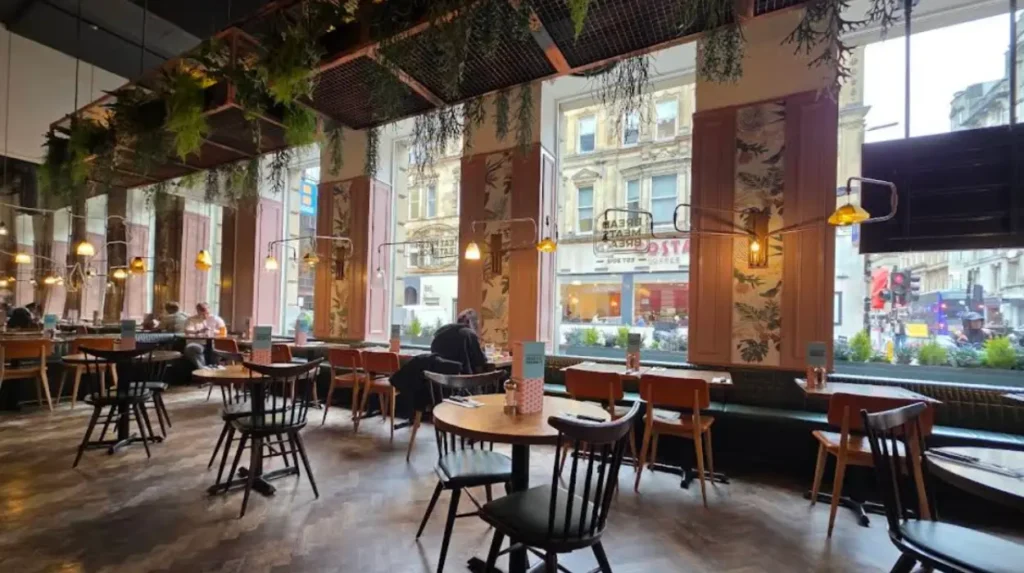
The geographic distribution of Glasgow dining hubs dictates the environmental atmosphere, pedestrian accessibility, and demographic profile of a romantic experience, split between the historic architecture of the Merchant City and the botanical settings of the West End.
Atmospheric dynamics are tied directly to the urban landscape of specific municipal zones. Glasgow features two distinct commercial dining epicenters that maintain highly differentiated structural aesthetics:
The West End Corridor
The West End ecosystem, radiating across Hillhead, Kelvingrove, and Finnieston, leverages historic red sandstone tenement infrastructure and bohemian design principles. Venues like the Ubiquitous Chip on Ashton Lane incorporate internal arboretums, vertical water features, and cobblestone access points.
Finnieston operates as the high-gastronomy corridor of the city, driven by concentrated clusters of critically acclaimed operations. This zone relies heavily on close proximity to Kelvingrove Park and the University of Glasgow architectural footprint, yielding a highly stylized, intimate pedestrian dynamic.
The Merchant City Nucleus
The Merchant City district, focused around Albion Street, Miller Street, and John Street, delivers a contrasting neoclassical visual profile. Utilizing retrofitted 18th-century tobacco exchanges and civic warehouses, these venues present high ceilings, exposed brickwork, and mid-century modern design elements.
Establishments within this footprint, such as Ralph & Finns and Margo, utilize expansive spatial planning and low-frequency architectural lighting to construct a private urban experience. The wide thoroughfares and structured grids of the Merchant City reduce pedestrian congestion compared to narrow West End corridors, modifying the psychological perception of exclusivity and calm.
Explore More Area Guide
What Are The Most Ultimate Ways To Get From Paisley To Glasgow
Sanctuary Scotland Receives Approval For 46 New Glasgow Social Housing Homes
Which specific booking mechanisms guarantee premium table placement?
Securing premium table placement requires bypassing automated consumer booking queues by utilizing high-tier digital reservations systems exactly 30 days prior, combined with direct telephonic outreach to the front-of-house coordinator to log specific architectural zone preferences.
The digital reservation infrastructure of the modern restaurant industry relies on algorithmically driven table assignment engines. Platforms like OpenTable, Resy, and SevenRooms automatically distribute reservations based on mathematical space optimization models, ignoring specific layout properties. To secure premium real estate—such as corner banquettes, window alcoves, or direct open-kitchen counters—consumers must execute an active intervention strategy.
The optimal timeline begins exactly 30 calendar days before February 14, which marks the opening of standard rolling reservation windows. High-value transactions should follow a two-step execution pattern:
- Digital Anchor: File an automated reservation at midnight on the day inventory goes live to lock down the raw time slot.
- Direct Directives: Initiate a voice telephone call to the venue’s front-of-house management team at 10:00 GMT.
Communicating directly with the receptionist allows patrons to log specific architectural preferences into the internal customer relationship management system. Requesting specific seats, such as a “corner booth detached from main thoroughfares,” overrides default algorithmic scheduling and prioritizes the request during the floor-plan mapping process on the afternoon of February 14.
What are the most innovative alternative formats to classic February 14 dinners?
The most innovative alternative formats to standard February 14 dinners include daytime multi-course lunches, private interactive chef’s tables, and curated multi-sensory spa dining packages that completely circumvent night-time premium surcharges and service bottle-necks.
Consumer saturation on the evening of February 14 compromises service delivery speed and kitchen focus. Progressive strategies rely on alternative timelines and structural formats that preserve culinary quality while bypassing traditional operational friction points. Three proven frameworks offer superior alternatives:
Chronological Shifting via High-Tier Lunches
Shifting the romantic dining window from evening to afternoon resolves the inventory constraints of peak Valentine’s Day demand. Elite Michelin-recommended operations maintain identical ingredient sourcing pipelines for both lunch and dinner services.
Booking a multi-course mid-day menu offers access to identical elite execution formats at a 30 to 50 percent lower cost per person. The lower guest volume during daytime operational windows ensures maximum front-of-house attentiveness and minimized acoustic distraction.
The Intimate Chef’s Table and Tasting Counter
Opting for communal or semi-private tasting menus inside dedicated culinary labs provides an immersive, intellectually engaging alternative to conventional tables for two. Establishments like Fallachan Kitchen, located in a converted railway arch in Kelvinhaugh, limit seating to small groups clustered around an open finish-station.
This layout frames the meal as live performance art, shifting focus from artificial romantic tropes to tangible gastronomic craftsmanship. The structured cadence of a multi-course tasting menu ensures zero downtime between courses, neutralizing potential service lags.
Integrated Multi-Sensory Wellness Packages
Melding luxury wellness with culinary art creates a comprehensive, multi-hour experience. The Gin Spa in the Merchant City provides specialized packages that pair targeted physical therapy sessions with full afternoon tea services and premium beverage flights.
This model blends therapeutic relaxation with dining, providing a holistic sensory experience that outperforms standard, single-tier evening dinner reservations.
How do Michelin-recognized menus in Glasgow compare on Valentine’s Day?
Michelin-recognized menus in Glasgow differ fundamentally on Valentine’s Day, split between hyper-local modern Scottish unexpected tasting formats at Cail Bruich and globally influenced contemporary cooking at Unalome by Graeme Cheevers.
Glasgow’s high-gastronomy ecosystem features premier establishments recognized by the Michelin Guide. Evaluating these venues during high-demand events requires analyzing their sourcing methodologies, execution mechanics, and interior acoustics.
Cail Bruich (West End)
Cail Bruich operates under the culinary direction of Chef Lorna McNee, holding a prestigious Michelin star. The culinary framework focuses on hyper-local, seasonal Scottish ingredients, processing wild-caught marine life and native flora through classic French techniques.
On Valentine’s Day, the kitchen deploys a surprise multi-course tasting menu that highlights pristine regional ingredients, such as Isle of Skye langoustines and West Coast scallops. The interior design features minimalist organic textures, low acoustic resonance, and clear sightlines, cultivating an elegant and intellectual atmosphere.
Unalome by Graeme Cheevers (Finnieston)
Unalome leverages modern European cooking philosophies layered with distinct Japanese components. The kitchen prioritizes precise flavor extractions and rich reductions, pairing native Scottish proteins like Aberdeenshire beef with umami-rich accents.
The physical environment offers a close-proximity, classic fine-dining layout with warm lighting and comfortable banquette seating. This setup is optimized for extended tasting sessions, offering a high-energy contrast to the more reserved ambiance of the West End.
What specific culinary profiles maximize intimate shared experiences?
Culinary profiles that maximize intimate shared experiences feature interactive sharing menus centered on large-format prime meats or custom multi-course tasting formats where complex flavor profiles drive active engagement.
The psychological dimension of dining confirms that collective food consumption heightens interpersonal bonding. Shared plates and interactive courses break down the rigid boundaries of conventional individual plating. Two clear culinary styles excel at this approach:
Large-Format Prime Steakhouses
Establishments that focus on dry-aged, large-format meats—such as Porter & Rye or Gōst—utilize premium beef cuts like 500-gram Chateaubriand or 1.2-kilogram Tomahawks served on central carving blocks.
The sharing aspect requires active participation from both diners as they select complementary sauces, such as black truffle and chive butters, and choose custom sides. This shared interaction transforms dinner from passive fuel intake into an active, collaborative ritual.
Curated Concept Tasting Menus
The structured concept approach pioneered by operators like Six by Nico rotates fixed six-course tasting menus built around specific cultural or geographical themes every six weeks.
On Valentine’s Day, this model presents highly conceptual, conversation-starting plates that encourage analysis of each flavor profile. The rapid, highly synchronized service structure keeps the evening’s narrative engaging, ensuring a steady, lively pace throughout the date.
How can diners protect themselves against common booking pitfalls?
Diners protect themselves against booking pitfalls by reviewing hidden supplemental fees, confirming strict cancellation deadlines to avoid automated penalties, and checking ingredient substitutions at least 48 hours in advance.
The operational pressure of Valentine’s Day frequently results in administrative friction, billing surprises, and menu misunderstandings. To shield yourself from logistical stress, add a systematic verification step to your planning workflow.
Surcharge and Premium Disclosures
prix fixe menus frequently omit mandatory service charges, variable local booking fees, or costly luxury ingredient supplements, such as optional shaved Perigord truffles or caviar pairings.
When validating a booking confirmation, always review the fine print for hidden add-ons. Confirming total baseline fees prior to arrival protects the financial clarity of the encounter and prevents awkward bill discussions at the end of the evening.
Cancellation Windows and Attrition Policies
Because restaurant margins depend heavily on full capacity during Valentine’s Day, cancellation windows compress from the standard 24 hours down to 72 hours or even a full week before the event.
Missing these deadlines can trigger automated credit card charges for the full value of the set menu. Logging these deadlines in your calendar ensures you retain complete control over your schedule and can adapt to unexpected changes without financial penalty.
Dietary Accommodations and Substitution Rules
High-volume set menus limit a kitchen’s ability to improvise on the line. Standard modifications for allergies or dietary lifestyles, including vegan or gluten-free requests, must be formally cleared through the kitchen management team well ahead of time.
Critical Operational Protocol: Submitting dietary parameters at least 48 hours prior to arrival prevents service breakdowns, eliminates awkward delays at the table, and ensures an elegant, uninterrupted dining experience.
What is the long-term future of holiday dining in the Glasgow market?
The future of holiday dining in Glasgow depends on integrated tech reservation models, automated dynamic surge pricing, and highly personalized customer profiles that tailor menus directly to individual biometric and historical preferences.
The operational structure of Glasgow’s premium hospitality industry continues to evolve rapidly through technical integration and shifting consumer demographics. Over the next decade, traditional phone reservations and universal menus will give way to highly responsive digital systems.
Data tracking within modern reservation engines allows hospitality groups to collect precise historical dining records. Future platforms will automatically cross-reference past wine orders, baseline acoustic comfort levels, and preferred pacing metrics to dynamically calibrate your table environment before you arrive.
Furthermore, the introduction of airline-style dynamic pricing models means peak slots, like 20:00 on February 14, will command premium rates, while off-peak slots will drop in price. This structural shift rewards forward-thinking consumers who understand how to navigate digital booking systems to maximize their value and overall experience.
Why is Valentine’s Day dining more expensive in Glasgow?
Valentine’s Day creates high demand for restaurant reservations, leading many venues to introduce set menus, deposits, and premium pricing that can increase dining costs by 20–35%.