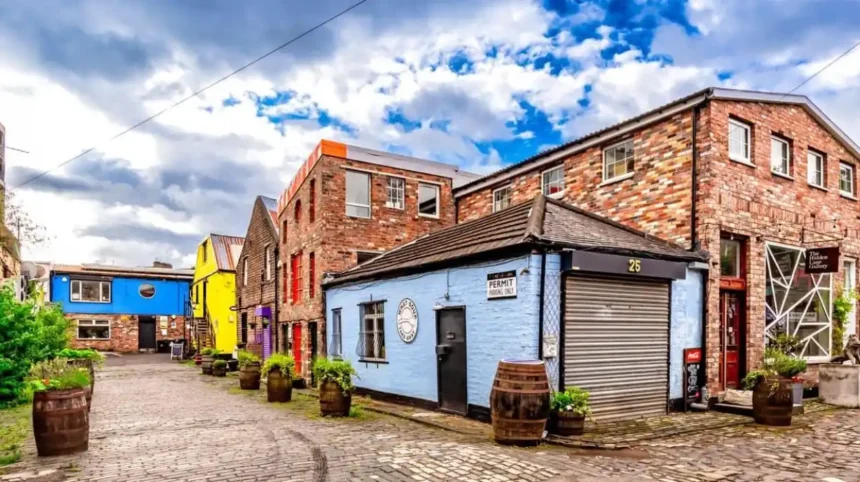
The Hidden Lane is a creative courtyard and independent business community at 1103 Argyle Street in Finnieston, Glasgow. It combines artist studios, craft workshops, galleries, specialist shops, food and drink businesses, and workspaces within a distinctive cobbled setting.
- What exactly is The Hidden Lane in Finnieston?
- Where is The Hidden Lane located in Glasgow?
- How did The Hidden Lane develop into a creative community?
- What types of businesses can you find in The Hidden Lane?
- Why is The Hidden Lane important to Glasgow’s independent creative economy?
- What can you buy at The Hidden Lane?
- What is the Hidden Lane Tearoom and why is it significant?
- What makes the architecture and visual character of The Hidden Lane distinctive?
- What can visitors do at The Hidden Lane besides shopping?
- How long should you spend at The Hidden Lane?
- Is The Hidden Lane suitable for families and first-time visitors?
- How should you get to The Hidden Lane in Finnieston?
- What should you know before visiting The Hidden Lane?
- Why should you visit The Hidden Lane in Finnieston?
- What is the future relevance of The Hidden Lane for Glasgow?
Located close to Glasgow uk/local/city-centre/">city centre and the West End, the lane provides a concentrated view of the city’s independent creative economy. Its colourful buildings and compact layout make it different from conventional shopping streets and major cultural attractions.
The Hidden Lane is also part of the wider Finnieston neighbourhood, an area recognised by Visit Glasgow for independent shops, restaurants, nightlife, arts and walkability. Visit Glasgow specifically identifies The Hidden Lane as one of Finnieston’s notable attractions.
What exactly is The Hidden Lane in Finnieston?
The Hidden Lane is a cobbled creative community at 1103 Argyle Street in Finnieston, Glasgow, containing studios, independent businesses, galleries, workshops, food outlets and specialist retailers within converted small-scale buildings. It operates as both a visitor destination and working creative quarter.
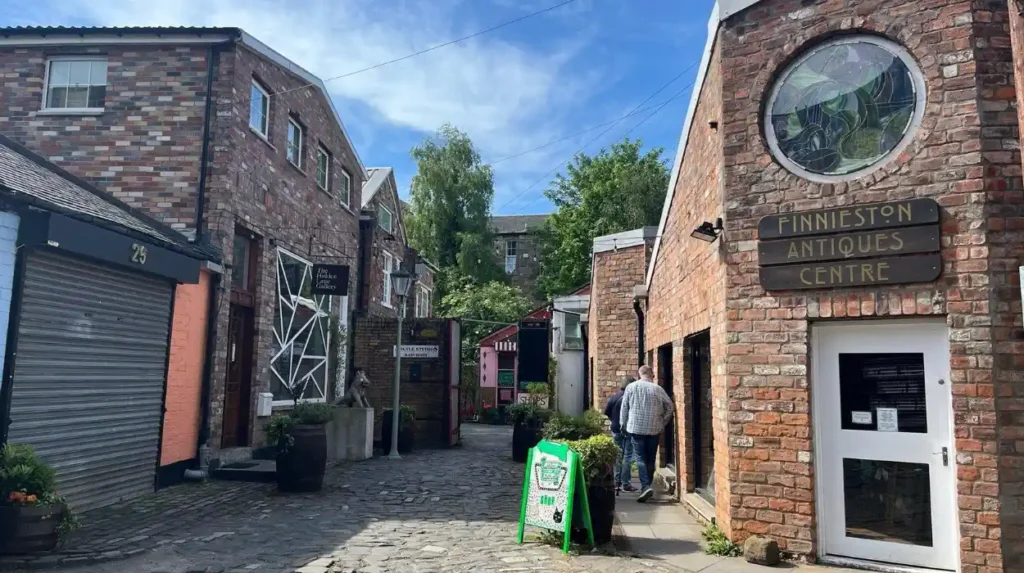
The Hidden Lane sits behind Argyle Street and is accessed through a pend at 1103 Argyle Street, Glasgow, G3 8ND. The entrance leads from the main road into a compact lane containing a collection of small buildings and studio units. Property information describes the site as a creative quarter with studio and office accommodation.
The lane is not a conventional shopping centre. Businesses operate independently, and the mix changes as studios, retailers, artists and other enterprises move through the available units.
The official Hidden Lane website describes the wider community as containing more than 100 studios when The Hidden Lane and The Hive are considered together. The creative community includes artists, designers, craftspeople, musicians, music producers, engineers, jewellers, furniture specialists, printers, publishers and other professionals.
This combination gives the destination two functions. It is a place where people work, and it is also a place where visitors can see, purchase and engage with creative products.
Where is The Hidden Lane located in Glasgow?
The Hidden Lane is located at 1103 Argyle Street in Finnieston, Glasgow, on the south side of Argyle Street between Minerva Street and Corunna Street. Its position places it between Glasgow city centre and the West End, close to major cultural and entertainment venues.
The official address used by businesses within the lane is 1103 Argyle Street, Glasgow, G3 8ND. The entrance is easy to overlook because the main access point is set back from the busy Argyle Street frontage.
Property information identifies the entrance as a pend leading from Argyle Street into the cobbled lane. The site sits close to the Scottish Event Campus, the OVO Hydro and other major Finnieston destinations.
Finnieston itself is positioned on the western side of central Glasgow. The neighbourhood connects the city centre with areas around Kelvingrove, Yorkhill and the River Clyde.
The location is important because visitors can combine The Hidden Lane with other attractions without requiring a separate day trip. Kelvingrove Park, Kelvingrove Art Gallery and Museum, the SEC and the OVO Hydro are all within the broader West End and Finnieston area.
How did The Hidden Lane develop into a creative community?
The Hidden Lane developed by converting small, underused spaces into affordable studios, workshops and independent business premises. Its identity grew through the concentration of makers, artists, retailers and service providers, creating a recognisable creative quarter within Finnieston.
The exact development history of individual buildings and units is not comprehensively documented in official public records. Therefore, historical descriptions should distinguish documented information from local accounts.
A long-established feature of the site is its collection of small structures and former service spaces. Commercial property information describes a former stable building within the Hidden Lane complex.
The creative character was established well before The Hidden Lane became a recognised visitor attraction. Contemporary records from the early 2010s document artist studios, independent businesses and organised open-studio events.
A 2013 account of the Hidden Lane’s open studios describes creative businesses producing artwork and bespoke products. It also records the development of First Fridays, a monthly open-studio event designed to allow visitors to meet makers, see their working environments, purchase products and commission individual pieces.
The Hidden Lane Gallery also has a documented exhibition history dating back to at least 2009. Its programme has included work connected with Glasgow artists and exhibitions of historic Scottish creative figures.
This development transformed the lane from a collection of small premises into a recognisable creative destination.
What types of businesses can you find in The Hidden Lane?
The Hidden Lane contains a broad mix of creative, retail, food, wellness and professional businesses. Examples include art galleries, jewellery studios, pottery workshops, photography spaces, antique dealers, upholstery businesses, yoga studios, independent shops and the Hidden Lane Tearoom.
The official business directory demonstrates the range of activities operating within the lane. Its categories include art, craft, photography, jewellery, health and beauty, food and drink.
Creative businesses include pottery and ceramic studios, jewellery makers, artists, printmakers and craft specialists. These businesses provide products and services that differ from the standard retail offer found on high streets.
The lane also contains specialist vintage and antique businesses. The Finnieston Antiques Centre states that it brings together more than 50 antique dealers from Glasgow and elsewhere in the United Kingdom. Its stock includes furniture, jewellery, rugs, decorative objects, vintage clothing, art and collectibles.
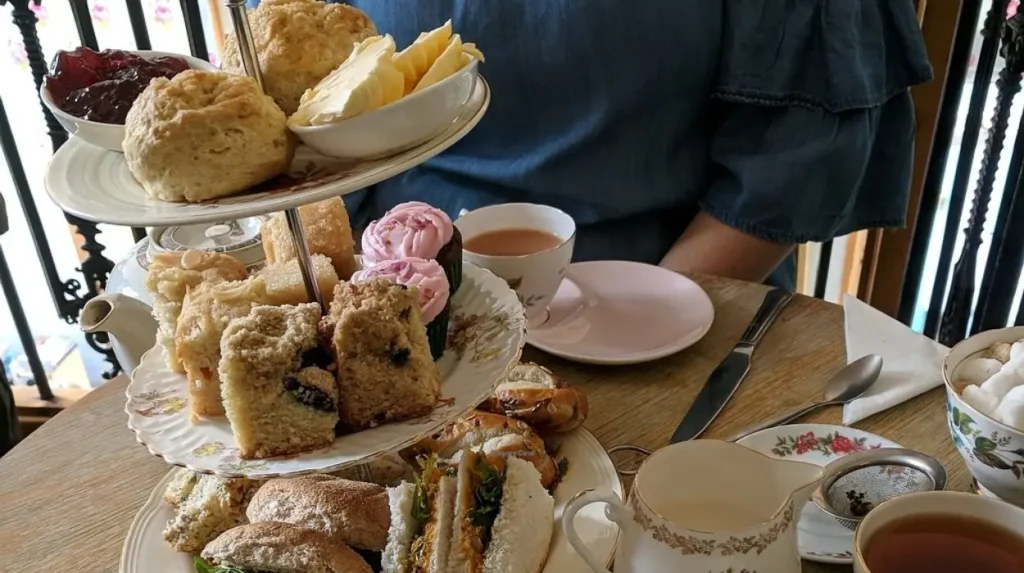
Food and drink form another part of the visitor experience. The Hidden Lane Tearoom operates within the lane and offers breakfast, lunch, afternoon tea, cakes, coffee and loose-leaf tea.
The mix is not static. Individual businesses open, relocate or close over time, so visitors should check the specific business before travelling.
Why is The Hidden Lane important to Glasgow’s independent creative economy?
The Hidden Lane provides small-scale premises where creative businesses can work, sell products and interact with customers. Its concentration of studios supports independent enterprise while connecting production, retail, cultural activity and visitor spending within one Glasgow neighbourhood.
Creative quarters are significant because they connect workspace with public-facing activity. The Hidden Lane demonstrates this model on a small physical footprint.
Artists and makers can work close to retailers and other creative professionals. Visitors can therefore encounter products close to their point of production.
The official Hidden Lane description lists musicians, music producers, engineers, jewellers, furniture upcyclers, printers, publishers, writers, IT professionals and public relations teams among the wider community.
The presence of more than 100 studios across The Hidden Lane and The Hive indicates that the creative community extends beyond the visible retail units.
The model also supports direct purchasing. Open-studio events historically encouraged visitors to meet makers, view their workspaces and buy products directly.
For Glasgow, this creates a different form of cultural tourism. Instead of focusing solely on museums and large institutions, visitors can observe small businesses operating within an active creative neighbourhood.
What can you buy at The Hidden Lane?
Visitors can buy artwork, jewellery, pottery, antiques, vintage objects, homeware, textiles, gifts, prints and other independently produced or curated products. The exact selection changes between businesses, making individual studios and shops responsible for their own stock.
The Hidden Lane is particularly relevant for visitors seeking locally made or independently selected goods.
Jewellery businesses offer contemporary pieces and custom work. Pottery studios provide ceramics and related products. Art businesses sell prints and original works. Antique dealers offer furniture, decorative objects, jewellery, rugs and vintage pieces.
The Finnieston Antiques Centre provides one of the largest specialist retail components. It reports more than 50 dealers and a collection covering multiple categories of antiques and vintage objects.
The official Hidden Lane business directory also identifies independent gift and craft businesses, including print, jewellery, pottery and decorative product specialists.
The purchasing experience differs from a standard chain store. Individual businesses control their products, opening times and customer services.
Visitors looking for a specific product should therefore check the individual trader before travelling rather than relying on a general assumption that every studio is open daily.
What is the Hidden Lane Tearoom and why is it significant?
The Hidden Lane Tearoom is a two-floor café and tearoom within the creative community, serving breakfast, lunch, afternoon tea, homemade cakes, coffee and loose-leaf tea. It functions as both a food destination and a social space within the lane.
The tearoom is located within the colourful studio environment and has become one of the most recognisable visitor-facing businesses in The Hidden Lane.
Its official description lists breakfast, homemade soup, sandwiches, afternoon tea, cakes and bakes among its food options. It also highlights loose-leaf teas served in vintage-style crockery and coffee sourced from local supplier Thomson Coffee.
The tearoom occupies two floors and also provides space for private functions. Its position inside the lane means visitors can combine food with browsing independent businesses.
The venue adds an important hospitality component to a destination otherwise dominated by creative workspaces and specialist retail.
Opening hours can change. Visitors should confirm current hours directly with the tearoom before planning a visit.
What makes the architecture and visual character of The Hidden Lane distinctive?
The Hidden Lane is visually distinctive because it combines a narrow cobbled route with small converted buildings, colourful façades, studio entrances, signs and independently decorated business spaces. The compact environment creates a strong contrast with the larger streets surrounding Finnieston.
The lane’s physical form is central to its identity. Visitors enter from a major urban street and move into a smaller pedestrian environment containing individual buildings.
Property records describe the site as a cobbled lane leading to studio spaces, while other descriptions identify former stable-style buildings within the complex.
The visual environment is also shaped by individual businesses. Signs, displays, painted façades, shopfronts and studio decorations create a varied streetscape rather than a standardised commercial design.
The lane’s visual appeal has also contributed to its use as a photography location. The official Visit Glasgow tourism site specifically highlights The Hidden Lane as a colourful hub of artists, designers and musicians.
The architecture should therefore be understood as part of the visitor experience rather than simply as a backdrop.
What can visitors do at The Hidden Lane besides shopping?
Visitors can browse independent studios, view creative work, visit galleries, eat at the tearoom, explore antiques, attend workshops and check for events or open studios. Activities depend on individual businesses, scheduled classes and current community programming.
The Hidden Lane operates as more than a retail destination.
The official website has documented classes and activities involving pottery, painting, stained glass making and jewellery making. It also lists exhibitions, workshops and individual businesses within the lane.
Open-studio events provide another way to experience the creative community. Historical First Friday events were specifically designed around interaction between makers and visitors.
The Hidden Lane Gallery provides an additional cultural element. Its exhibition history includes work by artists associated with Glasgow and Scotland, giving the lane a connection with the city’s wider visual arts community.
Visitors should check event schedules before travelling because workshops and exhibitions operate according to individual programmes.
How long should you spend at The Hidden Lane?
A focused visit to The Hidden Lane can take around one hour, while a longer visit including shopping, food, galleries, workshops and nearby Finnieston attractions takes several hours. The required time depends on business opening times and planned activities.
The physical lane itself is compact. Visitors can walk through it relatively quickly.
A longer visit requires additional time for browsing. Antique collections, galleries, jewellery studios and craft businesses require more time than simply walking through the lane.
Food also extends the visit. Breakfast, lunch or afternoon tea at the Hidden Lane Tearoom creates a natural opportunity to spend longer within the complex.
Visitors can also combine The Hidden Lane with the wider Finnieston area. Visit Glasgow identifies restaurants, nightlife, independent shops, arts venues and other attractions as major elements of the neighbourhood.
For visitors with a specific shopping objective, one hour provides enough time to inspect the main environment. Visitors interested in antiques, workshops or food should allocate more time.
Explore more Area Guide
How Glasgow Students Find Affordable Flat Shares Today
Is Glasgow Caledonian University a Good Choice Over Strathclyde University Today?
Is The Hidden Lane suitable for families and first-time visitors?
The Hidden Lane suits visitors interested in independent shops, crafts, art, food and unusual urban spaces. Families should check individual business arrangements, while first-time visitors benefit from treating the lane as a compact cultural stop within a wider Finnieston walking route.
The lane has no single admission system. Visitors enter the public-facing environment and then choose which businesses to visit.
Families can therefore explore the lane without purchasing a general attraction ticket. Specific workshops, food venues and private events operate under individual rules.
First-time visitors should also recognise that the lane is a working creative community. Studios are workplaces, not simply museum displays. Visitors should respect signs, opening hours and areas that are not open to the public.
The best experience comes from combining browsing with the businesses that are actively welcoming visitors on the day.
How should you get to The Hidden Lane in Finnieston?
The Hidden Lane is easiest to reach by public transport or on foot because it sits directly on Argyle Street in central-west Glasgow. The entrance is at 1103 Argyle Street, with nearby bus, rail and walking connections.
The lane’s central location makes it accessible without requiring a dedicated car journey.
Argyle Street provides direct pedestrian access through the entrance at 1103. Nearby public transport connections serve Finnieston and the surrounding West End.
The Hidden Lane’s position also makes it practical as part of a walking itinerary. Visitors can connect the lane with Kelvingrove Park, museums, the SEC area and other Finnieston destinations.
Car users should check current parking restrictions and availability before travelling. Parking conditions in central Glasgow can change, and individual businesses have different arrangements.
The safest planning approach is to use the exact address 1103 Argyle Street, Glasgow, G3 8ND, then confirm the entrance and opening hours of the business being visited.
What should you know before visiting The Hidden Lane?
The Hidden Lane is a working creative community rather than a conventional attraction. Individual businesses have different opening times, services and access arrangements. Visitors should check current information, respect studio boundaries and plan around the businesses they specifically want to visit.
Opening hours are not uniform across the lane. The official business directory lists different schedules for galleries, studios, jewellery businesses, workshops and food venues.
This distinction matters because a visitor arriving outside a particular studio’s opening hours will not necessarily find that business available.
The official Hidden Lane website also advises visitors to check opening hours with specific businesses when planning a visit.
The same principle applies to workshops and events. Classes can require advance booking, while exhibitions and temporary activities operate according to individual schedules.
Visitors should also distinguish between the Hidden Lane itself and The Hive. They are connected parts of the wider creative community, but they are not identical physical spaces.
Why should you visit The Hidden Lane in Finnieston?
The Hidden Lane deserves a place on a Glasgow itinerary because it combines independent retail, creative studios, art, antiques, workshops and food within one compact Finnieston setting. Its working creative community provides a distinct alternative to Glasgow’s major museums and shopping streets.
The strongest reason to visit is the concentration of independent activity.
Visitors can move from jewellery and pottery to antiques, artwork, food and specialist retail without leaving the lane. The official directory demonstrates the breadth of businesses operating across these categories.
The location adds further value. Finnieston is already recognised as a neighbourhood associated with independent shops, restaurants, arts and entertainment. The Hidden Lane fits directly into that wider identity.
The destination also has documented cultural history. Its open-studio activity dates back at least to the early 2010s, while the Hidden Lane Gallery has presented exhibitions connected with Glasgow’s artistic community since the late 2000s.
For Glasgow residents, the lane provides a local creative destination that can be revisited as businesses, exhibitions and events change.
For tourists, it offers a compact introduction to the city’s independent creative sector.
What is the future relevance of The Hidden Lane for Glasgow?
The Hidden Lane remains relevant because Glasgow continues to support independent creative businesses, cultural tourism and neighbourhood-based destinations. Its combination of workspace, retail, hospitality and cultural activity provides a durable model for small-scale creative enterprise in the city.
The long-term value of The Hidden Lane comes from its mixed-use structure.
It does not depend on a single attraction. Its businesses represent different creative disciplines and commercial activities. When one business changes, the wider destination retains its identity through the remaining studios, retailers and community functions.
The presence of more than 100 studios across The Hidden Lane and The Hive demonstrates the scale of the wider creative network.
Its connection with Finnieston also strengthens its relevance. Visit Glasgow identifies the neighbourhood as a walkable area with independent shops, dining, nightlife, arts and major venues.
This makes The Hidden Lane an example of how small creative premises can become part of a broader urban visitor economy.
Is The Hidden Lane suitable for families?
Yes. The publicly accessible lane is suitable for families, although individual studios and businesses have their own opening arrangements and visitor policies. Families should check specific workshops or activities before attending.