The G41 postcode stands as the most competitive and structurally sought-after residential zone within the Glasgow property market. This geographic district consistently leads the city in capital appreciation, transactional velocity, and tenant retention metrics.
- What Defines the G41 Postcode and Its Real Estate Submarkets?
- Geographical Boundaries and Infrastructure
- Architectural Classification and Typology
- Socioeconomic Demographics and Catchment Areas
- How Has the Historical Evolution of Glasgow Southside Influenced Modern G41 Property Demand?
- The Maxwell Estate and Victorian Urban Planning
- The Development of High-Density Tenement Infrastructure
- Post-Industrial Regeneration and Cultural Shift
- Why Do Capital Appreciation and Market Velocity Trends Place G41 Ahead of Other Glasgow Postcodes?
- Comparative Capital Growth Metrics
- Market Velocity and the Offers-Over System
- West End Migration Patterns
- What Role Do Parks, Amenities, and Independent Retailers Play in Sustaining G41 Housing Valuations?
- The Structural Impact of Major Urban Parks
- Independent Retail Density and Commercial Vitality
- Community Initiatives and Civic Infrastructure
- How Do Rental Yields and Tenant Demographics Attract Institutional Buy-to-Let Investors to G41?
- Gross Rental Yield Analytics by Housing Sector
- Tenant Profile and Risk Mitigation
- Regulatory Pressures and Market Supply Deficits
- What Are the Future Urban Developments and Microeconomic Implications for G41 Through the Next Decade?
What Defines the G41 Postcode and Its Real Estate Submarkets?
The G41 postcode is a prominent postal district located in the Southside of Glasgow, encompassing the key residential submarkets of Pollokshields, Strathbungo, Shawlands, and Dumbreck. These distinct neighborhoods establish a diverse housing stock that attracts owner-occupiers and institutional property investors.
Geographical Boundaries and Infrastructure
The physical jurisdiction of the G41 postcode sits directly south of the River Clyde, bounded by the M8 motorway to the north and the physical expansion of Pollok Country Park to the west. The core infrastructure relies on three specific rail commuter lines, including the Cathcart Circle Line, the Neilston Line, and the Paisley Canal Line. These links service individual stations such as Pollokshields West, Pollokshields East, Shawlands, and Dumbreck, delivering a direct transit time to Glasgow Central Station of less than ten minutes. This structural proximity to the central business district underpins the baseline valuation of residential real estate across the entire postcode area.
Architectural Classification and Typology
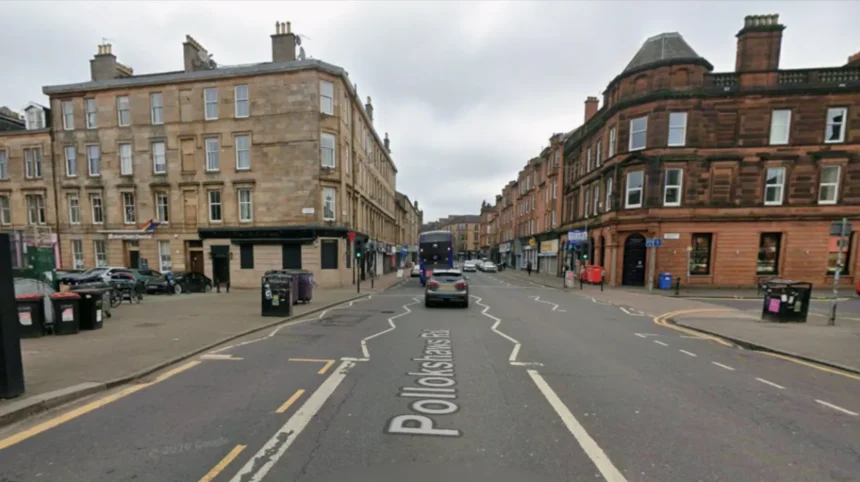
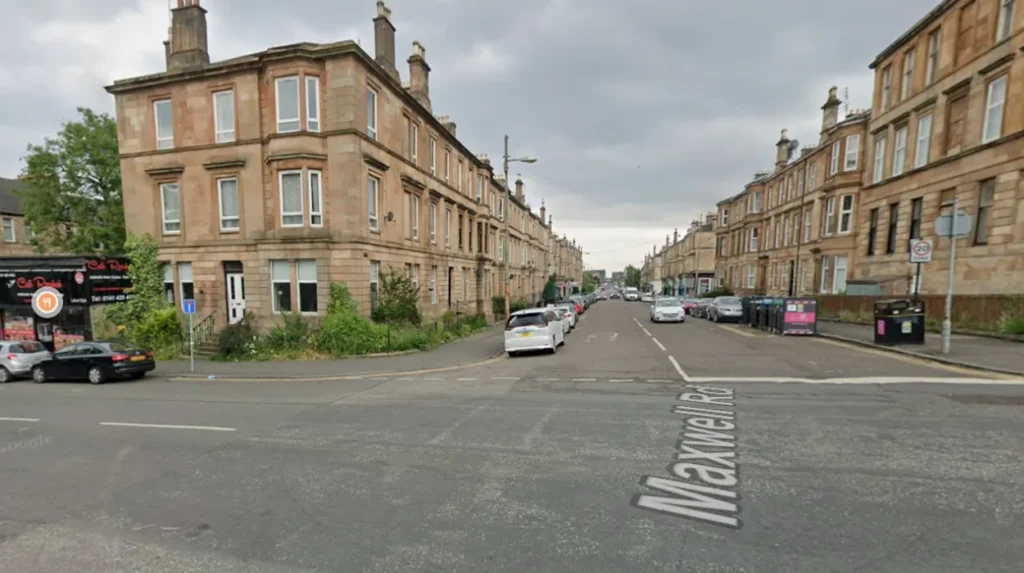
The housing stock within G41 splits into two historical and structural typologies. The first consists of late-Victorian red and blonde sandstone tenements, constructed primarily between 1880 and 1910. These properties feature high ceilings, structural bay windows, and communal rear gardens, which define the urban landscape of Strathbungo and central Shawlands. The second typology comprises large, detached and semi-detached Victorian villas located within the Pollokshields western conservation area. This zone was originally planned in the mid-19th century by the Maxwell Estate, establishing one of the first formal garden suburbs in Scotland.
Socioeconomic Demographics and Catchment Areas
The demographic profile of G41 shows a high concentration of working professionals, young families, and academic personnel. The area features a high percentage of residents holding tertiary education degrees compared to the wider Glasgow City Council average. This population density aligns with highly rated educational catchment zones. The presence of reputable primary and secondary schools, such as Glendale Primary School, Pollokshields Primary School, and Hutchesons’ Grammar School, creates a permanent baseline of demand from families who relocate specifically to secure placement within these academic boundaries.
How Has the Historical Evolution of Glasgow Southside Influenced Modern G41 Property Demand?
The modern demand for G41 property stems directly from its historical development as an affluent merchant suburb and an industrial transport corridor during the 19th century. This specific urban planning legacy preserved green spaces and high-density, high-quality residential architecture that perfectly accommodates contemporary lifestyle preferences.
The Maxwell Estate and Victorian Urban Planning
During the Industrial Revolution, Glasgow expanded rapidly as a global center for shipbuilding and heavy engineering. The land south of the River Clyde belonged largely to the Maxwell family, who instituted strict architectural rules for developers. The family prohibited the construction of heavy industrial manufacturing units within western Pollokshields, mandating instead the creation of wide, tree-lined avenues and single-family stone villas. This specific historical intervention ensured that western G41 developed without industrial contamination, retaining its status as an elite residential enclave for the city’s wealthy tobacco and shipping merchants.
The Development of High-Density Tenement Infrastructure
Simultaneously, the eastern sectors of G41, including Strathbungo and the fringes of Shawlands, developed to house the growing professional middle class, including clerks, managers, and engineers. Builders utilized local Scottish sandstone to construct four-story tenement blocks. Unlike the industrial tenements built in the east and north of Glasgow, the Southside tenements incorporated superior internal spatial dimensions, decorative plasterwork, and internal plumbing systems. The preservation of these robust buildings provides modern buyers with structurally sound historical properties that retain long-term value.
Post-Industrial Regeneration and Cultural Shift
Following the deindustrialization of Glasgow in the mid-to-late 20th century, the Southside experienced a structural population shift. As heavy industries closed along the Clyde, the affordable commercial retail spaces on Pollokshaws Road and Kilmarnock Road attracted independent businesses, artisan retailers, and hospitality operators. This commercial transformation gradually repositioned G41 from a quiet commuter suburb into a prominent cultural hub. The adaptive reuse of historical industrial buildings into residential lofts and creative workspaces further diversified the local real estate ecosystem.
Why Do Capital Appreciation and Market Velocity Trends Place G41 Ahead of Other Glasgow Postcodes?
Property indicators establish G41 as the fastest-appreciating residential market in Glasgow, driven by structural under-supply and a continuous influx of buyers migrating from the premium West End districts. Transactional data shows that homes in this area achieve sale prices significantly above initial listing values.
Comparative Capital Growth Metrics
Data from the Scottish Land Registry and independent real estate indices confirm that property values in G41 have outpaced the wider Glasgow average. While the citywide residential property average sits at approximately £191,000, the average overall transaction value within Pollokshields reached £319,948. This represents a 13% increase over the previous calendar year and a 17% growth metric relative to the market peak of 2022. The submarket within G41 shows extreme capital resilience:
- Detached Villas: These premium assets command an average sale price of £662,056.
- Terraced Houses: Medium-density family homes fetch an average of £335,588.
- Traditional Tenement Flats: High-density flats average £267,977, representing the most active transactional sector.
Market Velocity and the Offers-Over System
The velocity of the G41 real estate market is characterized by a exceptionally low metric for Median Days on Market. Properties within the G41 sector secure formal binding offers within an average timeframe of 10 to 14 days, compared to a citywide average of 28 days. The Scottish “Offers Over” marketing protocol requires prospective buyers to submit sealed bids above the baseline Home Report valuation. Because of intense competition, successful closing dates in G41 regularly generate winning bids that sit 10% to 20% higher than the certified independent surveyor evaluation, confirming deep capital reserves among active buyers.
West End Migration Patterns
A primary driver of capital appreciation in G41 is the structural migration of buyers from the G12 postcode, which includes the affluent West End neighborhoods of Hyndland, Dowanhill, and Kelvinside. Property prices in G12 range from £4,800 to £6,500 per square meter, pricing out many expanding families and first-time buyers. G41 provides comparable Victorian architecture and superior park access at a more accessible entry point of approximately £2,900 to £3,800 per square meter. This demographic shift transfers substantial capital from the north of the river directly into the Southside property ecosystem.
Explore More Area Guide
Is Pollokshields Good for Families? Property Guide
Best Glasgow Neighbourhoods for Schools: Family Guide
What Role Do Parks, Amenities, and Independent Retailers Play in Sustaining G41 Housing Valuations?
The concentration of expansive public green spaces combined with a dense network of award-winning independent retail corridors creates an irreplaceable micro-economy that structurally insulates G41 property values. This balanced infrastructure supports high levels of tenant and owner-occupier demand.
The Structural Impact of Major Urban Parks
The physical layout of G41 integrates two of Glasgow’s most significant public green spaces, including Pollok Country Park and Queen’s Park. Pollok Country Park spans 146 hectares and holds international recognition as a European Park of the Year. It contains the Burrell Collection, a major cultural institution housed in a specialized, refurbished modernist pavilion. Queen’s Park adds 60 hectares of recreational land, hosting community markets, tennis courts, and allotments. Urban planning research confirms that residential properties situated within 500 meters of a protected public park command a structural valuation premium of 8% to 15% compared to identical assets lacking green proximity.
Independent Retail Density and Commercial Vitality
The main commercial corridors of G41, specifically running along Pollokshaws Road, Nithsdale Road, and Kilmarnock Road, feature a deliberate absence of national chain retail outlets. Instead, these streets host independent businesses, specialty coffee roasters, organic bakeries, and multi-national restaurants. The cultural vitality of these commercial spaces led to Shawlands being named on multiple international indices as one of the coolest neighborhoods globally. This commercial health translates directly into real estate demand, as modern urban buyers prioritize walkable access to localized consumer amenities over car-dependent retail parks.
Community Initiatives and Civic Infrastructure
The sustainability of G41 is reinforced by civic associations and community trusts. Groups like the Strathbungo Society and local community councils manage historic conservation initiatives, neighborhood clean-up operations, and seasonal outdoor festivals. These organizations protect the structural integrity of the local built environment by contesting inappropriate commercial developments and preserving back lanes. This active civic engagement lowers localized crime rates, improves neighborhood presentation, and reassures institutional investors of the long-term social stability of the area.
How Do Rental Yields and Tenant Demographics Attract Institutional Buy-to-Let Investors to G41?
The G41 postcode provides institutional and private landlords with a highly stable rental market characterized by gross rental yields between 5.5% and 8.5% and a low risk of tenant default. A structural shortage of long-term rental stock keeps monthly rental values high across all property styles.
Gross Rental Yield Analytics by Housing Sector
While premium West End locations yield a compressed 4% return due to high acquisition costs, G41 submarkets generate superior financial performance. The average monthly rent across Greater Glasgow stands at approximately £1,260, but specific pockets within and directly adjacent to G41 exceed this baseline. For example, the Govanhill and eastern Pollokshields border delivers reliable gross rental yields ranging from 6% to 8.5%. Traditional two-bedroom flats in central Shawlands command long-term contract monthly rents between £1,100 and £1,450, depending on the standard of internal modernization and energy performance certificates.
Tenant Profile and Risk Mitigation
The tenant demographic in G41 consists primarily of young corporate professionals, medical staff working at the nearby Queen Elizabeth University Hospital, and senior academic researchers from the University of Glasgow and the University of Strathclyde. This specific economic profile mitigates landlord risk:
- Employment Stability: High concentrations of tenants are employed in financial services, public administration, and healthcare sectors.
- Low Default Rates: The average tenant income level reduces the statistical probability of rent arrears.
- Lease Longevity: Corporate and professional tenants in G41 exhibit longer average tenancy durations compared to student-dominated central university postcodes, reducing costly vacancy periods and letting agent turnover fees.
Regulatory Pressures and Market Supply Deficits
The Scottish private rented sector operates under strict regulatory frameworks, including the Private Housing (Tenancies) (Scotland) Act 2016 and evolving energy efficiency standards mandated by the Scottish Government. These compliance requirements have led many smaller, under-capitalized private landlords to exit the market, selling their portfolios to owner-occupiers. This disinvestment has caused a severe deficit in rental property supply. With tenant demand remaining constant or increasing, this supply contraction allows remaining institutional investors to select highly qualified tenants while maintaining steady upward pressure on rental pricing.

What Are the Future Urban Developments and Microeconomic Implications for G41 Through the Next Decade?
Planned infrastructure upgrades, urban greening initiatives, and strict conservation policies ensure that the G41 postcode will maintain its premium market position through the next decade. These planned interventions prevent structural urban decay and preserve capital values.
The Shawlands Arcade Redevelopment Project
A major transformative urban development within G41 is the multi-phase redevelopment of the outdated 1970s Shawlands Arcade shopping center. This multi-million-pound master plan replaces aging retail structures with a modern, sustainable mixed-use development. The project introduces hundreds of energy-efficient build-to-rent apartments, specialized modern retail units, and public pedestrianized plazas. This substantial capital investment modernizes the urban core of the postcode, clearing away post-war architectural liabilities and attracting new retail brands that complement the existing independent business ecosystem.
Sustainable Transport and the Liveable Neighbourhoods Plan
Glasgow City Council is actively implementing its Liveable Neighbourhoods Plan, which prioritizes active travel, pedestrian safety, and carbon reduction across the Southside. For G41, this involves the expansion of dedicated, segregated cycle lanes connecting Pollokshields directly to the city center via the South West Way cycling corridor. Street engineering adjustments are widening pavements, planting urban trees, and reducing vehicle speeds. These modifications reduce localized air pollution and traffic noise, directly increasing the value of residential properties situated along these modernized urban corridors.
Long-Term Market Projection and Risk Evaluation
From a macroeconomic perspective, the long-term outlook for G41 remains stable. The Bank of England base interest rate sits at 3.75%, which has stabilized mortgage lending environments compared to prior inflationary spikes. Real estate forecasts project that the Southside cluster of Pollokshields, Shawlands, and Strathbungo will maintain annual price growth between 6% and 10%, consistently outpacing the wider city average of 3% to 5%. The primary risk factor remains the rising cost of maintaining historic Victorian tenement structures, which require collective factoring agreements and building repairs. However, the high demand for these unique properties ensures that owner-occupiers and investors remain willing to commit capital to preserve these historic assets.
What areas are included in the G41 postcode of Glasgow?
The G41 postcode covers several popular Southside neighbourhoods, including Pollokshields, Shawlands, Strathbungo, and Dumbreck. These areas offer a mix of Victorian villas, traditional sandstone tenements, family homes, and modern apartments.