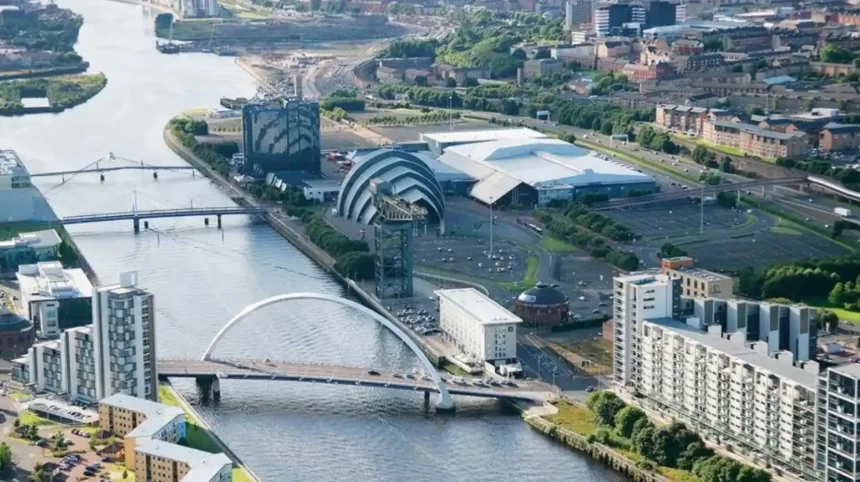
The Glasgow East End covers a broad cluster of neighbourhoods east of the city centre, including well-known districts such as Calton, Bridgeton, Dalmarnock, Dennistoun, Parkhead, Shettleston, and parts of Easterhouse, Tollcross, and Ruchazie. It is one of the clearest ways to describe the city’s eastern urban zone, which combines historic streets, residential communities, transport links, retail areas, and major landmarks.
- What is Glasgow’s East End?
- Which areas does the East End include?
- Where does the East End start and end?
- What are the main landmarks in the East End?
- How is the East End different from other parts of Glasgow?
- What is the history of the East End?
- Which East End areas are best known for living?
- How do people travel around the East End?
- Why does the East End matter to Glasgow today?
- What should someone look for when choosing East End areas?
- Which places should visitors include in the East End?
- What is the simplest way to understand the East End?
What is Glasgow’s East End?
Glasgow’s East End is the eastern urban district of Glasgow, located beyond the city centre and extending toward communities such as Parkhead, Dalmarnock, Dennistoun, and Easterhouse. It is defined by a mix of residential neighbourhoods, major roads, rail links, and landmark sites.
The East End is not one single administrative unit in everyday conversation. It is a commonly used geographic and social label that groups several districts together. In practical terms, people use it to describe the part of Glasgow east of the central core, especially around the Clyde corridor, the inner east, and the outer eastern housing areas. This broad use is supported by travel and area guides that list East End neighbourhoods separately from City Centre, Merchant City, West End, and Southside.
The area matters because it connects dense inner-city streets with large-scale housing estates and commercial sites. It also contains some of Glasgow’s best-known destinations, including Glasgow Green and Celtic Park.
Which areas does the East End include?
The East End includes inner districts such as Calton, Bridgeton, and Dennistoun, plus larger outer communities such as Dalmarnock, Parkhead, Shettleston, Tollcross, Riddrie, Greenfield, Ruchazie, and Easterhouse. These names appear repeatedly in area maps and local guides for Glasgow’s eastern side.
The inner East End sits closer to the city centre. Calton and Bridgeton are part of the historic urban core, while Dennistoun is a major residential area known for tenement housing and direct access to central Glasgow. Dalmarnock lies farther east and links to the Glasgow Green and Parkhead corridor.
The mid and outer East End includes Parkhead, Shettleston, Tollcross, Greenfield, Riddrie, Ruchazie, and Easterhouse. These districts stretch the East End footprint outward and reflect a more suburban residential pattern in places such as Easterhouse and Ruchazie.
Where does the East End start and end?
The East End starts near the eastern edge of Glasgow city centre and runs outward to neighbourhoods such as Easterhouse and Ruchazie on the far side of the city. Its boundary is informal, so different sources group nearby districts slightly differently.
There is no single legal line that every resident uses as the East End boundary. In practice, the area begins near the central east districts and extends through the traditional east-side network of roads, rail stations, and housing zones. Many guides place Trongate and East End together near the core, then extend the East End through Dennistoun, Bridgeton, and Dalmarnock toward Parkhead and beyond.
This loose boundary is normal for large city districts. Local identity, transport connections, and historic development shape how people define the East End more than a formal map does. That is why one source may list Dennistoun within the East End while another treats it as a separate neighbourhood.
What are the main landmarks in the East End?
The main East End landmarks include Glasgow Green, Celtic Park, Barrowland Ballroom, the People’s Palace and Winter Gardens, and nearby historic city sites such as Glasgow Cathedral. These places help define the area’s identity and draw visitors into the east side of the city.
Glasgow Green is one of the best-known public spaces in the East End. It serves as a major park and events area near the inner eastern districts. Celtic Park is another major landmark, located in Dalmarnock and widely associated with the East End’s sports identity.
The Barrowland Ballroom is an important music venue near the East End edge, and the People’s Palace reflects Glasgow’s social history. Glasgow Cathedral sits close to the eastern centre and is often linked to the East End in area guides because of its location and visitor flow.
How is the East End different from other parts of Glasgow?
The East End differs from the West End, Southside, and City Centre because it combines historic working-class neighbourhoods, major event venues, large housing estates, and strong transport corridors. It is less unified in style than the West End, but more varied in land use and density.
The City Centre is the commercial core of Glasgow, while the East End stretches out from that core into residential and industrial legacy districts. The West End is more strongly associated with university life, dense cafes, and leisure streets. The Southside is widely known for its residential streets and parkland. The East End stands apart because it mixes heritage, stadium culture, community housing, and regeneration zones.
This difference affects how people use the area. Some districts are central and walkable, such as Bridgeton and Dennistoun, while others are larger outer communities with stronger dependence on bus and rail access, such as Easterhouse and Ruchazie.
What is the history of the East End?
The East End developed through Glasgow’s industrial expansion, housing growth, and transport build-out. Its history includes working-class settlement, urban tenements, railway growth, and later regeneration in districts such as Dalmarnock, Parkhead, and Easterhouse.
Glasgow’s eastern districts grew alongside the city’s wider industrial economy. Dense housing supported shipbuilding, manufacturing, and port-linked trade across the river corridor. Over time, the east side became home to tenement streets, civic institutions, and large housing developments.
Later twentieth-century development added major estates and new road networks. Areas like Easterhouse became associated with large-scale residential planning, while inner districts such as Dennistoun and Bridgeton kept a more traditional urban street pattern. This layered history explains why the East End contains both older tenement neighbourhoods and newer suburban-style communities.
Which East End areas are best known for living?
Dennistoun, Bridgeton, Dalmarnock, and Tollcross are among the best-known East End areas for living, because they offer different mixes of affordability, transport access, and housing types. Easterhouse and Ruchazie are also part of the wider East End and are often cited for lower price points.
Dennistoun is one of the most recognisable inner east neighbourhoods, with strong links to central Glasgow and a dense residential character. Bridgeton and Dalmarnock are also close to the core and are often discussed in relation to access, regeneration, and local amenities.
For lower-cost housing, public listings and property roundups frequently point to Easterhouse and Provanhall among the more affordable options around Glasgow, with Tollcross and Bridgeton also appearing in affordability discussions. This makes the East End a major focus for buyers and renters who want city access without central prices.
How do people travel around the East End?
People travel around the East End using rail stations, bus routes, and major roads that connect inner districts with outer communities and the city centre. Key access points include areas near Buchanan Street, Bridge Street, St Enoch, and routes serving Dalmarnock, Parkhead, and Greenfield.
Transport is one of the East End’s defining strengths. Inner districts connect well to the central area, while outer districts rely on wider bus networks and road corridors. Area guides note that transport access supports visits to Celtic Park, Glasgow Green, and shopping and entertainment locations.
This matters for day-to-day life. A shorter trip to the city centre makes inner east areas attractive to commuters and students. Wider transport coverage also supports travel from outer communities into retail, employment, and event zones across Glasgow.
Why does the East End matter to Glasgow today?
The East End matters because it combines major cultural venues, sports sites, historic neighbourhoods, and large residential communities in one eastern corridor. It also plays a major role in Glasgow’s identity, housing market, and urban regeneration.
The East End is important in civic terms because it contains places that residents and visitors immediately recognise. Glasgow Green supports public events, Celtic Park anchors football culture, and the Barrowland Ballroom remains a key live-music venue. These destinations give the East End a city-wide profile.
It also matters economically. The area includes some of Glasgow’s more affordable housing markets, which attracts first-time buyers and renters. At the same time, regeneration and redevelopment continue to reshape parts of the district, especially in places linked to event infrastructure and city growth.
What should someone look for when choosing East End areas?
A person choosing an East End area should compare transport links, housing type, local services, and proximity to central Glasgow. Inner districts such as Dennistoun and Bridgeton suit city access, while outer districts such as Easterhouse and Ruchazie suit larger-scale residential living.
The best choice depends on the purpose of the move or visit. A commuter often prioritises rail and bus access. A family often prioritises parks, schools, and quieter streets. A buyer often prioritises price, which is why affordability data is central when discussing East End neighbourhoods.
The East End gives access to both compact city living and broader suburban layouts. That range is one of its defining strengths, and it explains why the area remains a frequent focus for housing search, local travel, and city guides.
Which places should visitors include in the East End?
Visitors should include Glasgow Green, Celtic Park, Barrowland Ballroom, the People’s Palace and Winter Gardens, and nearby inner-east streets such as Dennistoun and Bridgeton. These locations show the East End’s history, entertainment value, and everyday city character.
A good East End visit starts with Glasgow Green, then moves through the nearby heritage and event sites. Celtic Park shows the scale of the area’s sports culture. The Barrowland Ballroom adds live-music history, while the People’s Palace gives context for Glasgow’s social past.
Dennistoun and Bridgeton help visitors see the residential side of the East End. These neighbourhoods show the area’s housing texture, street layout, and connection to the wider city. Together, they create a fuller view than a single landmark visit ever could.
What is the simplest way to understand the East End?
The simplest way to understand the East End is to see it as Glasgow’s eastern city belt, stretching from the edge of the centre to large outer neighbourhoods. It includes historic streets, major venues, residential districts, and some of the city’s most familiar east-side places.
That definition captures the practical reality. The East End is not one tiny district and not one fixed official block. It is a wider eastern zone built from many named communities that share location, transport links, and public identity.
For search, planning, or general understanding, the safest answer is to treat the East End as a broad east Glasgow area that includes Calton, Bridgeton, Dalmarnock, Dennistoun, Parkhead, Shettleston, Tollcross, Greenfield, Riddrie, Ruchazie, and Easterhouse, with nearby landmark zones such as Glasgow Green and Celtic Park.
What Is Glasgow’s East End?
Glasgow’s East End is the eastern urban district of Glasgow, stretching from the edge of the city centre toward communities such as Dennistoun, Parkhead, Dalmarnock, and Easterhouse.
It combines historic streets, residential districts, transport corridors, football culture, parks, shopping areas, and regeneration zones. The East End is widely recognised as one of Glasgow’s most important urban areas.