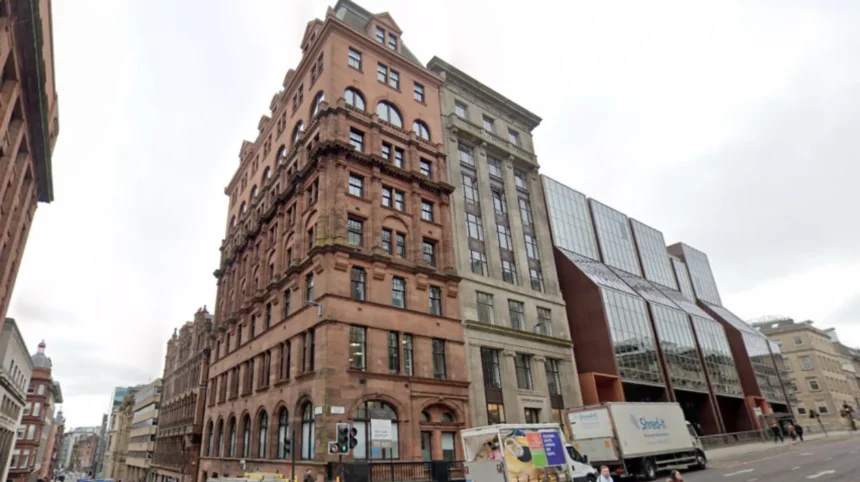
Glasgow, Scotland’s largest city, serves as the central entity in this analysis. This article evaluates living standards on a £2,000 monthly after-tax income. Data draws from 2025-2026 cost benchmarks across government sites, university estimates, and cost aggregators like Numbeo and Expatistan.
- Is £2,000 After Tax Enough for Comfortable Living in Glasgow?
- What Are Current Average Rents in Glasgow?
- How Much Are Utilities and Bills in Glasgow?
- What Do Groceries and Food Costs Look Like?
- How Much Is Public Transport in Glasgow?
- What Are Entertainment and Leisure Expenses?
- Can a Single Person Live on This Budget?
- What About Couples or Families?
- How Does Location Affect the Budget?
- What Is the Average After-Tax Salary in Glasgow?
- Are There Ways to Reduce Costs Further?
- What Does “Comfortably” Mean Here?
Is £2,000 After Tax Enough for Comfortable Living in Glasgow?
Yes, £2,000 after tax supports comfortable living for a single person or couple without children in Glasgow. This budget covers rent under £900, utilities at £150, groceries for £300, transport at £70, and leisure at £300, leaving £280 for savings or extras. Families face tighter margins.
Glasgow’s cost of living ranks 31% below New York excluding rent. Single-person monthly expenses excluding rent average £836 in 2025 data. Rent consumes 40-50% of budgets citywide.
Processes involve categorizing fixed costs like housing and variables like dining. Fixed costs total £1,200 on average. Implications include surplus for emergencies when prioritizing city-center locations.
University of Glasgow estimates £1,100-£1,700 total monthly needs for students in 2025, aligning with broader data. Real-world examples show West End flats at £600 per person shared.
What Are Current Average Rents in Glasgow?
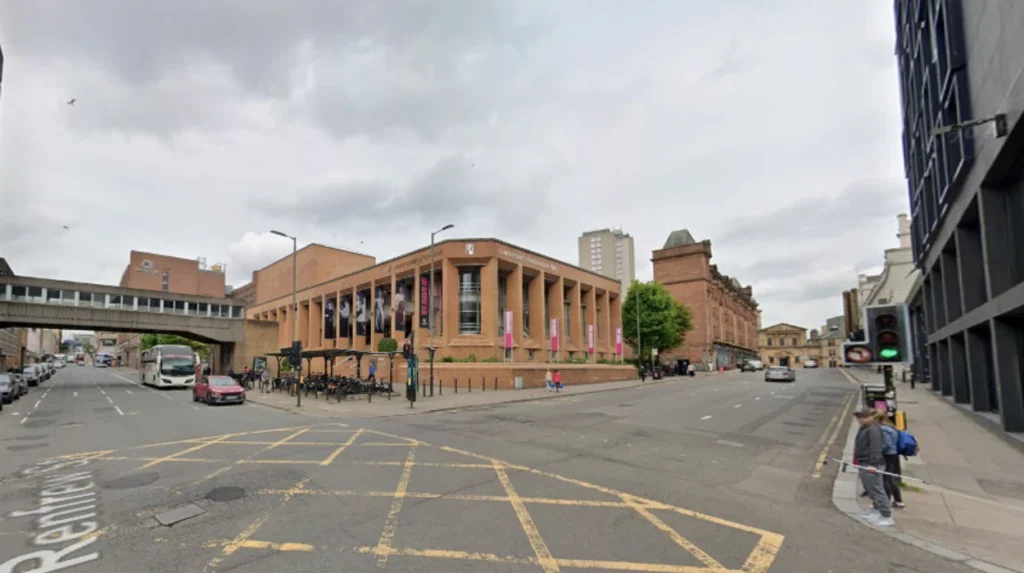
One-bedroom apartments in Glasgow average £925 monthly in early 2026. Studios cost £825, while two-bedrooms reach £1,300 in West End areas. City-center options range £750-£1,150; suburbs drop to £650.
Rent per square meter stands at £19 monthly across Glasgow. Neighborhoods define variation: West End and city center exceed £20 per square meter; Southside averages £16.
Historical context traces rises from £750 one-bedrooms in 2022 to 2026 levels due to demand. Key components include furnished status and landlord utilities like insurance at £80-£150 monthly.
Mechanisms follow Private Residential Tenancy agreements under Scotland’s 2016 laws. Tenants pay council tax and utilities directly. Implications favor shared housing for budgets under £1,000.
Examples include new-build West End two-beds at £1,200 total, or £600 per tenant. Sublets in East End hit £500 for basics.
How Much Are Utilities and Bills in Glasgow?
Utilities for a one-bedroom flat total £150-£200 monthly, including electricity at £80, gas at £50, internet at £28, and water at £20. Council tax adds £85-£170 based on property band.
Macro context positions Glasgow utilities as standard UK rates, lower in summer. Electricity averages £112 on fixed tariffs per 2025 reports.
Subtopics break into gas safety checks by landlords and tenant-paid broadband. Virgin Media ultra-fast plans cost £28 after negotiation. Council tax bands A-D apply to most flats, ranging £1,020-£1,400 annually.
Processes require direct debit setups post-tenancy. Fixed tariffs lock rates for 12 months. Implications show £80 per person in shared setups with constant heating.
Data from Numbeo lists £160 total utilities shared, or £80 solo. Expatistan confirms £150 averages for singles.
What Do Groceries and Food Costs Look Like?
Monthly groceries for one person cost £250-£350 in Glasgow supermarkets. Basic baskets total £250; premium selections hit £350 with organics. Eating out adds £10-£20 per meal.
Glasgow’s food prices align with UK averages, 20% below London. Tesco and Asda dominate with weekly shops at £60.
Historical data shows £250 student baselines in 2022 rising 15% by 2026. Key components include milk at £1.20/liter, bread at £1.30, chicken at £7/kg.
Mechanisms involve 3-4 monthly shops based on consumption. Implications allow £300 allocations within £2,000 budgets for home cooking.
Examples: £561 total food for one per Livingcost.org, or £250 at Aldi. Family foursomes reach £1,428.
How Much Is Public Transport in Glasgow?
Monthly public transport passes cost £70 for buses and Subway. Single tickets run £2; day passes hit £5. Cycling or walking cuts needs to zero.
Glasgow’s SPT network covers buses, trains, and Subway. First Bus and McGill operate key routes.
Subtopics include Zone cards at £55-£80. Processes use contactless payments or apps. Implications save £100 yearly versus car ownership at £200+ monthly.
Statistics show £174 monthly transport for singles. Real-world commutes from suburbs to center take 30 minutes at £60.
Examples: Daily bus to city center totals £40 monthly; Subway unlimited at £70.
What Are Entertainment and Leisure Expenses?
Leisure costs £200-£400 monthly, with gym memberships at £30, cinema at £10, pubs at £5/pint, and events at £20-£50. Free parks and museums reduce totals.
Glasgow hosts Kelvingrove Museum free entry and Hampden Park events. Pub culture defines social life.
Key components: Cinema tickets £9.50, gym £25-£40 at PureGym. Processes involve event apps like Eventbrite. Implications fit £300 within £2,000 for weekly outings.
Data estimates £300 leisure in student budgets. Examples: Two pub nights weekly at £40; concert at £50.
Can a Single Person Live on This Budget?
A single person lives comfortably on £2,000 after tax in Glasgow. Rent £800, utilities £150, groceries £300, transport £70, leisure £250 total £1,570, surplus £430.
Breakdown allocates 40% to housing. Expatistan singles average £1,850 total, fitting under budget.
Subtopics cover solo West End studios at £825. Mechanisms prioritize budgeting apps. Implications build £5,000 annual savings.
University data confirms £1,100-£1,700 ranges. Numbeo excludes rent at £836, plus £900 housing totals £1,736.
What About Couples or Families?
Couples manage on £2,000 shared, at £1,000 each effective. Families of four exceed at £3,659 monthly per Expatistan, requiring £4,000+ combined.
Macro context shows family costs double singles. Two-bed rents £1,300 split £650 each.
Processes adjust for childcare at £800 monthly. Implications strain singles doubling as family support.
Livingcost.org lists £5,025 family totals with rent. Examples: Two adults, two children hit £3,731.
How Does Location Affect the Budget?
City center costs 20% more than suburbs. West End rents £1,150 one-beds; Southside £750. Suburbs save £300 monthly on housing.
Neighborhoods vary: West End for culture, East End for affordability.
Historical shifts concentrate demand centrally post-2020. Key components: Commute times under 45 minutes. Implications favor suburbs for £2,000 budgets.
Data shows £19/sq.m citywide, £24 West End. Examples: Partick £900; Drumchapel £650.
What Is the Average After-Tax Salary in Glasgow?
Average after-tax salary in Glasgow reaches £3,514 monthly per Livingcost.org 2026 data. £2,000 equals 57% of average, sufficient for mid-level comfort.
Salaries stem from sectors like finance and NHS. Macro context positions Glasgow below Edinburgh at £3,800.
Subtopics: Tech roles £4,000; retail £2,200. Processes use HMRC tax bands, 20% on £12,571-£50,270. Implications place £2,000 at entry-professional levels.
Are There Ways to Reduce Costs Further?
Shared housing cuts rent to £600. Cooking halves food to £200. Free leisure via parks saves £150. Total reductions hit £500 monthly.
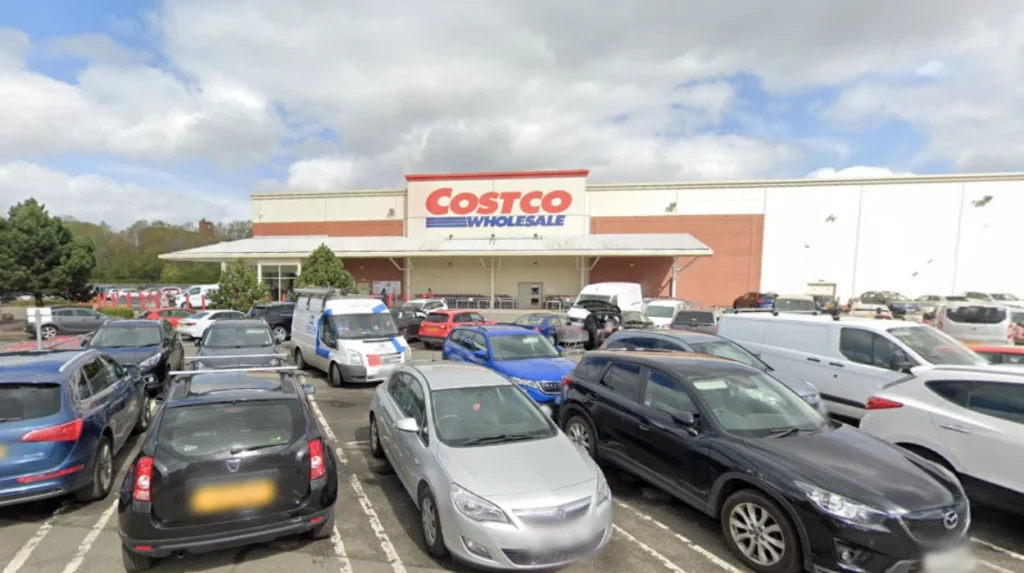
Mechanisms include flatmate apps like SpareRoom. Bulk shopping at Costco lowers groceries.
Implications double savings to £780. Examples: East End share £500 rent; bike commute £0.
What Does “Comfortably” Mean Here?
Comfortably means secure housing, regular meals, transport access, weekly leisure, and £200+ savings. Glasgow achieves this on £2,000 via £1,600-£1,800 spends.
Definition excludes luxury but includes pub visits. Data benchmarks £1,925 single Expatistan maximum.
Implications support debt-free living. University of Glasgow defines £1,700 upper comfort.