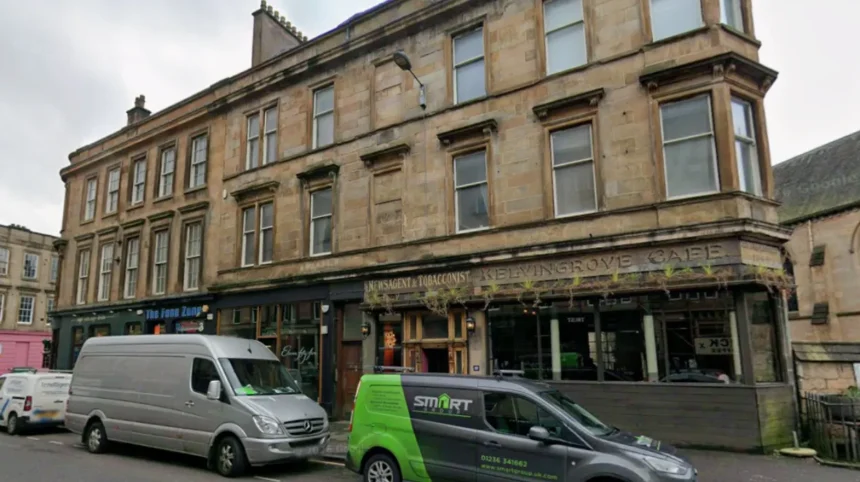
The Gannet, a prominent restaurant located in Glasgow’s Finnieston district, concluded its 12-year tenure on December 31, 2025. This closure marked the end of an influential chapter in Scotland’s culinary history, following years of acclaim for the establishment’s dedication to regional sourcing and modern Scottish cuisine.
- Why did The Gannet restaurant in Glasgow close its doors?
- What is replacing The Gannet on Argyle Street?
- How did The Gannet influence the Glasgow culinary scene?
- What are the key lessons from The Gannet’s business lifecycle?
- What dining alternatives exist in the Finnieston area?
- How does Glasgow’s restaurant market currently compare to recent years?
Why did The Gannet restaurant in Glasgow close its doors?
The Gannet ceased operations at the end of 2025 as part of a strategic transition by its owners to close one business chapter and initiate a new project, Eleven Fifty Five, in the same physical space on Argyle Street.
The restaurant opened in 2013 under the leadership of chef patron Peter McKenna and business partner Ivan Stein. Over its 12 years of operation, it became a cornerstone of the Glasgow hospitality sector, recognized for its unpretentious yet ambitious approach to dining. The decision to close was characterized by the owners as a move to evolve their vision rather than a response to external economic pressure.
The team officially announced the closure in September 2025, providing several months for loyal patrons to visit before the final service on New Year’s Eve, 2025. This transition allowed the management to maintain continuity with their staff and the local community while preparing for a complete structural and conceptual redesign of the venue.
What is replacing The Gannet on Argyle Street?
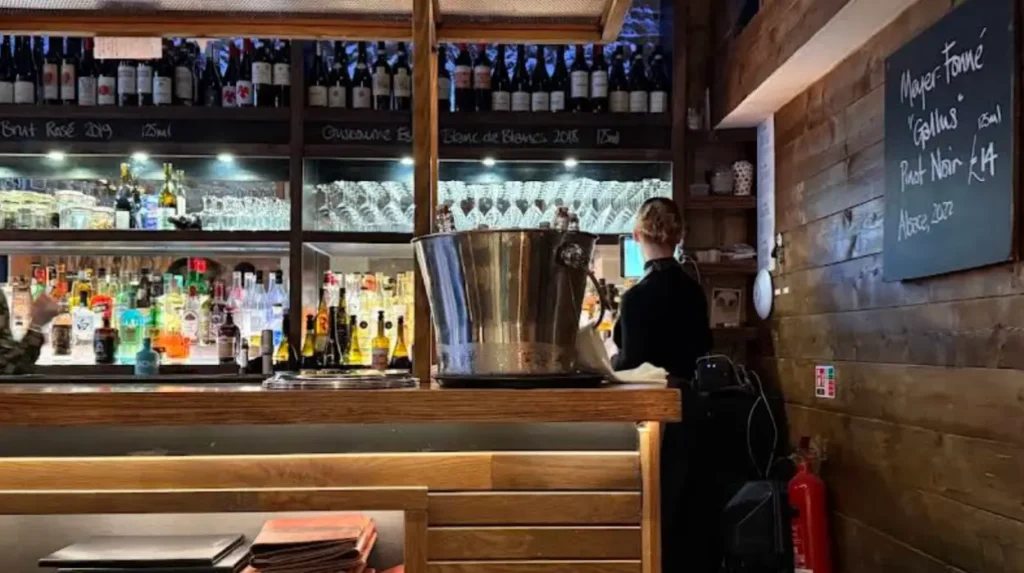
The space formerly occupied by The Gannet is being transformed into a new restaurant named Eleven Fifty Five, operated by chef Peter McKenna and long-time colleague Kevin Dow.
Eleven Fifty Five takes its name from the street address on Argyle Street, maintaining the location’s significance within the Finnieston neighborhood. Following the final service at The Gannet on December 31, 2025, the team began an extensive renovation process on January 2, 2026, to overhaul the interior.
The new concept draws inspiration from varied sources, including Parisian bistros and traditional Irish snugs, aimed at creating a different atmosphere from its predecessor. This transition represents a shift in the business model, moving from the specific identity of The Gannet to a redesigned space that reflects the current creative directions of McKenna and Dow.
How did The Gannet influence the Glasgow culinary scene?
The Gannet established a high standard for contemporary Scottish dining by prioritizing local sourcing, seasonal ingredients, and a rigorous commitment to hospitality, which helped solidify Glasgow’s reputation as a premium culinary destination.
During its operation, the restaurant earned significant industry recognition, including the title of AA Restaurant of the Year for Scotland in 2015/16. It was also frequently cited by the Michelin Guide, which praised the kitchen for its ambitious cooking and the visually compelling nature of its dishes. By focusing on ingredients native to Scotland, the restaurant elevated the profile of regional produce on a national scale.
The restaurant’s success was rooted in its ability to balance high-end technical skill with a relaxed, accessible atmosphere. This approach influenced a generation of local chefs and restaurateurs who sought to replicate the success of the Finnieston area, which emerged as a major hub for gastronomy during The Gannet’s lifetime.
What are the key lessons from The Gannet’s business lifecycle?
The Gannet provides a successful model for long-term restaurant sustainability by maintaining a clear, evolving identity, fostering strong relationships with local suppliers, and managing a purposeful, planned exit strategy that preserves brand equity.
A critical component of The Gannet’s longevity was its consistent emphasis on local supply chains. By maintaining direct relationships with producers, the restaurant ensured the quality of its inputs, which in turn justified its premium positioning in the market. This operational discipline allowed the restaurant to navigate the volatile nature of the hospitality industry for over a decade.
Furthermore, the management demonstrated that a successful restaurant closure is not necessarily an indicator of failure. By announcing the closure well in advance and clearly outlining the future plans for the site, the owners maintained the support of their customer base and provided a transition path for their staff. This approach highlights the importance of strategic foresight in the lifecycle of a small-to-medium-sized hospitality business.
What dining alternatives exist in the Finnieston area?
The Finnieston neighborhood remains one of Glasgow’s most vibrant culinary corridors, featuring established venues such as Five March, The Ox and Finch, and various specialized eateries that continue to attract local and international diners.
Following the transition from The Gannet, the area’s density of high-quality dining options remains high. Notable establishments in the vicinity include:
- Five March, known for its creative small plates and focus on seasonal flavors.
- The Ox and Finch, which offers a contemporary menu that emphasizes global influences paired with Scottish ingredients.
- 88, a restaurant focused on plant-forward and innovative flavor profiles.
- Gloriosa, which provides a Mediterranean-inspired dining experience in a casual setting.
These restaurants contribute to the neighborhood’s status as a central pillar of Glasgow’s food scene. The ongoing success of these venues reinforces the area as a destination for diners who prioritize high-quality ingredients and modern culinary techniques.
How does Glasgow’s restaurant market currently compare to recent years?
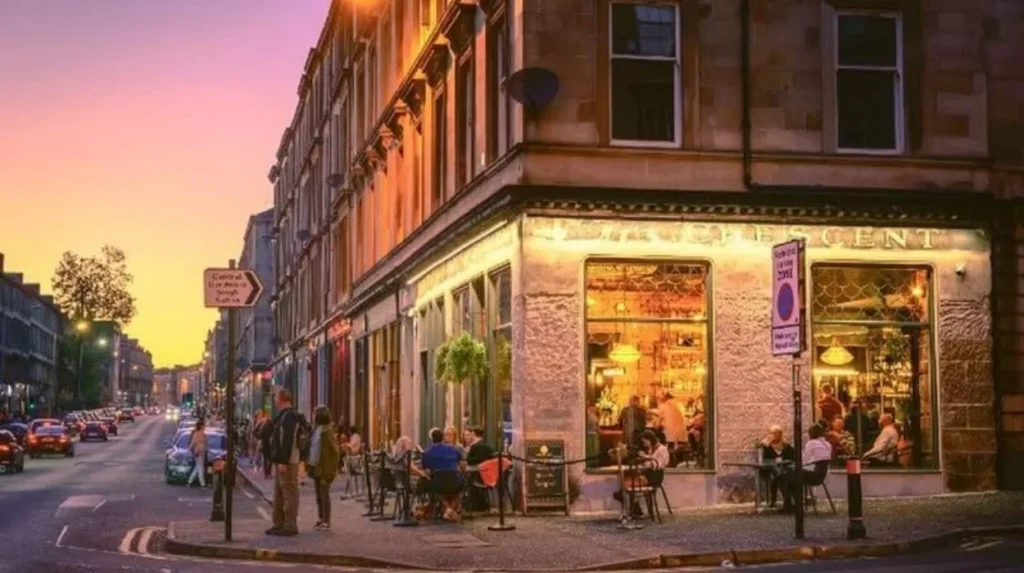
Glasgow’s dining market in 2026 exhibits resilience and diversification, characterized by a mix of long-standing institutions and dynamic new openings that focus on casual-fine dining, international fusion, and regional sustainability.
The landscape has evolved significantly from 2013 to 2026, with a noticeable shift toward specialized dining experiences. Data indicates that the city continues to support a high volume of reputable establishments, with platforms like Tripadvisor highlighting top-rated venues across various price points and cuisines.
Current market trends suggest that diners prioritize provenance and the overall experience of the space, mirroring the values that defined The Gannet. The arrival of new projects like Eleven Fifty Five indicates that professional chefs continue to see value in the Glasgow market, favoring the redevelopment of established sites over new commercial builds. This cycle of renewal is a defining feature of a healthy and competitive urban dining economy.
Why did The Gannet restaurant in Glasgow close, and what replaced it?
The Gannet closed at the end of 2025 after operating for about 12 years in Glasgow’s Finnieston area.
It closed because its owners chose to end that chapter and move on to a new restaurant project in the same space rather than due to financial failure.
The venue has been replaced by a new restaurant called Eleven Fifty Five, which is also located on Argyle Street in Finnieston, Glasgow.