Key Points
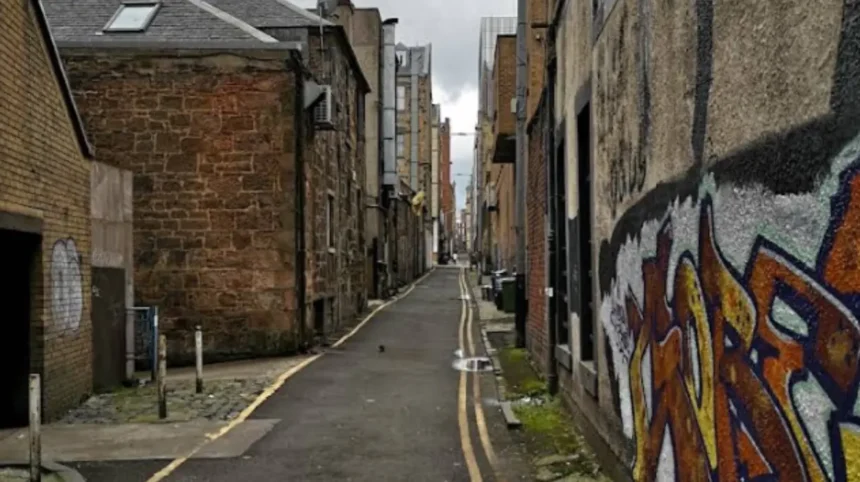
- A total of 167 crimes, including four sexual assaults, have been recorded over the past five years in Sauchiehall Lane, a dark, partially unlit alleyway located yards away from busy pubs and clubs on Glasgow’s Sauchiehall Street.
- Campaigners and local residents state that Sauchiehall Lane and similarly poorly lit alleyways across Glasgow city centre present safety risks, particularly for women.
- Efforts to upgrade lighting along these narrow side streets have stalled because of piecemeal ownership, with dozens of separate landlords and businesses responsible only for small sections directly outside their properties.
- Nicola Love of Rape Crisis Scotland stated that while street lighting alone will not stop sexual violence, it represents basic safety and should not still be raised as an issue years after being identified as a problem.
- Although some property owners along the half-mile stretch of Sauchiehall Lane have installed lights, a night-time walk through the thoroughfare reveals sections left in darkness.
City Centre (Glasgow Express) November 14, 2026 – Concerns over women’s safety in Glasgow city centre have been raised regarding Sauchiehall Lane, a half-mile alleyway running parallel to the bustling nightlife hub of Sauchiehall Street, where 167 crimes—including four sexual assaults—have occurred over the past five years. While Sauchiehall Street attracts large crowds of students and revellers each evening, the adjacent lane remains partially unlit, leaving pedestrians navigating stretches of darkness just yards from major pubs and nightclubs.
Why Have Efforts to Light Glasgow’s Dark Lanes Stalled?
Attempts to install consistent street lighting along Sauchiehall Lane and similar narrow thoroughfares in the city centre have repeatedly stalled due to fragmented, piecemeal ownership. Rather than falling under single public maintenance, the half-mile stretch of Sauchiehall Lane is divided among dozens of individual landlords and commercial businesses.
Each property owner holds legal responsibility solely for the small section of the lane directly bordering their own premises. Consequently, while certain businesses and landlords have taken steps to install adequate illumination outside their buildings, neighbouring sections lack lighting altogether, resulting in an uneven patchwork where significant portions of the route remain plunged into darkness at night.
What Do Campaigners Say About Street Lighting and Women’s Safety?
Local residents and safety advocates argue that poorly lit city-centre alleyways create hazardous conditions, with women disproportionately affected when travelling through or past these areas after dark. Campaigners have long pointed out that inadequate illumination reduces visibility and leaves vulnerable pedestrians exposed near busy late-night venues.
As reported by the BBC, Nicola Love of Rape Crisis Scotland stated that
“Street lighting will not suddenly stop sexual violence, but it’s basic safety and not something that we should be highlighting as a problem years after it’s already been established as a problem.”
Background: Crime and Infrastructure on Sauchiehall Lane
Sauchiehall Street serves as one of Glasgow’s primary entertainment and nightlife corridors, drawing high footfall from university students, residents, and visitors throughout the week. Running parallel to this main thoroughfare, Sauchiehall Lane functions primarily as a service access route and secondary pedestrian cut-through over its half-mile length. Over a five-year period, police records documented 167 offences within the lane, including four sexual assaults, underscoring persistent safety concerns surrounding unlit urban backstreets in Glasgow’s city centre. Despite the issue having been flagged by campaigners over several years, the division of property boundaries among numerous private landlords and commercial operators has prevented a unified, lane-wide lighting solution from being implemented.
Prediction: How Could This Development Affect Women and Night-Time Visitors in Glasgow?
Continued public scrutiny and media attention on the crime figures in Sauchiehall Lane may place renewed pressure on private landlords, city-centre businesses, and local authorities to coordinate lighting upgrades across fragmented property boundaries. If property owners and stakeholders establish a unified approach to installing and maintaining consistent illumination, women, students, and late-night workers navigating Glasgow city centre could benefit from improved visibility and safer pedestrian routes after dark. Conversely, if piecemeal ownership continues to delay coordinated action, women and other late-night visitors moving between Sauchiehall Street’s venues and surrounding transport links will remain exposed to unlit blind spots and ongoing personal safety risks.