Glasgow is one of Scotland’s most accessible cities for affordable days out. Its combination of free museums, historic landmarks, public parks, street art, cultural attractions and community events makes it possible to explore the city without spending heavily. Whether visitors are travelling on a limited budget, students looking for inexpensive activities or residents planning an affordable weekend, Glasgow offers plenty of opportunities for entertainment and exploration.
- Why Is Glasgow a Good City for Cheap Things to Do?
- How Does Glasgow’s Cultural Heritage Support Affordable Tourism?
- What Makes Free Attractions Important for Visitors?
- Which Free Museums Can You Visit in Glasgow?
- 1. Kelvingrove Art Gallery and Museum
- 2. Riverside Museum
- 3. The Burrell Collection
- 4. Gallery of Modern Art
- 5. The Hunterian Museum
- Which Parks and Gardens Offer Free Activities in Glasgow?
- What Free Walking Routes Can You Explore in Glasgow?
- 1. Glasgow City Centre Mural Trail
- 2. Glasgow Cathedral and the Necropolis
- 3. River Clyde Riverside Walk
- 4. Ashton Lane and the Hidden Lane
- What Are the Cheapest Things to Do in Glasgow for Families?
- Which Museums Are Suitable for Children?
- Where Can Families Enjoy Outdoor Activities?
- Are Glasgow Libraries and Community Spaces Free?
- Where Can You Find Cheap Food and Drinks in Glasgow?
- Which Areas Are Best for Affordable Food?
- How Can Visitors Reduce Food Expenses?
- Are Markets a Cheap Place to Explore?
- What Cheap Cultural Activities Can You Enjoy in Glasgow?
- How Can You Explore Glasgow on a Small Transport Budget?
- Is Glasgow Walkable for Budget Travellers?
- Is Public Transport Affordable in Glasgow?
- How Can You Save Money on Transport?
- What Can You Do in Glasgow for Less Than £20?
- Example 1: An Affordable City Centre Day
- Example 2: A Budget-Friendly West End Day
- Example 3: An Affordable Southside Day
- Which Free Events and Seasonal Activities Can You Enjoy in Glasgow?
- What Can You Do in Glasgow During Summer?
- What Are the Cheapest Winter Activities?
- Are There Free Community and Cultural Events?
- How Can You Plan a Cheap Weekend in Glasgow?
- Which Glasgow Attractions Offer the Best Value for Money?
- Where Are the Best Cheap Attractions Located in Glasgow?
- How Can Glasgow Remain an Affordable Destination in the Future?
The city’s cultural attractions are particularly valuable for budget-conscious visitors. Many museums and galleries provide free general admission, including Kelvingrove Art Gallery and Museum, Riverside Museum, Gallery of Modern Art and The Burrell Collection. Public parks, historic neighbourhoods and outdoor walking routes also provide opportunities to discover Glasgow without purchasing admission tickets.
Glasgow’s identity as a former industrial powerhouse adds another dimension to inexpensive sightseeing. Its Victorian architecture, shipbuilding heritage, medieval landmarks and contemporary street art create opportunities to learn about the city’s development while exploring its streets.
According to Visit Glasgow, the city has more than 90 parks and gardens and over 29 museums and galleries, most of which offer free entry. These attractions make Glasgow an excellent destination for travellers seeking meaningful experiences at affordable prices. Visit Glasgow+1
Why Is Glasgow a Good City for Cheap Things to Do?
Glasgow is an affordable city to explore because many major cultural attractions, museums, galleries and public parks offer free admission. Visitors can enjoy historical exhibitions, outdoor recreation, architecture and public art without paying for expensive attraction tickets.
Glasgow’s affordability comes from the way its cultural and public spaces are organised. Several major museums receive public support through Glasgow Life, the charitable organisation responsible for delivering cultural, sporting and community services across the city.
This arrangement allows visitors to access significant collections without purchasing standard admission tickets. The city’s public parks also provide free recreational facilities, walking paths and green spaces.
The affordability of Glasgow extends beyond museums. Visitors can explore historic neighbourhoods, attend selected community events, discover public sculptures and follow self-guided walking routes.
How Does Glasgow’s Cultural Heritage Support Affordable Tourism?
Glasgow developed as an important centre of trade, manufacturing, engineering and shipbuilding. Its industrial expansion during the eighteenth and nineteenth centuries created significant wealth, which influenced the city’s architecture, museums and public institutions.
The River Clyde became central to Glasgow’s economic development. Shipyards, engineering businesses and trading companies established the city’s international reputation.
Today, several attractions preserve this history. Riverside Museum explores transport and industrial development, while Glasgow Cathedral and the Necropolis introduce visitors to earlier periods of Scottish history.
These institutions provide educational experiences without requiring expensive guided tours.
What Makes Free Attractions Important for Visitors?
Free attractions reduce the overall cost of travelling. Visitors can allocate their budgets towards accommodation, meals, transport and occasional paid experiences instead of spending heavily on sightseeing.
Families benefit from free museums because children can explore educational exhibitions without individual admission charges. Students can also use cultural attractions for research, independent learning and leisure.
Free attractions additionally encourage longer visits. Travellers can explore different neighbourhoods, return to museums and spend more time discovering Glasgow’s cultural identity.
Which Free Museums Can You Visit in Glasgow?
Glasgow has several free museums covering art, transport, science, religion and local history. Kelvingrove Art Gallery and Museum, Riverside Museum, The Burrell Collection and the Hunterian Museum provide substantial cultural experiences without standard admission charges.
Glasgow’s museums are among its strongest budget-friendly attractions. Their collections cover different historical periods and subjects, allowing visitors to choose experiences according to their interests.
Most major municipal museums provide free general admission, although special exhibitions, events and additional activities sometimes require payment. Visitors should check individual venue information before travelling.
1. Kelvingrove Art Gallery and Museum
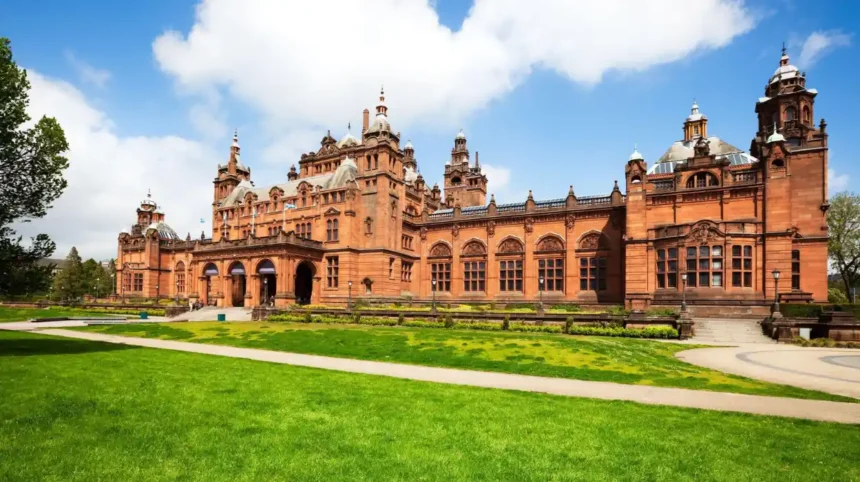
Kelvingrove Art Gallery and Museum is one of Glasgow’s best-known cultural attractions. Located beside Kelvingrove Park, the museum occupies an impressive red sandstone building that opened in 1901.
Its collection includes paintings, sculptures, historical objects, natural history displays and decorative arts. Visitors can explore works associated with artists such as Salvador Dalí, Titian and other internationally recognised figures.
The museum contains 22 galleries covering subjects such as:
- Scottish history and archaeology.
- Ancient Egyptian artefacts.
- European paintings and sculpture.
- Natural history and wildlife.
- Charles Rennie Mackintosh and Glasgow design.
One of its recognisable displays is a Spitfire aircraft suspended inside the central hall.
Kelvingrove also hosts organ recitals, providing another cultural experience without an admission charge. The published recital schedule includes 1 pm performances on weekdays and Saturday, and 3 pm on Sunday. Visitors should confirm the current programme before attending.
2. Riverside Museum
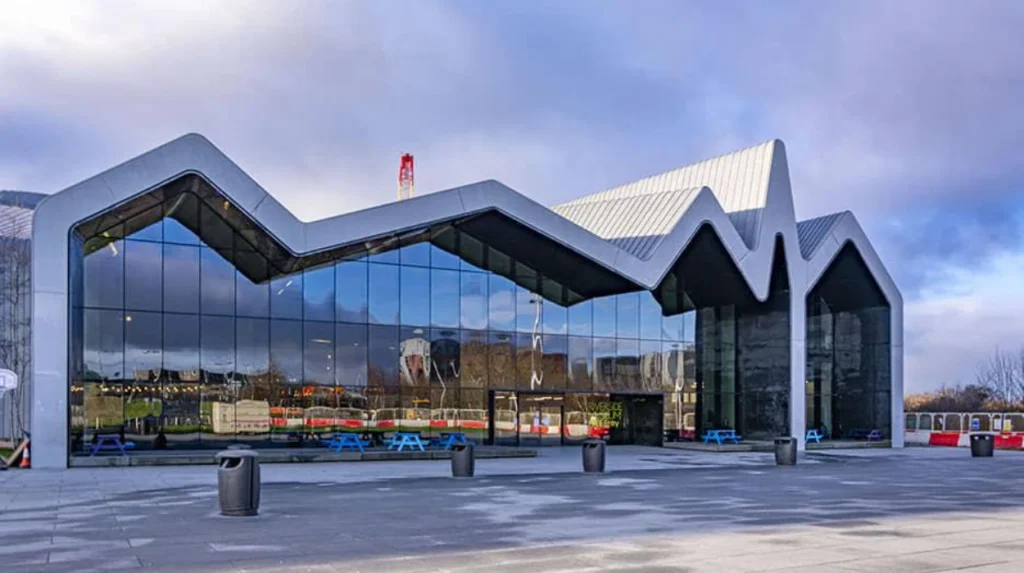
Riverside Museum is located beside the River Clyde and explores Glasgow’s transport, engineering and industrial heritage.
The museum features historic vehicles, including cars, bicycles, trams, locomotives and other transport equipment. Its recreated historic Glasgow street allows visitors to examine period shopfronts and learn about everyday urban life in earlier generations.
The attraction is particularly useful for families because its displays combine historical information with large objects and interactive experiences.
General museum admission is free. The adjacent Tall Ship, the Glenlee, provides another opportunity to explore Glasgow’s maritime heritage, subject to its own visitor arrangements.
3. The Burrell Collection
The Burrell Collection is situated inside Pollok Country Park in the south of Glasgow.
The museum displays the collection assembled by shipping entrepreneur Sir William Burrell and his wife, Constance. Its holdings include European paintings, sculptures, ceramics, textiles and objects from different historical periods.
Visitors can discover works associated with artists such as Edgar Degas and Édouard Manet, alongside ancient and medieval objects.
The collection is particularly valuable because its free admission provides access to internationally significant artworks.
The surrounding country park also offers woodland paths, open grassland and opportunities to observe wildlife, making it possible to combine a museum visit with an inexpensive outdoor day.
4. Gallery of Modern Art
Gallery of Modern Art is located in the city centre, making it convenient for visitors exploring Glasgow on foot.
Commonly known as GoMA, the gallery occupies a neoclassical building in Royal Exchange Square. It displays modern and contemporary artworks, including paintings, sculpture and installations.
The building is particularly recognisable because of the statue of the Duke of Wellington outside its entrance. The statue is famous for the traffic cone frequently placed on its head.
GoMA is a practical stop for visitors who want to explore contemporary culture without paying for admission.
5. The Hunterian Museum
The Hunterian Museum belongs to the University of Glasgow and is recognised as Scotland’s oldest public museum.
Its collections include scientific instruments, natural history specimens, archaeological material and historical objects. The museum provides insight into scientific research, medicine, geology and the development of collecting institutions.
The Hunterian is particularly useful for students, families and visitors interested in academic history.
Its location within the University of Glasgow campus also allows visitors to explore the surrounding historic architecture.
General admission is free, although opening arrangements and access to individual collections should be checked before visiting.
Which Parks and Gardens Offer Free Activities in Glasgow?
Glasgow has numerous public parks and gardens where visitors can enjoy walking, cycling, picnicking, wildlife observation and outdoor recreation without purchasing admission tickets. Kelvingrove Park, Glasgow Green, Pollok Country Park and Queen’s Park are popular examples.
Public parks are among the most accessible cheap things to do in Glasgow. They provide opportunities to enjoy nature, exercise and spend time outdoors without paying for entertainment.
Glasgow’s green spaces also reflect its urban development. Many historic parks were established during periods of industrial expansion to provide recreational facilities for growing communities.
Visit Glasgow identifies more than 90 parks and gardens across the city, demonstrating the importance of public green spaces to Glasgow’s visitor experience. Visit Glasgow+1
1. Kelvingrove Park
Kelvingrove Park is located in Glasgow’s West End, close to the university district and Kelvingrove Art Gallery and Museum.
Established in 1852 as West End Park, it is one of the city’s historic public parks.
Its main attractions include riverside paths, landscaped gardens, open lawns and mature trees. Visitors can walk along the River Kelvin, enjoy a picnic or spend time observing the surrounding landscape.
The park also provides access to nearby cultural attractions, making it suitable for a full day of inexpensive sightseeing.
2. Glasgow Green
Glasgow Green is one of the city’s oldest public parks. It occupies a historic position near the River Clyde and has been an important gathering place for generations of Glaswegians.
Visitors can explore its open spaces, monuments, walking paths and historic features.
Notable landmarks include the Doulton Fountain, the McLennan Arch and the former People’s Palace building.
The People’s Palace is currently closed for major refurbishment, so visitors should not plan their trip around entering the museum until Glasgow Life confirms its reopening.
Glasgow Green remains a useful destination for walking, photography, outdoor exercise and affordable family activities. Visit Glasgow+1
3. Pollok Country Park
Pollok Country Park is Glasgow’s largest country park and provides an extensive outdoor environment in the city’s southside.
Its landscape includes woodland, gardens, riverside paths and open countryside. Highland cattle are among its recognisable attractions.
Visitors can enjoy walking, cycling, photography and wildlife observation. The park also contains The Burrell Collection, allowing visitors to combine outdoor recreation with a free museum visit.
The park’s size makes it suitable for longer visits. Visitors should account for transport and any applicable parking charges when calculating their overall spending. Visit Glasgow+1
4. Glasgow Botanic Gardens
Glasgow Botanic Gardens is situated in the West End beside the River Kelvin.
The gardens feature landscaped outdoor areas, plant collections and Victorian glasshouses. The Kibble Palace is one of their most recognisable architectural features.
Visitors can explore the gardens, observe different plant species and enjoy a quiet outdoor break.
The attraction provides an accessible alternative to paid entertainment, particularly for couples, families and photography enthusiasts.
5. Queen’s Park
Queen’s Park is a historic green space in the city’s southside.
Its elevated viewpoint provides views across Glasgow and towards the surrounding hills in clear weather.
The park includes walking paths, open grassland, ponds and recreational areas. Visitors can enjoy a self-guided walk, exercise outdoors or organise an inexpensive picnic.
The park’s location also makes it convenient for exploring nearby neighbourhoods and local independent businesses.
What Free Walking Routes Can You Explore in Glasgow?
Glasgow offers several free walking experiences that combine historic architecture, street art, riverside scenery and cultural landmarks. The City Centre Mural Trail, Glasgow Cathedral area and River Clyde waterfront provide accessible routes for independent exploration.
Walking is one of the cheapest ways to discover Glasgow. The city centre contains many attractions within practical walking distance, while its historic neighbourhoods provide opportunities to explore local architecture and public art.
Self-guided walks also allow visitors to control their schedules and avoid the cost of organised sightseeing tours.
1. Glasgow City Centre Mural Trail
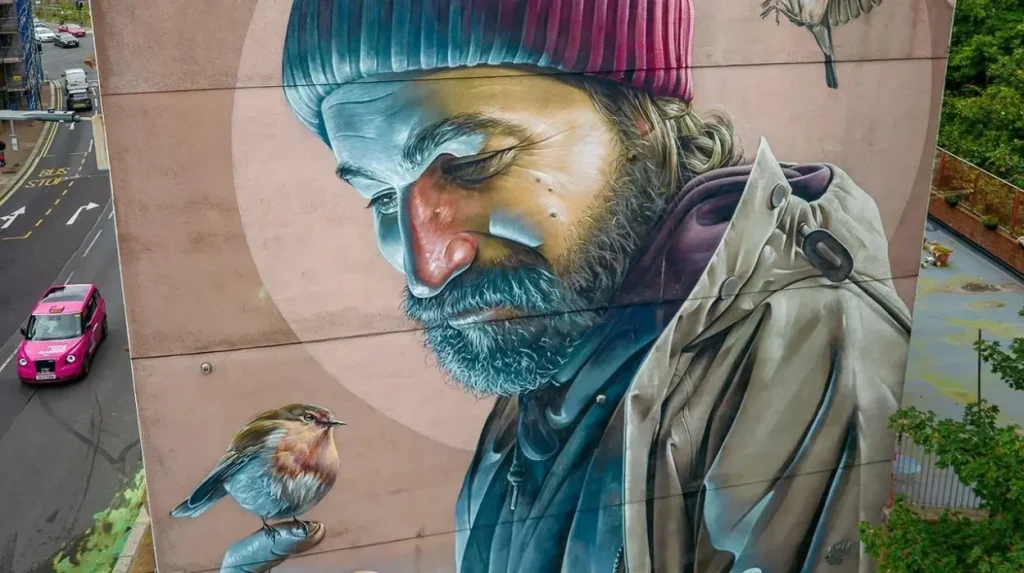
The Glasgow City Centre Mural Trail is one of the best free activities for visitors interested in urban art and photography.
The trail features large murals painted on buildings throughout the city centre. These artworks transform ordinary walls and building surfaces into public displays.
Important examples include:
- St Mungo mural by artist Smug.
- The World’s Most Economical Taxi.
- Honey, I Shrunk the Kids.
- Fellow Glasgow Residents.
- The Wonderwall.
The murals represent Glasgow’s contemporary creative culture and provide an alternative to conventional museum visits.
Visitors can explore the artworks independently using the official trail information. Comfortable footwear is recommended because the route involves walking through different streets and public spaces.
2. Glasgow Cathedral and the Necropolis
Glasgow Cathedral is one of the city’s most significant medieval landmarks. Its origins are associated with St Mungo, also known as St Kentigern, Glasgow’s patron saint.
The cathedral’s surviving medieval structure provides insight into Scotland’s religious and architectural history.
Visitors can explore its historic interior without paying a general admission fee. Donations are encouraged.
Nearby, Glasgow Necropolis provides another free historical experience.
The Victorian cemetery opened in 1832 and contains elaborate monuments, mausoleums and memorials. Its elevated position offers views across Glasgow’s historic buildings.
The route between the cathedral and the Necropolis is particularly useful for visitors interested in history, architecture and photography. Visitors should respect the cemetery’s peaceful environment and follow its access guidance. VisitScotland+1
3. River Clyde Riverside Walk
The River Clyde played a central role in Glasgow’s industrial development.
Its waterfront was historically associated with shipbuilding, international trade and engineering. Today, the surrounding area contains modern buildings, cultural venues and public walking routes.
Visitors can enjoy riverside scenery, photograph bridges and explore the relationship between Glasgow’s industrial past and contemporary development.
A walk around the waterfront also provides opportunities to visit the Riverside Museum and observe the surrounding maritime environment.
The route is particularly suitable for visitors who prefer outdoor activities over paid attractions.
4. Ashton Lane and the Hidden Lane
Ashton Lane is a historic cobbled lane in Glasgow’s West End.
It is known for its distinctive architecture, restaurants, independent businesses and atmospheric streetscape. Walking through the lane does not require an admission ticket, although food and drinks in nearby establishments involve additional spending.
The Hidden Lane is another interesting location for exploring Glasgow’s creative character.
Its colourful buildings and independent creative businesses provide opportunities for photography and casual sightseeing.
Both locations are suitable for visitors looking for inexpensive neighbourhood experiences.
What Are the Cheapest Things to Do in Glasgow for Families?
Families can enjoy affordable Glasgow activities through free museums, public parks, outdoor walking routes, libraries and community events. Kelvingrove Museum, Riverside Museum, Pollok Country Park and Glasgow Botanic Gardens provide educational and recreational experiences.
Glasgow offers family activities across different age groups and interests. Parents can plan educational outings without purchasing expensive attraction tickets.
Free museums are particularly useful for children because their collections introduce subjects such as history, science, transport, art and wildlife.
Outdoor spaces provide opportunities for physical activity and family recreation.
Which Museums Are Suitable for Children?
Riverside Museum is a useful family destination because children can discover historic vehicles and transport displays.
Kelvingrove Art Gallery and Museum also provides a wide range of subjects, including animals, dinosaurs, ancient Egyptian objects and paintings.
The Burrell Collection introduces children to art, sculpture and objects from different cultures.
Parents should check exhibition information and accessibility arrangements before visiting. General admission is free at these museums, helping families reduce the cost of educational entertainment.
Where Can Families Enjoy Outdoor Activities?
Pollok Country Park offers opportunities for family walks, picnics and wildlife observation.
Kelvingrove Park provides open lawns and walking routes close to the museum. Glasgow Botanic Gardens offers opportunities to discover plants and explore its glasshouses.
Queen’s Park is another practical destination for outdoor recreation.
Families can organise simple activities such as nature spotting, photography, walking challenges and outdoor games without paying admission charges.
Are Glasgow Libraries and Community Spaces Free?
Glasgow’s public libraries provide another affordable way to spend time in the city.
Library services support reading, education, research and community participation. Visitors can explore available public facilities, exhibitions and scheduled activities.
The Glasgow Women’s Library is particularly interesting because it preserves and celebrates women’s histories, achievements and cultural contributions.
Its collections, heritage activities and exhibitions provide opportunities for learning. Visitors should check current opening arrangements and event charges before attending.
Where Can You Find Cheap Food and Drinks in Glasgow?
Glasgow offers affordable food options through independent cafés, bakeries, takeaway businesses, traditional cafés and street markets. Exploring neighbourhoods such as the City Centre, Merchant City and the West End helps visitors find meals at different price levels.
Food is an important part of an affordable Glasgow itinerary. Visitors can control their spending by choosing casual restaurants, takeaway meals and inexpensive café options instead of relying on expensive dining establishments.
The city’s neighbourhoods provide different food experiences, from traditional Scottish dishes to international cuisines.
Which Areas Are Best for Affordable Food?
The City Centre contains bakeries, cafés, takeaway restaurants and casual dining establishments. Its central location makes it convenient for visitors exploring museums and shopping streets.
Merchant City offers a mixture of independent restaurants, cafés and food businesses. Visitors can compare menus and choose establishments that match their budgets.
The West End also contains independent cafés and casual eateries, particularly around Byres Road and Great Western Road.
Finnieston provides additional dining options, although prices vary considerably between establishments.
How Can Visitors Reduce Food Expenses?
Visitors can reduce food costs by planning meals around inexpensive cafés, supermarket options and takeaway establishments.
A simple breakfast from a bakery can cost less than a full restaurant meal. Carrying a reusable water bottle and snacks also reduces unnecessary purchases during sightseeing.
Picnics provide another affordable alternative. Glasgow’s public parks offer suitable spaces for outdoor meals, subject to local park regulations.
Are Markets a Cheap Place to Explore?
The Barras Market is a historic market area in the East End.
It is associated with independent traders, second-hand goods, antiques, clothing and local market culture.
Walking around the market area provides an inexpensive way to experience a different side of Glasgow. Visitors can browse without buying anything, although purchases depend on individual budgets.
The Barras also connects with the wider history of Glasgow’s working-class communities and commercial streets.
What Cheap Cultural Activities Can You Enjoy in Glasgow?
Glasgow’s cultural scene includes public art, live music, community exhibitions, historic architecture and independent creative spaces. Visitors can experience much of this culture through free exhibitions, public performances, walking trails and selected community events.
Glasgow has a strong cultural identity shaped by music, visual arts, architecture and community participation.
Its designation as a UNESCO City of Music reflects the importance of music within its cultural life. The city’s visitor information highlights more than 150 live music events per week, although event prices and admission arrangements vary. Visit Glasgow+1
Can You Enjoy Live Music Without Spending Much?
Glasgow has a long association with live music and performance.
Visitors can investigate venues offering free-entry performances, traditional music sessions and community events.
Some pubs and music venues provide free entertainment on selected evenings, although minimum spending requirements and event arrangements differ.
The best approach is to check venue listings before travelling rather than assuming every performance is free.
Which Architectural Landmarks Can You Explore?
Glasgow’s architecture offers another inexpensive cultural experience.
Important examples include Glasgow City Chambers, the University of Glasgow, Glasgow Cathedral and the historic buildings surrounding George Square.
The City Chambers stands prominently in George Square and represents the city’s Victorian civic development.
Visit Glasgow highlights free tours of the building, subject to availability and booking arrangements. Visit Glasgow
The University of Glasgow campus also provides opportunities to admire historic Gothic Revival architecture and explore its public surroundings.
These landmarks help visitors understand how Glasgow developed into an important Scottish centre of education, commerce and government.
How Can You Explore Glasgow on a Small Transport Budget?
Visitors can reduce transport spending by planning attractions geographically, walking between nearby landmarks and comparing public transport fares. Glasgow’s Subway, buses and railway services connect major neighbourhoods and help visitors reach attractions outside the city centre.
Transport is an important part of planning an affordable Glasgow trip. Visitors who organise their activities around neighbourhoods can reduce unnecessary journeys and avoid repeated ticket purchases.
Walking is particularly practical in the city centre, where museums, historic buildings, shopping streets and public artworks are relatively close together.
Is Glasgow Walkable for Budget Travellers?
Glasgow’s central neighbourhoods are suitable for independent walking.
Visitors can combine George Square, GoMA, Glasgow Cathedral, the Necropolis and sections of the mural trail into sightseeing itineraries.
The West End also offers opportunities to combine Kelvingrove Park, Kelvingrove Museum, the University of Glasgow and the Botanic Gardens.
These neighbourhood-based itineraries reduce transport costs while allowing visitors to explore several attractions in one outing.
Is Public Transport Affordable in Glasgow?
Glasgow Subway is a circular underground railway connecting the city centre with the West End and surrounding districts.
It provides convenient access to areas including Hillhead, Kelvinbridge and Buchanan Street.
First Glasgow buses and ScotRail train services provide additional connections across the city.
Visitors should compare current single, return and day-ticket prices before travelling. Ticket costs and concessions change, so checking the official transport operators provides the most reliable information.
How Can You Save Money on Transport?
A practical strategy is to organise sightseeing by location.
For example, visitors can explore Kelvingrove Museum, Kelvingrove Park and the University of Glasgow during one West End visit.
Another day can focus on Glasgow Cathedral, the Necropolis and nearby historic streets.
Combining nearby attractions reduces travel time and helps visitors avoid unnecessary transport expenses.
What Can You Do in Glasgow for Less Than £20?
A £20 daily budget can cover several Glasgow activities when visitors prioritise free attractions, walking routes and inexpensive food. Free museums, public parks, street art and self-guided sightseeing make it possible to enjoy a full day without expensive tickets.
Glasgow provides enough free attractions to build an itinerary around a limited daily budget. The key is to separate essential expenses, such as transport and meals, from optional purchases.
The following examples illustrate how visitors can organise affordable days out. Food and transport amounts are planning allowances rather than fixed local prices.
Example 1: An Affordable City Centre Day
A city centre itinerary can include:
- Walking around George Square.
- Visiting Gallery of Modern Art.
- Exploring the City Centre Mural Trail.
- Walking towards Glasgow Cathedral.
- Exploring the Necropolis.
All these activities can be enjoyed without standard attraction admission charges.
Visitors can spend their remaining budget on a bakery breakfast, inexpensive lunch or public transport if needed.
Example 2: A Budget-Friendly West End Day
The West End provides several attractions that work well together.
Visitors can explore Kelvingrove Art Gallery and Museum, walk through Kelvingrove Park, visit the University of Glasgow campus and continue towards the Botanic Gardens.
This itinerary combines art, architecture and outdoor recreation without requiring multiple paid attraction tickets.
Example 3: An Affordable Southside Day
A southside itinerary can focus on Pollok Country Park and The Burrell Collection.
Visitors can explore the museum, walk through the woodland areas and observe the park’s Highland cattle.
The main expenses involve getting to the area and purchasing refreshments.
Which Free Events and Seasonal Activities Can You Enjoy in Glasgow?
Glasgow offers seasonal opportunities for inexpensive entertainment through outdoor festivals, community events, public performances, exhibitions and nature activities. Visitors can discover affordable experiences throughout the year by checking official event calendars and local cultural listings.
Glasgow’s cultural calendar changes with the seasons. Summer generally provides more opportunities for outdoor events and park activities, while colder months encourage visitors to explore indoor museums, galleries and community venues.
What Can You Do in Glasgow During Summer?
Summer provides opportunities to enjoy Glasgow’s public parks, outdoor performances and cultural festivals.
Visitors can investigate events such as Glasgow Mela, which celebrates South Asian arts, music, dance and culture.
Outdoor walking, cycling and picnicking also become attractive options during longer daylight hours.
Kelvingrove Park, Glasgow Green and Pollok Country Park provide suitable locations for inexpensive outdoor activities.
What Are the Cheapest Winter Activities?
Winter visitors can focus on free indoor attractions.
Kelvingrove Art Gallery and Museum, Riverside Museum, GoMA and the Hunterian Museum provide opportunities to explore art, science, history and transport collections.
Libraries, cultural exhibitions and selected community events provide additional alternatives.
Visitors should check seasonal opening hours because public holidays and winter schedules sometimes affect access.
Are There Free Community and Cultural Events?
Glasgow hosts community activities throughout the year.
Examples include local exhibitions, cultural celebrations, public performances, heritage walks and community workshops.
Some events provide free entry, while others require advance registration or payment.
The best sources for finding these activities include Glasgow Life, Visit Glasgow, Glasgow City Council and individual cultural organisations.
How Can You Plan a Cheap Weekend in Glasgow?
A cheap Glasgow weekend works best when visitors combine free museums, historic landmarks, public parks and neighbourhood walks. Organising activities by location reduces transport expenses and leaves more of the travel budget available for food and optional experiences.
A two-day itinerary provides enough time to explore Glasgow’s main attractions without rushing between neighbourhoods.
The following plan focuses on accessible locations and free general admission.
Day One: City Centre and Glasgow’s Historic East End
Start at George Square and explore the surrounding architecture.
Continue towards GoMA and follow sections of the City Centre Mural Trail. After exploring the city centre, head towards Glasgow Cathedral.
Spend time learning about the cathedral’s medieval history before walking across to the Necropolis.
Finish the day around Glasgow Green, where visitors can enjoy the open landscape and historic monuments.
This itinerary combines public art, architecture, history and outdoor recreation.
Day Two: Glasgow’s West End and Southside
Begin the second day at Kelvingrove Art Gallery and Museum.
After exploring the galleries, walk through Kelvingrove Park towards the University of Glasgow.
Continue towards Glasgow Botanic Gardens to explore the outdoor spaces and glasshouses.
For visitors with additional time, the southside offers another inexpensive day out at Pollok Country Park and The Burrell Collection.
Because these destinations are in different parts of Glasgow, visitors should plan transport rather than attempting to combine every attraction into one walking route.
Explore More Area Guide
Cost of Living in Glasgow: How Much Does One Person Need?
Average Grocery Cost in Glasgow: Monthly Food Budget Guide
Which Glasgow Attractions Offer the Best Value for Money?
The best-value Glasgow attractions are those offering substantial cultural, educational or recreational experiences without standard admission charges. Kelvingrove Museum, Riverside Museum, The Burrell Collection and public parks provide particularly strong value.
Value does not depend entirely on ticket prices. The time visitors can spend at an attraction, the quality of its collections and nearby activities also influence its overall usefulness.
The following locations provide different types of free experiences.
Kelvingrove Art Gallery and Museum
Free general admission
Best for art, history, architecture and family learning.Kelvingrove Art Gallery and Museum
Riverside Museum
Free general admission
Best for transport, engineering and maritime history.Riverside Museum
Glasgow Botanic Gardens
Free entry to gardens
Best for nature, photography and outdoor relaxation.Glasgow Botanic Gardens
Pollok Country Park
Free park entry
Best for woodland walks, wildlife and countryside scenery.
The Hunterian Museum
Free general admission
Best for science, archaeology and academic collections.
Where Are the Best Cheap Attractions Located in Glasgow?
Glasgow’s free attractions are distributed across its city centre, West End, East End and southside. Understanding their locations helps visitors organise efficient sightseeing routes and avoid unnecessary transport expenses.
The city centre is useful for exploring public art, historic buildings and cultural landmarks. The West End combines museums, university architecture and gardens. The East End offers historic attractions, while the southside provides larger green spaces and The Burrell Collection.
How Can Glasgow Remain an Affordable Destination in the Future?
Glasgow’s network of publicly accessible museums, parks, cultural institutions and walking routes supports affordable tourism. Continued investment in public spaces, heritage conservation and community programmes will remain important for maintaining accessible experiences.
Affordable attractions contribute to Glasgow’s wider visitor economy. They encourage longer visits, support neighbourhood exploration and provide opportunities for people who cannot afford expensive entertainment.
Public museums also preserve historical collections and make cultural education accessible to different communities.
The city’s green spaces contribute to urban environmental quality, recreation and public wellbeing. Their importance extends beyond tourism because residents use them for exercise, social activities and everyday outdoor experiences.
Future investment in these public facilities will influence how visitors and residents experience Glasgow.
The continued development of walking routes, cultural programmes and accessible visitor information will also help people discover inexpensive activities across different neighbourhoods.
Glasgow’s combination of industrial heritage, public art, green spaces and free cultural attractions gives it a strong foundation as an affordable city destination.
Glasgow provides a wide range of cheap and free activities for residents, families, students and visitors. Its museums and galleries offer access to art, science, transport and history, while public parks and walking routes provide opportunities for outdoor recreation.
Kelvingrove Art Gallery and Museum, Riverside Museum, The Burrell Collection, Glasgow Botanic Gardens and Glasgow Cathedral are particularly useful attractions for budget-conscious visitors.
Exploring the City Centre Mural Trail, walking around the Necropolis and discovering neighbourhoods such as the West End and Merchant City also provide inexpensive ways to experience the city’s character.
With sensible transport planning and affordable food choices, visitors can enjoy a rewarding Glasgow experience without a large entertainment budget.
What are the best cheap things to do in Glasgow?
Some of the best cheap things to do in Glasgow include visiting Kelvingrove Art Gallery and Museum, exploring Glasgow Green, walking the City Centre Mural Trail, visiting Glasgow Cathedral and discovering the Botanic Gardens.