Key Points
- Romano Perella, the owner of Glasgow’s renowned Italian small plates restaurant Malocchio and the nearby Amore, has secured two prominent vacant commercial units in Glasgow city centre.
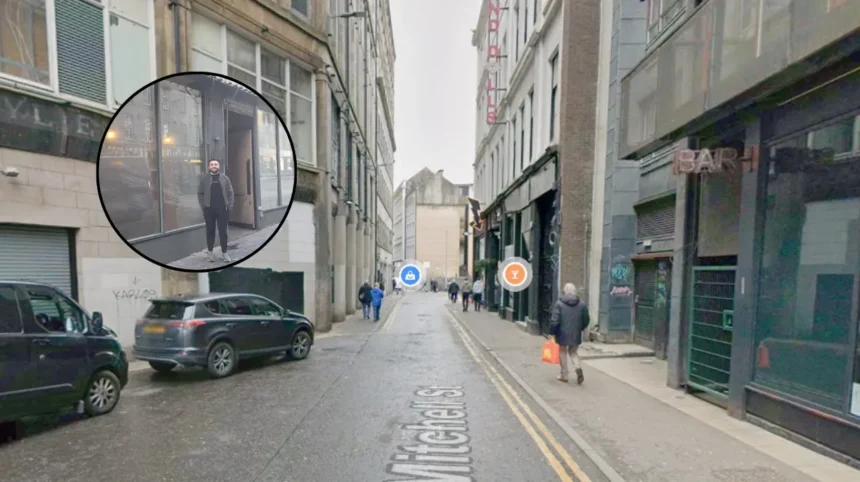
- The newly acquired sites include the former Sapporo premises in the Merchant City (located right next to Amore) and the former Franco Manca restaurant space on Mitchell Street.
- Malocchio, located on Ingram Street, originally opened in late summer 2025 as a debut concept by Romano Perella following his takeover of the former Mediterraneo site.
- The strategic expansion follows a successful period for Malocchio, which gained widespread acclaim and viral social media attention for its modern, experimental approach to Italian small plates and upscale dining.
- The redevelopment of these two vacant units aims to breathe fresh life into Glasgow’s commercial property landscape, bringing new dining concepts to the city centre and Merchant City districts.
Glasgow (Glasgow Express) October 1, 2026 – Glasgow’s vibrant culinary and hospitality landscape is poised for a major shake-up as prominent restsurateur Romano Perella prepares to take over two high-profile vacant units in the heart of the city, as reported by the Glasgow Times.
Romano Perella—who launched the celebrated modern Italian small plates venue Malocchio on Ingram Street just over a year ago and also runs the established New York City-style Italian spot Amore—has successfully snapped up significant commercial premises previously occupied by major national names. According to details covered by the Glasgow Times, the expansion targets the former Sapporo restaurant site situated in the Merchant City right beside Amore, alongside the former Franco Manca unit located on Mitchell Street in the city centre.
What Do We Know About the Expansion of Malocchio and Romano Perella’s New Ventures?
The acquisition marks a major milestone for Romano Perella, who has quickly cemented his reputation as one of Glasgow’s most dynamic independent hospitality entrepreneurs. Having debuted Malocchio in late August 2025 inside the former Mediterraneo space, Romano Perella steered the restaurant away from safe, traditional trajectories, favoring an innovative menu of sharing plates, experimental flavor profiles, and trend-setting dishes that captured immediate attention on social media platforms.
Building on this momentum, the acquisition of the former Sapporo site in the Merchant City places his next entrepreneurial move literally steps away from his existing stronghold at Amore. Meanwhile, securing the former Franco Manca property on Mitchell Street gives him a substantial footprint right in the bustling core of Glasgow city centre. While exact details regarding the specific concepts, themes, or opening timelines for these two newly acquired addresses remain tightly under wraps, the strategic move signals absolute confidence in the resilience and appeal of independent dining experiences within Glasgow.
How Has Malocchio Shaped Glasgow’s Modern Dining Scene?
Since swinging open its doors, Malocchio has carved out a distinct niche by rejecting conventional Italian-American tropes in favor of a chic, metropolitan vibe combined with forward-thinking food. As highlighted in regional food reviews and media coverage, Romano Perella made headlines earlier in the year by courageously stripping viral hits—such as their immensely popular vodka pasta—off the main menu to make room for rotating seasonal creations like cacio pepe raviolo, squid ink crab pasta, and butter-and-sage potato gnocchi.
This refusal to “play it safe” has resonated strongly with local diners and food critics alike, transforming Malocchio into a benchmark for culinary creativity in Glasgow’s Merchant City. The decision by Romano Perella to scale his operations into two major vacant spaces indicates that his formula of quality, adaptability, and high-energy restaurant atmosphere is ready for multiplication across different parts of the urban core.
Background of the Particular Development
The high street and city centre economies across the United Kingdom have faced severe headwinds over recent years, driven by shifting consumer habits, rising operational costs, and the widespread post-pandemic retreat of large corporate hospitality chains. In Glasgow, high-profile closures—such as the departure of national chains like Franco Manca and specialty dining spots like Sapporo—have left behind cavernous, empty commercial units that threaten the vitality of key urban arteries like Mitchell Street and the Merchant City.
Romano Perella’s latest move represents a counter-trend led by independent local operators who are stepping in to reclaim and reinvent vacant spaces. By leveraging the proven brand equity of successful independent concepts like Malocchio and Amore, local entrepreneurs are uniquely positioned to negotiate favorable lease arrangements, repurpose tired commercial layouts, and restore footfall to commercial districts that desperately require active evening economies.
Prediction
This high-profile development is expected to inject a much-needed economic and cultural boost into Glasgow city centre and the Merchant City, directly benefiting local food enthusiasts, hospitality workers, and surrounding independent retailers. For local diners, the arrival of Romano Perella’s two new ventures promises enhanced culinary variety, steering away from sterile corporate dining models toward vibrant, personality-driven neighborhood eateries.
Economically, the dual-site expansion will likely generate substantial employment opportunities across front-of-house, kitchen, and management sectors, offering a welcome safety net for hospitality professionals affected by recent industry closures across the city. Furthermore, by occupying prominent, long-vacant blots on Mitchell Street and the Merchant City, these upcoming ventures will help drive evening footfall, encouraging a symbiotic relationship with nearby bars, cafes, and shops. Ultimately, this expansion signals a strong vote of confidence in Glasgow’s urban core, proving that agile independent operators can successfully anchor the future high street landscape.