
Giffnock and Clarkston deliver strong value for families commuting into Glasgow through excellent schools, safe streets, fast rail links, and established suburban amenities. Both towns sit in East Renfrewshire, approximately 4–6 miles south of Glasgow city centre. Train journeys to Glasgow Central take 14–20 minutes. Average house prices range from £284,000 to £372,920 in Giffnock, with Clarkston commanding similar premium pricing. Crime rates rank among the lowest in the Glasgow commuter belt. East Renfrewshire schools consistently achieve top SQA exam results. Daily transport costs remain manageable through ScotRail and First Bus services.
- What defines Giffnock and Clarkston as Glasgow commuter towns?
- How long does the daily commute from Giffnock and Clarkston to Glasgow take?
- What are the house prices and property costs in Giffnock and Clarkston?
- Which schools serve Giffnock and Clarkston families and how do they perform?
- How safe are Giffnock and Clarkston for families with children?
- What amenities and lifestyle features do Giffnock and Clarkston offer families?
- What are the total monthly costs of commuting from Giffnock and Clarkston to Glasgow?
- Do Giffnock and Clarkston justify the commute for Glasgow-based families?
What defines Giffnock and Clarkston as Glasgow commuter towns?
Giffnock and Clarkston function as affluent suburban towns within East Renfrewshire, positioned 4–6 miles south of Glasgow city centre with direct rail and bus connectivity. These towns form part of the Glasgow commuter belt, offering residents access to city employment while maintaining distinct suburban identities.
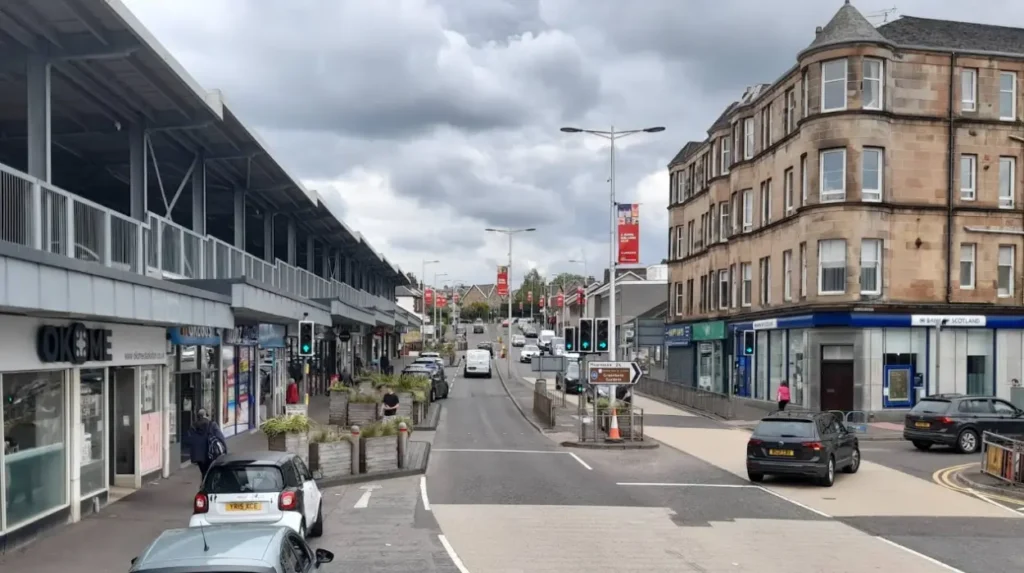
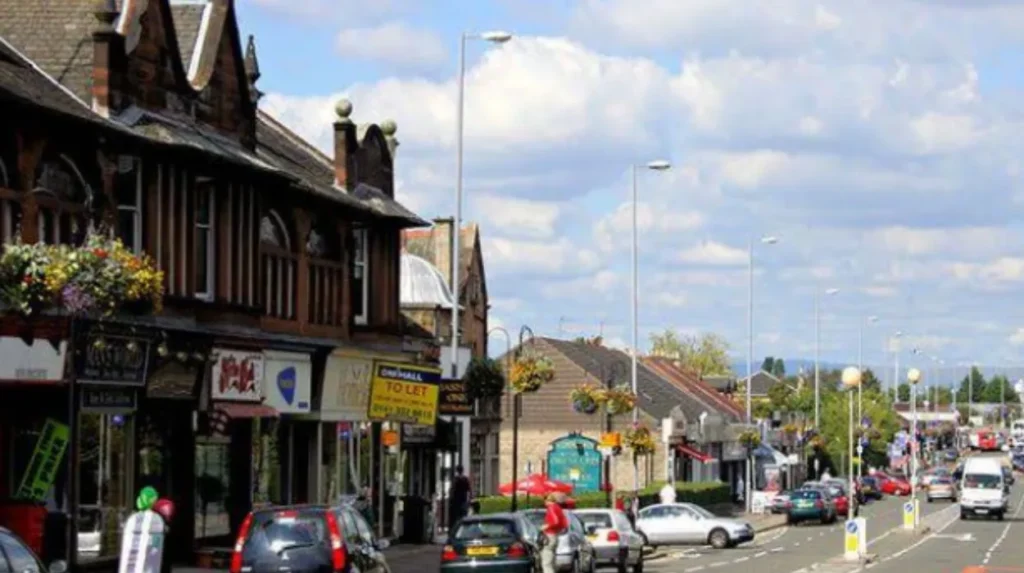
Giffnock operates as a distinct town with its own high street along Fenwick Road, featuring independent shops, restaurants, cafes, and a public library. The town centre provides everyday essentials including supermarkets, professional services, and leisure facilities. Clarkston maintains a compact town centre with similar amenities, plus direct access to Williamwood Park and Rouken Glen Park for recreation.
Both towns fall under East Renfrewshire Council jurisdiction, which delivers higher-rated public services compared to Glasgow City Council in areas such as street maintenance, waste collection, and school infrastructure. The postal districts cover G43 (Giffnock) and G76 (Clarkston), with both areas sharing the Southside Glasgow postcode region for administrative purposes.
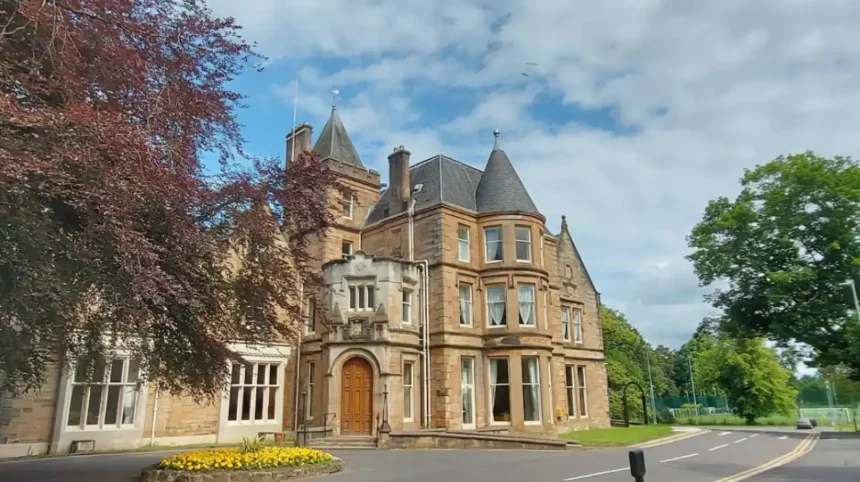
Historical development patterns show Giffnock and Clarkston emerged as residential suburbs during the late 19th and early 20th centuries, attracting middle-class families seeking separation from industrial Glasgow while maintaining employment access. Red sandstone villas, detached homes, and tree-lined streets characterize the architectural landscape. Golf courses including Giffnock Golf Club and proximity to Rouken Glen Country Park reinforce the affluent suburban identity.
How long does the daily commute from Giffnock and Clarkston to Glasgow take?
Train journeys from Giffnock to Glasgow Central average 17 minutes with 49 daily services, while Clarkston to Glasgow Central takes 19–20 minutes with up to 35 daily trains. First trains depart Clarkston at 06:33, arriving Glasgow Central at 06:54. Last trains leave after midnight, enabling evening social and professional commitments.
ScotRail operates direct services on both routes without requiring changes. Peak-hour frequency reaches one train every 10–15 minutes during weekday mornings and evenings. Off-peak services maintain 20–30 minute intervals throughout the day. Weekend schedules reduce frequency slightly but retain hourly connectivity.
Advance-purchase tickets start from £2.25–£4.20 one-way depending on the station and booking time. Monthly season tickets offer cost savings for daily commuters, with annual passes providing further discounts. Rail fares remain competitive compared to fuel, parking, and congestion costs associated with car commuting into Glasgow city centre.
Bus services supplement rail connectivity through First Bus routes including Service 4, 38, and 38A, which connect Giffnock and Clarkston to Glasgow city centre, Shawlands, and Newton Mearns. Journey times by bus range from 25–40 minutes depending on traffic conditions and specific destinations within Glasgow. Night bus services including N6 and N38 operate on weekends, providing late-night transport options for social activities.
Car commuting via the M77 motorway and A77 road takes 15–25 minutes during off-peak hours, extending to 35–45 minutes during rush hour congestion. Parking costs in Glasgow city centre range from £3–£8 per day in public car parks, with additional charges for restricted zones and residential permit requirements.
What are the house prices and property costs in Giffnock and Clarkston?
Average sold house prices in Giffnock reached £284,000 in 2025, with average listing prices of £372,920, reflecting premium suburban positioning within the Glasgow market. Clarkston properties command comparable pricing, with detached family homes typically ranging from £350,000 to £500,000 depending on size, condition, and proximity to schools and transport links.
Detached villas and four-bedroom properties represent the dominant housing stock, appealing to families seeking space and privacy. Semi-detached homes and larger flats offer entry points around £250,000–£300,000, though inventory remains limited due to high demand and low turnover rates.
Garrington Property Finders identified Giffnock in 2020 as one of the UK’s best commuter towns for post-pandemic hybrid working, citing average detached home prices of £405,393 alongside 16-minute commute times and ultrafast broadband coverage exceeding 55% household penetration. This positioning attracted professionals seeking work-life balance without sacrificing city employment access.
Property market dynamics show Giffnock experienced a 9.4% price decline in sold transactions over the 12 months to September 2025, reflecting broader UK housing market corrections and mortgage rate increases. However, listing prices remain stable, indicating seller resilience and continued demand from family buyers prioritizing school catchments and suburban amenities.
Rental availability remains constrained, with limited properties entering the lettings market due to owner-occupier dominance and long-term residency patterns. Families seeking rental accommodation face competition and should expect premiums of 15–25% above Glasgow average rents for comparable properties.
Which schools serve Giffnock and Clarkston families and how do they perform?
East Renfrewshire operates six secondary schools including Williamwood High School in Clarkston and St Ninian’s High School in Giffnock, all achieving top-tier SQA exam results in 2025–2026. The council area consistently ranks among Scotland’s highest-performing local authorities for educational attainment.
Williamwood High School serves Clarkston, Netherlee, and surrounding areas as a non-denominational secondary with strong academic outcomes and extensive extracurricular programs. St Ninian’s High School provides Roman Catholic secondary education for Giffnock families, maintaining comparable academic standards and university progression rates.
Primary education includes Giffnock Primary, Thornliebank Primary, Busby Primary, Carolside Primary, and Netherlee Primary, all feeding into secondary clusters based on catchment boundaries. Every residential address in East Renfrewshire has designated catchment primary and secondary schools, with parents holding statutory rights to attend these institutions.
Scottish Government school transport guidance mandates free bus passes for primary pupils living beyond 2 miles from their catchment school and secondary pupils beyond 3 miles. East Renfrewshire Council implements these requirements, reducing transport costs for families residing in outer catchment areas.
Exam results published in 2026 show East Renfrewshire pupils achieving record-breaking Higher and Advanced Higher pass rates, with performance metrics exceeding national averages across all subject categories. This educational excellence drives sustained demand from families prioritizing academic outcomes, reinforcing property price premiums in Giffnock and Clarkston catchments.
Placing requests enable families to apply for non-catchment schools by 15 March each year, though acceptance depends on capacity availability. East Renfrewshire provides online school finder tools mapping property addresses to designated catchment institutions, supporting informed relocation decisions.
How safe are Giffnock and Clarkston for families with children?
Crime rates in Giffnock and Clarkston rank among the lowest in the Glasgow commuter belt, with East Renfrewshire wards recording minimal violent crime, antisocial behaviour, and property offences per 1,000 population. Data from 2020–2024 shows Clarkston, Netherlee and Williamwood ward reporting 3 non-sexual crimes of violence, 5 crimes of dishonesty, and 1–2 antisocial offences per 1,000 residents annually.
Giffnock and Thornliebank ward recorded slightly higher figures with 4–5 non-sexual crimes of violence, 9–14 crimes of dishonesty, and 2–4 antisocial offences per 1,000 population, still positioning both areas within East Renfrewshire’s lowest crime rate band. No wards in East Renfrewshire fall into Scotland’s highest crime rate category, reflecting consistent public safety across the council area.
Road traffic offences represent the most frequent incident type, with 5–13 reported cases per 1,000 residents annually across both wards. Glasgow City Council and East Renfrewshire Council implement School Streets pilot programs restricting vehicle access during peak school times, reducing congestion and improving pedestrian safety around educational institutions.
Parental perceptions reinforce statistical safety, with community forums identifying Giffnock, Clarkston, and Netherlee as “nice safe areas” suitable for families requiring proximity to the Queen Elizabeth University Hospital (QEUH) and top-performing schools. Reddit communities highlight well-maintained streets, active neighbourhood watch presence, and strong community cohesion as contributing factors to low crime rates.
Emergency services response times remain competitive due to proximity to Glasgow’s central resources and East Renfrewshire’s compact geography. Police Scotland maintains visible patrols in suburban areas, with community policing initiatives supporting crime prevention and resident engagement.
Explore More Area Guide
Kelvingrove Park for Families in Glasgow: What It’s Really Like
How Do Glasgow Secondary Schools Compare to Surrounding Council Area Schools?
What amenities and lifestyle features do Giffnock and Clarkston offer families?
Giffnock and Clarkston provide comprehensive local amenities including supermarkets, independent shops, restaurants, cafes, libraries, and extensive green spaces such as Rouken Glen Park and Williamwood Park. Residents access everyday essentials without requiring frequent trips into Glasgow city centre, supporting work-life balance for commuting professionals.
Fenwick Road in Giffnock functions as the primary commercial spine, hosting diverse dining options, specialty food retailers, professional services, and community facilities including a public library. Clarkston’s town centre offers similar amenities with additional emphasis on independent boutiques, coffee shops, and family-oriented restaurants.
Green space provision exceeds Glasgow averages, with Rouken Glen Country Park offering 140 acres of woodland, walking trails, playgrounds, and a boating pond within 10 minutes’ drive from both towns. Williamwood Park provides smaller-scale recreation with sports pitches, dog-walking areas, and running routes popular with local families.
Sports clubs, gyms, and leisure facilities maintain strong representation, including Giffnock Golf Club, local football academies, and community fitness centres. These amenities support active lifestyles and community engagement, reinforcing suburban appeal for families prioritizing health and social connection.
Healthcare access includes multiple GP practices, dental surgeries, and pharmacies within both towns, plus proximity to the Queen Elizabeth University Hospital for specialist care. Travel times to QEUH range from 10–15 minutes by car, supporting families with young children or elderly dependents requiring regular medical attention.
Night-time economy support arrives through First Bus night services N6 and N38, enabling weekend social activities without requiring private transport. These routes connect Giffnock and Clarkston to Glasgow city centre, Shawlands, and Paisley until early morning hours, expanding lifestyle options for residents.
What are the total monthly costs of commuting from Giffnock and Clarkston to Glasgow?
Monthly rail season tickets from Giffnock or Clarkston to Glasgow Central cost approximately £80–£120, with annual passes offering further discounts for daily commuters. Bus fares through First Bus range from £2.50–£3.00 per single journey, with day tickets and weekly passes reducing per-trip costs for regular users.
Advance-purchase single tickets start from £2.25–£4.20 depending on the station and booking timeframe, enabling cost savings for flexible commuters. Monthly season tickets provide unlimited travel within specified zones, with annual passes delivering 10–15% savings compared to purchasing monthly tickets consecutively.
Car commuting introduces additional expenses including fuel, parking, insurance, and maintenance. Daily parking in Glasgow city centre ranges from £3–£8 in public car parks, with monthly permits costing £100–£200 depending on location and restrictions. Fuel costs for 10–12 mile round trips average £3–£5 daily, translating to £60–£100 monthly for five-day commuters.
School transport costs remain minimal due to East Renfrewshire Council’s provision of free bus passes for eligible pupils living beyond statutory distance thresholds. Clothing grants of £120 per primary pupil and £150 per secondary pupil further reduce family education expenses.
Total monthly commuting costs for rail users typically range from £100–£150 including occasional taxi fares or bus supplements. Car commuters face £150–£250 monthly expenses when accounting for all variable and fixed costs. These figures remain competitive relative to Glasgow average commuting expenses, supporting Giffnock and Clarkston’s value proposition for family budgets.
Do Giffnock and Clarkston justify the commute for Glasgow-based families?
Giffnock and Clarkston justify the daily commute for Glasgow-based families through superior schools, low crime rates, fast transport links, and comprehensive suburban amenities that offset travel time and costs. East Renfrewshire’s educational excellence, public safety record, and service quality create tangible lifestyle advantages for families prioritizing long-term stability and child development.
Property price premiums reflect sustained demand from commuting professionals and families seeking balanced urban-suburban living. Rental constraints limit flexibility for transient households, though owner-occupiers benefit from capital appreciation and community continuity.
Transport infrastructure supports reliable daily commuting through frequent rail services, complementary bus routes, and strategic road connectivity. Night bus services expand social options without requiring private vehicle ownership.
Healthcare access, green space provision, and local amenities reduce dependency on Glasgow city centre for everyday needs, enabling residents to maintain suburban lifestyles while accessing city employment. This balance defines Giffnock and Clarkston’s enduring appeal within the Glasgow commuter belt.
Families evaluating relocation should weigh commute duration against educational outcomes, safety metrics, and quality-of-life factors. Giffnock and Clarkston deliver measurable advantages across these dimensions, supporting their positioning as premier family commuter towns for Glasgow-based professionals.
Are Giffnock and Clarkston good places for families commuting to Glasgow?
Yes. Giffnock and Clarkston are among the most popular family commuter towns south of Glasgow, offering excellent schools, low crime rates, direct rail links, green spaces, and strong local amenities.