
Key Points
- Extended NightBus Operations: First Bus Greater Glasgow will run an extra journey on four key NightBus routes (N2, N18, N240, and N267) specifically for Scotland’s opening World Cup match.
- Late-Night Kick-Off: Scotland’s opening group fixture against Haiti takes place in Boston, USA, with a UK kick-off time scheduled for 2:00 am on Sunday, 14 June.
- Hospitality Extension: Licensing rules will permit local pubs and bars across Glasgow to remain open up to 30 minutes after the final whistle, prompting the transit adjustment.
- Standard Schedules Maintained for Remaining Fixtures: The transport operator confirmed that standard NightBus timetables will apply for Scotland’s subsequent group stage matches against Morocco and Brazil, which feature earlier 11:00 pm UK kick-off times.
- 24-Hour Continuous Route: Passengers are also being reminded of the existing 77 service, which continuously links the city centre with Charing Cross, Partick, and the Queen Elizabeth University Hospital 24 hours a day.
Glasgow (Glasgow Express) June 3, 2026 – First Bus Greater Glasgow has officially confirmed a series of late-night transport adjustments to support Scottish football supporters during the upcoming international tournament. As reported by transport communications staff via the operator’s official digital planning channels, an additional journey will operate on four distinct NightBus services across the city.
- Key Points
- Which Specific Routes and Services Are Affected by the Changes?
- What Are the Transport Arrangements for the Remaining Group Matches?
- How Do Network Planners View the Operational Adjustments?
- Background of the Particular Development
- Prediction: How This Development Can Affect Glasgow Nighttime Consumers and Supporters
- Operational Baseline for Future Nighttime Events
This measure has been enacted specifically to assist fans returning home after watching Scotland’s opening fixture against Haiti in commercial venues, pubs, and bars situated throughout the Glasgow metropolitan area.
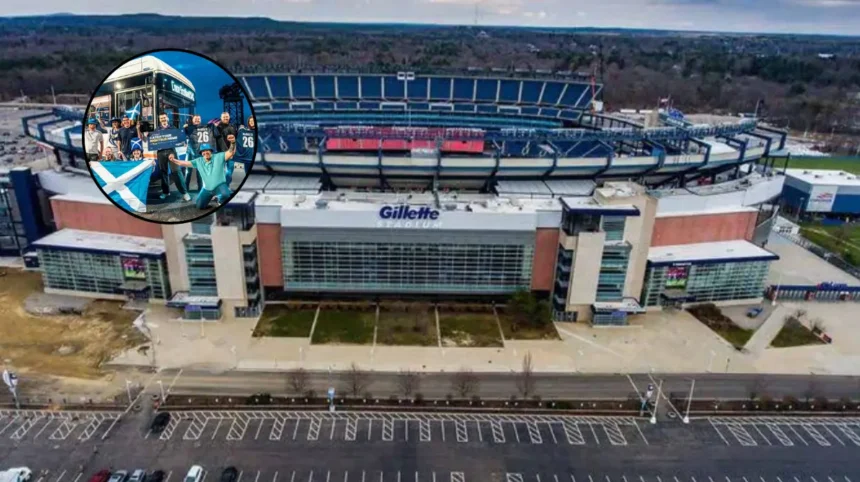
The logistical adjustments are a direct response to the unusual timing of the opening fixture. Because the tournament is hosted in North America, Scotland’s inaugural match is scheduled to take place at the Gillette Stadium in Boston on Sunday, 14 June, translating to a 2:00 am kick-off time for viewers in the United Kingdom.
To accommodate the late-night viewership, licensing authorities are allowing local hospitality premises to extend their operational hours, remaining open up to 30 minutes after the conclusion of the match.
To bridge the transit gap created by these extended licensing hours, First Bus will deploy the extra services on the N2, N18, N240, and N267 routes, ensuring transport availability well into the early morning hours.
Which Specific Routes and Services Are Affected by the Changes?
According to service schedules published on the official First Bus Greater Glasgow travel portal, the targeted extensions are restricted to four primary night corridors that connect the city centre to outlying districts and neighboring towns. The designated routes undergoing service extensions include:
- The N2 Service: Connecting central Glasgow to eastern and western residential corridors.
- The N18 Service: Serving passengers traveling towards South Lanarkshire sectors.
- The N240 Service: Providing transit links through the Motherwell and Wishaw corridors.
- The N267 Service: Facilitating travel towards the remaining southern arterial routes.
The operator has directed passengers to its dedicated digital infrastructure to view specific timetables, routing maps, and departure times for these additional runs. Beyond these special interventions, First Bus network planners highlighted that the existing 77 service remains fully operational.
The 77 route provides an uninterrupted, 24-hour transit link connecting Glasgow city centre directly to key districts, including Charing Cross, Partick, and the Queen Elizabeth University Hospital (QEUH), offering an alternative travel option for supporters residing along that corridor.
What Are the Transport Arrangements for the Remaining Group Matches?
As outlined in the official statement released by First Bus Greater Glasgow, the special late-night extensions will not be replicated for the remainder of the group stage matches, as the scheduling for those fixtures aligns more closely with standard public transport operational windows.
Scotland’s second group fixture is scheduled against Morocco on Friday, 19 June, originating from Boston, while the final group stage match against Brazil will take place on Wednesday, 24 June, in Miami.
Both the Morocco and Brazil fixtures are scheduled to kick off at 11:00 pm UK time. Because these matches conclude significantly earlier than the opening game against Haiti, First Bus network planners determined that the standard, existing NightBus timetables provide sufficient capacity to support the movement of football fans across the city.
The operator expects standard weekend and weekday night provisions to absorb the anticipated passenger volumes without requiring emergency scheduling interventions.
How Do Network Planners View the Operational Adjustments?
The structural adjustments to the nocturnal network have been framed by corporate planners as an essential community service to ensure public safety and network reliability during a high-profile sporting event. Max Cairns, the Network Planning Manager for First Bus in Scotland, stated that:
“We’re as excited as all Scottish fans about our group games in the World Cup. Taking the bus is the easiest way to get into the city. And by extending these services into the early hours, we’re playing our part in helping to make sure fans can experience the excitement and drama, knowing they’ll be able to get home safely after the final whistle.”
The statement emphasizes the dual objectives of the transport provider: maintaining high volumes of city centre connectivity while managing passenger dispersal safely during non-traditional operating hours. The company’s strategy relies on directing fans toward pre-planned, high-capacity road transport to mitigate the risks of overcrowding or standard transport deficits within the city centre infrastructure after 4:00 am.
Background of the Particular Development
The adjustment of urban transport networks to accommodate major sporting events is a recurring operational challenge for municipal authorities and private transit operators in Scotland. Historically, late-night transport provision in Glasgow has faced scrutiny from hospitality trade bodies, late-night workers, and entertainment campaigners, who have frequently argued that early-morning transit options do not fully align with the city’s late-night economy.
In recent years, licensing boards across Scotland have increasingly adopted flexible frameworks during international tournaments, allowing extended operating licenses to prevent unregulated street gatherings and to support local businesses.
However, these extended hours frequently create friction if public transport networks revert to standard timetables, leaving large volumes of patrons inside city centres without immediate rail or bus access after 3:00 am.
The decision by First Bus to proactively align its NightBus departures with the conclusion of a 2:00 am international sports fixture represents a structural coordination between private transport planning, local municipal licensing allowances, and large-scale public demand.
Prediction: How This Development Can Affect Glasgow Nighttime Consumers and Supporters
The temporary expansion of the First Bus NightBus network is expected to have several distinct impacts on Glasgow’s late-night consumers, football supporters, and hospitality operators during the tournament opener.
For the specific audience of football supporters viewing the match within commercial premises, the additional journeys will directly lower the risk of becoming stranded in the central urban area during the early hours of Sunday, 14 June. Typically, a 2:00 am kick-off means matches wrap up around 3:45 am.
This creates a sudden, concentrated demand for transit at a time when standard rail services are non-operational and private hire taxi availability is historically low. The availability of the N2, N18, N240, and N267 services will distribute passenger loads across high-capacity vehicles, reducing wait times and queuing friction at taxi ranks.
For pub, bar, and entertainment venue operators, the guaranteed transport extension removes a significant barrier to consumer attendance. Consumers are more likely to remain in city centre venues for the duration of the broadcast and the subsequent 30-minute grace period if they have a clear, cost-effective transit route home.
This predictable transport framework allows businesses to maximize the financial utility of their extended liquor and operational licenses without the risk of managing stranded patrons outside their premises post-closure.
Operational Baseline for Future Nighttime Events
From a network perspective, the utilization rates of these specific World Cup sports runs will likely serve as a data baseline for First Bus and transport authorities.
If passenger volumes on the N2, N18, N240, and N267 routes show high capacity utilization during these late hours, it may influence future decisions regarding permanent or semi-regular late-night weekend expansions. Conversely, if demand remains low despite the high profile of the football fixture, transport providers may look to alternate models or restrict future tournament interventions entirely to major weekend dates.