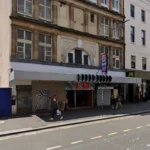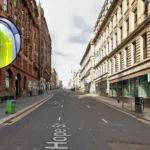

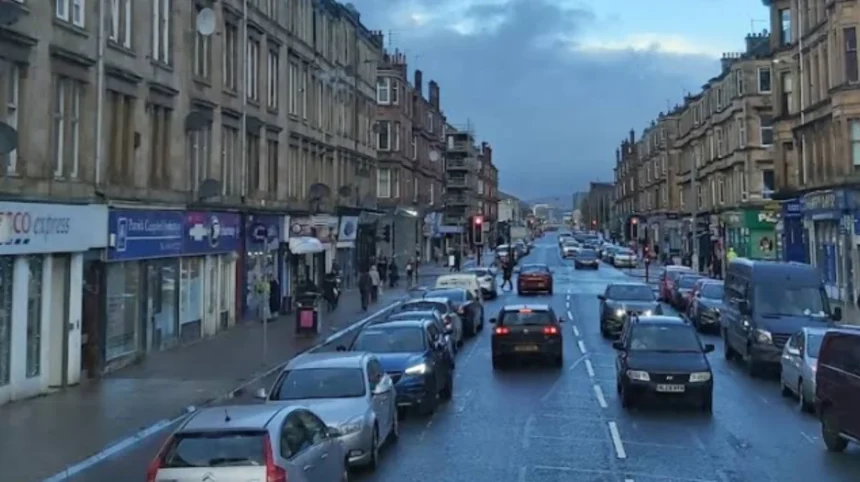
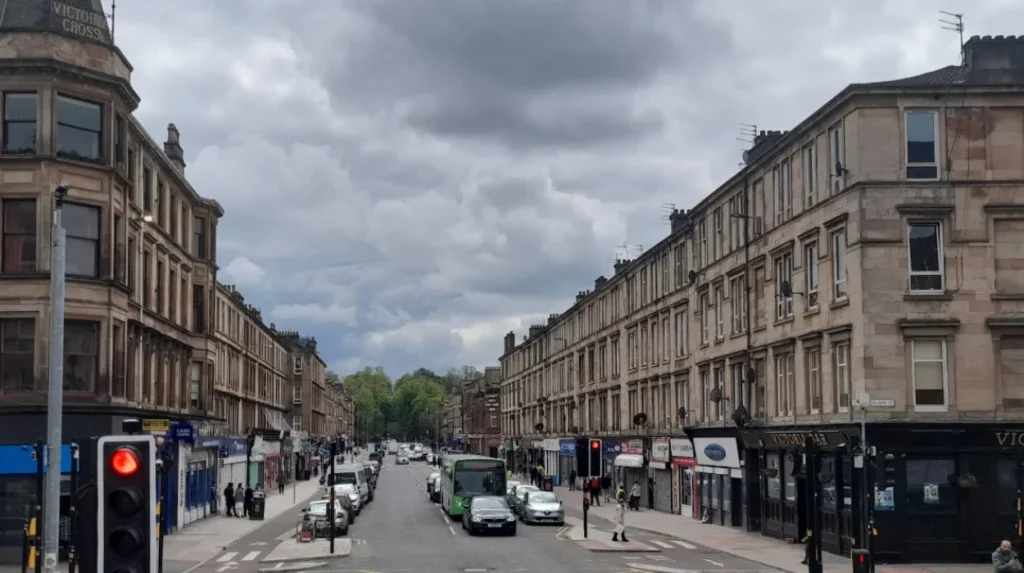
Govanhill is a dense, urban neighborhood situated within the Southside of Glasgow, Scotland. The area is defined geographically by its boundaries with the Gorbals to the north, Queen’s Park to the south, Strathbungo to the west, and Polmadie to the east. Historically constructed during the late 19th century to house industrial workers, the neighborhood features a high concentration of four-story red and blond sandstone tenement blocks.
- What Do the Safety and Crime Statistics Say About Govanhill?
- Why Is Rent Cheaper in Govanhill Compared to the Rest of Glasgow?
- How Have Regeneration Projects Impacted Living Conditions in Govanhill?
- Is Moving to Govanhill Worth the Financial Savings for Tenants?
- How Do Living Experiences Vary Across Different Streets in Govanhill?
- What Future Trends Will Shape Govanhill’s Property Market?
In contemporary urban geography, Govanhill is recognized as the most ethnically diverse neighborhood in Scotland. Data from the Glasgow Centre for Population Health indicates that up to 40% of the population belongs to an ethnic minority group, including significant Roma, Pakistani, and Central European communities. The area possesses a distinct dual reputation: it is celebrated as a vibrant, bohemian cultural hub filled with independent businesses, yet it is simultaneously scrutinized for persistent structural challenges regarding housing deprivation, waste management, and elevated crime indicators.
What Do the Safety and Crime Statistics Say About Govanhill?
Govanhill experiences significantly higher recorded crime rates than the Glasgow City and Scottish national averages, with local data showing a 142% increase in crime victims and a 250% higher offender rate compared to the wider city framework.
According to statistical profiles compiled by the Glasgow Centre for Population Health and Police Scotland, the local multi-member ward exhibits elevated frequencies of antisocial behavior, property crime, and public disorder. While violent crimes such as homicides remain rare, the neighborhood records a disproportionate number of petty thefts, drug-related offenses, and common assaults. Neighborhood analysis confirms that public spaces, particularly around Allison Street, Cathcart Road, and Annette Street, experience the highest density of police call-outs.
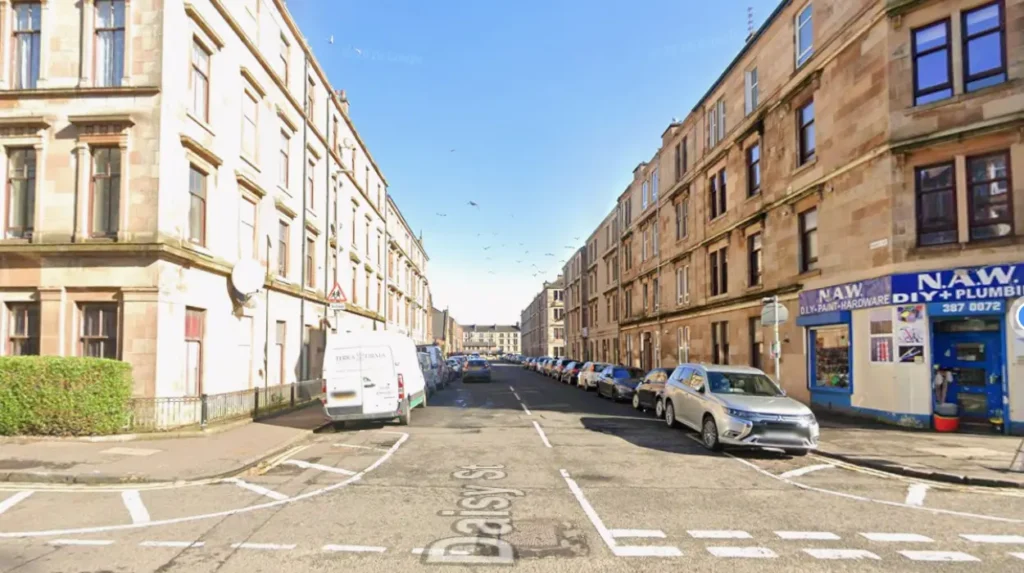
The specific micro-geography of crime in Govanhill is closely tied to its architectural layout. The traditional tenement structure includes communal back courts and shared entry entryways, locally referred to as “closes.” Historically, poorly secured closes and neglected rear lanes have provided opportunities for illegal fly-tipping, break-ins, and instances of public vandalism.
Physical environmental degradation directly correlates with perceived and actual public safety. However, the implementation of localized policing strategies, including increased foot patrols by Police Scotland officers, has targeted these specific trouble zones to lower opportunistic street crime.
Why Is Rent Cheaper in Govanhill Compared to the Rest of Glasgow?
Rent is cheaper in Govanhill due to historical housing neglect, structural overcrowding, a legacy of rogue private landlords, and a higher density of older tenement properties requiring substantial maintenance and capital investment.
Data from the Office for National Statistics and Rightmove shows that the average private rent in the Greater Glasgow broad rental market area reached £1,093 per month for a two-bedroom property. In contrast, private rental listings within the G42 postcode sector of Govanhill frequently range from £795 to £1,150 per month, depending on the exact street and property condition. This price differential exists because the neighborhood contains pockets of severe material deprivation that depress broad market valuations.
The housing stock configuration heavily influences these lower pricing tiers. Govanhill contains thousands of pre-1919 tenement flats. Decades of underinvestment by absentee landlords created a fractured rental market characterized by sub-standard living conditions.
The Scottish Index of Multiple Deprivation classifies several datazones within Southwest Govanhill among the most deprived 5% in Scotland, specifically citing poor housing quality, lack of central heating, and severe overcrowding. These factors lower the baseline rent that private operators can command in the open market compared to adjacent, affluent Southside districts such as Shawlands or Strathbungo.
How Have Regeneration Projects Impacted Living Conditions in Govanhill?
Regeneration projects have systematically improved living conditions by investing over £50 million of public funds to compulsory purchase substandard tenement blocks, eradicate rogue landlord networks, and transfer properties into social housing stock.
The primary vehicle for structural change in the neighborhood is the Southwest Govanhill Property Acquisition and Repair Project, executed by the Govanhill Housing Association in partnership with Glasgow City Council and the Scottish Government. Initiated after the Scottish Parliament designated Govanhill as Scotland’s first Enhanced Enforcement Area under the Housing (Scotland) Act 2014, the project granted local authorities unprecedented legal powers. These powers required landlords to pass criminal record checks, supply valid safety certificates, and permit entry for structural inspections.
The mechanical process of this regeneration involves direct state intervention to fix market failure. The local authority has utilized compulsory purchase orders to acquire entire neglected blocks, such as the comprehensive £1.36 million refurbishment of 97 Westmoreland Street. To date, 394 substandard private properties have been brought into public ownership, repaired, and re-let as high-quality social housing.
Furthermore, Govanhill Housing Association assumed factoring responsibilities for 80 tenement closes. This structural change resulted in the repair of defective roofs, stabilization of foundations, and installation of secure entry systems to reduce unauthorized access.
Is Moving to Govanhill Worth the Financial Savings for Tenants?
Moving to Govanhill is worth the financial savings for tenants who prioritize low living costs, central urban proximity, and multicultural amenities, provided they accept the localized realities of street filth, noise, and variable property maintenance.
The financial trade-off represents a clear calculation in urban economics. A tenant opting for a one-bedroom flat on Victoria Road or Dixon Avenue can expect to pay between £200 and £400 less per calendar month than they would for an identical square-footage property in the West End or the city center. Over a standard 12-month lease, this saves between £2,400 and £4,800 in post-tax income. This economic dividend has attracted a large population of students, young professionals, and creative workers into the area.
Locational advantages further enhance the financial equation. Govanhill sits immediately adjacent to Queen’s Park, which provides 148 acres of public green space, recreational facilities, and glasshouse allotments. The neighborhood is served by Queen’s Park and Crosshill railway stations, allowing a direct transit time of under 10 minutes to Glasgow Central Station.
The local high streets, specifically Victoria Road and Cathcart Road, host an array of independent businesses, including artisan bakeries, organic grocers, and community cafes. These local options lower daily commuting and living expenses for residents.
However, the non-monetary costs require careful evaluation. Tenants must navigate persistent environmental issues, such as recurring missed municipal refuse collections, overflowing commercial bins, and fly-tipping in public lanes.
The social fabric is fast-paced and highly urban, leading to higher baseline noise levels from street traffic and dense communal living. For individuals sensitive to neighborhood aesthetics or those requiring absolute quiet, the financial savings may be offset by the daily friction of living in a transitional urban environment.
Explore More Area Guide
An Expert Guide on How to Access Underground Techno Clubs in Glasgow
How Locals In Glasgow Select The Best Reliable Daily News Options
How Do Living Experiences Vary Across Different Streets in Govanhill?
Living experiences vary sharply by specific street coordinates, with a distinct divide existing between the stabilized, affluent western sectors and the densely populated, transitional blocks of the eastern sector.
The neighborhood does not possess a uniform social or physical landscape. Urban planners divide the area into distinct micro-zones. The western boundary, anchoring Victoria Road and running toward Pollokshaws Road, aligns closely with the prosperous demographics of Strathbungo. Properties here command higher market prices, benefit from active resident associations, and experience significantly lower rates of reported antisocial behavior.
In contrast, the core grid system bounded by Allison Street, Calder Street, Larkfield Drive, and Westmoreland Street presents a different operational environment. This specific sector contains the highest concentration of private rented flats and historic overcrowding.
Tenants residing within these blocks report higher frequencies of environmental issues and communal maintenance disputes. Consequently, a street-by-street inspection of entryways, close security, and back-court management is essential for any prospective tenant evaluating the area.
What Future Trends Will Shape Govanhill’s Property Market?
Future trends will be shaped by accelerating gentrification, sustained state-funded property acquisitions, rising capital values, and the expansion of commercial enterprises outward from the adjacent Shawlands district.
Market data demonstrates a steady upward trajectory in property valuations. Over the recent annual cycle, historical sold prices for real estate in Govanhill averaged £150,050, marking a 5% increase from the previous year and a 15% increase from the 2023 market peak of £130,925. This appreciation indicates that despite persistent social challenges, the neighborhood is experiencing sustained capital integration as demand outstrips supply across Glasgow’s Southside.
The ongoing execution of the Govanhill Community Development Trust’s strategic plan ensures that commercial infrastructure will continue to modernize. The trust manages extensive commercial portfolios, including Govanhill Workspace and Victoria Court Workspace, which provide flexible leases to localized small businesses, tech startups, and social enterprises. This economic diversification stabilizes the employment base and attracts middle-income households to the area.
Over a longer timeline, the gradual elimination of slum landlords through the continued enforcement of the Enhanced Enforcement Area framework will contract the cheap, substandard private rental market. As community housing associations convert more units to regulated social rents and private buyers renovate traditional tenements, the baseline entry cost for private tenants will rise.
What is Govanhill like as a neighborhood?
Govanhill is a densely populated, highly diverse urban area in South Glasgow. It is known for its historic tenement housing, multicultural communities, independent businesses, and strong cultural identity, alongside ongoing social and housing challenges.