Navigating the modern retail and hospitality landscape requires a clear understanding of spatial layouts and transportation infrastructure. The Braehead complex, located on the south bank of the River Clyde in Renfrewshire, serves as a major commercial hub for the Greater Glasgow metropolitan area. Finding affordable, high-quality coffee within this extensive retail ecosystem involves evaluating location types, brand pricing structures, and pedestrian transit corridors. Consumers can minimize expenditure and travel time by analyzing the structural layout of the shopping center, the adjacent retail park, and the nearby waterfront options.
- What Is The Braehead Commercial Complex In Greater Glasgow?
- Where Are Coffee Shops Located Throughout The Braehead Site?
- Inside the Main Indoor Mall Corridors
- Within the Soar Leisure Destination
- Scattered Around Braehead Retail Park
- Which Types Of Coffee Providers Operate Within This Glasgow Hub?
- Multinational Corporate Coffeehouse Chains
- Internal Department Store Cafes
- Fast-Food and Value-Focused Outlets
- How Can Consumers Locate These Cafes Quickly And Affordably?
- Utilizing Digital Navigation Assets
- Implementing Strategic Price Comparisons
- Leveraging Loyalty Infrastructure and Digital Applications
- What Financial Factors Influence Coffee Prices In This Retail Zone?
- How Does Choosing Local Transport Impact The Total Cost Of A Coffee Visit?
What Is The Braehead Commercial Complex In Greater Glasgow?
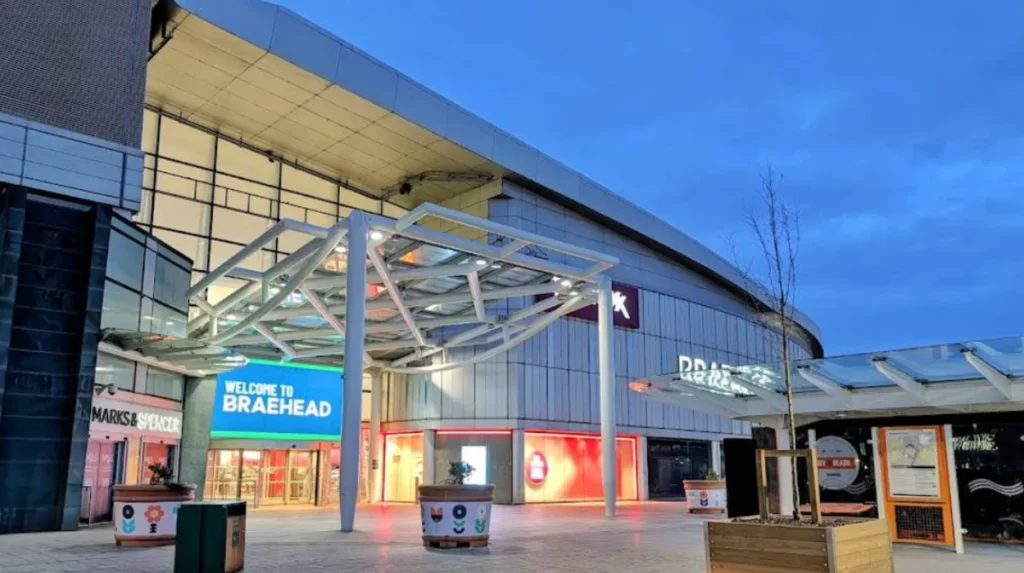
The Braehead commercial complex is a major regional retail and leisure development located four miles west of Glasgow city center, featuring a massive indoor shopping mall, an outdoor retail park, and numerous dining facilities, including diverse coffee shops.
The Braehead development opened to the public in 1999 as part of a strategic urban transformation shifting economic activity from densely packed historical urban cores to suburban retail-leisure zones (Evans, 2002). The project was among the last generation of massive out-of-town regional shopping centers authorized in Scotland before national planning guidelines tightened restrictions to protect traditional high streets (Dmochowski, 2016).
Architecturally, the venue functions as a covered regional shopping center designed to simulate public civic spaces under a climate-controlled glass infrastructure (Evans, 2002). The complete site spans over 1.1 million square feet of commercial space, which integrates retail consumption with leisure attractions like an indoor ice rink, a ski slope, and a boardwalk along the River Clyde. This multi-use infrastructure creates high foot traffic, establishing a highly competitive ecosystem for food and beverage operators, specifically specialty espresso bars, fast-casual cafes, and international coffeehouse chains.
Where Are Coffee Shops Located Throughout The Braehead Site?
Coffee shops at Braehead occupy three primary geographic zones: inside the main two-tier indoor shopping mall corridors, scattered throughout the adjacent Braehead Retail Park, and positioned within the Soar leisure destination building.
Inside the Main Indoor Mall Corridors
The central indoor shopping mall features a two-level linear avenue layout where high-street retail brands operate side-by-side with beverage vendors. Coffee shops in this zone are divided into two distinct structural formats: inline storefront units and open-concourse central kiosks.
The ground floor concourse hosts high-volume, standard-menu commercial options positioned near anchor department stores and central entrance atriums. The upper level features coffee shops closely integrated with the dedicated food court zone, as well as units tucked into the wings of major fashion retailers.
Within the Soar Leisure Destination
The adjacent building, known historically as Xscape and subsequently rebranded as Soar, focuses primarily on experiential entertainment, including an indoor ski slope, cinema complex, and bowling alley.
The coffee shops inside this specific structure are tailored toward family dining, recreational visitors, and evening consumers. These cafes generally feature larger seating capacities and menus optimized for extended stays, differentiating them from the fast-turnover, commuter-oriented kiosks found in the retail corridors of the main mall.
Scattered Around Braehead Retail Park
Situated west of the primary indoor mall building, the Braehead Retail Park consists of large-format warehouse retail units arranged around expansive surface parking lots.
The coffee offerings in this specific zone are characterized by standalone drive-thru configurations and internal cafes situated inside large homeware or supermarket chains. This layout serves vehicle-dependent shoppers requiring rapid service or individuals looking for dining stops during extended homeware shopping excursions.
Which Types Of Coffee Providers Operate Within This Glasgow Hub?
The Braehead commercial ecosystem contains three distinct categories of coffee providers: multinational corporate coffeehouse chains, internal department store cafes, and fast-food or value-focused beverage outlets.
Multinational Corporate Coffeehouse Chains
The dominant category of beverage providers consists of major corporate chains that rely on highly standardized production processes, synchronized supply chains, and uniform pricing models.
Examples include Costa Coffee, Starbucks, and Caffè Nero. These operators occupy premium, high-visibility positions within both the upper and lower malls, providing predictable beverage menus, proprietary loyalty applications, and dedicated seating areas tailored toward shoppers seeking familiar menu items.
Internal Department Store Cafes
Several large-scale anchor tenants and supermarkets within the Braehead boundary operate fully integrated, self-service or counter-service cafes inside their retail spaces.
Examples include the Marks & Spencer Café and the Marks & Spencer Café Revival units. These venues target consumers who are already inside the specific retail store, offering traditional filtered coffee, espresso beverages, and light meals in a quieter environment set back from the main concourse foot traffic.
Fast-Food and Value-Focused Outlets
Value-driven consumers frequently utilize quick-service restaurants and bakery chains that position coffee as a low-cost complement to food items.
Examples include Greggs, McDonald’s, and Tim Hortons. These establishments are distributed across the food court, retail park, and external drive-thru zones, utilizing automated espresso equipment to maintain rapid service times and significantly lower price points per fluid ounce compared to corporate coffeehouse chains.
How Can Consumers Locate These Cafes Quickly And Affordably?
Consumers can find Braehead coffee shops efficiently and cheaply by utilizing digital directory maps, choosing value-focused bakery chains over premium coffeehouses, and leveraging corporate loyalty smartphone applications for discounts.
Utilizing Digital Navigation Assets
The physical scale of the Braehead complex can lead to excessive transit times if visitors navigate without a spatial plan. The site features digital touchscreen directory boards at every major entrance corridor, dividing the property into colored geographic zones.
To minimize walking distances, visitors should identify their preferred coffee shop category on the digital map prior to entering the concourse. For instance, individuals seeking rapid, vehicle-centric service should target the western edge of the retail park, while shoppers seeking seated environments should proceed directly to the upper-level food court or department store interiors.
Implementing Strategic Price Comparisons
To achieve financial efficiency, consumers must recognize the substantial price variance that exists between different types of vendors for a standard espresso-based beverage.
Corporate coffeehouse chains charge premium rates to cover high overhead costs associated with prime mall leases. Conversely, national bakery chains and quick-service drive-thrus operate on high-volume, low-margin frameworks, allowing them to retail lattes and cappuccinos at prices 30% to 50% lower than dedicated coffeehouses. Selecting a value-focused outlet over a premium brand results in immediate, direct cost savings.
Leveraging Loyalty Infrastructure and Digital Applications
Every major coffee purveyor operating within the Glasgow Braehead area utilizes a digital loyalty program to incentivize repeat consumer behavior.
These programs provide clear economic advantages, including:
- Complimentary Beverages: Point accumulation systems that yield a free drink after a set number of purchases (e.g., the Costa Club or Nero app schemes).
- Reusable Vessel Discounts: Financial deductions, typically ranging from 25p to 50p per transaction, applied when a consumer brings a clean, reusable travel mug.
- Targeted In-App Promos: Periodic digital coupons offering half-price beverages or complimentary size upgrades during off-peak shopping hours.
What Financial Factors Influence Coffee Prices In This Retail Zone?
Coffee pricing structures within the Braehead complex are determined by commercial real estate lease rates, automated vs. manual barista labor requirements, and corporate brand positioning within the wider Glasgow market.
Commercial Lease Premium Costs
The cost of a beverage at Braehead is directly tied to the underlying real estate values of the specific zone where the shop operates. Out-of-town regional shopping centers command high rental yields due to their guaranteed, weather-independent customer volumes (Evans, 2002).
Inline units situated at central mall intersections pay premium rent and service charges. These fixed operational costs force premium brands to inflate beverage menu prices to maintain profit margins, whereas external retail park units or integrated supermarket cafes can pass real estate savings down to the consumer.
Labor Intensity and Equipment Automation
The operational mechanism used to prepare the coffee dictates the price per cup. Premium coffeehouses employ trained baristas to manually grind beans, tamp espresso pucks, and steam milk using semi-automatic commercial espresso machines. This labor-intensive process raises operational costs.
In contrast, value-focused bakery chains and fast-food drive-thrus utilize fully automated “super-automatic” bean-to-cup machines. These devices require minimal staff interaction, reducing labor overheads and ensuring consistent, low-cost beverage delivery.
How Does Choosing Local Transport Impact The Total Cost Of A Coffee Visit?
The total economic cost of visiting a Braehead coffee shop depends heavily on transport selection, as the site offers free parking for private vehicles but requires paid fares for Glasgow bus networks.
Private Vehicle Transit Costs
Unlike Glasgow city center, where parking fees and low-emission zone charges increase total excursion costs, the Braehead complex provides free parking across 6,500 surface and multi-story spaces.
For motorists traveling via the M8 motorway, the financial cost of a coffee visit is limited to vehicle fuel consumption and the menu price of the beverage. This makes the location highly economical for suburban drivers compared to urban high streets where parking costs often exceed the value of the food and beverage purchase.
Public Bus Network Expenditure
For non-motorists relying on the Strathclyde Partnership for Transport (SPT) bus network, travel costs alter the financial equation. Braehead maintains a dedicated on-site bus station with direct connections to Glasgow city center, Paisley, and Renfrew via operators like First Glasgow and McGills.
A round-trip bus fare adds a fixed transit cost to the excursion. To maintain affordability, bus commuters should combine their coffee purchases with other necessary retail tasks or utilize multi-journey transit passes to reduce the impact of travel costs on a single beverage purchase.
What is the Braehead commercial complex?
The Braehead complex is a large retail and leisure destination located near Glasgow in Renfrewshire. It includes a major indoor shopping mall, retail park, restaurants, cinemas, and entertainment venues such as Soar.