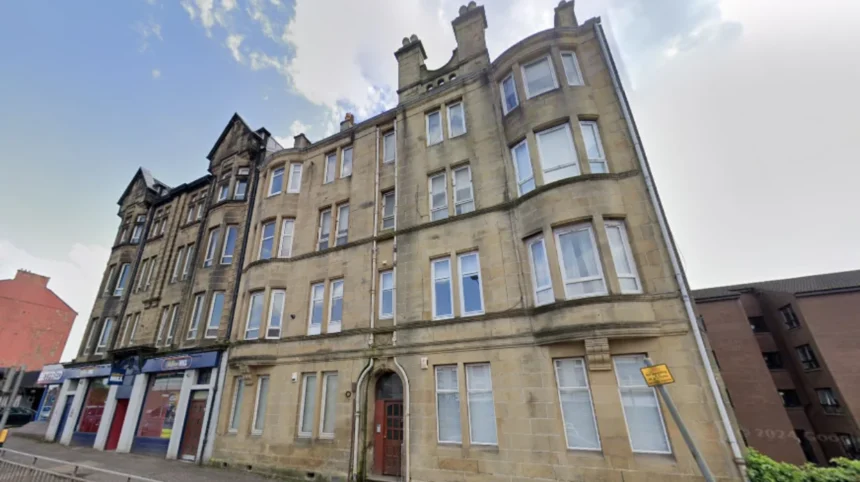
Renting a flat in Glasgow costs more than the monthly rent. The real budget includes deposits, utility bills, council tax, moving costs, insurance, and periodic repairs or replacement items. These extra expenses shape the true price of renting and often surprise first-time tenants.
- What are the hidden costs of renting a flat in Glasgow?
- Why does the advertised rent not show the full cost?
- How much do deposits and upfront fees cost?
- What utility bills should renters expect?
- How does council tax affect renters?
- What moving costs are easy to miss?
- Why does furniture create extra expense?
- What insurance and protection costs matter?
- How do maintenance and repair costs appear?
- What transport costs come with renting in Glasgow?
- How do rent increases and tenancy rules affect cost?
- What does a realistic Glasgow rental budget look like?
- Which hidden costs cause the biggest budget shocks?
- What should renters check before signing?
What are the hidden costs of renting a flat in Glasgow?
The hidden costs of renting a flat in Glasgow include deposits, utility bills, council tax, move-in expenses, insurance, furnishing, travel, and end-of-tenancy charges. In many cases, these costs add hundreds of pounds per month beyond the advertised rent, especially in unfurnished flats and solo households.
Glasgow rental adverts often show only the base rent. That number does not represent the full monthly housing cost. In practice, tenants pay for energy, water, internet, contents cover, transport, and sometimes cleaning or maintenance at the end of the tenancy. University of Glasgow budgeting guidance also recommends setting aside money for unexpected expenses, which reflects the real structure of renting costs in the city.

The hidden-cost problem matters more in Scotland’s urban rental market because flats are commonly advertised without bills included. That means the tenant pays separate charges for heating, electricity, broadband, and in some cases council tax. Student-focused property guides for Glasgow repeatedly show utility bills and council tax as major extras on top of rent.
Why does the advertised rent not show the full cost?
The advertised rent excludes most living costs because landlords and letting agents usually quote only the property charge. Tenants then pay separate bills for energy, water, internet, council tax, and insurance, which creates a large gap between the listing price and the real monthly budget.
A flat listed at £700 per month can cost far more in practice. Utility estimates for Glasgow commonly range from about £150 to £260 per month in student and shared-flat examples, and private-rental guides often add internet at £25 to £40 per month on top of that. The final total changes with flat size, heating type, occupancy, and season.
This gap is especially important in older Glasgow buildings, where heating demand is higher and energy efficiency varies widely. A property with electric heating or poor insulation typically raises winter bills. A flat with modern glazing, efficient boilers, and a good EPC rating lowers those running costs over time.
How much do deposits and upfront fees cost?
The biggest upfront hidden cost is the tenancy deposit, which is usually close to one month’s rent in many private lets. Tenants also need moving costs, initial bill setup costs, and often the first month’s rent in advance, so entry into a Glasgow flat frequently requires a large cash payment.
Deposits are not rent, but they still affect affordability because the money is tied up until the tenancy ends. In Scotland, private tenancy deposits are protected in a government-approved tenancy deposit scheme, which gives tenants a formal route for disputes and repayment at the end of the tenancy. That protection reduces risk, but it does not reduce the amount of cash needed at move-in.
First-time renters often underestimate the full launch cost. A realistic move-in budget includes the deposit, first month’s rent, van or taxi transport, basic cleaning materials, and immediate household items such as bins, curtains, light bulbs, and kitchen supplies. These are not luxury purchases; they are standard costs of making a flat usable.
What utility bills should renters expect?
Utility bills in Glasgow usually include gas, electricity, water, and broadband, and together they often form one of the largest monthly extras after rent. Student and rental guides for Glasgow place these costs roughly in the £150 to £260 range for utilities, with internet commonly adding another £25 to £40.
Energy is the most volatile cost. Winter heating in Glasgow raises gas and electricity usage sharply because of lower temperatures and shorter daylight hours. Flats with single occupancy also pay more per person than shared flats because fixed charges and baseline energy use are split across fewer occupants.
Water is another cost that tenants often ignore during budgeting. In Scotland, water and wastewater charges are generally billed through council tax arrangements rather than via a separate private utility bill in the same way as in some other countries, so the final local housing charge structure needs careful checking on the tenancy paperwork and council notice. The practical effect is simple: water is not free, and it forms part of the overall monthly housing burden.
Broadband is a separate recurring cost in many flats. Broadband contracts commonly run for fixed terms, and early exit fees can apply if a tenant leaves before the end of the contract. That makes internet a hidden cost both at setup and at exit.
How does council tax affect renters?
Council tax is one of the most important hidden costs for non-student renters in Glasgow. It is a local property tax based on the band of the dwelling, and the monthly bill can be substantial, especially in larger or better-located flats.
Council tax changes the economics of renting because it is not always included in the advertised rent. In Scotland, eligible full-time students can receive exemption, but non-students normally pay the charge. For mixed households, the rules depend on who lives in the property and whether any resident qualifies for exemption.
This matters because two flats with the same rent can have very different total costs if they fall into different council tax bands. A one-bedroom flat in a central area often costs more overall than a cheaper flat farther out once council tax, transport, and energy are added together. Renters who only compare asking rent often choose the wrong property for their budget.
What moving costs are easy to miss?
Moving costs include van hire, taxis, boxes, tape, cleaning products, and time off work. These costs appear small individually, but they become significant when combined, especially for renters changing flats during peak moving periods in Glasgow.
A move across Glasgow often requires paid transport, especially if the tenant has furniture or kitchen equipment. Even a short-distance move can involve multiple trips, parking fees, and help from friends or paid movers. If the old flat must be cleaned to tenancy standards, cleaning supplies or professional cleaning add more cost.
Tenants also lose money through overlap. If the old tenancy and new tenancy do not line up perfectly, the renter pays for two places at once for a short period. That overlap is common when move-out inspection dates and move-in dates do not match exactly.
Why does furniture create extra expense?
Furnishing a flat is a major hidden cost because many Glasgow rentals are unfurnished or partly furnished. Tenants then need beds, mattresses, sofas, tables, storage, curtains, lamps, cookware, and cleaning tools before normal living starts.
The cost of furnishing can exceed the first month of rent. A basic bedroom setup alone includes a bed frame, mattress, bedding, and storage. A functioning kitchen requires pots, pans, plates, cutlery, kettle, toaster, and food containers. These are ordinary household items, not optional extras.
Part-furnished flats reduce some of this burden, but they do not eliminate it. Tenants still need to replace missing items, purchase better-quality essentials, or buy equipment that the landlord does not provide. That means the furnishing budget stays active long after move-in day.
What insurance and protection costs matter?
Contents insurance is an extra cost many tenants ignore, yet it protects personal belongings such as laptops, phones, clothes, and small appliances. Renters also face costs tied to liability, accidental damage, and replacement of stolen or broken items.
Landlord insurance does not protect the tenant’s belongings. If a laptop is stolen or a phone is damaged in a leak, the tenant usually bears the loss unless they have contents cover. For anyone working from home or studying with expensive devices, this becomes a practical financial safeguard rather than a luxury.
Some renters also pay for optional protection products tied to deposits or tenancy support. These services are not always necessary, but they do appear in the market and can increase the total entry cost. The key point is simple: housing risk creates financial exposure beyond rent.
How do maintenance and repair costs appear?
Tenants often pay small but repeated maintenance costs for batteries, bulbs, shower heads, drain cleaners, curtains, sealant, and replacement kitchen items. These costs are rarely listed in advertisements, yet they are normal in everyday flat living.
Not every repair is the tenant’s responsibility. Landlords handle structural and major maintenance issues. However, tenants still pay for wear-and-tear items they use daily, especially in older flats with limited built-in storage or aging fixtures.
The hidden expense becomes worse when a flat has poor maintenance standards. Drafty windows, worn appliances, and aging heating systems raise both inconvenience and running costs. A low monthly rent in an older flat often shifts the cost into repairs, energy, and replacement items.
What transport costs come with renting in Glasgow?
Transport costs matter because a cheaper flat farther from the city centre usually increases daily travel spending. Glasgow renters often face regular bus, subway, or train costs, plus occasional taxi fares after late shifts or bad weather.
A flat outside the centre can look cheaper on paper, but the overall budget changes once commuting is added. That includes travel to work, university, shops, and social destinations. Glasgow’s transport network makes many areas accessible, but repeated daily fares still create a meaningful monthly expense.
Transport also connects to time cost. A longer commute often means less flexibility and more dependence on scheduled services. For people with variable shift work, that creates both direct transport spending and indirect costs through lost time.
How do rent increases and tenancy rules affect cost?
Renting in Glasgow carries legal and contractual cost risks because renewal terms, rent reviews, notice periods, and deposit deductions affect long-term affordability. Tenants need to track their tenancy agreement carefully because the yearly housing bill changes over time.
Scottish rental rules have included rent control measures in recent years, and rent increase rules differ depending on the legal period and policy environment. This makes the tenancy agreement itself part of the cost structure, not just a legal formality. Renters who do not understand the contract often face unexpected increases or disputes at renewal.
Deposit deductions also matter. End-of-tenancy cleaning, damage claims, missing keys, and unpaid bills can all reduce the amount returned. A renter who leaves the flat in poor condition can lose a meaningful share of the deposit, which turns a refundable sum into a real housing expense.
What does a realistic Glasgow rental budget look like?
A realistic Glasgow rental budget adds rent to utilities, council tax, broadband, transport, insurance, and move-in costs. For many renters, the true monthly total runs several hundred pounds above the advertised rent, and the first month requires a much larger upfront payment.
A practical budget for a non-student renter in a private flat includes base rent as the starting point. Utilities follow as the next major line item. Council tax adds a fixed local charge for most households. Broadband provides essential connectivity. Contents insurance covers personal risk. Transport accounts for daily travel needs. Household replacements handle ongoing wear. Deposit and move-in costs launch the tenancy.
For students in exempt accommodation, council tax drops out, but the rest of the structure remains. University of Glasgow budgeting guidance places monthly living and study costs well above rent alone, which shows how quickly non-rent expenses accumulate in the city.
The clearest budgeting method is to treat advertised rent as only one line item. The real question is not
“Can I pay the rent?”
The real question is
“Can I pay the full monthly housing cost with a buffer for repairs, seasonal energy use, and deposit risk?”
Which hidden costs cause the biggest budget shocks?
The biggest budget shocks are winter energy bills, council tax, deposit deductions, and move-in purchases. These four items create the largest gap between the advertised rent and the real cost of living in a Glasgow flat.
Winter energy costs rise because heating demand increases at the exact time many tenants also face higher food and transport spending. Council tax creates a fixed monthly obligation for many non-student households. Deposit deductions turn an end-of-tenancy issue into a cash-flow problem. Move-in purchases absorb savings before the flat is fully functional.
These shocks matter because they happen at predictable times, yet renters still forget to prepare for them. A good rental budget includes a reserve fund, not just enough money for the monthly rent.
What should renters check before signing?
Before signing, renters should check what is included in rent, the council tax band, the EPC rating, the heating system, the broadband situation, the deposit terms, and the notice period. These details decide the true monthly cost of the flat.
The energy performance of a flat directly affects heating bills. The tenancy agreement should also clarify who pays for bills, when rent rises are possible, and what deductions are allowed from the deposit. If the flat is shared, the rent split and bill split should be written clearly to avoid disputes.
The best Glasgow renters read beyond the headline rent. They ask for the full cost picture before committing. That single habit prevents most of the hidden-cost surprises that turn a manageable flat into an expensive one.