Key Points
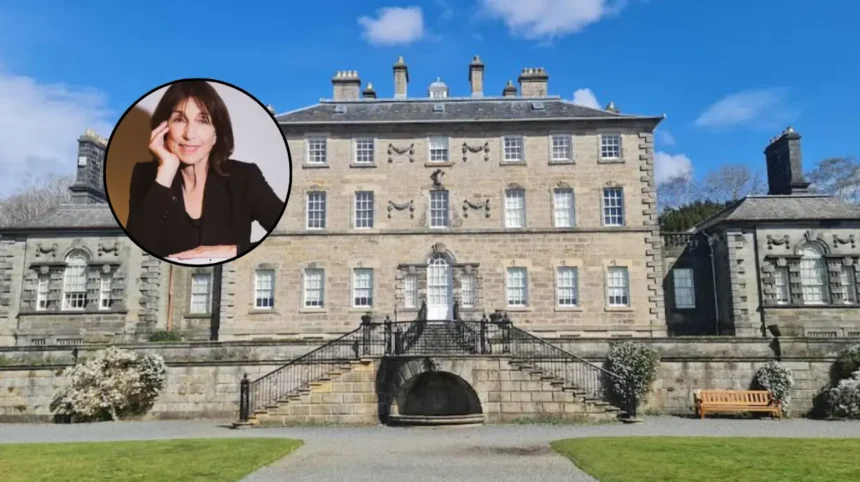
- Glasgow’s historic 18th-century Pollok House is set to temporarily reopen as the centrepiece venue for this year’s Sonica arts festival before its official full public reopening.
- The bespoke event, titled The Listening House, will feature singing sculptures, mechanical birds, and wandering sonic experiments across three floors and the surrounding gardens.
- Pollok House was constructed in 1752 and has been completely closed to the public for a major refurbishment programme since 2023.
- The 11-day Sonica festival will run from 24 September until 4 October, showcasing more than 170 artists and musicians representing 21 countries.
- Additional festival installations will take over urban spaces, including the Buchanan Galleries shopping centre, featuring interactive robotic sculptures.
- A major highlight at Pollok House includes Mundus Inversus, a complex video installation by the artist collective AES+F exploring a upside-down world.
Glasgow (Glasgow Express) May 21, 2026 – Glasgow’s historic Pollok House will be taken over for an experimental arts festival event ahead of the building re-opening to the public following an extensive closure for refurbishment. The iconic 18th-century country mansion is designated to become the primary centrepiece for this year’s celebrated Sonica festival, introducing a wide array of avant-garde audiovisual installations to the ancestral home. The unique cultural intervention, titled The Listening House at Pollok House, will see intricate singing sculptures, wandering sonic experiments, and delicate mechanical birds spread comprehensively across three distinct floors of period rooms as well as throughout the formal manicured gardens of the estate.
- Key Points
- Why is Pollok House Reopening for the Sonica Festival?
- What Can Visitors Expect to See and Hear at the Listening House?
- How Will the Sonica Festival Impact the Wider City of Glasgow?
- Who Are the Artists Participating in this Year’s Sonica Line-up?
- Background of the Refurbishment and Sonica Festival
- Prediction: How This Development Will Affect the Local Community and Arts Enthusiasts
Why is Pollok House Reopening for the Sonica Festival?
As reported by the staff writing for BBC News, the event serves as a high-profile, temporary activation of the historic property, which has been locked away from public view for several years. Built originally in 1752, the mansion typically houses exceptionally large and globally renowned collections of period artefacts and fine paintings.
However, according to official estate records and prior BBC reporting, the property has been strictly closed for refurbishment since late 2023 to allow for essential structural updates and interior conservation work.
By utilizing the empty, newly conserved spaces before the formal reinstatement of its permanent historical collections, festival organizers have secured a rare opportunity to position contemporary, experimental artwork against a classical Georgian architectural backdrop.
This 11-day takeover marks the first time the public will be permitted to step inside the local landmark since the conservation project commenced, offering an exclusive preview of the interior architecture under a completely different aesthetic guise.
What Can Visitors Expect to See and Hear at the Listening House?
According to details released by the Sonica festival curation team, The Listening House is designed to completely re-imagine the traditional museum experience. Visitors navigating the multi-floor property will encounter mechanical birds that mimic and distort natural birdsong, alongside mobile sonic experiments that drift through corridors once occupied by the Maxwell family and their estate staff.
In addition to these auditory landscapes, the grand rooms will host international masterpieces. As highlighted by BBC News, a primary exhibit scheduled for the site is a video installation called Mundus Inversus created by the prominent artist group AES+F.
This particular piece is heavily themed around showing a world turned upside down, utilizing vivid imagery to subvert traditional social hierarchies and historical norms—a thematic choice that curators note contrasts sharply with the rigid social history embedded within the walls of a 1752 manor house.
How Will the Sonica Festival Impact the Wider City of Glasgow?
Writing for the festival’s informational release, organizers describe Sonica as an event specifically curated for “curious minds and adventurous spirits,” deliberately blending cutting-edge audiovisual art with experimental music.
The event’s footprint is not restricted to the south side estate; rather, it is designed to bridge the gap between Glasgow’s historic outskirts and its commercial core.
As reported by BBC News, the festival will also see substantial installations taking over heavily trafficked spaces in the city centre’s Buchanan Galleries shopping centre.
Among these city-centre attractions will be surprise robotic sculptures programmed to directly interact with everyday shoppers going about their business.
By placing these mechanical interventions in high-street retail environments, the festival aims to democratise experimental art, bringing it directly to citizens who may not typically visit formal gallery spaces or historic country parks.
Who Are the Artists Participating in this Year’s Sonica Line-up?
According to official programming schedules published by the event directors, more than 170 artists and musicians travelling from 21 different countries are slated to appear during the course of the 11-day festival. The global cohort brings together a diverse mixture of digital animators, sound designers, classical musicians, and kinetic sculptors.
While many individual performances and temporary gigs will cycle through various Glasgow venues, the specific events and installations housed at Pollok House will remain static and accessible throughout all 11 days of the event, running continuously from 24 September until 4 October.
Because Pollok House is legally owned by the people of Glasgow and managed on their behalf, local authorities have emphasized the importance of keeping these international artistic displays highly accessible to the local populace during its limited run.
Background of the Refurbishment and Sonica Festival
To fully understand the context of this development, it is necessary to examine the history of both the venue and the festival.
Pollok House, situated in the heart of Pollok Country Park in Glasgow’s south side, was gifted to the City of Glasgow in 1966 by Dame Anne Maxwell Macdonald. The National Trust for Scotland has since operated the property in partnership with Glasgow City Council.
By 2023, the building required urgent, comprehensive conservation work costing millions of pounds. The extensive refurbishment project focused on upgrading the building’s ancient heating systems, undertaking complex roof repairs, restoring fragile decorative plasterwork, and updating internal wiring to ensure modern safety compliance.
This required the complete packing away and climate-controlled storage of the mansion’s world-class collection of Spanish art, including works by El Greco and Murillo. This temporary vacancy created a literal and metaphorical blank canvas for the current collaboration.
Concurrently, Sonica Glasgow—produced by the arts house Cryptic—has grown over the last decade into a globally recognized biennial festival. Known for championing international talent and launching multi-sensory installations, the festival regularly repurposes unusual or historic architecture across Glasgow, turning severe industrial spaces, shipping hubs, and classical buildings into temporary havens for digital art. The convergence of Pollok House’s empty, post-refurbishment state and Sonica’s search for an expansive, evocative focal venue resulted in the creation of The Listening House.
Prediction: How This Development Will Affect the Local Community and Arts Enthusiasts
This development is expected to have a multi-layered impact on two primary audiences: local Glasgow residents and the broader community of arts enthusiasts.
For local residents, particularly those residing in the south side of Glasgow, the festival represents the long-awaited return of a cherished public asset. Since Pollok House is legally owned by the citizens, its two-year closure left a noticeable void in the cultural landscape of Pollok Country Park.
This event will act as a vital bridge, allowing locals to re-establish a physical connection with the building before the formal, more rigid museum format is reinstated. However, the avant-garde and potentially disruptive nature of experimental sonic art and “singing sculptures” inside a revered historical monument may polarise traditionalists who prefer conventional heritage displays.
Nonetheless, it is highly likely to draw a younger, more diverse demographic into the park, renewing local civic pride and interest in Glasgow’s architectural history.
For arts enthusiasts and cultural tourists, the event is poised to establish a new benchmark for heritage-site utilization within Scotland. The inclusion of high-profile international collectives like AES+F, combined with the novelty of exploring a freshly restored 18th-century manor, will likely trigger a substantial influx of domestic and international visitors during the 11-day run.
This surge in footfall will provide a measurable economic boost to local transport links, hospitality businesses, and independent retailers in the surrounding areas.
Furthermore, the success of this large-scale collaboration will likely influence how organizations like the National Trust for Scotland and Glasgow Life approach future heritage programming, paving the way for more experimental, cross-disciplinary partnerships in historic properties across the country.