Key Points
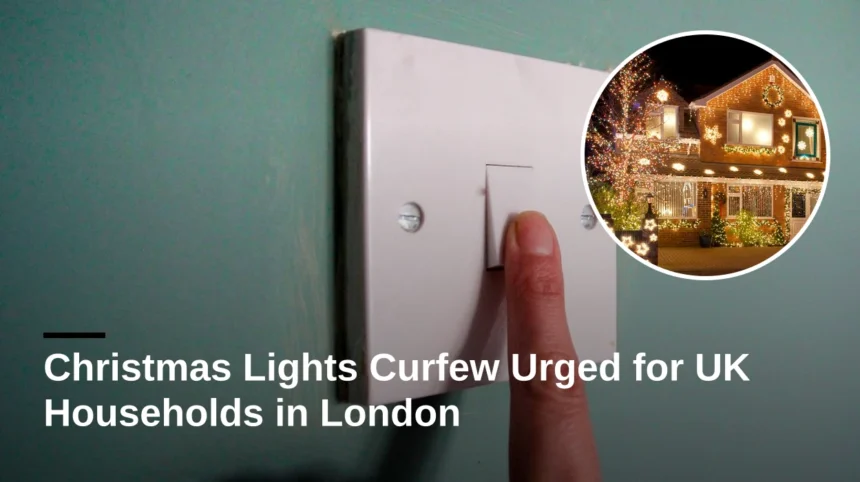
- UK households are being urged to switch outdoor Christmas lights off at 9pm and keep them off until 6am.
- Wildlife expert Lucy Taylor of Vine House Farm said overnight lighting can disrupt birds’ sleep, feeding and biological clocks.
- Warm-coloured, low-intensity bulbs are recommended instead of bright white or blue lights.
- Residents are advised not to wrap lights around trees, hedges or bushes used by birds for shelter.
- The Royal Society for the Protection of Birds also advises reducing unnecessary outdoor lighting and using timers.
London (Glasgow Express) November 18, 2026 – UK households have been urged to switch outdoor Christmas lights off at 9pm to reduce disruption to garden birds during winter. Lucy Taylor, a wildlife expert at Vine House Farm, said bright displays left on overnight can create a false dawn, interrupt sleep and encourage birds to feed at times when they should be resting. She recommended keeping displays off until 6am, using warmer, dimmer bulbs and avoiding lights around natural bird shelters.
Why are households being asked to switch Christmas lights off at 9pm?
As reported by WalesOnline, bright artificial light can confuse birds’ internal clocks and extend their activity into the night. Taylor said winter foraging uses valuable calories that smaller birds need to maintain fat reserves during freezing conditions.
She also warned that daytime birds have poor night vision and can become more exposed to predators when artificial lighting wakes them. Robins and blackbirds were identified as species that may be particularly sensitive to overnight illumination.
What changes has Lucy Taylor recommended?
Taylor recommended timers that switch outdoor displays off at 9pm and back on at 6am. She also advised choosing warm-coloured bulbs, including yellow or orange hues, because they are less disorientating than cool-toned blue or bright white LEDs.
Households were further advised not to attach lights to trees, hedges or bushes where birds roost. If lights remain on later than recommended, Taylor said feeders should be replenished early with high-energy food such as suet pellets or sunflower hearts.
What does wider guidance say about artificial light?
The Royal Society for the Protection of Birds says artificial light can disrupt birds’ biological clocks and cause urban birds to remain active for longer than rural birds. Its guidance encourages people to turn off unnecessary outdoor lights and use timers.
Separate fire-safety guidance reported by Prepared Britain says Christmas lights should be switched off and unplugged before people go to bed or leave home. It also advises using suitable outdoor-rated lights and ensuring outdoor electrical equipment has appropriate protection.
What is the background to the new lighting advice?
The recommendation comes as households begin putting up Christmas decorations and outdoor displays. Wildlife experts say artificial light can interfere with natural patterns of rest and activity, particularly during the long winter nights. The concern is not limited to decorative lighting, as unnecessary illumination from buildings and gardens can contribute to wider light pollution. The Royal Society for the Protection of Birds has previously encouraged practical measures such as timers and switching off lights that are not needed.
How could the advice affect UK households?
For households following the plea, switching outdoor displays off at 9pm could reduce overnight disturbance while allowing decorations to remain lit during the evening. Warm-coloured, lower-intensity bulbs and timers may provide practical alternatives to removing displays altogether.
The advice could also prompt residents to review where lights are installed, particularly near trees, hedges and bushes used by birds. Any changes should be balanced with electrical safety guidance, including switching lights off before sleep or when the property is empty.