Key Points
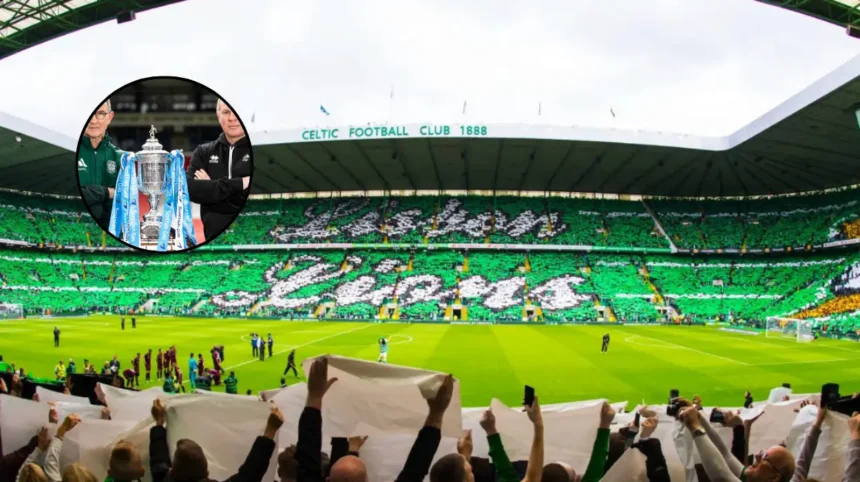
- Showdown Set: Newly crowned Scottish Premiership champions Celtic face Scottish Championship side Dunfermline Athletic today at Hampden Park in the 2026 Scottish Cup final.
- Double vs History: Celtic chase a domestic league and cup double to make up for recent cup final defeats, while Dunfermline seek their third Scottish Cup and their first since the 1967-68 season.
- Managerial Dynamic: Martin O’Neill seeks to finish his dramatic return spell at Celtic with another trophy, coming face-to-face with Dunfermline manager and former Celtic captain Neil Lennon.
- Maeda Farewell: Celtic’s 28-year-old Japanese international forward Daizen Maeda is widely reported to be playing his final game for the Glasgow club ahead of an expected move to the English Premier League.
- Paths to Hampden: Celtic overcame Dundee, rivals Rangers on penalties, and St Mirren in extra time to reach the final, while Dunfermline pulled off major upsets against top-flight Hibernian and Aberdeen before squeezing past Falkirk on penalties.
Glasgow (Glasgow Express) May 23, 2026 – The showpiece fixture of the Scottish football calendar takes place this afternoon at the national stadium as the newly crowned Scottish Premiership champions Celtic take on Dunfermline Athletic in the Scottish Gas Men’s Scottish Cup Final. For Celtic, the match offers a direct opportunity to complete a prestigious domestic double and banish the ghosts of recent domestic knockout failures. Having suffered heartbreaking defeats in their last two domestic cup final appearances, including a penalty shootout loss to Aberdeen in the 2025 final, the expectation surrounding manager Martin O’Neill to secure further silverware remains immense, despite his remarkable feat in retaining the league title just one week ago.
What is the Tactical Outlook and Managerial Storyline at Hampden Park?
The managerial narrative leading into today’s final is heavily defined by the return of Martin O’Neill to the Celtic dugout. His return has proved highly transformative, culminating in an extraordinary final-day league triumph last weekend that saw the Hoops beat Heart of Midlothian 3-1 to overturn their Edinburgh rivals and retain their crown.
Despite that league success, the Scottish Cup has been a source of vulnerability for a Celtic squad that has frequently lacked consistency in knockout structures over the past year.
Standing in their way is a resilient Dunfermline Athletic side guided by former Celtic captain and manager Neil Lennon. Lennon’s tactical discipline has been foundational in steering the Championship side through an incredibly arduous path to the club’s sixth ever Scottish Cup final appearance.
In the pre-match press conferences, Lennon publicly attempted to downplay Celtic’s traditional dominance, noting that while the Glasgow side are a formidable opponent, they remain far from invincible, setting up a deeply tactical encounter between two managers who know each other’s philosophies intimately.
Writing for the Guardian, journalist Jonathan Wilson highlighted the scale of O’Neill’s achievement, reporting that at 74 years of age, O’Neill secured his fourth Scottish league title after managing a stunning run of eight consecutive victories to close out the league season.
Wilson noted that this remarkable turnaround could become a historic double if Celtic can overcome the challenge of Dunfermline at Hampden Park.
Speaking directly to BBC Scotland ahead of the match, Celtic manager Martin O’Neill expressed immense pride in proving that veteran coaches still have a massive role to play in modern football management:
“The pleasing thing for me, if I truly reflect on it, is there is still a place in this game for older gentlemen. Despite the tactics that are involved now in the game, I do believe someone with some sort of experience can still play a part in proceedings. When I first stepped in way back in October, that was my main concern… being too old to be in this game. That is certainly a great sense of pride for me now.”
Will Today’s Cup Final Mark Daizen Maeda’s Final Appearance for Celtic?
Beyond the collective silverware ambitions of both football clubs, today’s final carries major individual significance for Celtic forward Daizen Maeda. High-level club sources have indicated that the 28-year-old Japanese international is fully expected to make his final competitive appearance for the Hoops this afternoon before departing the club in the summer transfer window.
As reported by official Celtic TV updates, O’Neill has spoken openly regarding Maeda’s immense work rate and contributions during this campaign, while acknowledging that the player feels ready to take on a fresh challenge in his career.
This has fueled widespread transfer speculation across the British media linking the versatile attacker with a high-profile move to the English Premier League. A victorious performance today would provide a fairytale ending to Maeda’s highly successful tenure in Glasgow.
How Did Both Clubs Navigate the Unpredictable Path to the Final?
The road to Hampden Park has looked vastly different for these two finalists. Celtic’s season has been defined by a highly volatile period of managerial transition, moving rapidly from Brendan Rodgers to an interim spell under O’Neill, followed by a brief, disappointing tenure under Wilfried Nancy—who oversaw a painful early League Cup exit—before the club ultimately turned back to the stability provided by O’Neill for the remainder of the season.
According to official match records published by the Scottish Football Association (SFA), Celtic’s cup run required immense resilience.
They scraped past Dundee 2-1 in extra time before battling arch-rivals Rangers at Ibrox in a dramatic quarter-final that ended 0-0 after extra time, with Celtic progressing 4-2 on penalties.
In the semi-final against St Mirren, Celtic conceded a late double to Mikael Mandron which forced extra time, before an astonishing explosion of four goals in just six minutes ultimately sealed a wild 6-2 victory.
Conversely, Dunfermline Athletic’s journey has been a masterclass in tactical grit. Despite the deep disappointment of missing out on promotion to the Scottish Premiership after failing in the Championship play-offs, Lennon’s men have systematically slain top-flight giants.
As compiled in the official SFA Cup Preview, Dunfermline opened their account by defeating Queen of the South 2-1, before securing a 1-0 win over David Gray’s Hibernian via a late Miguel Chaiwa own goal.
Following a 2-0 victory against Kelty Hearts in the Fife derby, they completely dismantled Premiership side Aberdeen 3-0 in the quarter-finals through goals from Matty Todd and Oliver Thomas.
In the semi-final against local rivals Falkirk at Hampden Park, a tense 0-0 draw after extra time was decided by a penalty shootout, where on-loan goalkeeper Aston Oxborough became the hero by saving Liam Henderson’s spot-kick to secure a 4-2 shootout victory.
Historically, the structural matchup heavily heavily favors the Glasgow giants. The 2026 final marks the fifth time these clubs have met to contest the Scottish Cup final, with Celtic victorious in three of the previous four meetings (1965, 2004, and 2007), while Dunfermline’s lone final victory over Celtic came back in 1961.
Background of the Particular Development
The matchup between Celtic and Dunfermline Athletic carries heavy historical resonance within Scottish football, representing a modern revival of a classic cup rivalry.
The sides have not met in the Scottish Cup since February 2010, when Tony Mowbray’s Celtic side fought back from a 2-1 deficit to defeat Jim McIntyre’s Dunfermline 4-2 at East End Park.
The background of this specific final is deeply rooted in the iconic 2004 and 2007 Scottish Cup finals. In 2004, Martin O’Neill was at the helm of Celtic during his initial legendary managerial stint, leading a team captained by none other than Neil Lennon to a 3-1 victory over Dunfermline at Hampden Park, courtesy of a Henrik Larsson double.
Their last final meeting in 2007 was a similarly tight affair under Gordon Strachan, decided in the 84th minute when full-back Jean-Joel Perrier Doumbe stabbed home a deflected cross to break Dunfermline hearts.
Today’s match flips that historical script completely, pitting O’Neill against his former captain Lennon, who now aims to bring the trophy back to Fife for the first time since Dunfermline famously lifted it in 1968 under George Farm.
Prediction
This final is highly likely to follow a pattern of intense Celtic possession countered by a deeply organized, low-block defensive system orchestrated by Neil Lennon. Given the sheer euphoric momentum of Celtic’s dramatic Premiership title win over Hearts last weekend, O’Neill’s side enter as heavy favorites.
However, Dunfermline’s proven record of keeping clean sheets against top-flight opposition like Hibernian and Aberdeen suggests this will not be a straightforward procession for the league champions.
For the respective fanbases, the outcome of this match will heavily dictate the narrative of their summer. For the Celtic support, securing the domestic double will validate the board’s decision to bring back O’Neill and provide immense confidence ahead of a massive squad rebuild necessitated by the impending loss of key stars like Daizen Maeda.
For Dunfermline Athletic supporters, a victory would completely erase the pain of their failed promotion campaign, handing them a historic piece of major silverware that will instantly revitalize the club’s commercial standing, boost season ticket sales, and solidify Neil Lennon’s project as a force capable of competing with top-tier Scottish institutions.