Key Points
- Scotland’s first local drug-checking service is scheduled to open in Glasgow on October 5 at the Hunter Street site.
- The facility will allow individuals to submit illicit substances for rapid testing to determine their precise chemical composition.
- Users will receive harm-reduction advice alongside their test results to help them make safer decisions.
- The pilot is backed by a Scottish Government investment of more than £1.7 million.
- Samples collected in Glasgow will also be sent to the national testing and research laboratory hosted at the University of Dundee for advanced analysis.
- Home Office licensing criteria restricts the service to individuals aged 18 and over who are dependent on one or more illicit drug.
- Similar services are planned for Aberdeen and Dundee following Home Office licences, while Edinburgh prepares its application.
Glasgow (Glasgow Express) September 23, 2026 — Scotland’s first local drug-checking service is preparing to open its doors next month in a landmark measure designed to reduce drug-related harm and tackle an increasingly dangerous and toxic street drug supply.
- Key Points
- How Will Scotland’s First Drug-Checking Facility Operate?
- What Are the Main Drivers Behind This Public Health Initiative?
- Where Else Will Drug-Checking Services Be Established in Scotland?
- Background of the Particular Development
- Prediction on How This Development Can Affect People Who Use Drugs
How Will Scotland’s First Drug-Checking Facility Operate?
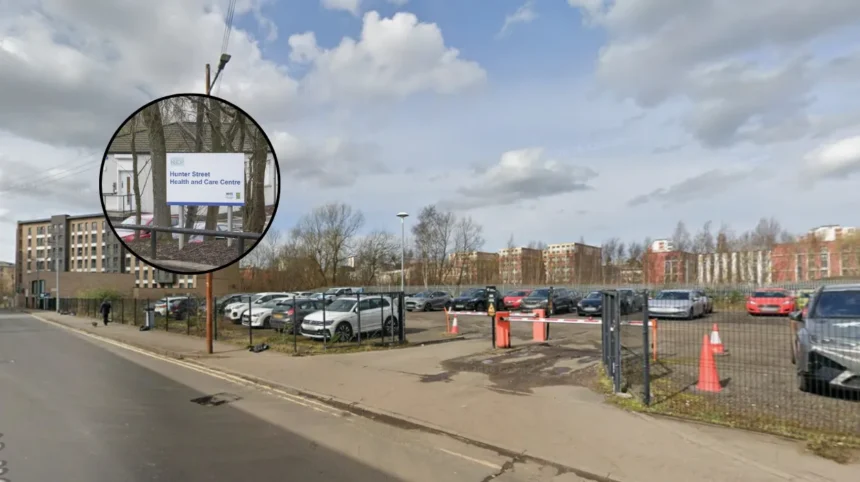
Opening on October 5, the new pilot facility will be located at Hunter Street in Glasgow, sharing the same site as the UK’s first official safer drug consumption facility. As reported by government statements, the initiative allows individuals to submit illicit substances for rapid testing to discover precisely what chemicals or harmful agents they contain. Alongside the analytical results, service users will receive tailored harm-reduction advice.
According to Home Office licence criteria, access to the drug-checking service will be strictly limited to individuals over the age of 18 who are dependent on one or more illicit substances.
What Are the Main Drivers Behind This Public Health Initiative?
Highlighting the urgent necessity of the scheme, Drugs Minister Maree Todd stated:
“I am very pleased that this facility will open next month and I thank our Glasgow partners for their hard work to deliver this pilot which will be vital in helping us respond to emerging threats”.
Ms Todd further emphasized the growing dangers within the illicit market, noting:
“Establishing new drug-checking facilities will help people make safer decisions and provide vital information on the risk of emerging substances. That is why we have consistently impressed upon the UK Government the importance of approving these facilities”.
The Scottish Government has funnelled more than £1.7 million into the broader drug-checking pilot programme. Officials stress that the early identification of toxic components is paramount, particularly given the rising prevalence of potent synthetic opioids like nitazenes, which significantly elevate the risk of accidental overdoses and fatalities.
Where Else Will Drug-Checking Services Be Established in Scotland?
Beyond the initial Glasgow hub, the operational framework involves a centralized scientific partnership. Samples gathered at the Glasgow site—and future locations—will be transported to a dedicated national testing and research laboratory hosted by the Leverhulme Research Centre for Forensic Science at the University of Dundee. This specialized laboratory provides comprehensive profiling to feed into the national early warning system, allowing public health agencies to track dangerous market shifts rapidly.
Furthermore, Aberdeen and Dundee have successfully secured Home Office licences for their own local services, with the Scottish Government actively collaborating with regional partners to launch them soon. Meanwhile, a fourth facility situated in Edinburgh is currently working on preparing its formal licence application.
Background of the Particular Development
The launch of Glasgow’s drug-checking service represents a major evolution in Scotland’s public health strategy regarding substance use and harm mitigation. Over the past decade, Scotland has grappled with high rates of drug-related deaths, prompting policymakers, healthcare professionals, and activists to advocate for progressive, evidence-based interventions. The opening follows the establishment of Scotland’s first safer drug consumption facility—known as ‘The Thistle’—at the same Hunter Street Health and Care Centre location in January 2025. Historically, UK drug legislation heavily restricted the testing of illegal substances outside of formal law enforcement channels. However, mounting evidence regarding adulterated street supplies, coupled with the emergence of lethal synthetic opioids such as nitazenes, forced a policy reassessment. By securing Home Office approvals and partnering with academic institutions like the University of Dundee, Scottish authorities have shifted toward a harm-reduction model focused on surveillance, early detection, and direct engagement with vulnerable populations.
Prediction on How This Development Can Affect People Who Use Drugs
For people who use drugs, the introduction of this localized testing service introduces a direct, non-judgmental touchpoint for health intervention and risk awareness. Because street-level substances are frequently contaminated with unexpected, highly potent chemicals, users often consume lethal doses unintentionally. By providing precise chemical breakdowns and professional harm-reduction counseling, the facility equips individuals with actionable data to avoid acute toxicity and fatal overdoses. Beyond immediate survival, the service creates a vital bridge into broader health and social support networks, offering pathways toward treatment, care, and recovery for individuals who might otherwise remain isolated from conventional healthcare systems.