Key Points
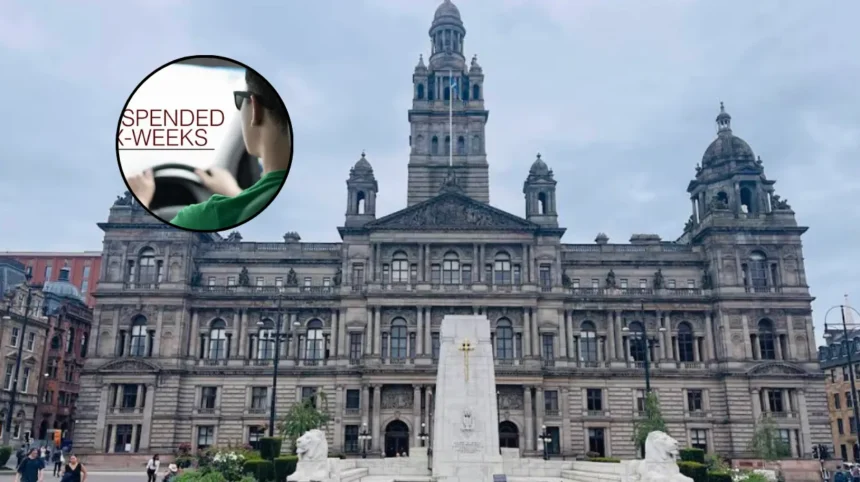
- An Uber private hire driver, Alaa-Aldi Abdul Aleem, had his licence suspended for six weeks by Glasgow City Council’s licensing and regulatory committee.
- The suspension follows an incident on 19 April where Aleem collected two young passengers from Union Street in Glasgow city centre without a prior booking and drove them to the Leonardo Hotel on Jamaica Street.
- Private hire vehicles are legally barred from picking up unbooked street passengers, a privilege restricted exclusively to licensed hackney carriages and black cabs.
- Video footage of the unbooked pick-up was submitted by a member of the public and reviewed privately by councillors during the regulatory hearing.
- Aleem’s legal representative defended the driver by stating he possessed a clean record, had travelled to Union Street merely to purchase food, and committed a regrettable, genuine mistake.
- The driver initially claimed he offered a free lift because the passengers stated they lacked money for a fare, and suggested weather conditions were wet.
- Committee chair Sean Ferguson publicly challenged these assertions, noting discrepancies regarding a free journey and pointing out that records indicated it had been a dry night.
Glasgow (Glasgow Express) September 21, 2026 — An Uber private hire driver has been penalised with a six-week licence suspension following an unauthorised street pick-up in the heart of Scotland’s largest urban area. As reported by Sarah Hilley, a local democracy reporter for Glasgow Live and the Glasgow Times, driver Alaa-Aldi Abdul Aleem collected two individuals directly from Union Street on 19 April and transported them to the Leonardo Hotel situated on nearby Jamaica Street. Under current transport regulations, private hire cars are strictly prohibited from accepting street hails or picking up passengers without a formal pre-booking. Only licensed hackney carriages, commonly referred to as black cabs, hold the legal authorization to ply for trade on streets and utilize designated taxi ranks.
The regulatory breach came to light after an observant member of the public filmed the illegal transaction and submitted the video evidence to local authorities. Glasgow City Council’s licensing and regulatory committee convened to examine the footage, which was reviewed in private session by the councillors. During the proceedings, the committee evaluated the circumstances surrounding the unbooked journey, weighing the legal framework governing commercial passenger transport against the personal defence mounted on behalf of the accused driver.
What Was The Driver’s Defence During The Licensing Committee Hearing?
As detailed in coverage by Taxi-Point, a representative speaking on behalf of Alaa-Aldi Abdul Aleem addressed the licensing and regulatory committee to mitigate potential penalties. According to the representative, the driver maintained a completely clean professional record prior to the incident and had originally driven to Union Street solely with the intention of purchasing something to eat. The legal representative characterized the unsanctioned pick-up as a genuine mistake, emphasized that the driver deeply regretted his actions, and formally requested that the committee permit him to continue working.
In addition to the plea for leniency, the committee heard background explanations previously provided by the driver. As highlighted by Sarah Hilley of Glasgow Live, Aleem had earlier asserted that the two young passengers claimed they did not possess any money to pay for a fare. Consequently, the driver maintained that he decided to perform a charitable act by offering them a free lift to their destination. Furthermore, arguments surrounding the environmental conditions during the late-night or evening trip were introduced to the panel for consideration.
How Did Councillors And Committee Chair Sean Ferguson Respond To The Explanations?
The explanations provided by the driver’s defense team met severe skepticism from the council leadership. Committee chair Sean Ferguson actively challenged the narrative presented to the hearing, specifically scrutinizing the claim that the journey was executed entirely free of charge as an act of goodwill. Chair Sean Ferguson further dismantled supplementary elements of the testimony, directly addressing an assertion that the weather at the time of the incident had been wet. Challenging this account, chair Sean Ferguson informed the hearing that meteorological and local observations confirmed it had actually been a dry night, casting further doubt on the validity of the defense’s narrative.
Following the thorough examination of the submitted video evidence and the verbal representations from both sides, the members of the licensing and regulatory committee reached a definitive consensus. Councillors agreed to enforce a six-week suspension of Alaa-Aldi Abdul Aleem’s private hire driver’s licence. This administrative sanction immediately blocks him from operating legally within the commercial hire sector for the duration of the ban. The case formed part of a broader disciplinary docket for the committee, which also reviewed three separate licence-holder cases during the same session—comprising two additional private hire drivers and one traditional taxi driver.
Background of the Particular Development
The strict enforcement action taken against the Uber driver in Glasgow highlights the rigid legislative divide governing public transport classification across the United Kingdom. Local authorities maintain a binary regulatory framework distinguishing between private hire vehicles (PHVs)—which must operate exclusively through pre-booked channels via licensed operators to ensure passenger insurance, digital tracking, and driver vetting—and hackney carriages (black cabs), which are specifically licensed to ply for hire directly from the street or designated ranks.
Unbooked street pick-ups by private hire drivers are treated as serious regulatory infractions by local licensing boards because they undermine public safety, bypass operator audit trails, and infringe upon the statutory monopoly granted to hackney drivers. Municipal committees across Scottish cities regularly review video evidence submitted by competitors, police, or vigilant citizens to crack down on illegal plying for hire, ensuring that standards across the night-time economy and transport grid remain strictly upheld.
Prediction
For the broader community of private hire drivers operating in Glasgow, this ruling serves as a stern warning regarding zero-tolerance policies toward unbooked street collections, reinforcing the financial and professional risks of accepting cash-in-hand fares or informal roadside hails. It signals that local authorities are heavily reliant on—and responsive to—citizen-submitted digital evidence, prompting drivers to strictly adhere to app-based booking protocols even under pressure from stranded late-night crowds. For passengers, the incident underscores the legal differences between vehicle types, reminding travellers that private hire cars cannot legally pick them up spontaneously off a curb, thereby reinforcing reliance on pre-booked transport or official taxi ranks for impromptu journeys.