
Key Points
- Developer Gurmit Dhaliwal, through STL Solutions Services Ltd, has appealed to the Scottish Government against Glasgow City Council’s rejection of plans to convert two B-listed townhouses at 75 and 77 Berkeley Street into holiday lets.
- The council’s planning committee rejected the application in January 2026, citing incompatibility with the Park conservation area, loss of eight residential flats amid the city’s housing emergency, and potential harm to residential amenity from noise, anti-social behaviour, traffic, and parking issues.
- The appeal argues the short-term let use would be “unobtrusive” due to the busy thoroughfare, existing non-residential activity including offices and hostels nearby, and economic benefits from visitor spend outweighing residential loss.
- Councillor Paul Leinster (SNP) stated at the meeting there was no reason to remove eight homes for tourist accommodation, especially during the housing emergency, noting the area’s desirability.
- Anderston Community Council and a neighbour objected, fearing worsened housing crisis and “party flats”; six letters of support highlighted benefits in a visitor-focused area.
- A reporter will be appointed by the Scottish Government to assess the appeal.
Glasgow (Glasgow Express) – May 9, 2026 – Developer Gurmit Dhaliwal has lodged an appeal with the Scottish Government seeking to overturn Glasgow City Council’s rejection of his plan to transform two B-listed townhouses at 75 and 77 Berkeley Street into short-term holiday lets.
- Key Points
- Why Was the Holiday Lets Plan Rejected by Glasgow City Council?
- What Does the Appeal to the Scottish Government Claim?
- Who Opposed the Berkeley Street Holiday Lets Proposal?
- What Was Said at the Planning Committee Meeting?
- How Will the Scottish Government Handle the Appeal?
- What Is the Context of Short-Term Lets in Glasgow’s Park Area?
- Background of the Berkeley Street Development
- Predictions: How This Development Can Affect Local Residents and Businesses
Why Was the Holiday Lets Plan Rejected by Glasgow City Council?
The council’s planning committee turned down the application in January 2026, primarily due to the ongoing housing emergency in Glasgow.
Planners stated the proposal was “incompatible” with the Park conservation area and would lead to the loss of eight residential flats.
Council officials further noted in their report that the applicant had “not demonstrated that the loss of mainstream residential accommodation has been outweighed by significant local economic benefit”. They added that no evidence showed risks of harm to residential amenity through noise, anti-social behaviour, or traffic and parking congestion could be addressed.
As reported by journalists at STV News West Central, the council’s recommendation for refusal highlighted that the change would introduce
“an intensive and incompatible commercial short-term letting accommodation into the conservation area, where such a change is strongly resisted in order to preserve residential amenity”.
What Does the Appeal to the Scottish Government Claim?
The appeal, submitted by STL Solutions Services Ltd on behalf of Gurmit Dhaliwal, asserts the proposed use would be
“unobtrusive, given the character of the appeal property, its neighbours and the vicinity”.
It points out that
“the premises are situated on a busy thoroughfare subject to heightened levels of pedestrian activity and traffic noise,”
with nearby offices contributing to non-resident comings and goings.
The document continues:
“It is recognised that there is a balance between accepting the economic benefits a short-term let use in this location may bring over the loss of a permanent residential dwelling. However, it is contended by the appellant that, given the location of the site, there is a high probability of considerable visitor spend in the local economy flowing from the appeal use as well as a benefit to local employers.”
STV News reported similar details from the initial application, where the applicant proposed keypad entry, a four-night minimum stay, five pre-bookable parking spaces, an onsite property manager available 24 hours, and house rules to minimise noise and respect neighbours.
Who Opposed the Berkeley Street Holiday Lets Proposal?
uk/local/anderston/">Anderston Community Council lodged a strong objection, claiming the change “could worsen the Glasgow housing emergency” and raised concerns over it becoming “party flats,” especially if booked by one group. As detailed in STV News coverage, the council stated:
“We strongly believe this change of use from residential properties into a short-term let business serves no benefit to the local area.”
They cited consistent reports of anti-social behaviour from such lets, including excessive noise, violence, substance abuse, vandalism, and threatening behaviour.
A neighbour also objected to the plans. In contrast, six letters of support were submitted, arguing self-catering accommodation would be “a good idea in a busy, visitor-focused area”.
What Was Said at the Planning Committee Meeting?
At the January 2026 planning committee meeting, Councillor Paul Leinster of the SNP remarked:
“I see no reason why we should take eight homes out of use and turn them into tourist accommodation. There’s nothing I’ve heard and no reason I can think of why we should grant this, particularly as we’ve discussed the housing emergency we’ve declared and we are going through.”
He added it is “quite a desirable area” and “once they’re marketed, they’ll be snapped up”.
How Will the Scottish Government Handle the Appeal?
A reporter will be appointed by the Scottish Government to assess the case. This process follows standard procedure for planning appeals in Scotland, where an independent reporter reviews submissions from both the appellant and the local authority.
What Is the Context of Short-Term Lets in Glasgow’s Park Area?
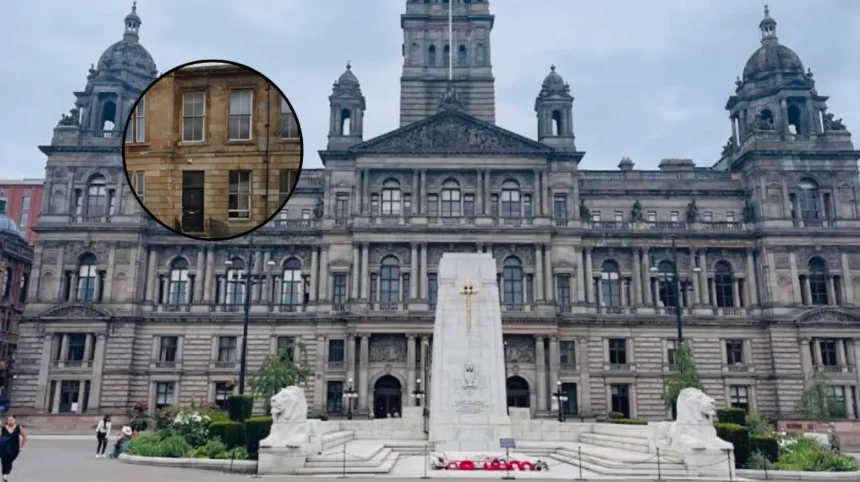
The properties at 75 and 77 Berkeley Street are B-listed townhouses containing eight flats, some already refurbished for short-term use in prior contexts.
The site lies on a busy street between Glasgow’s city centre and West End, near offices and existing hostels, as noted in the appeal.
Glasgow City Council has policies resisting short-stay changes in the Park Conservation Area to protect residential character.
Anderston Community Council has previously objected to large-scale developments in the area, such as student flats and homes near the River Clyde, citing overwhelmed services like doctors and dentists, lack of social housing, and high rents.
Glasgow declared a housing emergency in 2023, with ongoing issues including a shortage of homes exacerbated by various factors.
Background of the Berkeley Street Development
The two B-listed townhouses at 75 and 77 Berkeley Street were converted into eight apartments around 30 years ago, forming a buy-to-let portfolio with one- and two-bedroom units across basement to attic levels. Marketing materials from Clyde Property describe them as attracting students and professionals, with current occupancy generating about £6,000 monthly rental income when fully let under short assured tenancy agreements. Private parking is available at the rear via Granville Street and Elderslie Street.
Gurmit Dhaliwal’s application sought formal consent for short-term and tourist use, aligning with potential requirements under Scotland’s short-term let licensing scheme. Four flats at number 75 are noted as refurbished for short-term lets in council documents.
The properties’ central location supports both residential and visitor economies, amid broader Anderston regeneration efforts that include pedestrian zones, energy-efficient housing, apprenticeships, and community initiatives.
Predictions: How This Development Can Affect Local Residents and Businesses
The appeal’s outcome could influence residential availability in Anderston, where the housing emergency limits long-term homes. Approval might reduce eight residential units, potentially straining local housing stock for families and workers, as raised by the community council and Councillor Leinster.
For tourists and local businesses, success could boost visitor spend in nearby shops, restaurants, and employers, as argued in the appeal, supporting the area’s visitor-focused economy without significantly altering the busy street’s character.
Rejection would reinforce council policy protecting conservation areas, maintaining residential amenity and mitigating risks of noise or parking issues for neighbours. Ongoing Scottish Government review may set precedents for balancing tourism with housing needs in similar Glasgow districts.